REVIEW · SHANGHAI
2.5hrs Chinese Kitchen Cooking Class: Xiaolongbao Soup Dumplings
Book on Viator →Operated by Trippest Travel · Bookable on Viator
Shanghai soup dumplings are a science project. This hands-on class teaches you how xiao long bao get their signature broth pocket, and you’ll cook them two ways before sharing the meal. I also like the small group limit of 15, which makes it easier to actually get help while your fingers work the dough.
The chefs are English-speaking and patient, and the class includes tea plus a take-home recipe. One thing to consider: the studio setup is in an older lane area, so the meeting entrance can feel a bit tricky until your instructor finds you.
In This Review
- Key highlights you’ll care about
- Why xiao long bao is more than dumplings
- Where the class meets (and how to avoid the first-minute stress)
- What happens from 10:00 to 12:30
- 10:00 am: Meet at the cooking studio
- 10:20 am: Intro to cooking culture and local ingredients
- 11:00 am: Cooking session (where you do the real work)
- 12:00 pm: Enjoy the meal together
- 12:30 pm: End with a recipe to take home
- Making the dough and filling: the technique behind the thin skin
- The soup-broth moment: what makes a proper xiao long bao
- Two cooking methods: steamed and pan-fried results
- Sauce and tea: small add-ons that make the meal complete
- The price: is $98.88 good value for this?
- Who should book this class (and who might want to think twice)
- Practical tips if you want your dumplings to actually work
- Should you book this Shanghai dumpling class?
- FAQ
- How long is the xiao long bao cooking class?
- Where do I meet for the cooking class?
- Is the class limited to a small group?
- Are vegan or vegetarian options available?
- Is the class suitable for children?
- What is the cancellation policy?
Key highlights you’ll care about
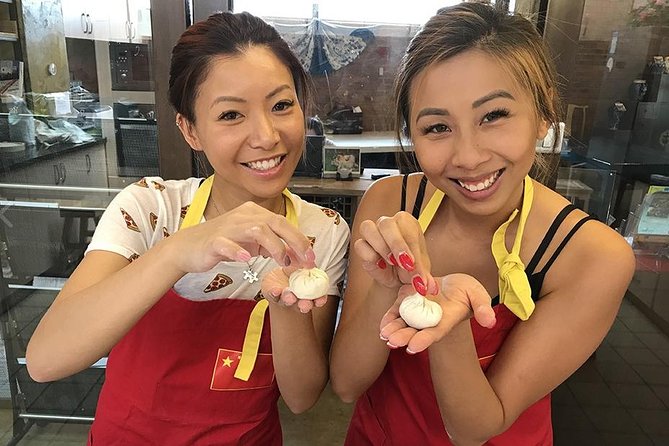
- Soup inside the dumpling: you learn how the broth gets wrapped so it bursts correctly at first bite
- Dough + filling, not just assembly: you’ll work on technique for both sides of the dumpling
- Two cooking methods: you’ll cook xiao long bao in both steamed and pan-fried style
- Small class pace: capped at 15 people, with hands-on coaching throughout
- Vegan/vegetarian options available: request your preference at booking
- Meet near Guangyuan Road / Changshu Road: the area is transit-friendly, and you return to the same meeting point
Why xiao long bao is more than dumplings
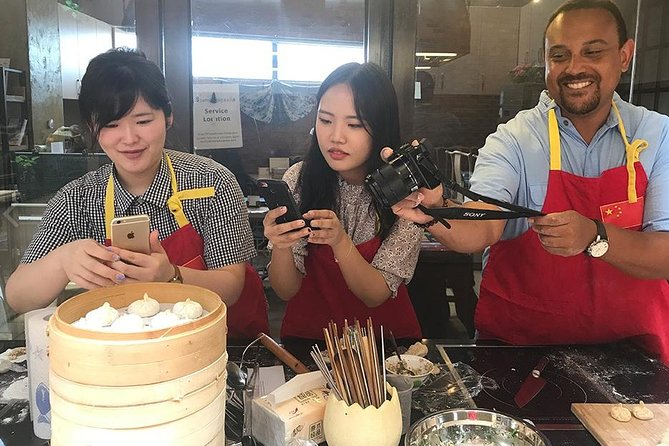
Xiao long bao looks simple. It’s just a small pleated dumpling. But the magic is what you don’t see: the soup. This class is built around that trick—how the broth ends up inside the dumpling, and how you wrap it so it stays tender until it’s time to eat.
If you’ve had soup dumplings before, you know the ideal bite: a delicate skin, then a burst of savory broth. The goal here is to help you understand how that happens in real time. You’ll learn the technique for making the dough, seasoning and preparing the filling, and the wrapping skill that keeps everything together.
I also appreciate that the class doesn’t just throw ingredients at you. It gives you a sequence to follow—mix, portion, fold, cook—and that structure makes a tricky food feel learnable.
You can also read our reviews of more tours and experiences in Shanghai.
Where the class meets (and how to avoid the first-minute stress)
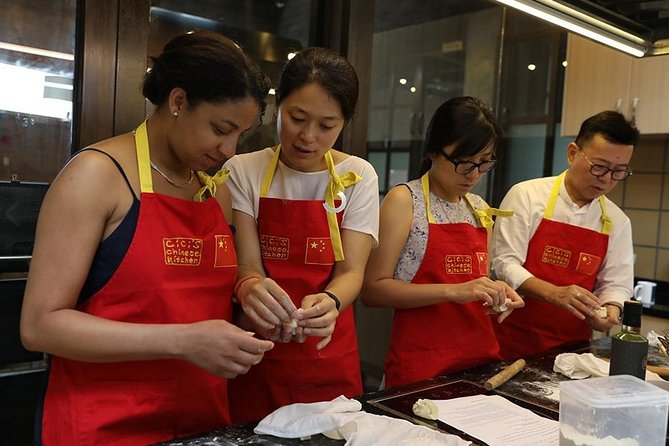
The class starts at 10:00 am at Guangyuan Road (Guang Yuan Lu, Xu Hui Qu, Shanghai). The description also references Changshu Road as a helpful reference point, so check your booking confirmation and follow the exact directions provided there.
One practical reality: the teaching space is described as being in an older lane/studio-type setting. That can mean the entrance doesn’t look like a bright, obvious storefront. The fix is easy: arrive a few minutes early, and watch for the instructor to guide you in once they spot your group.
There’s no hotel pickup or drop-off. You’ll want to use public transportation and walk the last bit. The good news is that it’s listed as near public transportation, and the end of the activity returns you back to the meeting point.
What happens from 10:00 to 12:30
This runs about 2 hours 30 minutes. The schedule is straightforward, and each step ties directly into your cooking.
10:00 am: Meet at the cooking studio
You’ll gather at the studio and get oriented. Since the class is limited to 15 people, the group stays manageable, and you don’t get lost in a crowd.
10:20 am: Intro to cooking culture and local ingredients
Before hands get busy, you’ll get a short introduction. This is where you’ll hear about ingredients and why Shanghai-style xiao long bao works the way it does. It’s also the point where your instructor can set expectations—what to watch for with dough texture and filling balance.
11:00 am: Cooking session (where you do the real work)
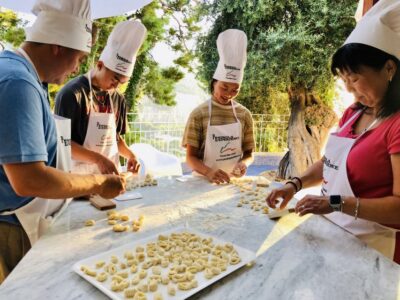
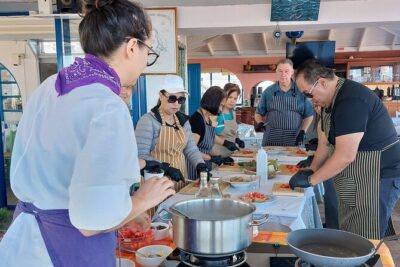
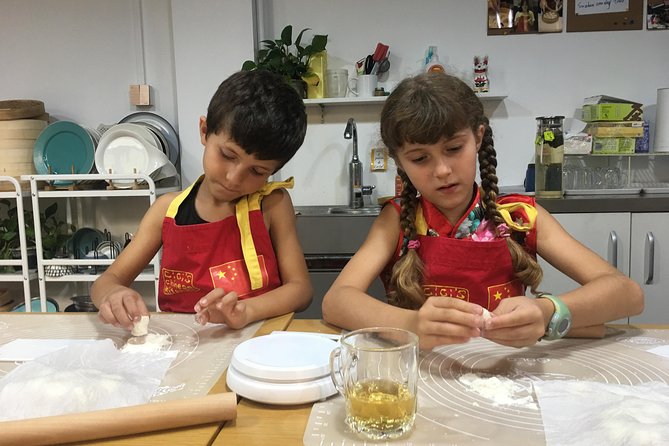
This is the core part of the class. You’ll learn how to make the dumpling skin and stuffing. Then you’ll shape your own xiao long bao and work on the folding technique that’s supposed to keep the soup from leaking out while cooking.
A helpful detail from the way the class is described: you cook the dumplings two ways. That means you’re not just learning one method—you’re learning how texture and cooking style change what you get at the table.
12:00 pm: Enjoy the meal together
Once your dumplings are ready, you eat together as part of the class. This matters more than it sounds. When you taste what you made right after cooking, you learn faster. You also get to compare steamed vs pan-fried results with the group.
12:30 pm: End with a recipe to take home
You leave with a recipe. Even if you don’t make xiao long bao every week, having a written guide keeps your memory from fading. It’s the difference between a fun story and a skill you can repeat.
Making the dough and filling: the technique behind the thin skin
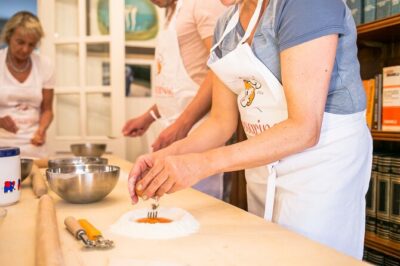
In a lot of food experiences, you either watch or you assemble. Here, you do more. The class is designed around teaching you how to work the dough and prepare the filling using fragrant Chinese spices.
What I’d focus on if you go: dough consistency. If the skin is too thick, the dumpling eats like a regular potsticker. If it’s too thin, it’s hard to pleat without tearing. You’ll get coaching while you work, and the group size helps you get corrections without feeling rushed.
You’ll also learn about the relationship between dough and filling—how to portion so the dumpling holds together, and how the wrapping affects the final bite. This is where the class earns its keep. Knowing the sequence is what makes the dish repeatable later.
The soup-broth moment: what makes a proper xiao long bao
Xiao long bao are called soup buns or soup dumplings because the broth is inside. That’s the whole point, and the class is built to teach how you wrap soup in a dumpling style that still cooks cleanly.
When everything goes right, you get that delicate skin plus hot, savory broth. When it doesn’t, you may get leaks or dumplings that don’t burst the way you want. The instructor’s job is to help you get closer to that ideal with technique, timing, and how tightly you close the pleats.
This is also why the class has you cook the dumplings two ways. Different cooking methods can change how the skin sets and how the soup experience feels at the first bite. That comparison helps you understand the dish, not just make one plate of food.
Two cooking methods: steamed and pan-fried results
You’ll cook the xiao long bao two ways, including steamed and pan-fried. That’s a valuable detail because it shows you how Shanghai-style cooking can adapt texture.
Steamed tends to highlight softness and the classic soup-dumpling feel. Pan-fried adds a different surface texture—more browning and a firmer exterior—while still keeping the dumpling interior. The best part is you can taste the difference immediately.
If you’re the type who learns by doing, this is where the class really clicks. You don’t just follow a single demo. You shape dumplings, then see the outcome of different cooking styles.
Sauce and tea: small add-ons that make the meal complete
You’ll also learn a Chinese sauce to go with your xiao long bao. It’s a smart inclusion, because the sauce helps balance richness, vinegar tang, and seasoning intensity. Even if you only remember one thing from the class, you’ll likely remember how the sauce changed the bite.
And you’ll get complimentary tea. Tea is a practical pairing for dumplings: it helps refresh your palate between bites and keeps the meal from feeling heavy.
The price: is $98.88 good value for this?
At $98.88 per person, this isn’t a cheap activity—but it’s also not priced like a full-day tour with transportation. You’re paying for an intensive, hands-on cooking lesson in a small group (max 15 people) plus food and teaching.
Here’s where the value comes from:
- You cook two styles (steamed and pan-fried), not just one
- You make dough and filling, which is more work than simple assembly
- You get tea and a shared meal at the end
- You leave with a recipe, which makes it more useful after the class
Also, group discounts are listed. If you’re traveling with friends, that can push the cost closer to what you’d spend on a good dinner plus cooking instruction.
The one cost trade-off is time. This runs about 2.5 hours and doesn’t include pickup, so it’s best as a focused food experience rather than a way to “see Shanghai” in one stop.
Who should book this class (and who might want to think twice)
This class is listed for ages 3-100, and children under 3 are free. That wide range tells you it’s designed to be family-friendly, and the small group keeps it manageable. If you’re traveling with kids, this is the kind of activity where they can help shape pleats and learn by tasting.
It also includes vegan and vegetarian options on request. If you’re flexible with substitutions, you can still get the experience rather than sitting out. Just make sure you note your preference at booking so the class can prepare accordingly.
People who tend to enjoy this most:
- You want hands-on Shanghai food, not just a tasting
- You like learning technique you can repeat later
- You enjoy group classes where you can ask questions as you work
The main “think twice” category for me is logistics-minded travelers. If you hate searching for a meeting entrance and you show up right at the start time, you might feel flustered in the older lane/studio setup. Arrive a little early and you’ll keep it smooth.
Practical tips if you want your dumplings to actually work
A couple things that’ll help you get good results (and keep the day fun):
- Wear clothes you don’t mind getting flour on. Dough work can be messy.
- Go in ready to be patient with yourself. Pleating takes practice, even if you cook at home.
- Ask questions mid-step. The class is paced to be workable in a small group.
- If you have dietary needs, write them clearly during booking. The class says vegetarian/vegan options are available on request.
And since this is a skill-based activity, I’d treat it like a mini workshop: show up on time, follow the steps, and taste your own results. That feedback loop is where the learning happens.
Should you book this Shanghai dumpling class?
I’d book it if you want a real cooking skill, not a quick snack stop. Learning how soup gets wrapped inside xiao long bao—and cooking them steamed and pan-fried—makes this one of the more satisfying food classes in Shanghai because you leave with both knowledge and something you can repeat.
You should also book it if you’re traveling with family and want a class that accepts a wide age range, or if you can travel with friends so group pricing makes more sense.
Skip it only if you know you’ll struggle with finding the studio entrance or you’re short on time and need a tour with transportation included. Otherwise, this is a practical, tasty way to get close to how Shanghai dumplings are made, one pleat at a time.
FAQ
How long is the xiao long bao cooking class?
The class runs about 2 hours 30 minutes.
Where do I meet for the cooking class?
You meet at the cooking studio on Guangyuan Road (Guang Yuan Lu, Xu Hui Qu, Shanghai). The activity ends back at the meeting point.
Is the class limited to a small group?
Yes. The maximum group size is 15 travelers.
Are vegan or vegetarian options available?
Yes. Vegan and vegetarian options are available on request. You should write down your food preference at booking.
Is the class suitable for children?
Ages 3-100 are welcome. Children under 3 years old are free to join the class.
What is the cancellation policy?
The experience is non-refundable and cannot be changed for any reason. If it is canceled because the minimum number of travelers isn’t met, you’ll be offered a different date/experience or a full refund.