REVIEW · KRABI
Smart Cook Thai Cookery School in Aonang, Krabi
Book on Viator →Operated by Oh-Hoo · Bookable on Viator
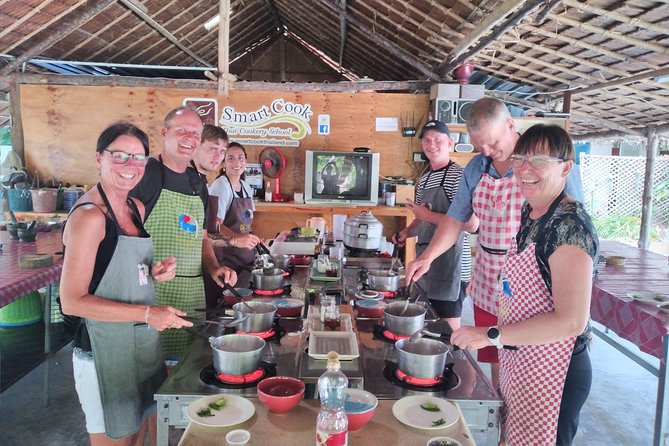
Thai cooking gets personal at this open-air kitchen. At Smart Cook in Ao Nang, I love the small-group format, with everyone on a wok at a clean open-air station while you learn curry paste fundamentals.
I also love that you cook and eat five dishes, so the class ends with a real meal. If you get instructors like Pop, Poppy, Chef Ann, or Snow White, you will get clear step-by-step help in English, plus control over spice level and options for vegetarian or vegan cooking.
One thing to consider: free pickup is for bookings with at least two people, and solo travelers may pay an extra transfer fee, plus the class needs good weather to run.
In This Review
- Key things I’d plan around
- Getting from Ao Nang to the kitchen without wasting time
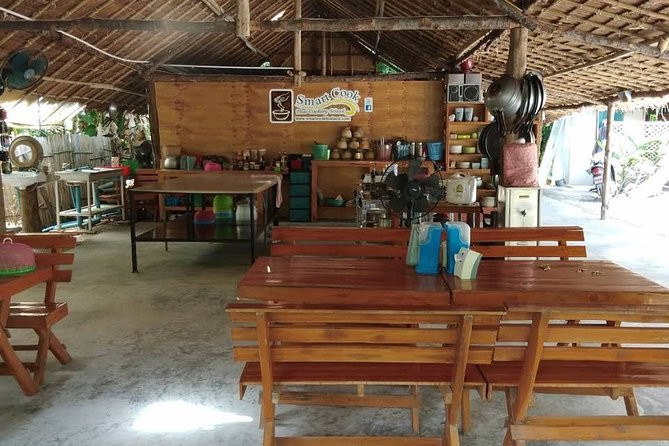
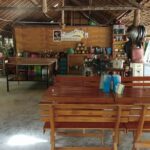
- A clean open-air kitchen where you actually cook
- Thai cooking basics: herbs, veg, spices, and curry paste mechanics
- Your five-dish menu: what you’ll cook and why it sticks
- Making curry paste: the skill behind the flavors
- Eating what you cook: portion reality and pacing
- What you get to take home: recipe book and certificate
- Price and value: why $43.87 can work (or not)
- Who this class suits in Krabi (and who might not love it)
- A small-group evening with real teacher attention
- Should you book Smart Cook Thai Cookery School in Ao Nang?
- FAQ
- How long is the Thai cooking class in Ao Nang?
- How many dishes will I learn to cook?
- Is the class small?
- Do you pick up guests from hotels?
- What if I am traveling solo?
- Can I choose vegetarian, vegan, or different spice levels?
- What is included in the class besides cooking?
- What if my partner comes but does not want to cook?
- Do I need good weather for the experience?
Key things I’d plan around
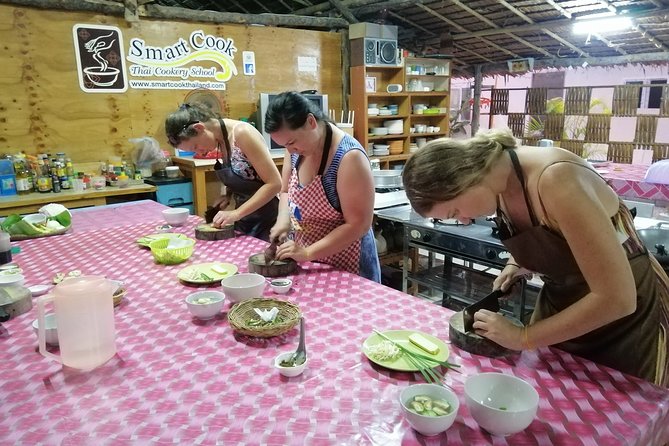
- Open-air kitchen setup: clean kitchen, individual cooking stations, and your own wok style setup
- Hands-on five-dish menu: you don’t just taste; you make multiple dishes and eat them afterward
- Curry paste from scratch: mortar-and-pestle curry paste is a skill you can reuse later
- Spice and diet control: your dishes can be adjusted to non-spicy, spicy, vegetarian, or vegan
- Pickup across Ao Nang and nearby areas: free when the minimum is met, with solo transfer fees listed
- Recipe book plus certificate: take-home recipes and a completion certificate add real value
Getting from Ao Nang to the kitchen without wasting time
Smart Cook’s class is built for people staying in Ao Nang, Krabi, and nearby areas like Klong Muang. The big convenience is pickup and drop-off, so you are not sorting out a taxi or trying to figure out which road the cooking school sits on.
Here is the practical bit: the transfer is listed as free for the main areas when the booking has a minimum of 2 people. If you are traveling solo and you want pickup from places like Krabi Town or Khlong Muang, there is a listed extra transfer fee. From Tub Kaek, the solo transfer fee is also listed (higher). If you are coming with a friend, that minimum often makes the whole experience feel like a bargain.
You also have the reassuring note that it is near public transportation, which matters if your schedule changes or you just like having options.
You can also read our reviews of more tours and experiences in Krabi.

A clean open-air kitchen where you actually cook
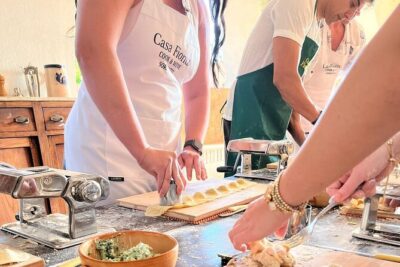
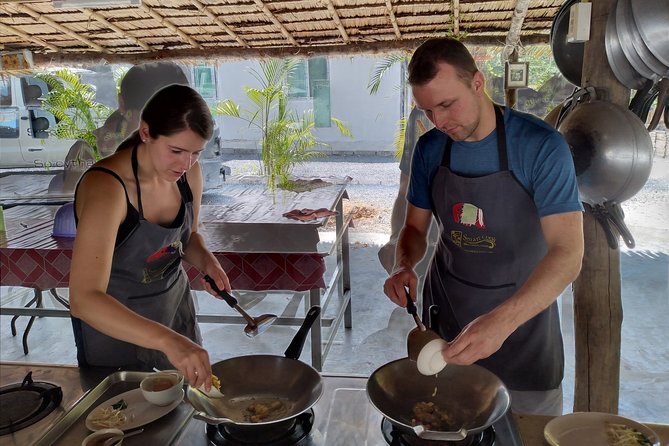
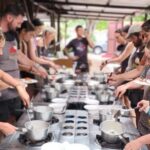
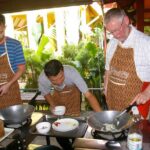
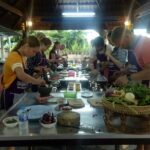
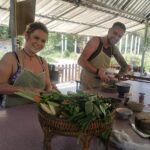
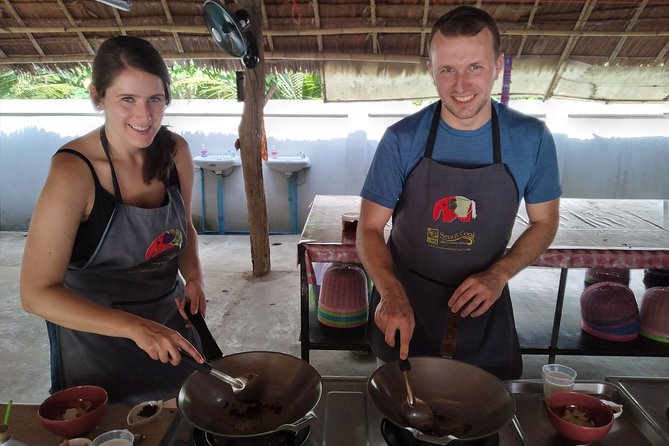
This is not the style where you sit, watch, and hope you remember the steps later. The school uses an open-air kitchen setup with individual cooking stations, and each person works at their own station and wok. That setup is a big deal for two reasons: you get real practice, and you get coaching fast when something is off.
The class size is kept small. It is described as limited to 12 for more personalized attention, and the activity listing also shows a maximum that keeps it from turning into a crowd scene. Either way, the point is the same: you are more likely to get your questions answered and your technique corrected.
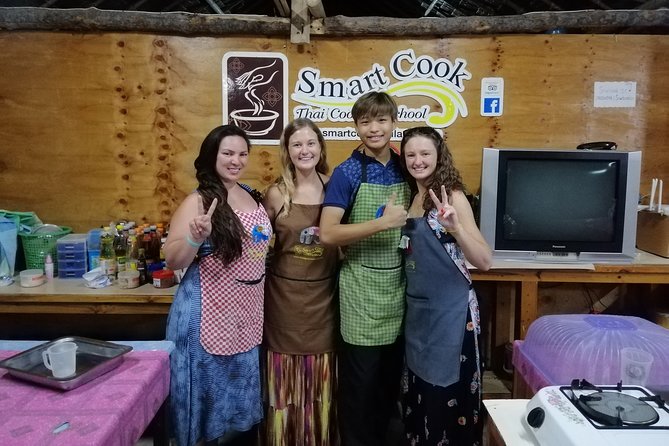
Language is another strength. Multiple instructors are mentioned, and they are described as friendly and able to guide in English. Names you might run into include Pop, Poppy, Chef Ann, and Snow White. I like that mix of personalities because it often means you can connect with the instructor’s teaching style, even if your cooking background is basic.
Finally, the kitchen experience feels more comfortable than you might expect. The food prep is described as clean, and you work in an open-air environment rather than a cramped, closed kitchen. You’ll still get kitchen heat and smells, but it feels like a real working setup rather than a staged show.
Thai cooking basics: herbs, veg, spices, and curry paste mechanics
The teaching approach focuses on the building blocks: herbs, vegetables, and spices used in Thai cooking. You get quick guidance on what goes where and why, so the class doesn’t feel like memorizing a recipe. The best part is the promise (and repeated evidence) that Thai cooking is learnable. You get taught the basics and then you apply them.
One of the most repeatable skills here is the curry paste work. You learn to make curry paste from scratch using a mortar and pestle. This matters because curry paste isn’t just flavor; it is structure. When you grind the aromatics and balance the paste, you start to understand how Thai food hits in layers—sweet, sour, salty, and spicy all having their moment.
I also like how the class lets you shape your own results. Dishes can be made non-spicy, spicy, vegetarian, or vegan. That means you are not stuck with a preset menu that only one taste preference fits. If you want gentler food, you can aim for that. If you want to test your spice tolerance, you can push there too.
And since everyone has a station, you are not stuck waiting for the instructor to finish. You can see your pace, adjust as you go, and build confidence fast.
Your five-dish menu: what you’ll cook and why it sticks
This class is built around learning five different dishes. The exact five dishes can vary based on the day’s set, but you can expect a mix of savory starters, soups, salads, noodles, and curries. Rice is included, and mango sticky rice is part of the cooking experience as well.
Here is how to think about the menu options you might see:
- Daily set (examples listed): spring rolls, hot and sour prawn soup, chicken in coconut milk, papaya, fried noodles, and more
- Special set A (examples listed): fried noodles with prawn, steamed fish with lemon, chicken in pandanus leaves, savory beef salad, Massaman curry paste, and more
- Special set B (examples listed): fried noodles with vegetables, seafood gravy, steamed fish with soy sauce, stir-fried prawn in tamarind sauce, seafood salad, and more
- Dinner set (examples listed): fried Thai-style noodles, fried chicken with cashew nuts, hot and sour prawn soup, chicken in coconut milk soup, red curry paste, and more
So yes, the menu can shift, but the learning goal is consistent: you will practice multiple Thai flavor patterns, not just one type of dish.
What makes this “stick” for me is that you are not just cooking one cuisine category. In the feedback you can see people making spring rolls, tom yum-style hot and sour soup, curries like massaman and green curry, papaya salad, and then finishing with sticky rice with mango. Even when your exact five-dish lineup differs, those themes are common: a crisp starter, a bright soup, a fresh salad, something noodle-based, and a curry plus rice finish.
If you are a beginner, that variety helps you see how Thai food is put together. If you already cook at home, it gives you technique upgrades—especially around paste, balance, and layering flavors.
Making curry paste: the skill behind the flavors
Many cooking classes teach ingredients and sauce steps. This one adds something better: you make curry paste yourself. You do it with mortar and pestle, which means you feel the grinding and the texture change as the paste comes together.
Why does this matter? Because when curry paste is store-bought, you mostly follow directions. When you make it, you learn the flavor logic—how garlic, shallots, chilies, and aromatics combine into a paste that behaves differently in hot oil. You also learn the rhythm of cooking it in a pan so it becomes fragrant rather than just raw-tasting.
Also, when you control spice level (and some dishes can be adjusted to suit your preference), the paste work gives you a way to tailor heat without losing the Thai flavor profile.
In other words: this is the part that can turn into an at-home cooking habit. After you’ve ground paste once, you start noticing how curry should smell and how it should taste at different stages.
Eating what you cook: portion reality and pacing
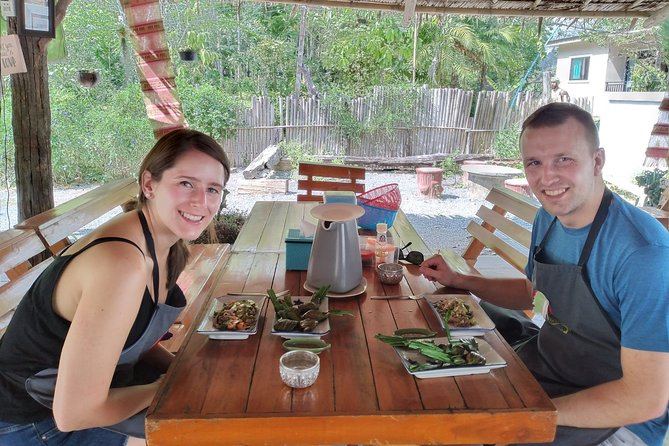
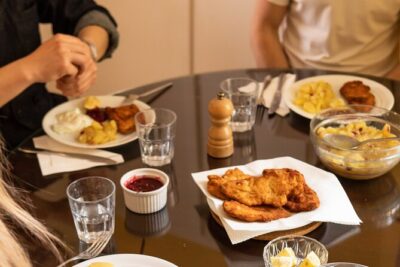
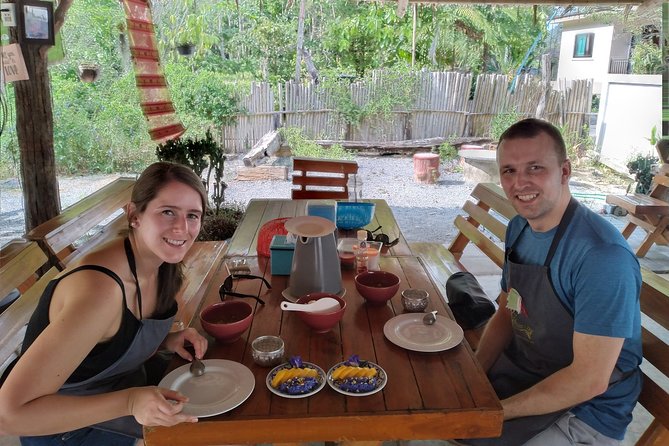
The class is designed to end with you eating your own creations. That is not a small detail. It changes the energy of the evening. You cook with intent, and then you get to test your work while it is fresh.
Included with the class are food tasting and drinking water, and your menu experience is set up like a full meal rather than a single snack. The sets can be substantial, and there is even helpful advice in the feedback: do not plan to arrive hungry or overly full, because tasting can be generous. A practical move is to treat the class meal as your dinner, not a quick side stop.
Pacing also tends to be tied to hands-on cooking stages. You typically rotate through tasks as your dishes progress. That keeps you busy and also prevents the class from dragging. If you like cooking, you’ll likely find the time passes quickly.
And if you are worried about spice: you can request adjustments. That makes it easier to enjoy your meal without turning the whole thing into a chili challenge.
What you get to take home: recipe book and certificate
A lot of cooking classes give you a few tips. Smart Cook adds a recipe book and a certificate for completion. That matters if you want to rebuild what you cooked later, or if you want a souvenir that is actually useful.
The recipe book can be your cheat sheet when you are back home and trying to remember the order of steps or how the curry paste should look. The certificate gives you a nice sense of progress, especially if you’re learning Thai food as part of a larger travel theme.
Also, since you’re making multiple dishes, the recipe book isn’t just one recipe you’ll use once. It typically helps you revisit several techniques: soups, salads, noodles, curries, and rice.
Price and value: why $43.87 can work (or not)
The class is listed at $43.87 per person for about 4 hours. On its face, that’s a fair price for a hands-on cooking workshop with multiple dishes, ingredients, coaching, and take-home materials. What boosts the value is that it is not just one item—you learn five dishes and then eat them.
Pickup and drop-off help too. When the minimum of 2 people is met, transfer is included from multiple areas around Ao Nang. That reduces real-world costs like taxi time and hassle.
The value equation shifts if you are solo. A listed extra transfer fee applies from Krabi Town or Klong Muang, and an extra fee is listed from Tub Kaek. If you are a single traveler, the cooking class price stays the same, but the total cost can climb depending on where you are picked up.
There is also a detail for companions: if someone comes with you but does not want to cook, there is an extra fee listed as 300 Baht per person.
So here is the fair way to judge it:
- If you are staying in Ao Nang or nearby and can share a pickup situation with at least one other person, the deal looks strong.
- If you are solo far from the base, the cooking experience might still be worth it, but do the math with the transfer fee.
Who this class suits in Krabi (and who might not love it)
This is the right fit if you want to do something practical while you are in Krabi. You learn skills, you cook multiple dishes, and you get a meal out of it.
It also works well for:
- Food lovers who want to understand Thai flavor, not just eat it
- Couples and small groups that enjoy hands-on activities
- Beginners who want clear guidance and stations to work from
- People planning a cooking hobby at home, especially because curry paste is included
It might not be the perfect match if:
- You prefer watching rather than cooking (this class is built for doing)
- You want a very low-spice meal with no adjustments at all (you can control spice, but you still cook and taste as part of the process)
- You are going to be in Krabi only for a tight window where weather could force rescheduling (the class needs good weather)
A small-group evening with real teacher attention
One of the most praised parts of this experience is the personal guidance. With small groups and stations, instructors can correct technique quickly—things like texture, timing, and balance. That is why people keep describing the class as fun, organized, and worth it for the value.
You also get a supportive environment. The feedback highlights friendly staff and an approach that works even when someone is not into spicy food. That matters because Thai cooking can intimidate people who think everything will be hotter than they can handle. Here, you have options to adjust.
And because you finish by eating what you cooked, it feels like a complete circle: learn, cook, taste, adjust. That loop is a big reason you leave with confidence instead of just memories.
Should you book Smart Cook Thai Cookery School in Ao Nang?
Book it if you want a hands-on Thai cooking class in Ao Nang that teaches more than one dish, includes curry paste from scratch, and ends with you eating the results. The small-group setup and the fact that you get a recipe book plus certificate make it feel like more than a quick activity.
Consider booking only if you are in a situation where pickup costs could add up (especially if you are traveling solo from areas with listed transfer fees). Also, be ready for weather reality: the class requires good weather.
If you can handle a fun, practical cooking evening, this is a smart way to bring Krabi flavor home with skills you can repeat.
FAQ
How long is the Thai cooking class in Ao Nang?
The class runs for about 4 hours.
How many dishes will I learn to cook?
You will learn to cook five different dishes, and you will also make rice and mango sticky rice.
Is the class small?
Yes. The class size is limited for more personalized attention, with the class capped at 12, and the activity listed with a maximum of 10 travelers.
Do you pick up guests from hotels?
Yes. Hotel transfer is included from Ao Nang, Ao Nam Mao, Krabi Town, Khlong Muang, and Tub Kaek when the minimum number of travelers is met.
What if I am traveling solo?
If you are a single traveler, a transfer fee is listed: 500 THB per person from Krabi Town or Khlong Muang, and 600 THB per person from Tub Kaek.
Can I choose vegetarian, vegan, or different spice levels?
Yes. All dishes can be adjusted to be vegetarian, vegan, spicy, or non-spicy based on your preference.
What is included in the class besides cooking?
You get a recipe book and a certificate, plus food tasting and drinking water. Fruits and preparation of spicy Thai salads are also included.
What if my partner comes but does not want to cook?
They can join but would need to pay an extra 300 Baht per person.
Do I need good weather for the experience?
Yes. The experience requires good weather. If it is canceled due to poor weather, you are offered another date or a full refund.