REVIEW · KRABI
Krabi: Traditional Thai Cooking Class
Book on GetYourGuide →Operated by Anda Krabi Seatour · Bookable on GetYourGuide
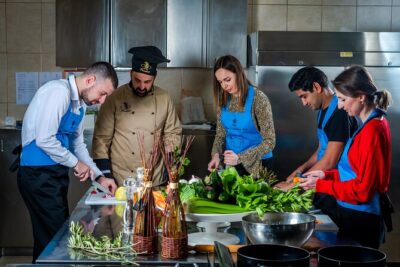
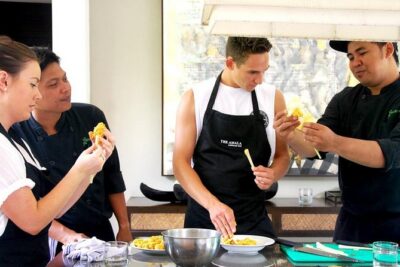
Thai cooking in Krabi is practical, hands-on fun. You’ll get hotel pickup in Ao Nang and an English-speaking instructor who helps you choose dishes and cook step by step, then you leave with recipes you can actually repeat at home. I like that the class stays small and focused, so you’re not watching from the back row.
One thing to plan for: the kitchen runs warm, and you’ll be working near hot gas woks in humid conditions. Wear breathable clothes, because the heat can sneak up on you even if you’re just standing there for a moment.
In This Review
- Key highlights worth your attention
- Krabi cooking class: what this experience is really like
- How the dish-picking works (and why it matters)
- Morning class menu themes
- Afternoon and late-afternoon menus
- Evening class menu bonuses
- Pickup, drive, and the classroom rhythm in 3.5 hours
- The techniques you’ll actually use at home
- Flavor comes from balance, not one magic ingredient
- Timing is everything on a wok
- Curry paste and coconut milk both change the whole dish
- Som tam and herb-heavy dishes teach you restraint
- You’ll get a cookbook, not just a handout
- What you’ll eat: quantity, take-home food, and why it’s part of the value
- Comfort tips: what to wear and how to not feel miserable
- Price and value: does $57 make sense in Krabi?
- Who should book this cooking class
- Should you book this Krabi cooking class?
- FAQ
- FAQ
- How long is the Krabi traditional Thai cooking class?
- Is hotel pickup and drop-off included?
- How many dishes do I cook?
- Can you make the dishes vegetarian or non-spicy?
- What dishes are available?
- How big is the group?
- Is the instructor English-speaking?
- What should I bring, and is luggage allowed?
- Is there free cancellation?
Key highlights worth your attention
- Small-group limit (up to 8 people) keeps the pace friendly and the instruction clear
- Choose from multiple dish options by time slot, including curry pastes, Pad Thai, and som tam
- You can adjust heat and ingredients so dishes can be vegetarian or non-spicy
- You cook in an active, stove-right-here way, not just a demo you watch
- Big eating payoff: you’ll end up with a lot of food (and often can take leftovers back)
- A recipe book/cookbook at the end helps you recreate your favorites at home
Krabi cooking class: what this experience is really like
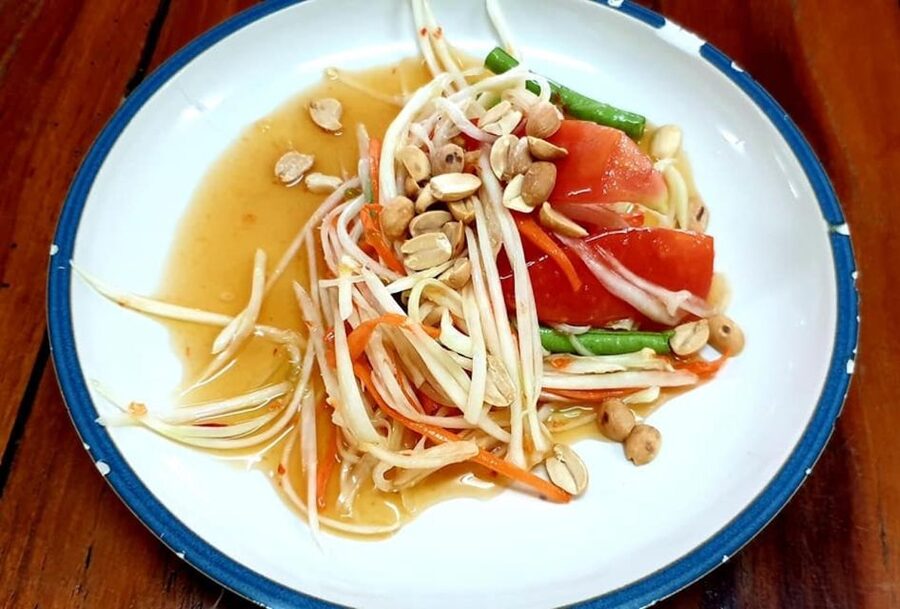
This class is built for people who want more than a meal and a photo. You’ll learn how Thai dishes get their flavor from a mix of aromatics, spices, and the way ingredients are timed and layered. The vibe is practical: you’re working, tasting, adjusting, and cooking your way through dishes rather than memorizing a lecture.
The experience starts with an easy pickup from Ao Nang hotels (with additional fees if you’re staying in areas like Klong Muang, Tubaek, or a hotel on Railay). Then you’re driven to the cooking location, and you’ll spend the next 3.5 hours cooking and eating as a small group. When it’s done, you get dropped back at your Ao Nang area.
I love that you can make it fit your preferences. The dishes can be made vegetarian, and you can request non-spicy versions. That matters because Thai food can be intense for first-timers. Here, you get a path to learn the flavors without feeling punished by chili.
You can also read our reviews of more tours and experiences in Krabi.

How the dish-picking works (and why it matters)
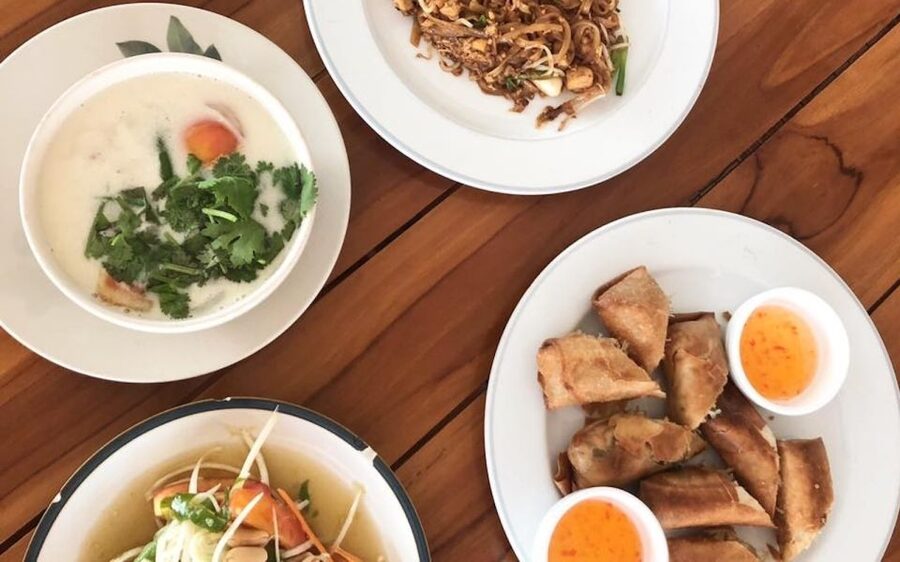
You choose your dishes from a set menu that changes slightly depending on the class time. This is one of the smartest parts of the format. Instead of being stuck with a fixed program, you can build a menu based on what you actually want to eat in Thailand.
There’s also a small reality-check: the experience is marketed as choosing four dishes per person, but many sessions end up with a larger number of dishes cooked (you’ll still leave full, and you’ll likely cook and eat more than you expect). Either way, the goal is the same: you should leave knowing what to do at home, not just having a nice Thai lunch.
Here’s how the menu feels by time slot:
Morning class menu themes
Morning options lean toward classic stir-fries and curry favorites:
- Massaman curry
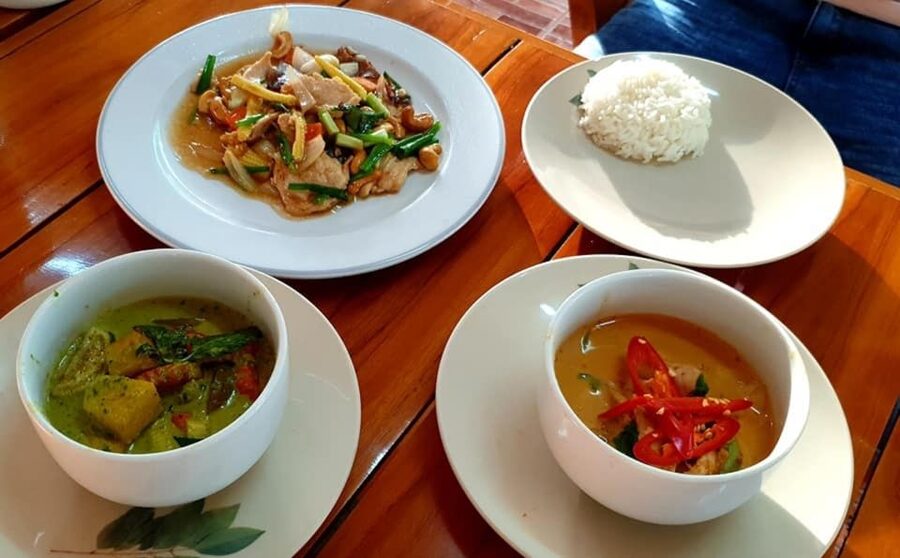
- Red curry chicken with vegetables
- Tom yam goong (spicy prawn soup)
- Lab kai (chicken mint salad)
- Pad Thai
- Stir-fried chicken with cashew nuts
- Stir-fried sweet and sour chicken/vegetables
- Fried rice with chicken/vegetables
If you’re the type who wants variety fast, morning is great. You’ll get a mix of curries, noodle work, and rice/stir-fry techniques.
Afternoon and late-afternoon menus
Afternoon and late-afternoon often include:
- Spring roll
- Mango sticky rice
- Curry pastes
- Green curry
- Panang curry
- Pad Thai
- Chicken in coconut milk (tom kar kai)
- Stir-fried chicken in Thai basil
- Papaya salad (som tam)
- Stir-fried morning glory
If you want the “Thai kitchen foundation” angle, look for the slots that include curry pastes. That’s where the flavor base comes from, and it helps you understand why some dishes taste the way they do even when you’re not using the exact same ingredients at home.
Evening class menu bonuses
Evening slots tend to mix the core savory dishes with dessert:
- Curry pastes
- Green curry
- Panang curry
- Pad Thai
- Som tam
- Tom kar kai
- Stir-fried chicken in Thai basil
- Stir-fried morning glory
- Mango sticky rice
Evening is a good pick if you’re done with beach time and want something that feels like an evening ritual, not just a midday activity.
Pickup, drive, and the classroom rhythm in 3.5 hours
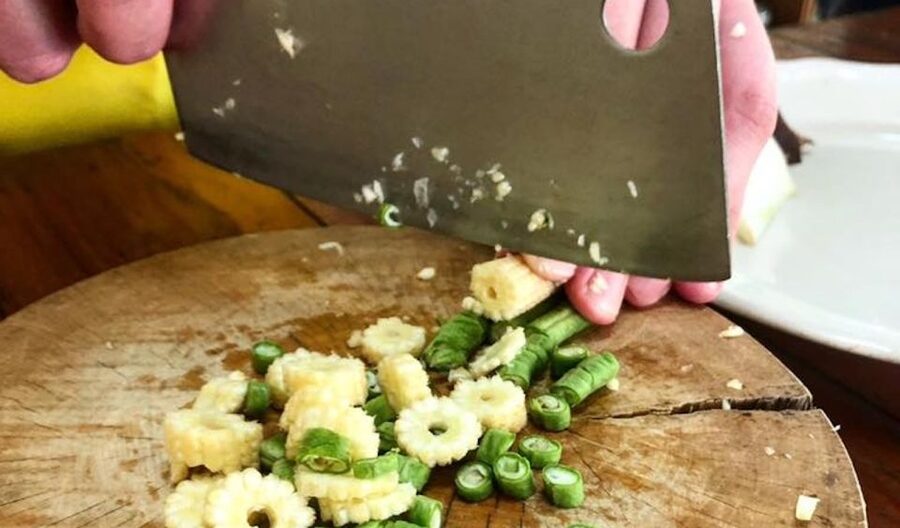
The flow is simple. You’ll start with pickup (from one of the listed Ao Nang pickup zones), then a car ride to the cooking spot. After the class, you’ll be returned to one of the drop-off points in the Ao Nang/Nong Thale/102 Panurat area.
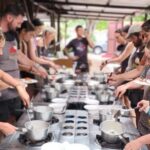
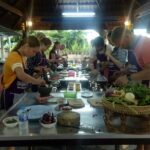
Once you’re there, the structure feels efficient. With a small group capped at 8, you get time to ask questions without holding up the room. In practice, this means you’re not waiting forever for your turn. You’re cooking alongside helpers who keep things organized and keep your stations stocked.
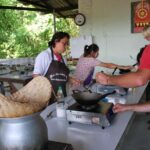
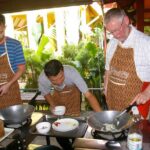
Many classes also use an individual-wok setup powered by gas, which is one of the reasons the cooking feels authentic. You get used to the heat level and the speed of Thai stir-frying, which is where a lot of home cooks stumble. Plus, there are fans around to help when the wok heat gets intense.
What to watch for: the menu and dish assignments can shift a bit by time slot. If you have one “must-cook” dish, check availability for your preferred time before you commit.
The techniques you’ll actually use at home
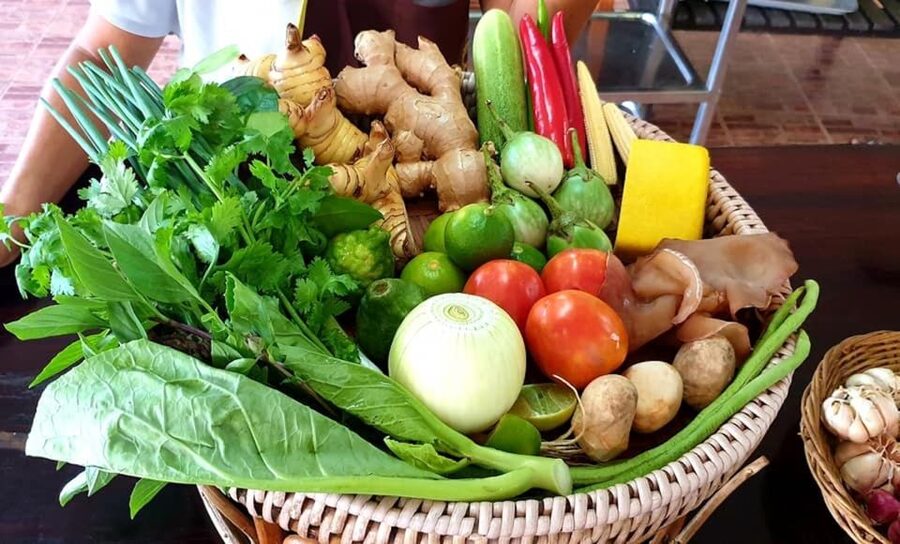
The best Thai cooking classes don’t just teach you recipes. They teach you how to think like the cook. This one leans into that, especially around herbs, spices, and flavor balance.
Here’s what you’ll pick up as you cook:
Flavor comes from balance, not one magic ingredient
Thai dishes often hit multiple notes at once: salty, sweet, sour, and spicy. When you build a curry or dress a salad, you’re learning that the flavor is layered. The instructor guides you through that logic as you work through your dishes.
Timing is everything on a wok
If you’ve never cooked on high heat before, stir-frying can be confusing at home. In class, the heat is intense enough that you learn how fast things cook and when to add each ingredient. That’s especially useful if you pick items like Pad Thai or cashew stir-fries.
Curry paste and coconut milk both change the whole dish
If you choose curry pastes or coconut-based dishes like tom kar kai, you’ll see how the base flavor transforms everything it touches. You’ll understand why the same vegetables or proteins taste different depending on the sauce foundation.
Som tam and herb-heavy dishes teach you restraint
Papaya salad (som tam) is all about mixing and adjusting dressing flavors. You learn not just what goes in, but how to blend so it tastes alive instead of harsh.
You’ll get a cookbook, not just a handout
This is one of the most praised pieces of the experience. You’ll get a cookbook at the end with the recipes for the dishes you cooked, and often extra recipes too. That’s what turns this from a fun afternoon into a skill you can practice.
What you’ll eat: quantity, take-home food, and why it’s part of the value
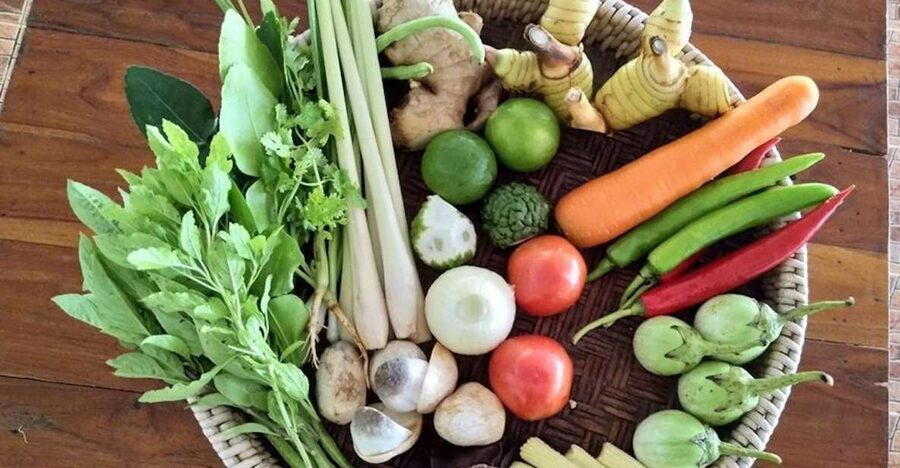
This class is not light snacking. You’ll end up with a lot of food because you’re cooking multiple dishes per person and then eating what you make.
That’s why the price feels fair. You’re paying for ingredients, equipment, instructor time, and the fact that your meal is built in—plus you’re leaving with a recipe book to use later. You’re also learning practical cooking steps you’d otherwise have to guess at when you try to recreate dishes on your own.
Another real-world bonus: you can often take food back in takeaway containers, especially when the group produces a bigger volume than anyone can finish. So even if you’re not a huge eater, you’re not leaving hungry.
Comfort tips: what to wear and how to not feel miserable
This is a warm, hands-on class. Even with fans, you’ll be near heat while you cook. A few comfort choices will make a big difference:
- Wear comfortable shoes. You’ll stand and move around while cooking.
- Choose breathable clothes. Humidity + wok heat is a real combo.
- Don’t show up overstuffed. Many people recommend going hungry enough to enjoy everything you cook.
Also note what you bring: there’s no mention of strict restrictions on what you carry beyond avoiding luggage or large bags. Keep it simple so you can move around comfortably.
Price and value: does $57 make sense in Krabi?
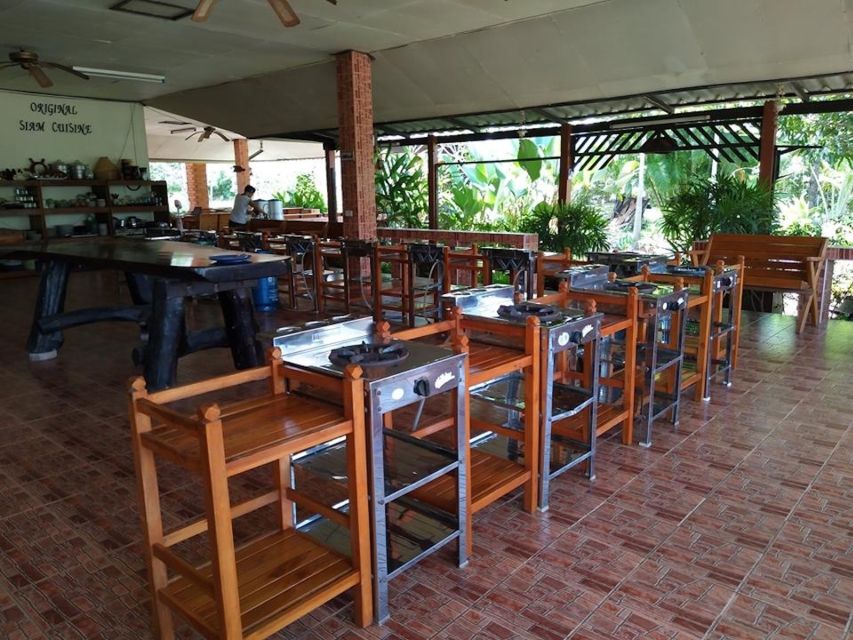
For $57 per person, you’re getting a 3.5-hour experience with hotel pickup and drop-off in Ao Nang, plus raw ingredients, cooking equipment, and an apron. You’re also paying for small-group attention (up to 8 people) and English instruction.
The best value part is the output. You’re not just tasting Thai food; you’re learning to make it. That cookbook is the anchor. It turns the class into something you can repeat, which is the difference between a one-time activity and a real skill.
If you’re staying elsewhere besides Ao Nang, watch for extra fees for pickup and drop-off from Klong Muang, Tubaek, and Railay. That can change the effective value. But if you’re in the Ao Nang area, the package is pretty straightforward.
Also consider what you choose. If you pick dishes like curry pastes, som tam, Pad Thai, and coconut curries, you cover a lot of Thai cooking styles in one session. That’s a smart use of time if you’re only in Krabi a few days.
Who should book this cooking class
This is a great fit if:
- You love Thai food and want to understand how it’s built
- You want hands-on instruction in English
- You prefer small groups and clear guidance
- You’re interested in practical techniques: stir-frying, curry bases, and salad dressing
It’s not a great match if:
- You hate warm cooking environments
- You don’t want to stand and actively cook
- You’re traveling with children under 12 (the class is not suitable for kids under 12)
If you’re a vegetarian traveler, this is also one of the better options. The dishes can be made vegetarian, and non-spicy versions are available, so you can focus on learning technique and flavor without getting overwhelmed by heat.
Should you book this Krabi cooking class?
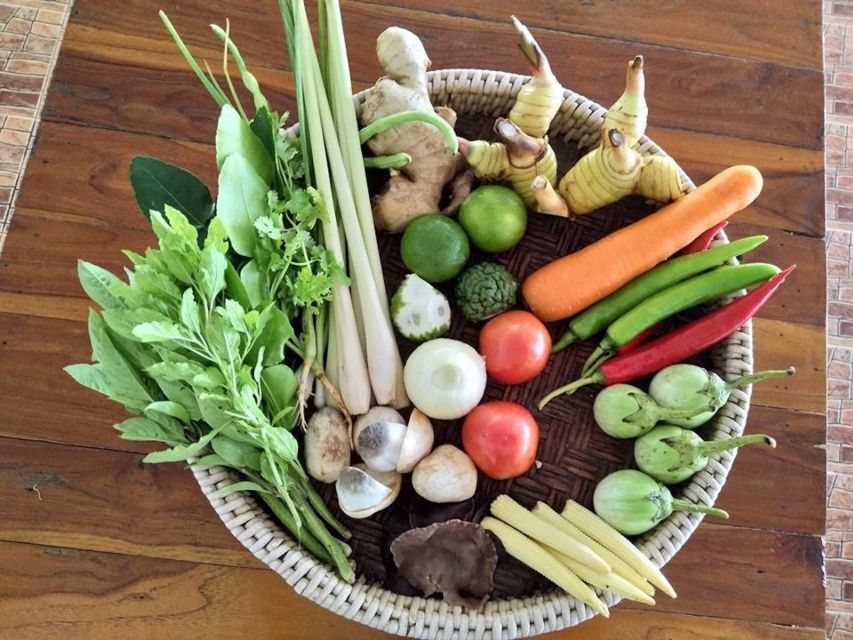
Yes, I’d book it if you want a serious Thai cooking lesson that still feels fun and social. The small group size, English instruction, and the way you cook multiple dishes make it worth the time. The recipe book is a strong reason to take the class seriously, because it gives you something to practice after you go back home.
Book it especially if you like variety. You can build a dish mix from curries, noodles, stir-fries, and salads, and you’ll get enough cooking repetitions to remember how the process works.
FAQ
FAQ
How long is the Krabi traditional Thai cooking class?
The class lasts about 3.5 hours.
Is hotel pickup and drop-off included?
Hotel pickup and drop-off are included from Ao Nang hotels. Pickup from Klong Muang, Tubaek, and hotels on Railay has an additional fee.
How many dishes do I cook?
You choose four dishes per person from the listed options. The exact number of dishes cooked can vary slightly by time slot.
Can you make the dishes vegetarian or non-spicy?
Yes. All dishes can be made vegetarian or non-spicy based on your preference.
What dishes are available?
Menus change slightly by time slot. Options include items like massaman curry, green curry, panang curry, Pad Thai, curry pastes, tom yam goong, tom kar kai, som tam, and mango sticky rice, among others.
How big is the group?
It’s a small group with a maximum of 8 participants.
Is the instructor English-speaking?
Yes, instruction is in English.
What should I bring, and is luggage allowed?
Wear comfortable shoes and comfortable clothes. Avoid bringing luggage or large bags.
Is there free cancellation?
Yes, you can cancel up to 24 hours in advance for a full refund.