REVIEW · ROME
Rome: Pasta and Tiramisu Cooking Class with Prosecco
Book on GetYourGuide →Operated by Show Me Italy · Bookable on GetYourGuide
Rome is best when you cook, not just watch. This 3-hour class turns a typical evening into a hands-on meal: you’ll learn to shape fresh fettuccine and build a classic tiramisu step by step, with drinks flowing as you go. I like how practical it is—flour on your hands, questions encouraged, and real technique you can repeat later.
My other favorite part is the full payoff. You don’t just go home with recipes; you sit down to eat the pasta you made, then finish with the tiramisu you assembled. One caution: this experience uses gluten and dairy, and it’s not a fit for gluten intolerance, vegan, or lactose-free diets. Late arrivals also can’t join or be refunded.
In This Review
- Key Takeaways Before You Go
- A 3-Hour Roman Kitchen Party: Pasta, Tiramisu, and Real Technique
- Finding the Meeting Point (and Planning for a Timely Arrival)
- Prosecco Welcome and Tiramisu Set-Up: Where the Dessert Starts
- Handmade Fettuccine: Learning the Texture Before You Cut
- Cooking With a Local Chef: Notes on Style, Language, and Pace
- Dinner With Your Own Pasta: Wine, Comfort, and a Finished Plate
- The Best Ending: Finishing With Your Own Tiramisu
- Price and Value: Why $34 Makes Sense for an Included Dinner
- Practical Tips to Get the Most Out of the Class
- Who Should Book (and Who Should Skip It)
- Should You Book This Pasta and Tiramisu Class?
- FAQ
- How long is the Rome pasta and tiramisu cooking class?
- What’s included in the price?
- Is transport or pickup included?
- What dietary restrictions can the class accommodate?
- What language is the instructor?
- What should I bring, and what happens if I’m late?
Key Takeaways Before You Go
- Prosecco welcome + local wine with dinner keeps the evening relaxed and festive
- Hands-on fettuccine teaches you the texture and timing that make pasta feel Italian
- Tiramisu built by hand so you understand layering, chilling, and results
- Small-group vibe means you get real attention from the chef during both sessions
- Roman sauce options can include carbonara and cacio e pepe, depending on what you’re taught
- No pickup means you’ll want to plan your arrival to the meeting point on time
A 3-Hour Roman Kitchen Party: Pasta, Tiramisu, and Real Technique
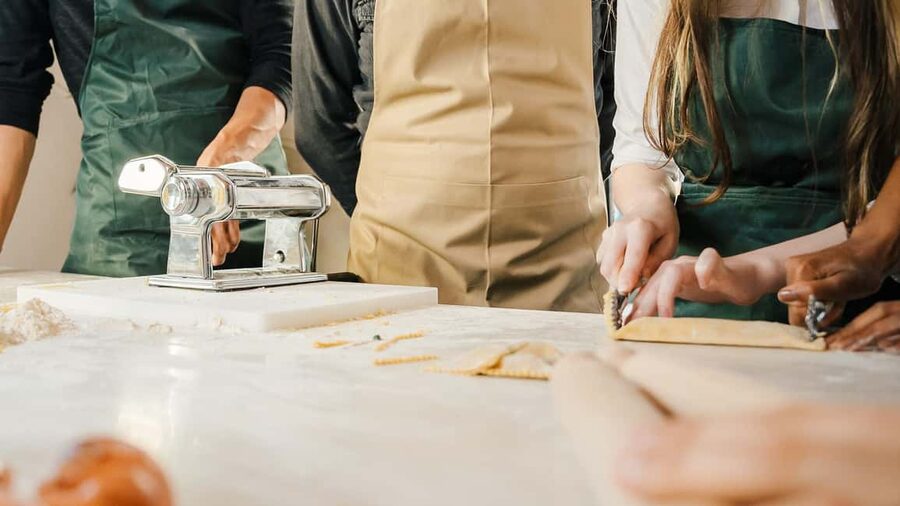
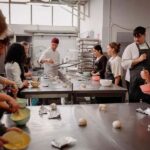
This class is simple in the best way. You come to a small Roman setting, get welcomed with a glass of Prosecco, and then you actually make the two things people line up for in Italy: fresh pasta and tiramisù. In a country where food is culture, that matters. You’re not memorizing steps—you’re learning the feel.
The rhythm is smart for a short evening. You start with tiramisù while the dessert is still easy to assemble, then you shift to pasta-making when you’re warm and ready to work. When it’s time to eat, you’re rewarded with your own handmade dinner, not a demo plate.
And because it’s a local-chef-led experience, you also pick up the why behind the how. For example, how pasta dough should look and behave before cutting, or how tiramisù layering changes as it chills. Those small lessons are what make the result taste like Italy instead of just looking like it.
You can also read our reviews of more tours and experiences in Rome.

Finding the Meeting Point (and Planning for a Timely Arrival)

One practical detail can make or break your evening: transport/pickup isn’t included. That means you’ll want to map your route to the meeting point in advance and build in buffer time. If you arrive late, you can’t join and it isn’t refundable—so treat this like a reservation, not a flexible stop.
What you can do to keep it stress-free:
- Wear comfortable shoes (you’ll likely stand and work at counter height)
- Dress casually (aprons are provided, but you still don’t want to suffer)
- If you’re traveling with a group, arrive together so you don’t lose time to sorting late arrivals
Also, check the booked option, because the meeting point may vary. If your itinerary is tight (Colosseum in the morning, dinner plans at night), I’d schedule this class on a day when you don’t have to race across town at the last minute.
Prosecco Welcome and Tiramisu Set-Up: Where the Dessert Starts
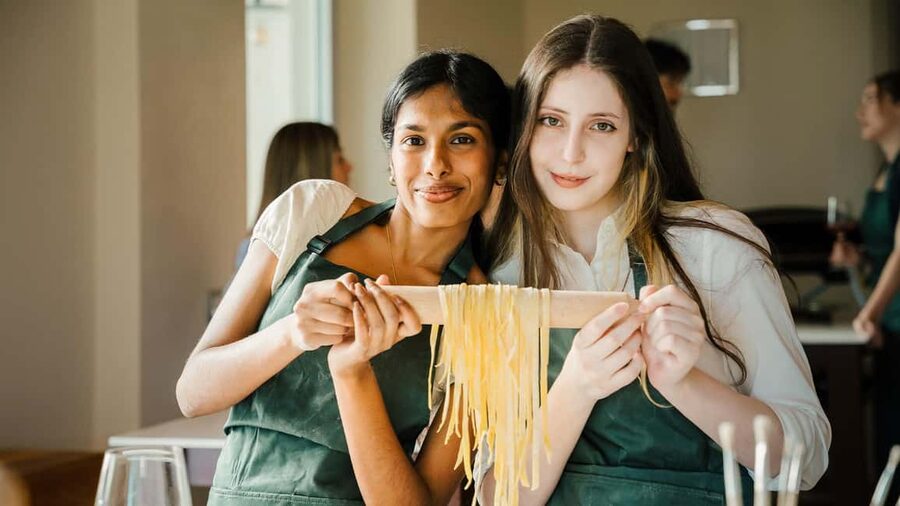
You’ll begin with a chilled glass of Prosecco and a warm Roman-style welcome. This isn’t just a courtesy drink. It sets the tone—relaxed, social, and ready for hands-on cooking—so you can focus on learning instead of worrying about logistics.
Then you move into tiramisù production. The core idea is that tiramisù is both assembly and timing. You’ll whisk and layer, creating the structure that will hold up after chilling. Since the dessert needs time to set, your class schedule is built to keep that process moving while you transition to pasta.
If you’ve had tiramisù before and thought it was either too wet or too firm, this is where you’ll understand the difference. The chef guidance helps you learn how to balance the components as you build—so the finished dessert has that classic creamy texture instead of a sad, uneven layer.
Handmade Fettuccine: Learning the Texture Before You Cut
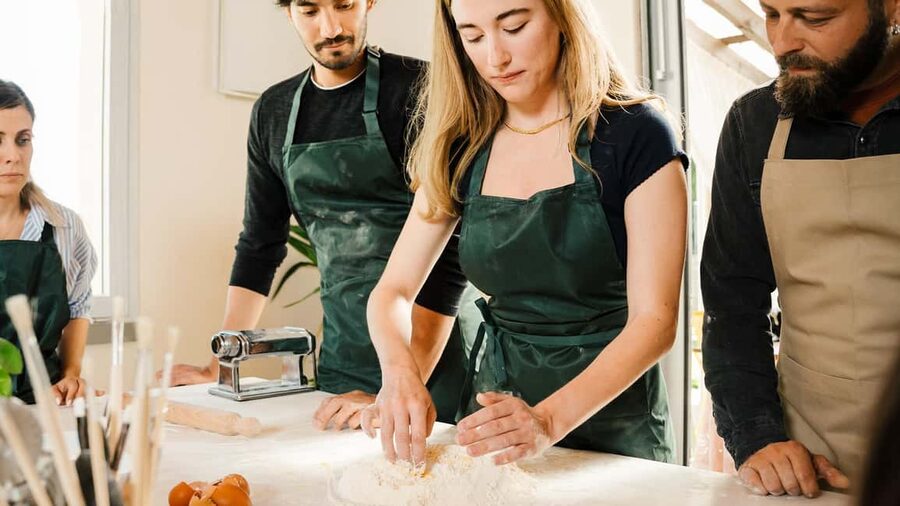
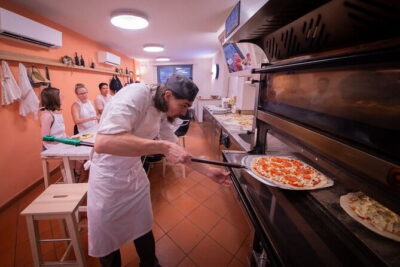
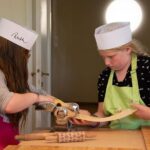
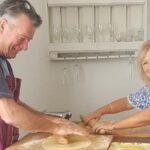
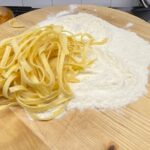
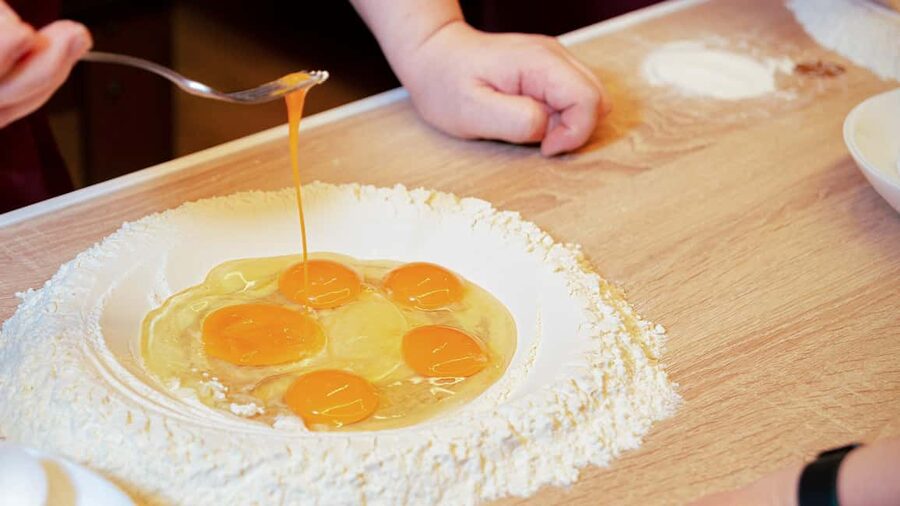
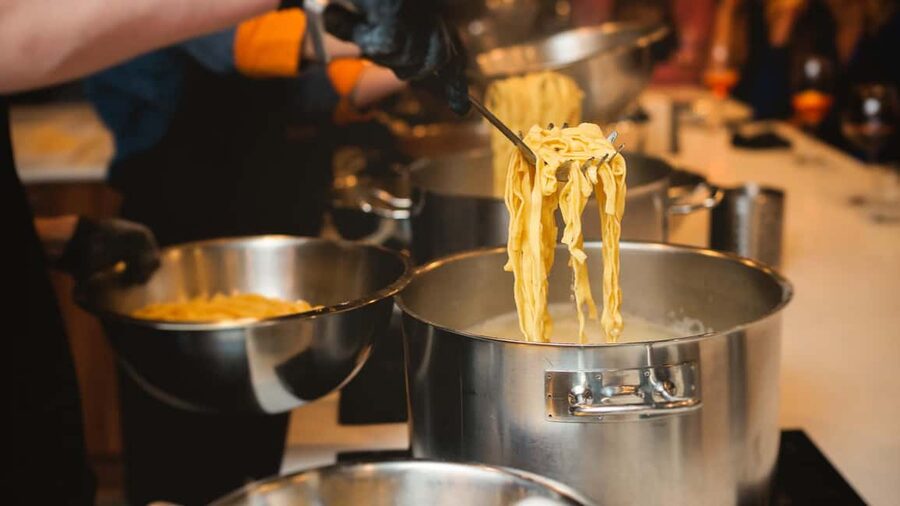
Once tiramisù is underway, the flour comes next. This is the part most people remember because you can feel the dough change as you work it. You’ll learn to craft fresh fettuccine the traditional way: by hand—and you’ll do it in a guided setting with ingredients, equipment, and aprons provided.
Why that matters: store-bought pasta is convenient, but fresh pasta has a different bite and takes sauce differently. When you make it yourself, you notice how the dough stretches, how it holds shape, and how thinness affects how it cooks.
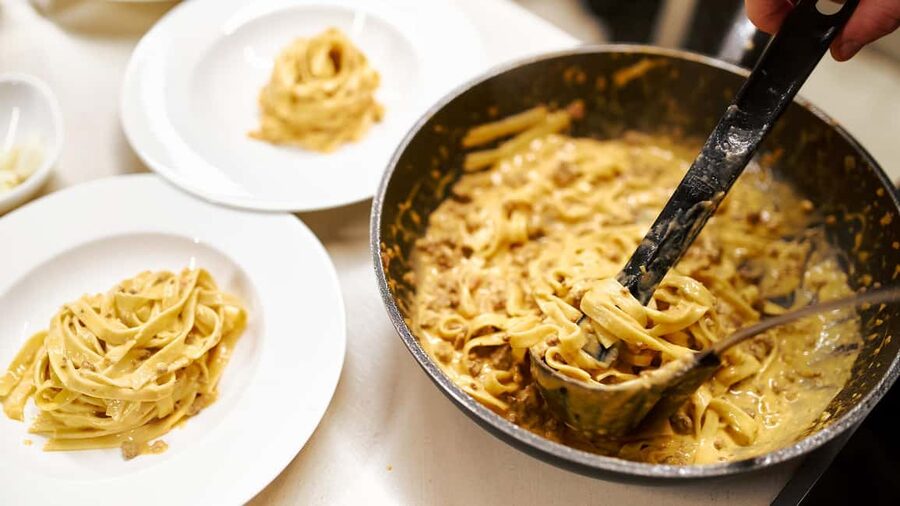
You’ll also hear about sauces that Rome is known for, like creamy carbonara and the sharp, pepper-forward cacio e pepe. Even if you don’t build every sauce from scratch in the class, the chef’s explanations help you understand what each sauce needs and why it pairs well with fresh pasta.
Also, you’ll likely pick up small technique cues—things like how to manage the dough while working, or how to keep your flour from turning the table into a mess. Those are the kinds of details that make your home attempt successful instead of frustrating.
Cooking With a Local Chef: Notes on Style, Language, and Pace
This is instructor-led, and the language options are broad: English, Spanish, Italian, Portuguese, French, and German. That flexibility helps if you’re traveling with friends who don’t all speak the same language.
In some sessions, guides like Shryis or Sherry have led the steps, and the team can add extra Rome-friendly tips along the way. One team member named Ree has been mentioned as offering useful guidance for the best views in the city—so even if you came for pasta, you may leave with a short list of places to see afterward.
The pace is also worth noting. It’s paced for learning, not speed. That’s important in a food class where the goal is to understand texture and timing. If you prefer recipes that make sense rather than just instructions you rush through, this format fits well.


Dinner With Your Own Pasta: Wine, Comfort, and a Finished Plate
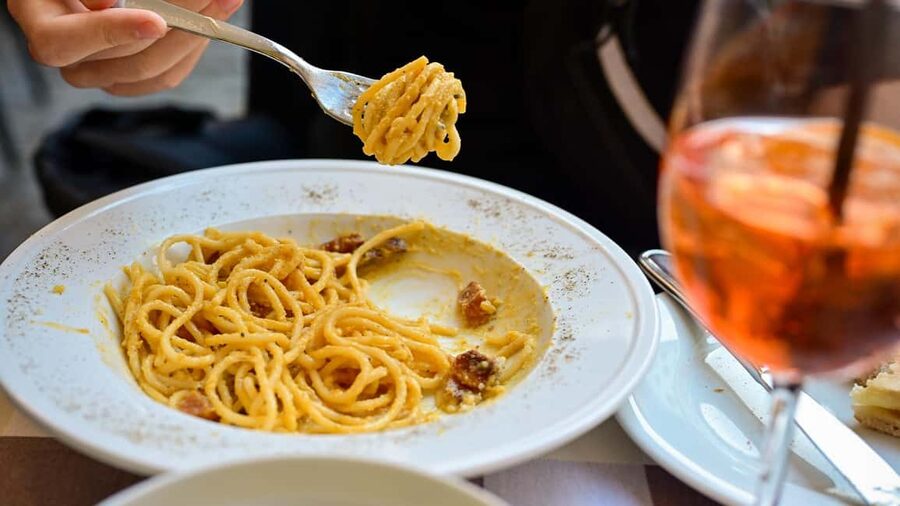
Here’s where the evening pays off: you sit down for dinner and eat the handmade pasta you made during the session. That’s a big value piece—most activities like this offer a tasting or a sample. This one is built for you to actually enjoy your work.
Local wine is included with the meal, which pairs naturally with the kind of Italian flavors you’re learning. You’re not guessing about what goes with what. You’re eating in the same spirit as the cooking lesson.
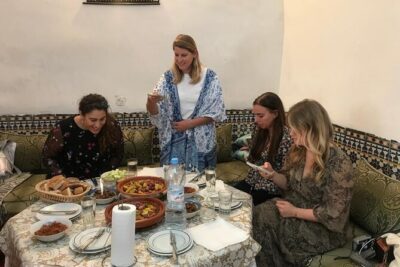
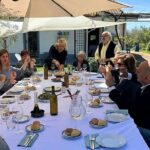
The atmosphere is part of the experience too. You’re sharing the table with your small group, trading quick food questions, and learning how other people handled their dough or got their tiramisù layers to look right. If you’re the type who likes social travel without the chaos, this tends to feel like a friendly evening at an Italian friend’s place—work first, then dinner.
The Best Ending: Finishing With Your Own Tiramisu

Tiramisu is the grand finale, and it’s not random. Your class schedule is designed so your dessert can chill and set while you’re busy with pasta. Then you end your feast with the tiramisù you made—sweet, satisfying, and properly made instead of store-bought.
This is also where you’ll learn the difference between tiramisù that’s merely tasty and tiramisù that’s balanced. When the layers are built well and given the right resting time, you get that creamy texture with structure, not a watery mess.
If you want a home takeaway, this is the moment. You’ll know what the finished version should look and feel like, which makes it easier to replicate later.
Price and Value: Why $34 Makes Sense for an Included Dinner
At $34 per person for a 3-hour cooking class, the value is mostly in what you’re actually getting. You’re paying for:
- Prosecco as a welcome drink
- A tiramisù making session
- A pasta-making session (fettuccine by hand)
- Dinner with your handmade pasta
- Local wine with the meal
- Your tiramisù dessert
- Ingredients, equipment, and aprons provided
So your cost isn’t just for a “class.” It includes a full food experience—two major Italian dishes, plus drinks, plus the materials. In practical terms, it can be cheaper than paying for both dinner and a cooking workshop separately.
The main reason it’s a good deal is that you finish with a real meal you helped create. That’s the type of value that sticks after the trip.
Practical Tips to Get the Most Out of the Class
You don’t need to be a kitchen wizard. But if you want this to feel smooth, do a few smart things:
- Wear comfortable shoes. You’ll be standing and moving around.
- Use comfortable clothes you don’t mind getting flour dusted.
- Come hungry but not overly stuffed. You’ll be eating dinner at the end.
- If you have dietary restrictions, inform the team in advance. This includes gluten and dairy, so you may be directed toward another option if your needs can’t be accommodated.
Also, keep your expectations realistic. It’s three hours. You’ll learn key techniques and make the dishes, but you won’t cook a full Italian restaurant menu. That’s okay. The focus here is results and hands-on learning.
Who Should Book (and Who Should Skip It)
This class is a great fit if you:
- Want a hands-on Rome experience that goes beyond sightseeing photos
- Love Italian food and want to learn technique you can repeat
- Prefer a relaxed, small-group setting with dinner at the end
- Enjoy guided instruction more than reading recipes later
You might want to skip it if you:
- Need vegan or lactose-free options (it includes dairy and can’t accommodate those diets)
- Have gluten intolerance (gluten is part of the experience)
- Are likely to be late. Late arrivals can’t join.
If your travel style is “learn something real, then eat it,” this hits the mark.
Should You Book This Pasta and Tiramisu Class?
I think you should book if you want a short, high-reward evening that teaches you core Italian techniques while feeding you a complete meal. The combination of hands-on fettuccine, tiramisù you build yourself, and included wine makes it feel like more than a workshop. It’s a genuine Roman dinner experience.
I’d only hesitate if you have strict dietary limits (gluten and dairy) or if your schedule is tight enough that arriving on time is unlikely. In that case, look for an alternative that matches your needs.
If your goal is a memorable evening that feels authentically Italian, this is a very solid choice.
FAQ
How long is the Rome pasta and tiramisu cooking class?
The experience lasts 3 hours, depending on the starting time available.
What’s included in the price?
You get a Prosecco welcome drink, tiramisù making session, pasta making session, dinner with handmade pasta, local wine, and tiramisù dessert. Ingredients, equipment, and aprons are also provided.
Is transport or pickup included?
No. Transport/pickup is not included, and you’ll need to reach the meeting point on your own.
What dietary restrictions can the class accommodate?
It contains gluten and dairy, and it cannot accommodate vegan or lactose-free diets. It’s also not suitable for people with gluten intolerance. You should inform the team in advance if you have any dietary restrictions.
What language is the instructor?
The instructor can teach in English, Spanish, Italian, Portuguese, French, or German.
What should I bring, and what happens if I’m late?
Bring comfortable shoes and comfortable clothes. Late arrivals cannot join or be refunded.
If you want, tell me your travel dates and whether you have any food restrictions, and I’ll help you decide if this fits your schedule and appetite.