REVIEW · LAGOS
Portuguese Cooking Class: Algarve’s Pork & Seafood Cataplana
Book on Viator →Operated by The Kitchen · Bookable on Viator
This cataplana class in Lagos turns a classic coastal dish into something you can actually make. You’ll learn pork-and-seafood Cataplana step by step, then sit down for an Algarve-style meal built around the same flavors. It’s the kind of practical cooking experience that leaves you with both skills and a full stomach.
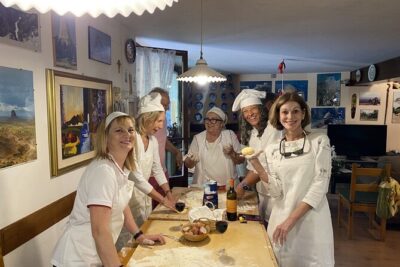
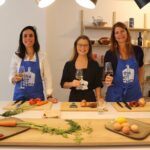
I really like the small group size (max 8) and the fact that it’s led by Joana (with her mom), which keeps the lesson lively and easy to follow. I also appreciate that you’re not just watching— you assemble the traditional cataplana and cook it, then taste what you made.
One thing to consider: the price is set as a full experience with meal and wine included, so it’s best value if you’ll eat the whole program rather than treating it like a quick snack lesson.
In This Review
- Key things to love about this cataplana cooking class
- Cooking Algarve flavors in Lagos: what this experience is really about
- Where the class starts at The Kitchen (and how the setup helps you learn)
- The Algarve meal you get while your Cataplana is fresh (starter, wine, dessert)
- From pork prep to seafood in the pan: how the class teaches the technique
- Why Joana’s teaching style makes the learning stick
- What you take home: the Cataplana PDF recipe and your next home-cook win
- Price and value: what you’re paying for in this $150.51 class
- Timing and practical planning for your Lagos day
- Who this cataplana cooking class suits best (and who should skip it)
- Should you book the Algarve pork and seafood cataplana class?
- FAQ
- How long is the Portuguese Cooking Class in Lagos?
- What dish will I learn to cook?
- Is the class offered in English?
- What’s included in the meal?
- Do I get a recipe to take home?
- What if I want more than two glasses of wine?
- How many people are in the group?
- Where does the class meet?
- Is there free cancellation?
Key things to love about this cataplana cooking class
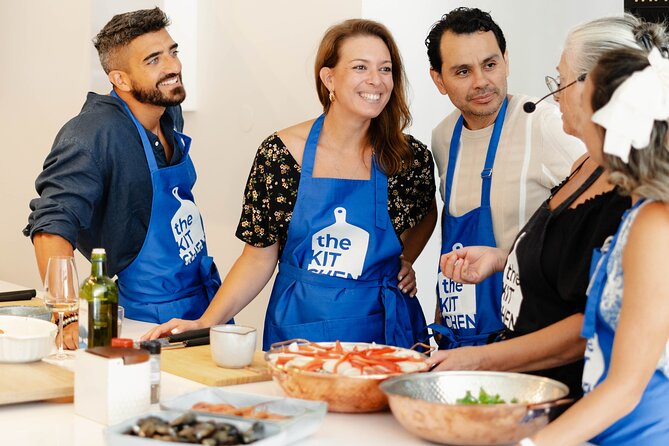
- Hands-on Cataplana training from ingredient prep to assembling the traditional pan
- Joana’s energy (taught with her mom), making the evening fun as well as educational
- Algarve meal included: starter, Cataplana main, dessert, water, and two glasses of wine
- Recipe PDF after class so you can recreate it later at home
- English instruction with a maximum of 8 travelers, so questions don’t get lost
- Traditional cookware and ingredients provided, so you don’t need to buy anything
Cooking Algarve flavors in Lagos: what this experience is really about
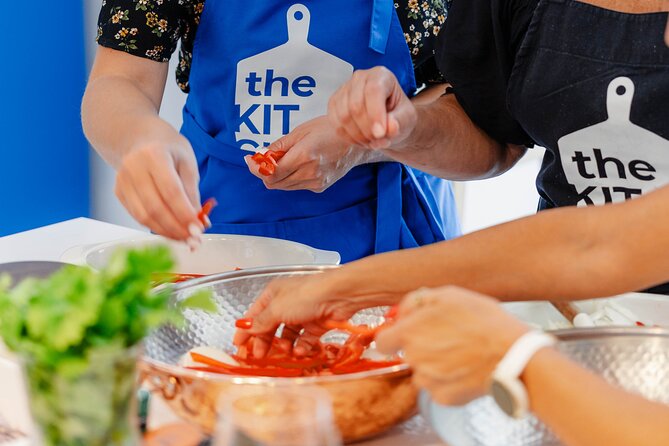
If you care about eating well on vacation, this class does something better than a lot of food tours: it gives you a real technique. Cataplana isn’t just a dish name—it’s a way of cooking that’s closely tied to southern Portugal’s seafood culture, and the chef walks you through that context while you work.
In a place like Lagos, where seafood is part of everyday life and markets shape menus, it makes sense to learn a coastal specialty rather than a generic pasta-style lesson. You’ll leave knowing how pork and seafood can share the same cooking world in one pot, with the flavor balancing that makes Cataplana so memorable.
And you’ll do it with your hands, not just your eyes. The class covers preparing pork, seafood, and essential ingredients, then assembling the traditional Cataplana pan, and finally cooking the dish to perfection. That combination matters because it’s how you turn instructions into repeatable results.
You can also read our reviews of more tours and experiences in Lagos.

Where the class starts at The Kitchen (and how the setup helps you learn)
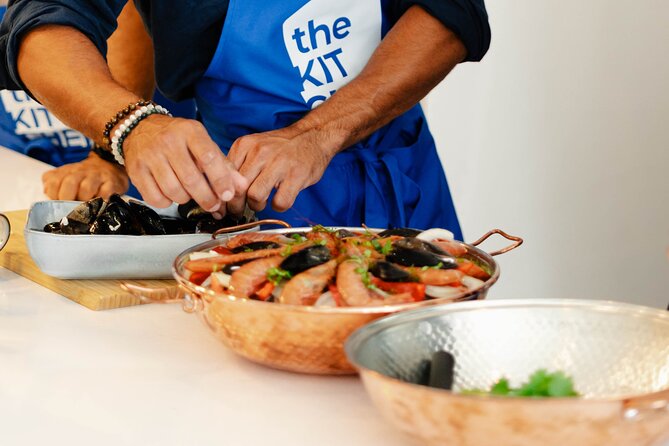
The class begins at Rua Lucinda Anino dos Santos F, 8600-722 Lagos, and the activity ends back at the meeting point. It’s close to public transportation, which is helpful if you’re balancing this with beach time, old-town wandering, or a day trip.
Inside, the big advantage is that everything is arranged for learning. You’re provided with the traditional cookware and the ingredients, so you’re not stuck trying to figure out what to buy or how to substitute back home. That also means the chef can focus on process: timing, assembly, and the way the flavors come together in the Cataplana.
The group size is capped at 8 travelers, and that’s a meaningful detail. With fewer people, you’re more likely to get real answers to questions and not just watch someone else work. It also keeps the pace comfortable during a 2.5-hour session, where you need enough time to cook and still enjoy the meal.
The Algarve meal you get while your Cataplana is fresh (starter, wine, dessert)
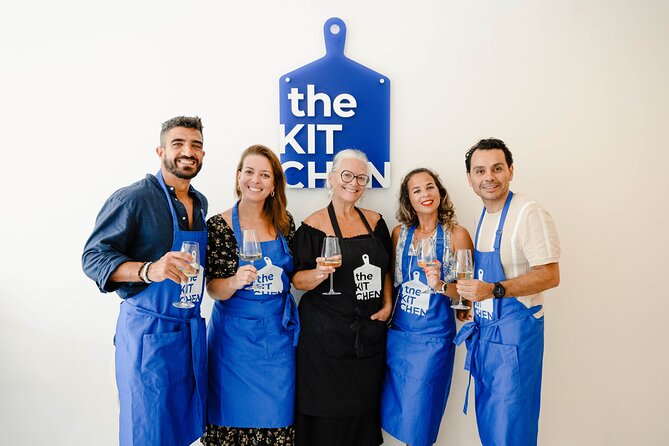
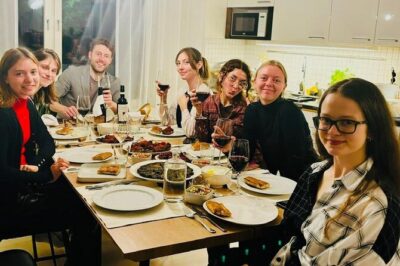
This isn’t a standalone cooking lesson with a sad cracker at the end. The program includes a full meal: starter, dessert, water, and two glasses of wine. That’s a lot of value baked in, because you get to eat what you learned about, right after the cooking happens.
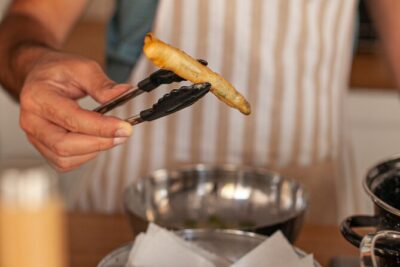
Your starter is Portuguese flame-grilled chorizo. It’s a great opening choice because it sets expectations for the kind of smoky, spiced flavors that show up across Portuguese cooking. Then comes the main event: Cataplana – Pork and seafood, made with what you’ve prepared during class.
Dessert is included too, and while the exact option isn’t specified, you’ll get a typical dessert from the Algarve. The takeaway for you is that the meal follows a regional logic: savory first, then a sweet finish that feels like it belongs here, not just a standard tourism dessert.
The wine setup is also worth noting. You’ll receive two glasses of wine with the meal. If you want more, extra glasses cost €5 each, paid in cash. I like that this is spelled out clearly— it prevents the usual awkward surprise of trying to figure out what’s included in the drink budget.
From pork prep to seafood in the pan: how the class teaches the technique
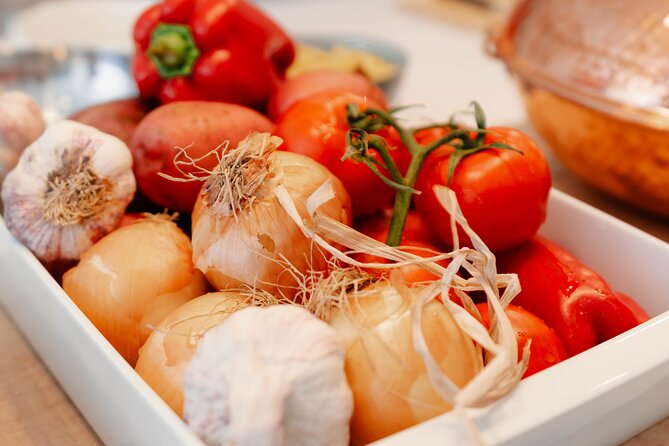
The core of this experience is learning how to build Cataplana correctly, not just “cook something Portuguese-ish.” You’ll be guided through each step, including preparation of the pork and seafood, plus the other essential ingredients the dish needs.
Here’s why that matters for you: many at-home attempts fail because the cook gets the recipe but misses the sequence. This class is designed to help you understand the order— what comes first, how the pan is assembled, and how you finish the cooking so the flavors blend instead of tasting separate.
During the session you’ll:
- Prepare the pork and seafood, along with essential supporting ingredients
- Assemble the traditional Cataplana pan the intended way
- Cook the dish so it reaches the right flavor balance
At the end, you taste your own Cataplana. That tasting step is not a throwaway moment. It’s how you calibrate your instincts for next time— you learn what success tastes like, so when you cook later, you’ll know what to aim for.
Also, the chef shares the history and cultural significance of Cataplana as you go. That’s helpful because it turns the recipe into something you understand, not just memorize. When you know why a dish is built the way it is, you’re more likely to cook it confidently even with slight substitutions.
Why Joana’s teaching style makes the learning stick
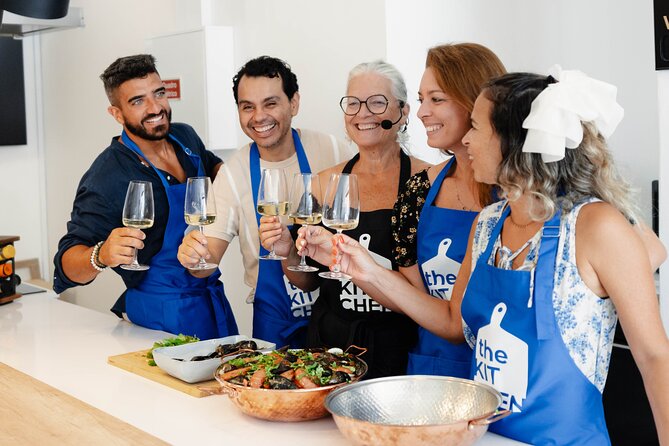
One of the standout parts of this class is the human energy. It’s taught by Joana, with her mom involved in the evening, and the tone is upbeat and welcoming. You can feel the difference between a class that’s merely instructional and one that’s genuinely fun to be in.
That matters because 2.5 hours can feel long if you’re standing around. Here, the enthusiasm helps keep you engaged while you’re prepping and assembling. It also makes questions easier to ask. And when you’re learning a dish with a specific cooking vessel and a defined sequence, that kind of support makes a real difference.
You’ll also learn about Portuguese foods and wines along the way. Even if you’re not a wine expert, the class gives you enough context to understand what you’re drinking with the meal. For me, that’s part of the value: you don’t leave with only a recipe; you leave with a sense of how flavors and drinks connect in Portugal.
What you take home: the Cataplana PDF recipe and your next home-cook win
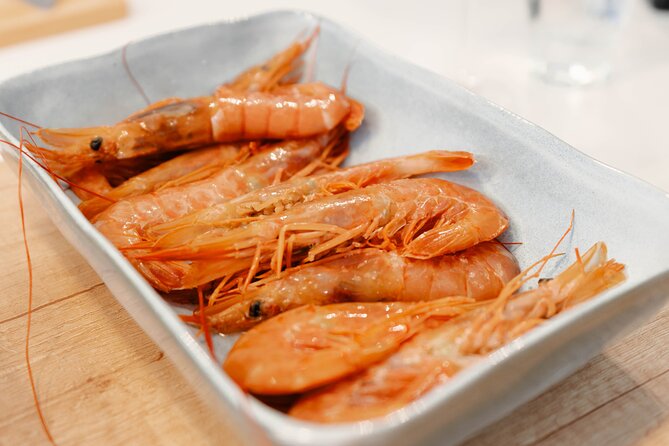
The best souvenir here isn’t a magnet. After the experience, you’ll receive a PDF of the recipe so you can recreate your Cataplana at home.
For you, that’s practical for two reasons:
- You can cook again without trying to remember everything from a single lesson.
- You’ll have a written version you can adjust to your kitchen— if your seafood choices change or if your timing is slightly different.
I also like the way the class is framed around doing the meal yourself and then building on it later. When a cooking class includes both a finished meal and a clear take-home recipe, you get immediate satisfaction plus long-term usefulness.
If you’re the type who likes to cook for friends when you return home, this is the kind of dish that gets attention. Cataplana sounds like a specialty— but with the PDF in hand, it’s within reach rather than an “I’ll figure it out later” fantasy.
Price and value: what you’re paying for in this $150.51 class
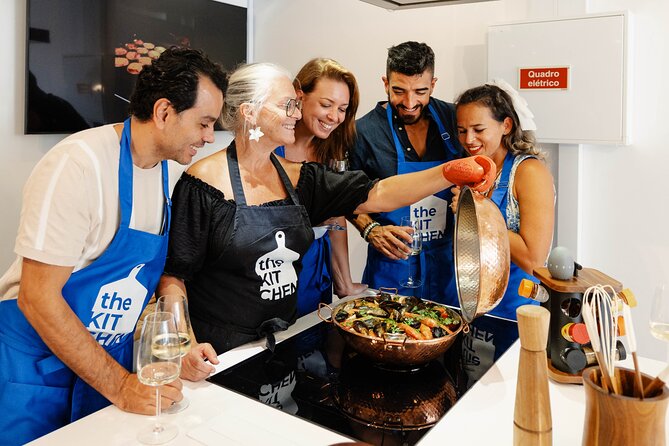
At $150.51 per person, this is not a budget-only activity. But it’s also not overpriced in the way some cooking classes are, because you’re not paying just for cooking instruction.
You’re paying for:
- All ingredients and traditional cookware
- Chef-led guidance through pork, seafood prep, pan assembly, and cooking
- A complete meal (starter, your Cataplana main, dessert, plus water)
- Two glasses of wine
- An after-class PDF of the recipe
- A small group limit of 8 travelers
When you add those pieces up, the class becomes closer to a full evening experience than a short demonstration. It’s especially good value if you were already planning to eat a proper dinner in Lagos. Instead of paying separately for food and a casual activity, you get both in one go.
One more angle: this is in English, which can matter a lot for comfort and learning quality. If you’re spending your vacation in a second language, you want an experience where you can actually follow the technique. Here, you can.
Timing and practical planning for your Lagos day
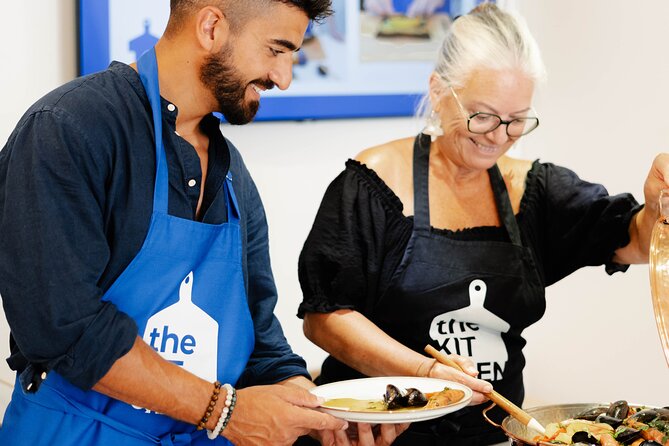
The class runs about 2 hours 30 minutes. That’s long enough for real cooking work and tasting, but short enough that you still have room for dinner plans or an evening stroll afterward.
It’s typically booked around 59 days in advance on average, so if you’re traveling during peak season or specific dates, don’t wait too long. You’ll also want to arrive with a mindset of eating and enjoying. This isn’t a quick bite where you can snack later and call it done.
Also, because extra wine is €5 per glass paid in cash, I recommend carrying some cash just in case you want more. It’s a small detail, but it removes the friction if you decide the wine is worth a second round.
Who this cataplana cooking class suits best (and who should skip it)
This class is ideal if you want:
- A hands-on Portuguese cooking experience in Lagos
- A guided lesson on pork and seafood Cataplana
- A small group setting where you can actually ask questions
- An English-friendly evening meal with wine and dessert included
It’s also great if you like learning through doing. You’re not just sampling; you’re preparing, assembling, cooking, and tasting.
You might skip it if:
- You only want a light tasting experience and don’t care about cooking
- You’re trying to keep your schedule ultra-tight (2.5 hours is still a commitment)
- You prefer an experience that’s purely walking and sampling instead of cooking and eating in one setting
Should you book the Algarve pork and seafood cataplana class?
I’d book it if you want a real skill, not just a nice dinner with a story attached. The combination of small group size, chef-led instruction, and the full included meal makes this one of the more practical food experiences in Lagos.
Also, the fact that you get a PDF recipe means the value doesn’t end when you leave the table. You’ll have a starting point for making Cataplana again later, which is exactly what you want from a cooking class.
If you’re on the fence, ask yourself one question: do you want to come home with a dish you can repeat? If yes, this is a smart bet.
FAQ
How long is the Portuguese Cooking Class in Lagos?
It runs about 2 hours 30 minutes.
What dish will I learn to cook?
You’ll learn to make Cataplana featuring pork and seafood.
Is the class offered in English?
Yes, the class is offered in English.
What’s included in the meal?
You get an appetizer, the Cataplana main, dessert, water, and two glasses of wine.
Do I get a recipe to take home?
Yes. After the experience, you’ll receive a PDF recipe.
What if I want more than two glasses of wine?
Extra glasses cost €5 each and are payable in cash.
How many people are in the group?
There is a maximum of 8 travelers.
Where does the class meet?
It starts at Rua Lucinda Anino dos Santos F, 8600-722 Lagos, Portugal, and ends back at the meeting point.
Is there free cancellation?
Yes, you can cancel for a full refund up to 24 hours in advance.