REVIEW · VENICE
Venice: Cooking Class with Tiramisu and Pasta Making
Book on GetYourGuide →Operated by 'MORE di Nicolò Gemin · Bookable on GetYourGuide
Venice tastes better when you cook it. This hands-on Venice cooking class turns a 16th-century palace kitchen into your classroom, with a chef guiding you through fresh pasta and tiramisu you’ll actually make and eat. I like that it’s not a passive show, and that the teaching includes real recipe stories you can take home.
Two big things to love: you work like part of a real kitchen team, not just a class, and you get a family-style meal at the end using what you made. One possible drawback to plan for is the staircase setup: the class is on the top floor with no elevator, so the location rewards comfortable shoes and good knees.
In This Review
- Quick take: should you do it?
- Key highlights to know before you go
- A real Venetian-kitchen night, not a scripted demo
- What you’ll learn: fresh pasta, tiramisu, and a Venetian-style sauce
- Part 1: Hands-on cooking (the skill-building chunk)
- Part 1 includes the “kitchen brigade” rhythm
- Part 2: Family-style meal (the payoff)
- The palace setting: charming, historic, and mildly staircase-heavy
- Drinks, dessert, and the small extras that make it feel complete
- Homemade limoncello and espresso
- Wine included in a practical way
- Small farewell gift
- What the class feels like in real life (based on past experiences)
- 1) Chefs teach clearly and patiently
- 2) You’ll likely meet friendly people
- 3) The food quality lands
- Price and value: $85 for a full evening of hands-on cooking
- Who should book this Venice pasta and tiramisu class
- You might want to skip or reconsider if:
- Practical tips so you enjoy the class more
- Should you book the Venice cooking class for tiramisu and pasta making?
- FAQ
- How long is the cooking class?
- What recipes will I learn to make?
- Is the class hands-on?
- Where does the class take place?
- What’s included in the price?
- What should I bring and wear?
- Is there any meal or drink info I should know about?
Quick take: should you do it?
If you want a dinner you’ll remember, this is a strong pick. It’s also a good social experience, since you’ll cook and eat with others in a small group setting.
Key highlights to know before you go
- A chef-led, hands-on kitchen brigade feel where you do the work, not just watch
- Fresh pasta + tiramisu taught with step-by-step clarity from instructors like Mauro, Anthea, and Jackamo
- 16th-century Venetian palace setting on the third/top floors, no elevator
- Family-style meal after cooking, with homemade limoncello, espresso, and a small farewell gift
- Wine service included (one bottle shared for every three people)
- Recipe stories and Venetian tradition tying together techniques and flavors
You can also read our reviews of more tours and experiences in Venice.

A real Venetian-kitchen night, not a scripted demo
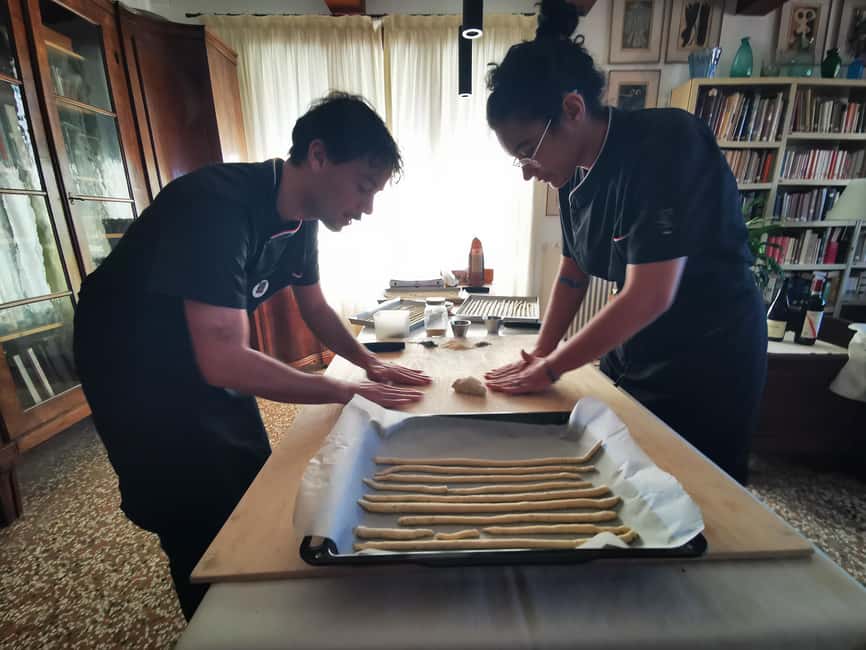
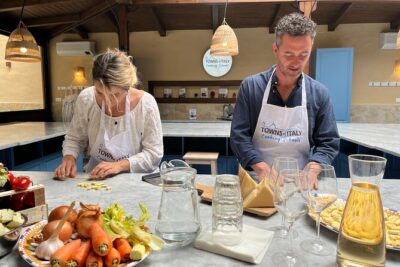
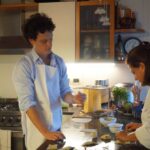
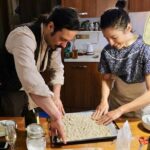
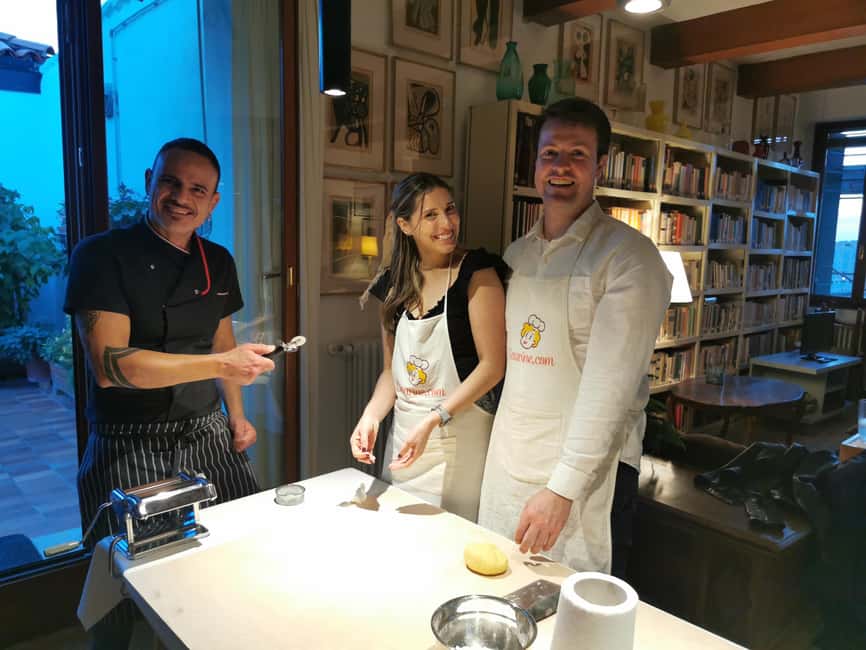
This class is built around one idea: teamwork in the kitchen. You’ll be guided by a professional chef, and the experience is designed so you’re active throughout, like you belong in the room where the food is made.
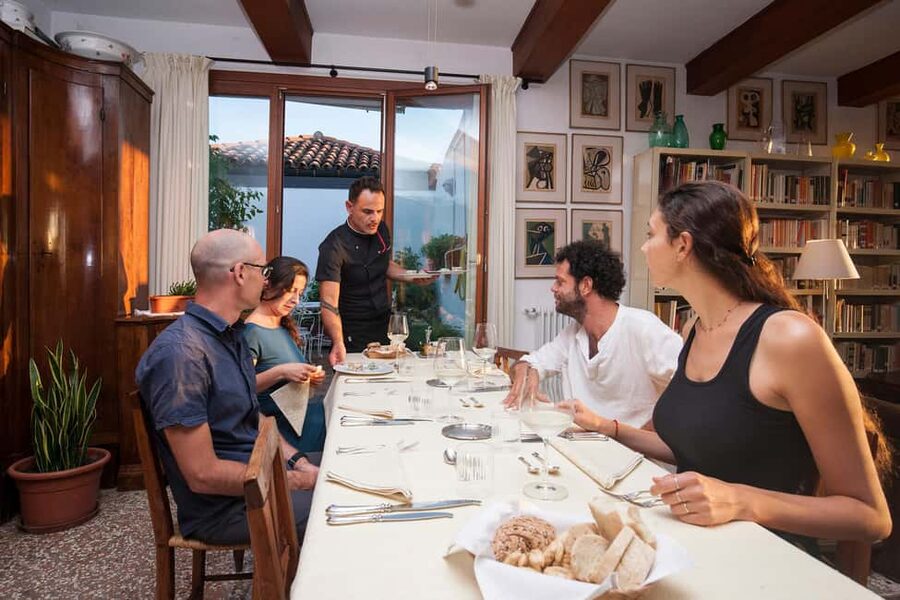
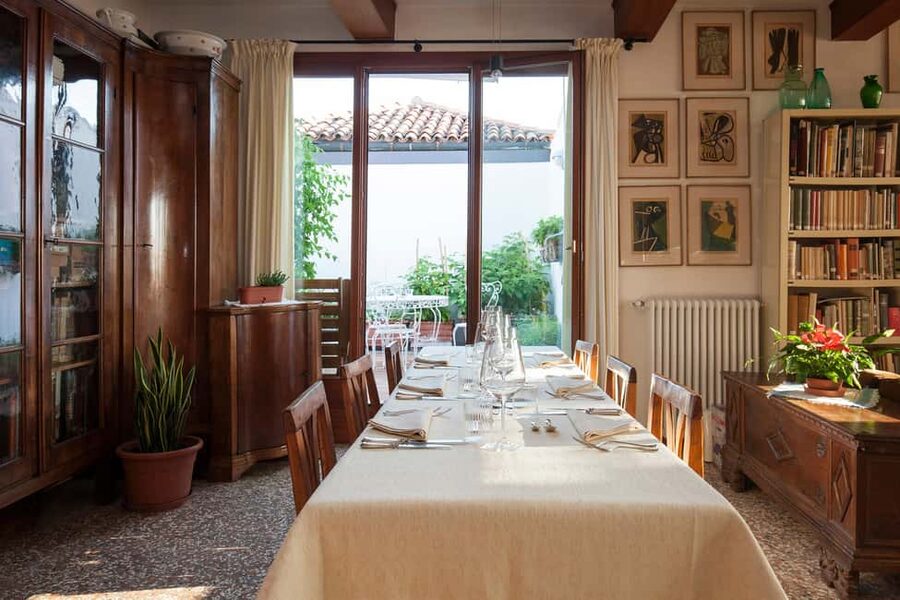
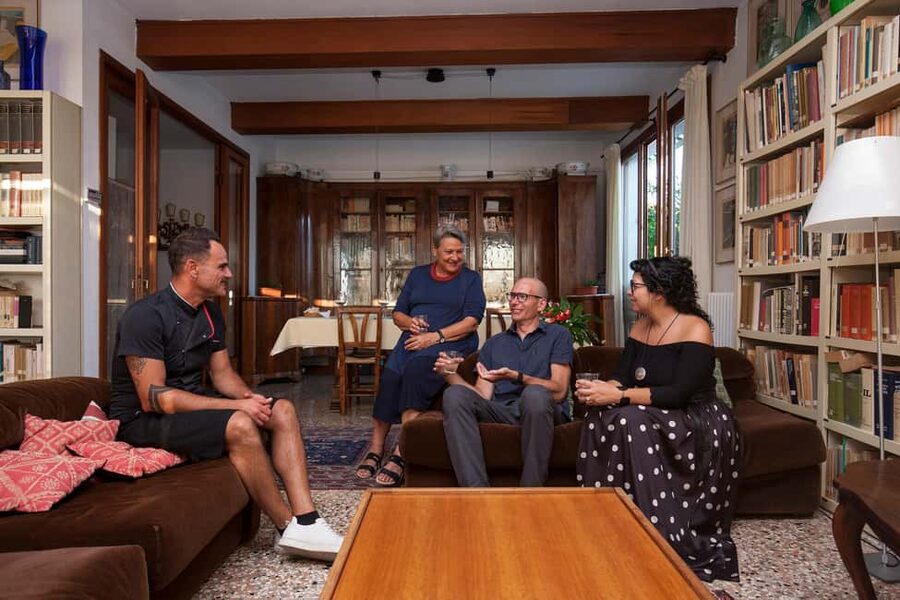
The location helps. You’re cooking in a 16th-century Venetian palace, on the third/top floor, which gives the night a sense of occasion. Reviews repeatedly point to the same vibe: you’re made to feel at home, and the chef’s teaching style is patient, clear, and friendly. Names like Mauro, Anthea, Jackamo, and Marco come up in past experiences, and the pattern is consistent: step-by-step instruction, room for questions, and a good sense of humor.
I also like how the class connects food to place. Venice cooking isn’t just recipes—it’s a story about ingredients, seasons, and how people actually ate. You’ll hear those stories as you work, so the techniques stick faster because you understand why they matter.
One more practical point: this is a standing-and-doing kind of activity. Wear shoes you can comfortably stand in for a chunk of the 3.5 hours, and bring water.
What you’ll learn: fresh pasta, tiramisu, and a Venetian-style sauce
The class is structured in two main phases: you learn and cook, then you eat family-style together.
Part 1: Hands-on cooking (the skill-building chunk)
You’ll make three iconic Italian recipes:
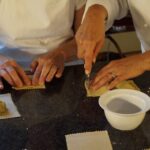
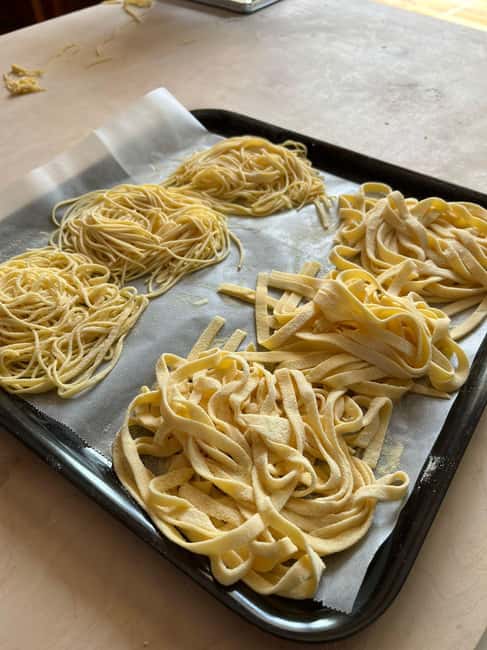
- Fresh Italian pasta (you’ll handle dough and shape it)
- Tiramisu (classic dessert technique)
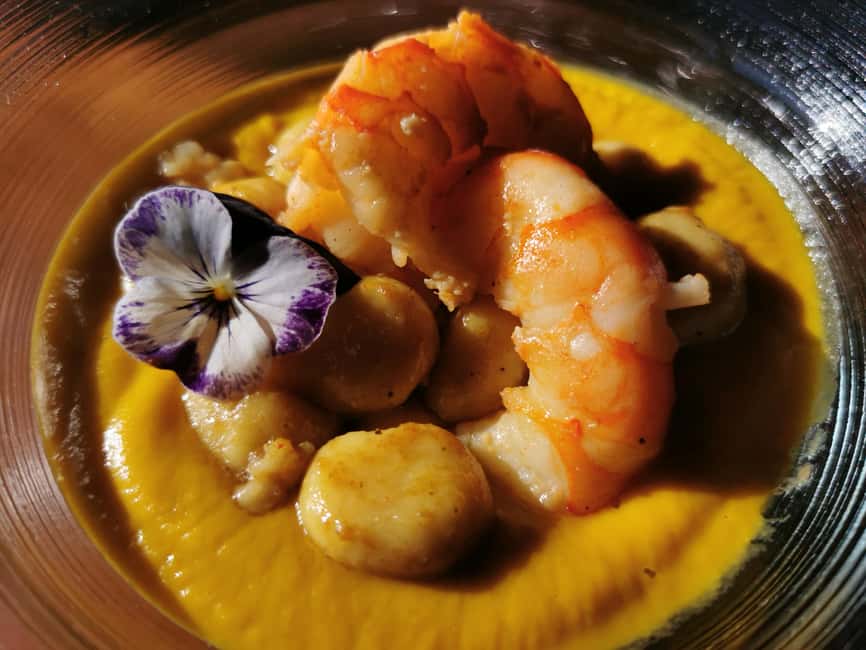
- A Venetian-style sauce using seasonal vegetables, enriched with high-quality proteins, with a Venetian tradition that often includes seafood
Different dates can mean slightly different pasta and sauce combos, but the learning arc is the same: you practice key steps, you see the chef demonstrate, then you do it yourself at your station.
Here’s why I think this format is good value. Many cooking classes end up being mostly tasting with a little cooking. This one stays focused on the parts that actually teach you something you can repeat later. When someone has time to show you each stage clearly—then help you correct small issues—it speeds up your confidence fast.
Part 1 includes the “kitchen brigade” rhythm
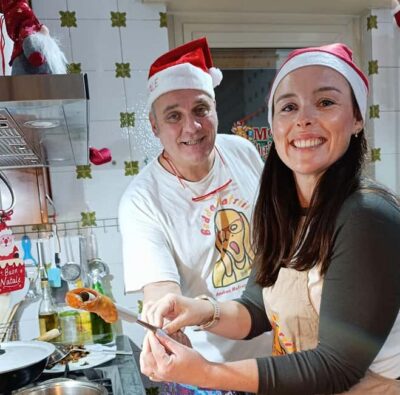
You’re not just completing one task in isolation. You’ll likely coordinate work with what’s happening around you: pasta prep, dessert prep timing, and keeping things moving so the meal lands smoothly at the end. That’s the secret sauce (pun intended) of why people call it fun and intimate: you feel part of the process.
And yes, you get conversation time. Several past participants describe chatting with other attendees while the food was progressing. That’s helpful if you’re worried about awkwardness. Cooking tends to create its own flow.


Part 2: Family-style meal (the payoff)
After the cooking, you sit down and eat what you made in a family-style setup. This is where all the effort pays off, because you can taste the results while the details are still fresh.
No Italian meal is complete here without drinks and finishing touches:
- Homemade limoncello
- Espresso
- A small farewell gift
- Wine included: one bottle shared for every three people
A big plus: you’re not just eating. You’re eating with context. You understand what you did, what changed during cooking, and why the flavors work together.
The palace setting: charming, historic, and mildly staircase-heavy
The venue is a 16th-century Venetian palace, held on the third and top floors. There’s no elevator, so you’ll be climbing stairs as part of the experience.
That’s the main consideration I’d flag. It’s not a deal-breaker if you’re comfortable with stairs, but it does matter in Venice when you’ve already walked a lot that day. I strongly suggest you wear comfortable shoes and plan to keep your luggage light around class time.
Also note that the class is in a residential-style environment. So you’ll want to treat the space with respect, including being mindful while moving around. Smoking isn’t allowed, and pets aren’t allowed.
The payoff is that the setting feels genuine. Instead of a studio that could be anywhere, you’re working in a palace. And the fact that it’s described as the chef’s family home makes the night feel more personal than a typical tour activity.
Drinks, dessert, and the small extras that make it feel complete
The “meal” part goes beyond the basics. You’ll taste dishes prepared by the group, then finish with classic Italian add-ons.
Homemade limoncello and espresso
Homemade limoncello is part of the included package, along with a good espresso afterward. This matters because it turns the meal into a full Venetian-style ending, not just a sugar hit.
If you’re the type who likes to linger over dessert, you’ll appreciate this pacing. People repeatedly mention the final drinks and coffee as a nice closure to an otherwise active evening.
Wine included in a practical way
Wine is included, described as one bottle shared for every three people. That’s a friendly way to handle groups without turning it into a rationing game. It also means you’re not stuck paying extra for something that should be part of the meal.
Small farewell gift
There’s also a small farewell gift at the end. The goal seems to be memory, not a souvenir pile. Even if it’s a small item, it adds a nice final touch after you’ve finished eating and cleaning up as a team.
What the class feels like in real life (based on past experiences)
The reviews paint a consistent picture of what makes this experience work.
1) Chefs teach clearly and patiently
Participants describe instructors as patient, good-humored, and step-by-step in their explanations. People specifically mention how the chef demonstrates first, then helps you do it yourself.
If you learn better by seeing the motion, watching the timing, and then trying right away, this format fits you.
2) You’ll likely meet friendly people
Past sessions include groups of around seven, sometimes pairs, and even private-style experiences when only a couple booked that evening. Either way, the class naturally mixes conversation with work. Cooking gives you a reason to talk without forcing it.
If you want a social Venice activity without the club scene, this is a calmer alternative.
3) The food quality lands
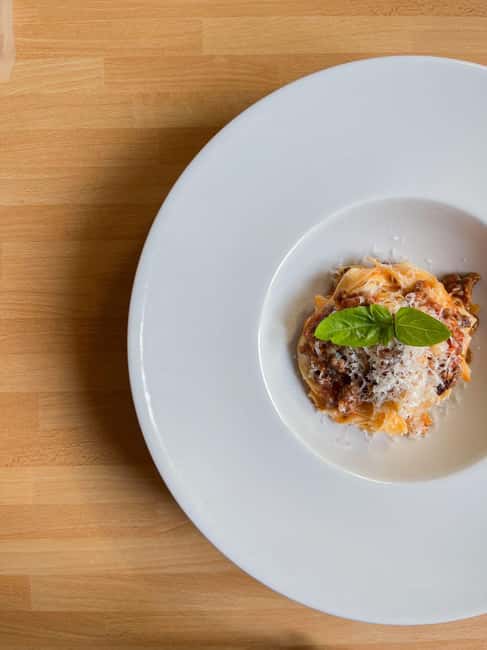
People repeatedly describe the meal as delicious, with a standout mention of carbonara in at least one experience. While you should expect multiple pasta preparations, you can safely assume the flavors will be solid and the sauces will be part of what you learn.
Price and value: $85 for a full evening of hands-on cooking
At $85 per person for about 3.5 hours, you’re paying for more than a meal. You’re paying for instruction, ingredients, a guided cooking workflow, and the full dinner experience with drinks.
Here’s how I’d judge the value:
- Instruction + hands-on work: you’re not just eating; you’re learning repeatable techniques.
- Ingredients included: dough, dessert components, and the meal fixings are part of the price.
- Included drinks and extras: homemade limoncello, espresso, and wine reduce the usual “extra costs” factor.
- Setting: a 16th-century palace location adds real character that a regular kitchen studio can’t replicate.
If your priority is simply to eat well, you could do that at a restaurant. But if you want a Venice souvenir you can use later—fresh pasta technique and tiramisu method—this is where the price starts to make sense.
Who should book this Venice pasta and tiramisu class
This experience is designed for all skill levels, so even if you’ve never worked with dough, you’re not being tested. It’s also a strong match if you want:
- A dinner plan that’s more interactive than sightseeing
- A cooking lesson that includes dessert (tiramisu)
- A social night in Venice that doesn’t require fluent Italian
You might want to skip or reconsider if:
- Stairs are a problem for you (no elevator; top floor)
- You need wheelchair access (not suitable for wheelchair users)
- You fall outside the age/weight suitability limits listed by the operator
Practical tips so you enjoy the class more
A few small choices can make a big difference.
- Wear comfortable shoes. You’ll stand for part of the class.
- Bring water. Venice walking plus kitchen work adds up.
- Ask questions early. The best results come when you clarify steps while you’re still in the moment.
- Plan around dietary needs. If you have allergies or dietary restrictions, notify the operator in advance so they can advise what’s possible.
Also, if you’re hoping to improve a specific technique—like shaping pasta or nailing tiramisu texture—say so to the chef. Many classes are structured, but good instructors respond when you focus the lesson.
Should you book the Venice cooking class for tiramisu and pasta making?
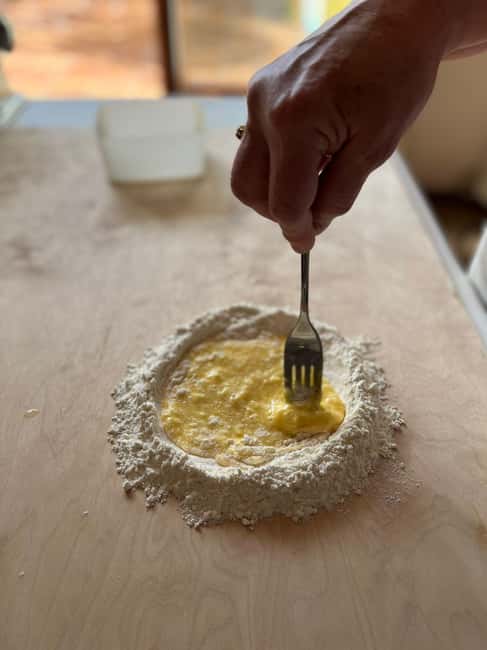
Book it if you want a hands-on Venice evening with a chef who teaches clearly, a memorable palace setting, and a real family-style meal that includes limoncello, espresso, and wine. It’s also a great “I want one good cooking memory” choice if you’re not trying to fill every day with activities.
Skip it only if the stairs/no-elevator setup would make the experience stressful for you, or if you need wheelchair accessibility (it isn’t set up for that). Otherwise, this is one of the more satisfying ways to spend a few hours in Venice: you leave with food, skills, and stories tied to the recipes you made.
FAQ
How long is the cooking class?
It lasts about 3.5 hours.
What recipes will I learn to make?
You’ll learn to make fresh Italian pasta, tiramisu, and a Venetian-style sauce made with seasonal vegetables and enriched with high-quality proteins, following Venetian tradition.
Is the class hands-on?
Yes. It’s a hands-on cooking class led by a professional chef, with ingredients provided for the pasta and tiramisu.
Where does the class take place?
The class is held in a 16th-century Venetian palace on the third and top floors, and there is no elevator.
What’s included in the price?
Included are the professional chef guide, hands-on cooking, all ingredients for pasta and tiramisu, a family-style meal, homemade limoncello, espresso, a small farewell gift, and wine (described as one bottle shared for every three people).
What should I bring and wear?
Bring comfortable shoes, a camera, and water.
Is there any meal or drink info I should know about?
Homemade limoncello and espresso are included, and wine is provided for the group. If you have dietary restrictions or allergies, you should notify the operator in advance.