REVIEW · CHIANG MAI
Morning Cooking Class in Traditional Pavilion with Beautiful Garden – Chiang Mai
Book on Viator →Operated by Oh-Hoo · Bookable on Viator
Thai cooking starts with a morning market. You’ll learn what goes into classic dishes, then cook them in Thai-style pavilions on a real organic farm with a small group. I love the ingredient-focused market start and the fact that you get an individual cooking station, so you’re not stuck watching from the back.
The morning flows from market to farm work—harvesting mushrooms, collecting chicken eggs, and learning about Thai herbs and vegetables—then ends with you cooking a set of favorites like Tom Yam and Pad Thai. One thing to consider: the pickup transfer can occasionally be a mess. If you hate waiting around, I’d plan to confirm pick-up the day before and keep a simple backup option (like a taxi) ready.
In This Review
- Key Things I’d Highlight Before You Go
- Morning Start at Tha Phae Gate: Easy Check-In and Real Schedule
- Market Lesson: How Thai Ingredients Get Chosen (Not Just Thrown In)
- Organic Farm Work: Mushrooms, Chicken Eggs, and Thai Herbs
- Thai-Style Pavilions: A Class Setup Built for You to Cook
- What You’ll Cook: Soup, Stir-Fry, Curry, and Mango Sticky Rice
- How the Steps Translate Into Real Skill
- Price and Logistics: Does $50.50 Make Sense in Chiang Mai?
- Who This Morning Class Is Best For
- Practical Tips to Get More Out of Your 4 Hours
- Should You Book This Chiang Mai Morning Cooking Class?
- FAQ
- How long is the cooking class in Chiang Mai?
- Where do I meet, and what time does it start?
- Is pickup included?
- What dishes will I cook?
- How big is the group?
- What happens if weather is bad?
Key Things I’d Highlight Before You Go
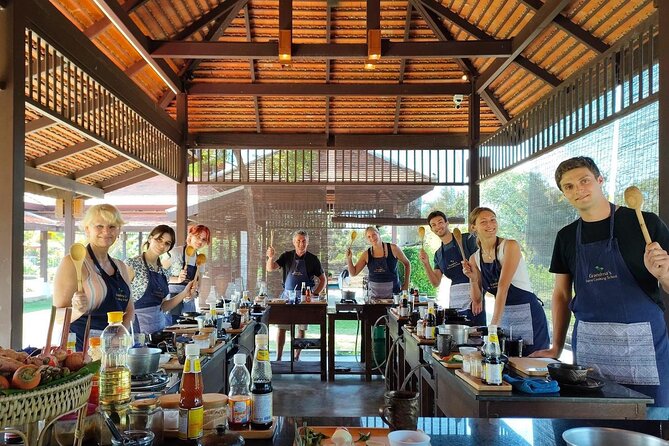
- Small group of up to 8 with your own station, so you actually cook.
- Market ingredient training first, then farm produce and herbs second.
- Hands-on farm activities like mushroom harvesting and egg collecting.
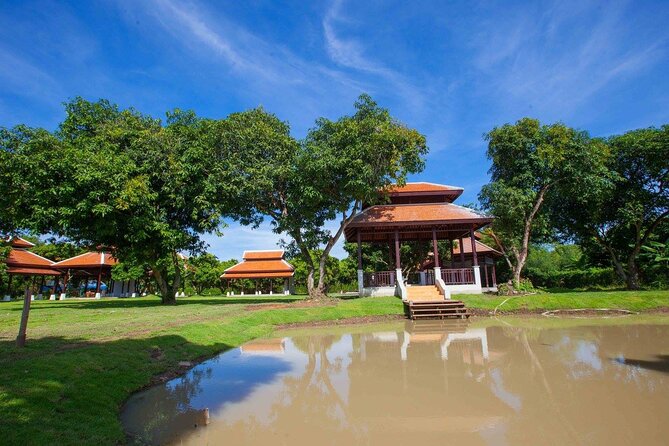
- Thai-style pavilion setting in a garden, which makes the class feel calmer than a typical kitchen tour.
- Menu choices that lead to 3 dishes plus dessert, not just one demo plate.
Morning Start at Tha Phae Gate: Easy Check-In and Real Schedule
This experience starts at 9:00 am near Tha Phae Gate. The activity ends back at the meeting point, which is handy because you don’t need to figure out a second transport step right afterward. Pickup is offered, and the area is near public transportation, so you’ll have options if you prefer to handle your own ride.
Because this is a morning class, I suggest showing up a few minutes early. Chiang Mai mornings can feel smooth, but it’s still easy to lose time if you’re walking from the wrong side of Tha Phae Gate or trying to find the right pickup person at the last second. Bring a bottle of water and a hat—some of the time is spent outdoors, including market time and farm time.
You can also read our reviews of more tours and experiences in Chiang Mai.
Market Lesson: How Thai Ingredients Get Chosen (Not Just Thrown In)
Your morning starts with a visit to a local market. The instructors explain the basic ingredients used in Thai cooking and, more importantly, how to choose them. That’s the part that makes this more useful than a simple food tour: you’re learning the logic behind the flavors.
You’ll get guidance on ingredients used across popular Thai dishes. Think along the lines of herbs, vegetables, and key flavor makers that show up in soups, curries, and stir-fried noodles. Even if your Thai cooking skills are already decent, a market start helps you build instincts: what looks fresh, what should smell right, and what ingredients you should pay attention to when you cook later at home.
Practical tip: after you see the ingredients in the market, keep an eye on how they show up again on the farm. When you can connect ingredient → plant/produce → dish, the whole class sticks in your brain.
Organic Farm Work: Mushrooms, Chicken Eggs, and Thai Herbs
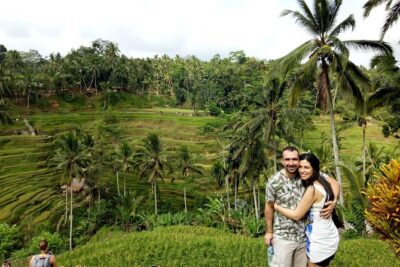
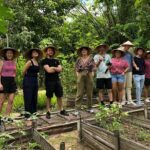
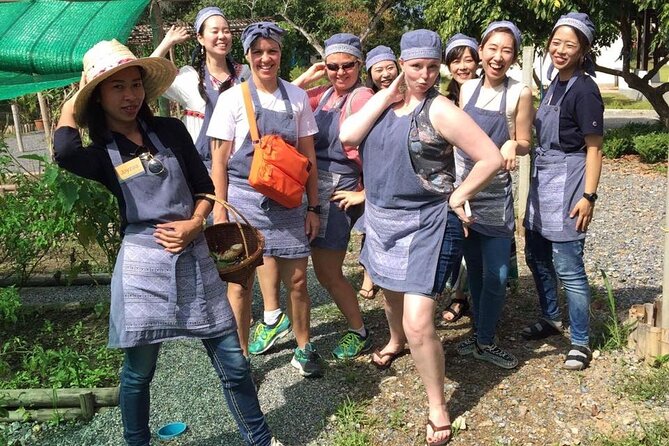
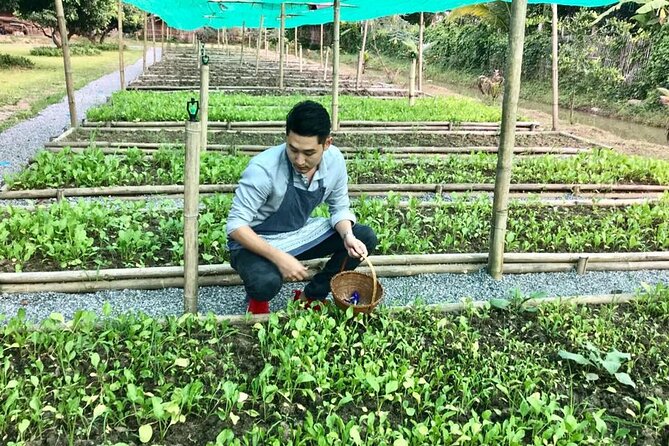
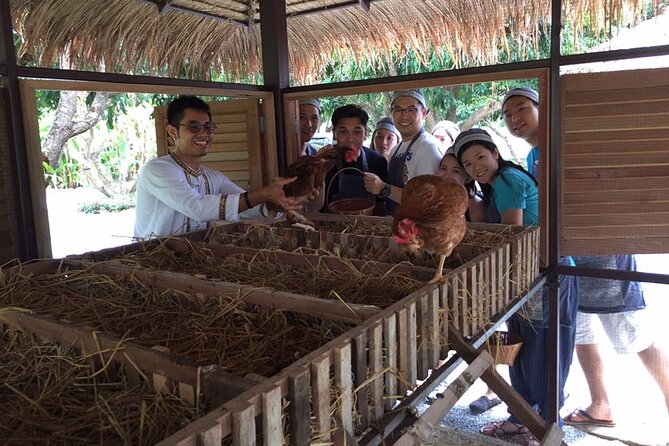
After the market, you’ll drive to the organic farm. This is where the experience shifts from shopping to doing. You’ll learn more about Thai herbs and vegetables, and you’ll also take part in hands-on tasks like:
- harvesting mushrooms
- collecting chicken eggs
That farm time matters because Thai cooking relies heavily on fresh aromatics and ingredient quality. When you’ve picked ingredients yourself—even if it’s just mushrooms or eggs—you understand why the class keeps nudging you toward fresh, seasonal produce.
One more detail I really like: the farm setting is described as clean and nicely kept. That’s not a small point. You want to enjoy the experience, not worry about basic hygiene or comfort. The class also happens in a calm environment, not a crowded, loud attraction kitchen, so the day feels more grounded.
Thai-Style Pavilions: A Class Setup Built for You to Cook
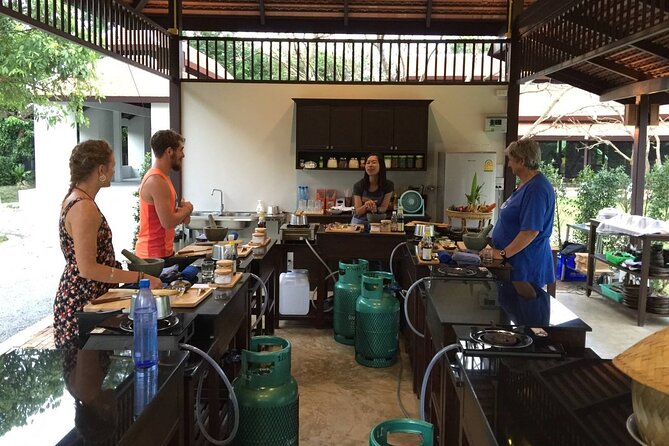
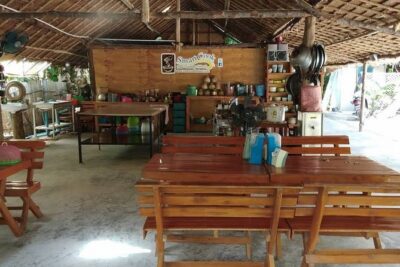
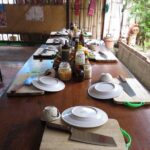
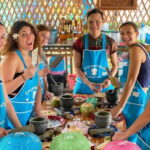
The cooking happens in traditional Thai-style pavilions in a beautiful garden. The setting alone helps you relax, but the bigger win is the structure.
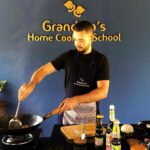
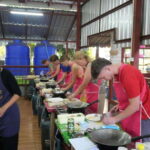
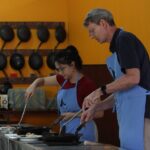
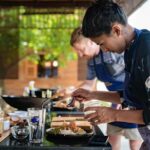
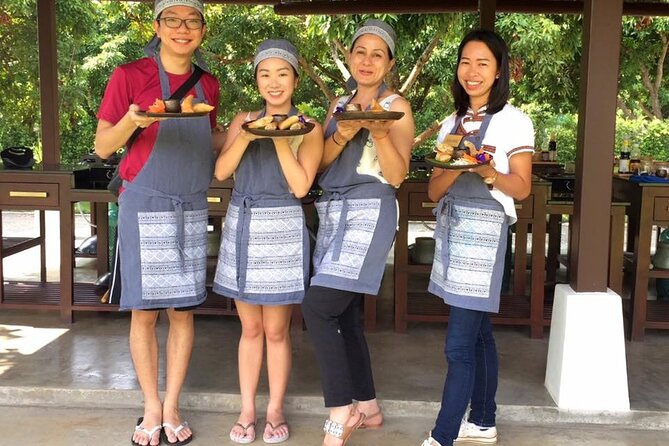
This class keeps the group small—maximum 8 participants—and each person has an individual cooking station. That means you cook alongside the instructor instead of waiting your turn in a long line.
You’ll get step-by-step demonstrations first. Then it’s your turn. This matters because Thai cooking techniques can look simple on paper but change a lot with heat level, timing, and how quickly ingredients go into the pan. In a class like this, you can ask questions in real time while you’re actively cooking.
Also, the staff are described as friendly and even funny, which makes it easier to stay relaxed while you’re learning. In other words, you don’t have to pretend you’re a master chef to have fun.
What You’ll Cook: Soup, Stir-Fry, Curry, and Mango Sticky Rice
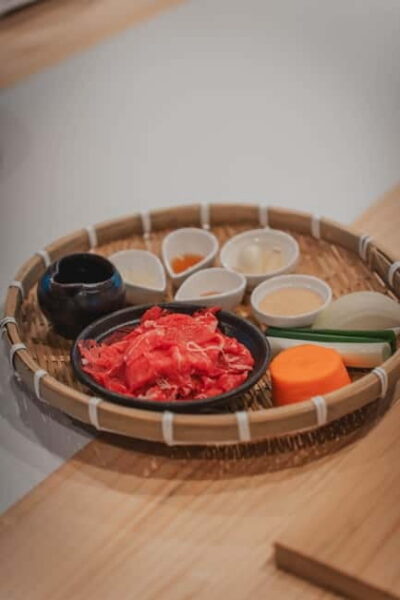
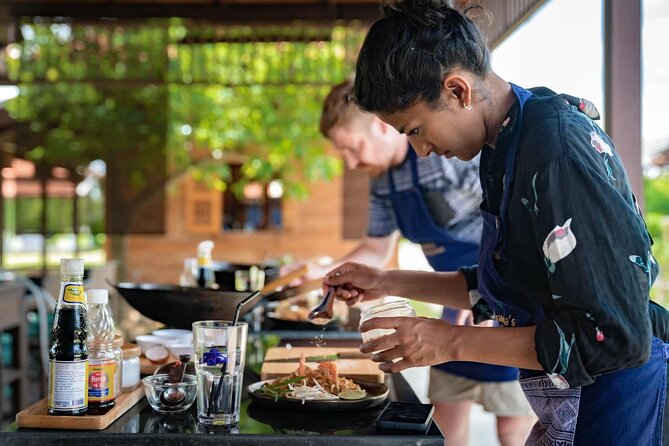
You’ll cook 3 dishes total: one soup, one stir-fry, and one curry. Dessert is served. The options include classic Thai favorites such as:
- Tom Yam (Hot and Sour Soup)
- Tom Kha (Coconut Soup)
- Pad Thai (Thai stir-fried rice noodles)
- Green Curry (also listed as Kang Kew Waan)
- Red Curry
- Massaman Curry is also mentioned as part of the dish lineup
For dessert, expect Mango Sticky Rice.
Menu choices and specific dishes can change depending on season and ingredient availability. The class also works with selections from different categories (appetizer, stir-fry, soup, curry, dessert). The end result stays the same: you’ll leave with the skills and a full meal, not just one dish.
A smart way to choose: pick dishes that match what you actually want to eat for lunch in Thailand. If you love coconut flavors, Tom Kha is an obvious match. If you want something tangy and spicy, Tom Yam tends to hit that sweet spot. And if you’re learning for future cooking back home, Pad Thai is a practical base because you can apply similar noodle-and-sauce logic to other stir-fried noodle dishes.
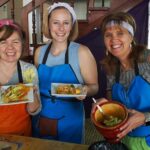
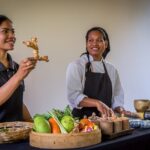
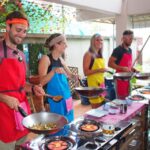
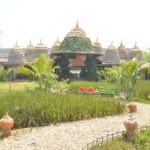

How the Steps Translate Into Real Skill
The biggest value in a cooking class isn’t the food itself—it’s what you can repeat later. This one is built around fundamentals you can carry forward.
Because you cook at your own station, you get practice with the sequence of Thai cooking:
- preparing ingredients in a way that makes cooking faster
- following the step-by-step workflow the instructor shows
- cooking your portion in real time, not hours later
You also learn through context. You’ll see ingredients at the market, then connect them to herbs and vegetables at the farm. That makes the final dishes feel less like random recipes and more like a system.
If you’re worried about being able to follow along, don’t. The structure is designed for learning: demonstration first, then you cook. And with a max group size of 8, the instructors can keep an eye on what’s happening at each station.
Price and Logistics: Does $50.50 Make Sense in Chiang Mai?
At $50.50 per person for about 4 hours, this can be good value, especially compared to the cost of paying for transport plus a standalone cooking class. Here, you’re getting multiple parts in one package:
- market visit with ingredient instruction
- organic farm time with hands-on tasks
- cooking instruction for 3 dishes plus dessert
Pickup is offered, and that’s often where classes either save you time or waste it. This is worth mentioning because one booking had a situation where the transfer pickup didn’t happen and waiting became a problem. The good news: the cooking school stepped in by arranging a taxi and covering the transfer cost. Still, that’s exactly why I recommend you confirm pickup details in advance if you’re on a tight schedule or if you don’t want to sit and wait.
Bottom line: if you want a morning that mixes learning, food, and real farm experience, the price feels fair. If you’re only looking for one quick cooking demo and don’t care about the market/farm piece, you might feel like you’re paying for more than you need.
Who This Morning Class Is Best For
I’d point you toward this class if you:
- want a hands-on Thai cooking experience, not just watching someone cook
- like food learning that starts with ingredients, not only recipes
- enjoy farm-to-table style activities like harvesting and collecting eggs
- prefer a small group where you can get attention while cooking
It also fits solo travelers well. With up to 8 people and your own station, you won’t feel like you’re floating. Couples can also enjoy it because the pace is relaxed and the setting in the garden pavilion makes it feel like an experience, not a production line.
The only clear mismatch: if mornings are a struggle for you, or if you dislike anything that depends on weather and outdoor segments. This experience does require good weather.
Practical Tips to Get More Out of Your 4 Hours
A few things that help you get better value out of the day:
- Wear comfortable shoes for market and farm walking.
- Bring water and use sun protection, especially if you tend to burn.
- If you have strong preferences for dishes, think in advance: do you want Tom Yam vs. Tom Kha, and which curry style fits your taste?
- Keep expectations realistic: since the menu can change with ingredients, focus on the technique and the core dishes rather than clinging to one exact menu item.
One more mindset tip: treat it like a skill class. You’re there to practice making the soup, stir-fry, and curry, not just to “collect” plates.
Should You Book This Chiang Mai Morning Cooking Class?
I’d book it if you want a class that connects the dots: market ingredients → farm produce and herbs → cooking technique in a calm garden setting. The small group size and individual stations are the big reason this feels worth your time. Add hands-on farm activities like mushroom harvesting and egg collecting, and it becomes more than a standard cooking tour.
I would book it with one caution: confirm pickup details and have a backup transport plan in case the transfer doesn’t work smoothly. If that part goes sideways, it sounds like the provider can fix things quickly, but you still want to avoid stress.
If your ideal Chiang Mai morning includes learning how Thai flavors start, then you’ll probably walk away happy and full.
FAQ
How long is the cooking class in Chiang Mai?
It runs for approximately 4 hours.
Where do I meet, and what time does it start?
You meet at Tha Phae Gate on Tha Phae Road at 9:00 am. The tour ends back at the meeting point.
Is pickup included?
Pickup is offered, and you’ll receive a mobile ticket.
What dishes will I cook?
You’ll cook 3 dishes: one soup, one stir-fry, and one curry, with options including Tom Yam, Tom Kha, Pad Thai, Green Curry, Red Curry, and Massaman Curry. Mango Sticky Rice is served as dessert.
How big is the group?
The experience has a maximum group size of 8 travelers.
What happens if weather is bad?
This experience requires good weather. If it’s canceled due to poor weather, you’ll be offered a different date or a full refund.