REVIEW · VERONA
Verona: Pasta Cooking Class with Wine Tasting
Book on GetYourGuide →Operated by Corte San Mattia · Bookable on GetYourGuide
Fresh pasta, wine, and farm views. This Verona class is a hands-on cooking day at Corte San Mattia with organic wines poured as you learn. You’ll start outside, take in the Verona countryside, then head into the kitchen to make two traditional pastas from scratch.
I especially love that it’s not just watching. You’ll form fresh fettuccine and ravioli with step-by-step guidance, then you actually eat what you made. And I like that the wine isn’t generic tasting-room stuff: you get three glasses from the agriturismo, including Valpolicella and Valpolicella Superiore.
One drawback to consider: you’re responsible for getting to and from the agriturismo (transport isn’t included), and the class isn’t suitable for gluten intolerance or pregnancy.
In This Review
- Key highlights you’ll feel right away
- Why Corte San Mattia turns pasta into a Verona day
- The 3.5-hour flow: walk, wine, and kitchen time
- Start with the guided countryside walk (and why it’s not filler)
- Hands-on pasta lesson: fresh fettuccine and ravioli from scratch
- Organic wine pairing: sparkling, Valpolicella, Valpolicella Superiore
- Lunch on the terrace: eating what you made (with the views)
- Price and value: what $106 covers (and what you’re really buying)
- Who this is best for (and who should skip)
- Practical tips so your day runs smoothly
- Should you book this Verona pasta cooking class?
- FAQ
- What will I make during the class?
- How long is the Verona pasta cooking experience?
- Is wine included, and how much?
- Where does the experience start?
- What language is the tour guide?
- Is transportation included from Verona?
- Is this class suitable for gluten intolerance?
- Are there any restrictions related to age for wine tasting?
- Who should avoid this class?
Key highlights you’ll feel right away
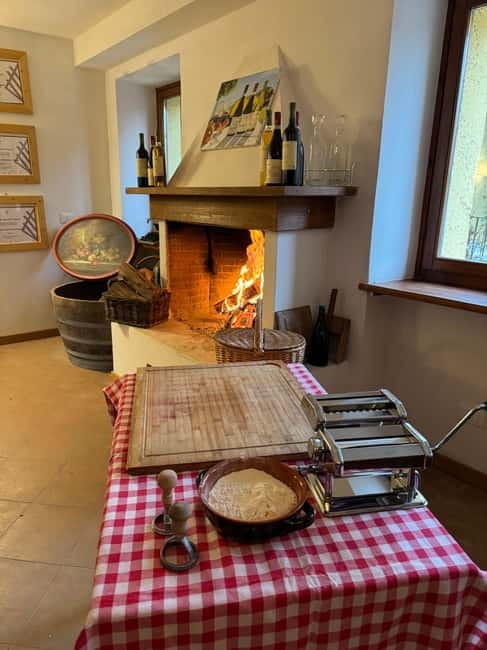
- Farm-to-table cooking at Corte San Mattia: many ingredients come from the agriturismo, just steps from the kitchen
- Three wine pours during the class: a sparkling start, then Valpolicella, then Valpolicella Superiore
- You make two pastas: fresh fettuccine plus ravioli, not just one quick dish
- Short and focused timing: 3.5 hours is long enough to learn, but not a whole day commitment
- Small group (up to 10): easier instruction and a calmer vibe than bigger classes
- Lunch where the day pays off: you sit down to a meal paired with the wine you’ve already been tasting
Why Corte San Mattia turns pasta into a Verona day
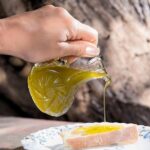
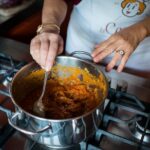
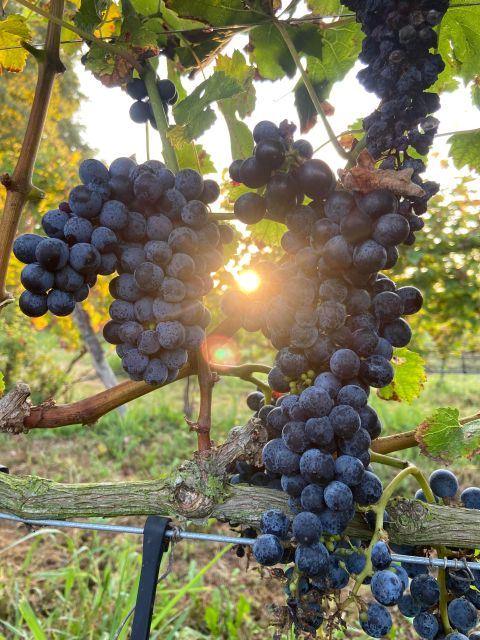
This isn’t one of those Verona “food experiences” that feel like a show. The setting is an agriturismo at the edge of the countryside, with the farm production you can actually picture: organic wine, EVO olive oil, goat cheese, honey, eggs, and produce. That matters because it changes the tone of the class. You’re not learning pasta in a sterile kitchen. You’re learning it next to the ingredients that help explain the local style.
The other reason it feels special is pacing. You’re out for a walk, you cook, you drink a bit, then you eat. In one afternoon, you get the whole rhythm of how this region approaches food: seasonal ingredients, simple technique, and wine that matches the meal.
And yes, the views help. The terrace lunch and open-air moments give your brain a break between kneading dough and plating ravioli.
You can also read our reviews of more tours and experiences in Verona.
The 3.5-hour flow: walk, wine, and kitchen time
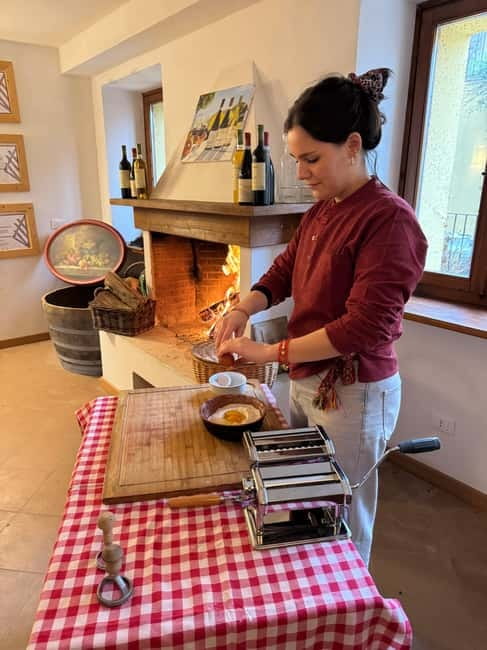
The day runs about 3.5 hours, so it’s tight enough that you’re focused, but not rushed. Plan it like a mini “country detour” rather than something to squeeze in around a major museum.
A typical flow looks like this:
- You meet at the agriturismo reception, then start with a guided walk through the countryside.
- You return and begin cooking with an expert instructor.
- Wine is served as you go, with different pours timed to your progress in the kitchen.
- Finally, you sit down for lunch featuring your pasta and ravioli.
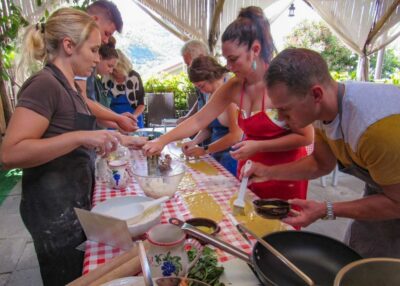
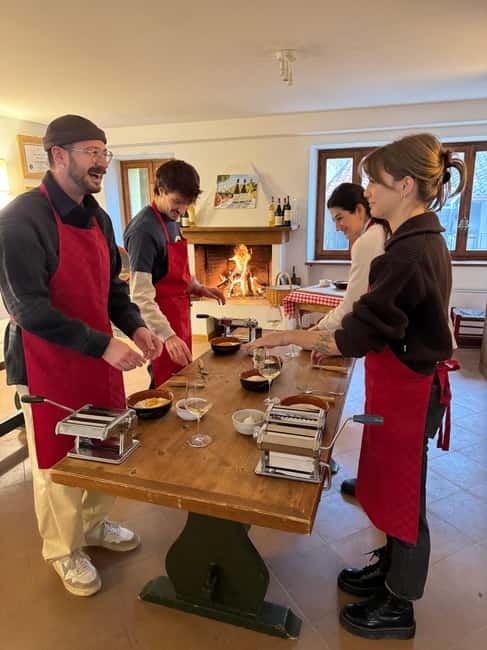
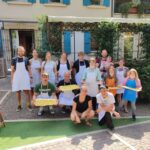
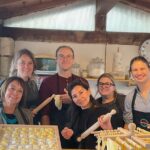
Small-group teaching (limited to 10 participants) is a big part of why this works. If dough sticks, a hand can help. If you’re unsure how to seal ravioli, you’ll get a direct fix, not a vague tip from across the room.
Start with the guided countryside walk (and why it’s not filler)
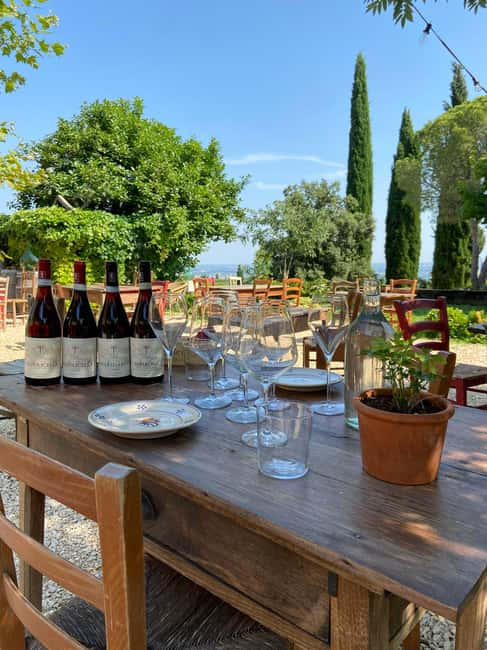
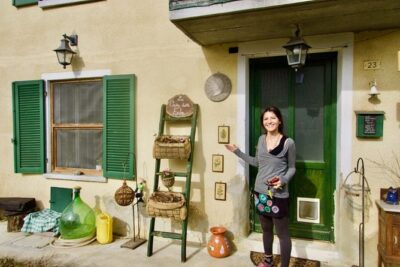
You begin at Corte San Mattia – Agriturismo Verona (Via Santa Giuliana 2A, 37128 Verona – Vr). From there, the class starts with a guided walk through the Verona countryside. This part isn’t just scenic time. It sets context.
You’ll learn about the farm’s story and philosophy, which helps you understand why the cooking class leans the way it does. When you later see ingredients coming from the agriturismo, it doesn’t feel random. It feels logical.
You also get a practical benefit: you wake up your legs. Kneading dough for hours is easier if you’ve already moved a bit. This is one of those underrated “make the whole experience easier” steps.
Hands-on pasta lesson: fresh fettuccine and ravioli from scratch
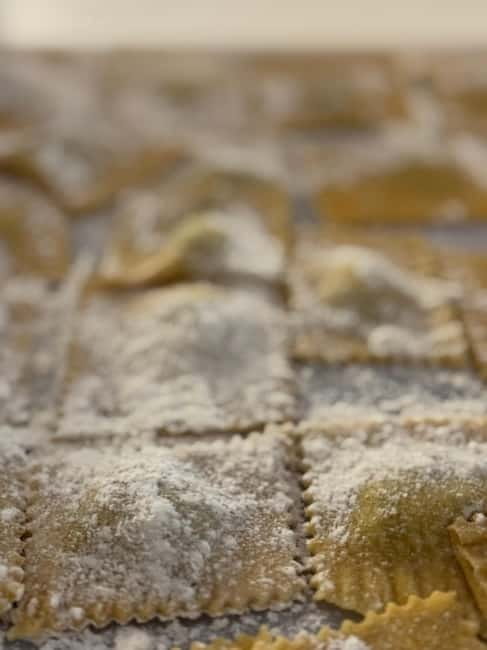
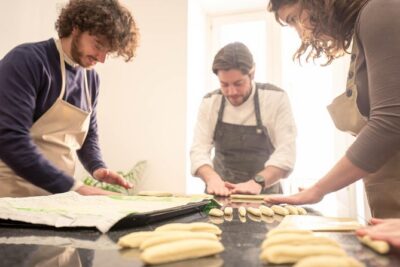
Now the part you came for: making pasta. You’ll learn traditional techniques for fresh fettuccine and ravioli, step by step.
What I like about this setup is that it’s two different tasks. Fettuccine is about rolling and cutting, so you get comfortable with dough texture and thickness. Ravioli adds another layer of technique because you’re working with filling and assembly. It’s not just a “repeat the motion” class. It’s a chance to learn two distinct skills in one sitting.
Because the class is hands-on, come with the right mindset:
- Expect to get a bit messy. Dough doesn’t care about your outfit.
- You’ll have all ingredients and equipment provided, so you’re not hauling supplies.
- Instruction is personalized in a small group, which is exactly what you want for pasta, where tiny differences matter.
One note: the class isn’t listed as suitable for gluten intolerance, so if that affects you, you’ll need a different option in Verona.
Organic wine pairing: sparkling, Valpolicella, Valpolicella Superiore
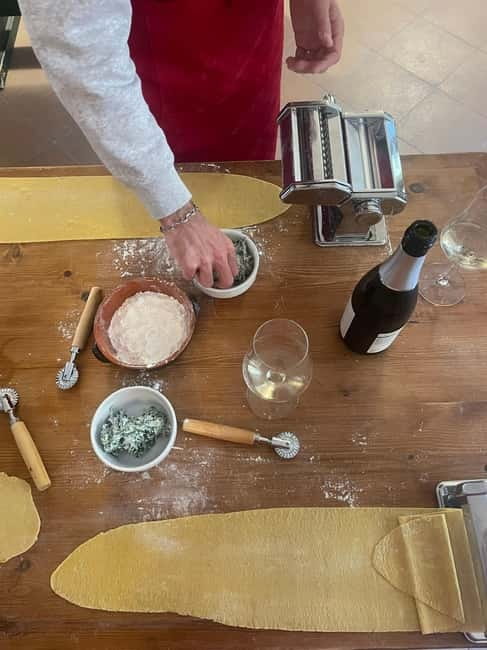
Wine is built into the pacing, not added at the end. Throughout the experience, you’ll have three glasses of local organic wine served during key moments of the class.
The pours are:
- A crisp sparkling wine to start your cooking journey
- A Valpolicella as you prepare ravioli
- A Valpolicella Superiore to pair with your meal
This timing is smart. Sparkling at the beginning feels refreshing when you’re about to get hands-on. Valpolicella during ravioli lines up with the feeling of “slower, careful work.” Then Superiore at lunch makes sense because you’re finally sitting down to a finished plate.
Also, do note the legal basics. Wine tasting is reserved for people of legal drinking age, since alcohol can’t be served to minors under 18.
Lunch on the terrace: eating what you made (with the views)
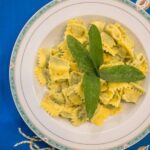
When the pasta and ravioli are ready, you move into the meal portion of the day. You’ll enjoy a lunch featuring the dishes you’ve prepared, paired with the wines from earlier.
This is where the class earns its value. Pasta lessons at big-city cooking schools often end with a quick tasting. Here, you’re set up for a proper meal, with time to enjoy the setting and the company.
In the small-group environment, lunch tends to feel relaxed. You’re sharing the same experience with the same people, and you’re not rushing to the next stop. The agriturismo setting also makes the terrace feel like part of the story, not an afterthought.
Price and value: what $106 covers (and what you’re really buying)
At $106 per person for 3.5 hours, you’re paying for more than “cooking instruction.” You’re paying for:
- An agriturismo kitchen experience with ingredients provided
- Step-by-step guidance for two pastas (fettuccine + ravioli)
- Three glasses of organic local wine
- A guided countryside walk
- Lunch that includes what you cooked
If you’ve priced Verona activities lately, you’ll notice many food tours cost about the same but deliver less. This one is tangible: you leave with actual skills and a full meal. Plus, the wine and farm-based ingredients help justify the higher end versus a basic pasta class.
The value gets even better if you like wine but don’t want to plan a tasting day on your own. It’s structured pairing during a normal afternoon schedule.
Who this is best for (and who should skip)
This class is ideal if you want:
- A hands-on Verona experience, not just a tasting
- A small-group format with guidance that actually reaches you
- A day that mixes nature, food, and wine without long transfers inside the city
It’s also a good fit if you enjoy learning by doing. Pasta is one of those skills you can’t really learn from watching a screen. You have to roll, cut, fill, and seal.
It’s not a fit if:
- You’re gluten intolerant (listed as not suitable)
- You’re pregnant (listed as not suitable)
- You’re counting on public transit to handle everything (transport to/from the agriturismo isn’t included)
Practical tips so your day runs smoothly
A few small choices can make a big difference with pasta + wine + farm steps.
- Wear comfortable shoes for the countryside walk. You’ll be on uneven outdoor ground before cooking.
- Bring a change of mindset, not clothes. Dough work is a hands-on activity; plan to get a little flour on your life.
- Tell the team about allergies or special needs in advance. The class asks you to report these ahead of time.
- Expect English instruction. If you’re comfortable with conversational English, you’ll be fine.
- If you want wine, plan around legal drinking age. The tastings depend on age.
And because you’re getting wine during the class, it’s also worth thinking about how you’ll handle your return trip after lunch.
Should you book this Verona pasta cooking class?
Yes, if you want a compact but meaningful food day with real instruction, real wine, and a setting that feels like the source of the flavors—not a theme park version of it. The best reasons to book are the same ones you’ll feel during the day: you’ll make fresh fettuccine and ravioli, you’ll drink three organic wine pours, and you’ll have lunch built around what you cooked.
Skip it if gluten intolerance affects you, if you’re pregnant, or if you don’t have a way to get to the agriturismo without added hassle. If that logistical piece is hard, you may prefer a Verona-centered class.
If you can handle the ride out to the countryside, this is the kind of activity where you come home with a story, a meal, and a new pasta skill.
FAQ
What will I make during the class?
You’ll learn to prepare fresh pasta and ravioli from scratch. The class focuses on making fresh fettuccine and ravioli, with guided step-by-step instruction.
How long is the Verona pasta cooking experience?
The experience lasts 3.5 hours total.
Is wine included, and how much?
Yes. You’ll have three glasses of local organic wine served throughout the experience, including a crisp sparkling wine, a Valpolicella, and a Valpolicella Superiore.
Where does the experience start?
You’ll meet at the reception of Corte San Mattia – Agriturismo Verona, Via Santa Giuliana 2A, 37128 Verona – Vr.
What language is the tour guide?
The live tour guide provides instruction in English.
Is transportation included from Verona?
No. Transportation to and from the agriturismo is not included.
Is this class suitable for gluten intolerance?
No. It is listed as not suitable for people with gluten intolerance.
Are there any restrictions related to age for wine tasting?
Yes. Wine tastings are reserved for people of legal age, since alcohol cannot be served to minors under 18.
Who should avoid this class?
The experience is listed as not suitable for pregnant women. If you have dietary allergies or special needs, you should report them in advance.