REVIEW · UBUD
authentic Balinese organic cooking class in Ubud
Book on Viator →Operated by Amara Bali Family Tour · Bookable on Viator
A Ubud cooking class with dirt under the nails. You’ll start with a pickup from your accommodation, get a welcome drink, then learn how organic ingredients become real Balinese food while you cook. I especially like the farm-to-plate angle and the fact the kitchen uses manual tools most of the way. One thing to consider: the experience runs outdoors in the garden and depends on good weather, so you’ll want to be flexible if conditions shift.
This is also the kind of small-group activity that feels more personal than a classroom demo. With a maximum of 10 people, you get time to ask questions about ingredients and techniques as you go. If you’re not used to warm weather and active ingredient picking, plan to take it at an easy pace.
In This Review
- Key Things to Know Before You Go
- Organic Balinese Cooking in Ubud Starts With Pickup and a Welcome Drink
- At the Family Farm: Learning What Organic Means for Spices
- The Garden Harvest: Where Staples Become Real Lunch Ingredients
- Cooking Balinese Dishes the Manual Way With Chef Ninek’s Guidance
- Your Lunch: What You Make, Then Eat on the Spot
- Optional Swing and Natural Waterfall Time on the Property
- Price and Value: Why $47 Feels Fair for What You Get
- Logistics That Actually Matter: Timing, Group Size, and Weather
- Who Should Book This Ubud Organic Cooking Class?
- Should You Book? My Take
- FAQ
- How long is the organic cooking class in Ubud?
- Is pickup included for this experience?
- Where does the class take place?
- What is the class mainly about?
- Do you get to pick ingredients?
- What do you do after cooking?
- Are the cooking tools manual?
- How many people are in the group?
- Are there any optional activities during the experience?
- What happens if the weather is bad?
Key Things to Know Before You Go
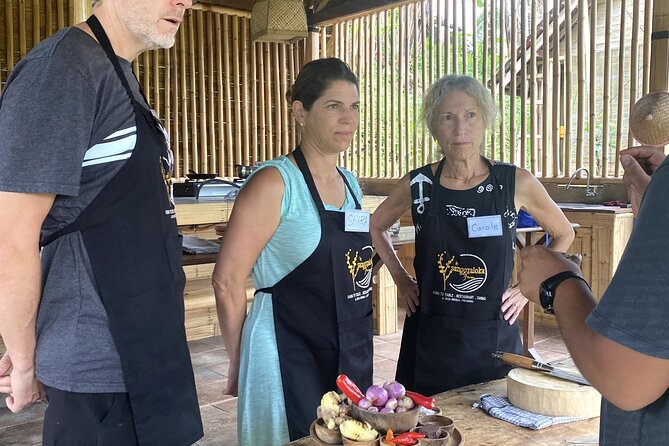
- Farm-first approach: you head to a family farm, then cook with ingredients grown and picked on site.
- Organic ingredient focus: you learn what makes the ingredients organic and how they function in Balinese dishes.
- Garden harvesting: you may pick staples directly during harvesting time, then process them in the kitchen.
- Manual cooking tools: the class leans traditional, so your hands get involved.
- Small group size: capped at 10 travelers, which helps you get coaching during the steps.
- Optional extras on the property: some time may be available for a swing and a natural waterfall.
Organic Balinese Cooking in Ubud Starts With Pickup and a Welcome Drink
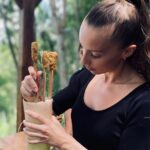
The day kicks off in Ubud with pickup offered from your accommodation, so you can skip the logistics puzzle. Once you arrive, you’re not just handed an apron and sent off. The process starts with a welcome drink and a briefing from the chef about how the class will flow.
That early orientation matters. It sets you up to understand what you’re about to do: not only cook, but learn how organic ingredients are chosen and used in Balinese cooking. If you’ve taken cooking classes before where everything feels pre-arranged, this one feels more grounded because you’re going to see and handle ingredients as part of the lesson.
You can also read our reviews of more tours and experiences in Ubud.
At the Family Farm: Learning What Organic Means for Spices
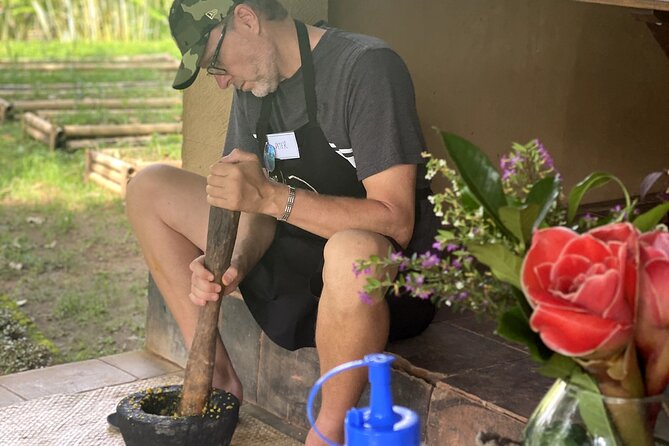
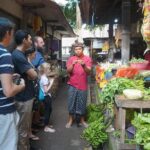
After pickup, you head from Ubud to the farm. This is where the class separates from the usual cooking experience. Instead of starting with recipes on a board, you start with ingredients—especially organic ones—and how those ingredients play a role once they hit the pan.
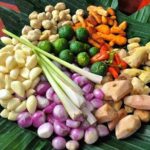
The chef explains the class and introduces Balinese food ingredients from the beginning. You’ll also learn what certain items do in the cooking, not just how to chop them. That ingredient-function part is the key. It helps you cook with confidence later, even after you’re back home and missing your training wheels.
One detail I like: the class includes guidance that goes beyond plain flavor. In one account of the experience, the teacher (Ninek) shared information about medicinal uses alongside ingredient prep and cooking. Even if you don’t care about the medicinal angle, the practical outcome is the same: you pay closer attention to what you’re using and why.
The Garden Harvest: Where Staples Become Real Lunch Ingredients
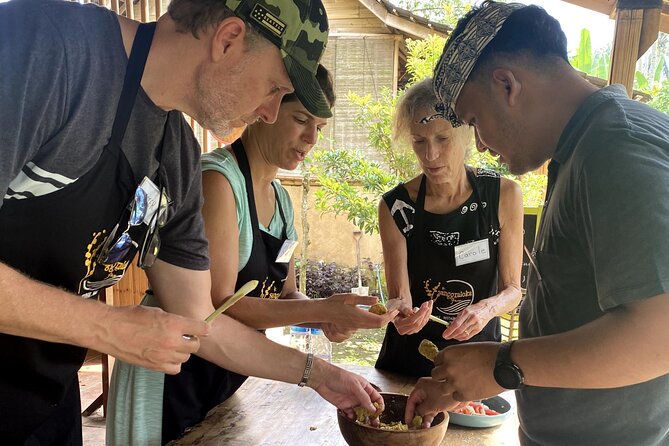
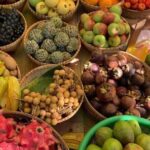
Next, you move to the garden area where the cooking class takes place. This isn’t just a scenic backdrop. It’s where plants are grown specifically for the cooking session—spices and staple ingredients you’ll use in what you make.
During harvesting time, you can directly pick staples from the farm. Then those staples are processed in the kitchen. That sequence changes how you experience the class. When your lunch starts as something you gathered yourself, your brain stays engaged through the whole cooking process. You’re not just following steps; you’re building a meal.
If you’re sensitive to heat, plan to take water breaks when you can. The garden work is part of the learning, and it can be a bit hands-on. The upside is worth it: the ingredients feel like they belong to the place, not just to a recipe.
Cooking Balinese Dishes the Manual Way With Chef Ninek’s Guidance
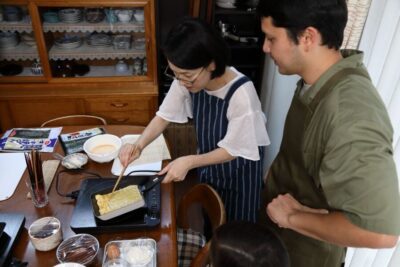
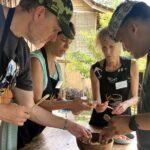
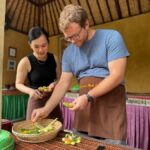
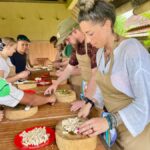
Once the ingredients are ready, you get to cook. The class structure is chef-led from ingredient basics through to finished dishes. You’ll be taught and guided as you work, with tools that are mostly manual.
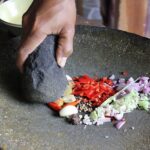
That manual element is more than a gimmick. It slows things down just enough for you to notice technique: how you prep, how you grind, how you season, and how you manage the pacing of cooking. If you like hands-on learning, this style tends to be satisfying because you can feel the difference between rushing and doing things properly.
In at least one detailed account, Ninek and her crew guided participants through creating six different dishes. Even if your exact menu varies with what’s being harvested and prepared that day, you should expect multiple Balinese dishes and clear step-by-step instruction.
You’ll also learn ingredient roles as you cook—how spices and staples contribute to the final flavor profile. The goal isn’t memorizing a single recipe. The goal is understanding how Balinese cooking builds flavor from the ground up.
Your Lunch: What You Make, Then Eat on the Spot
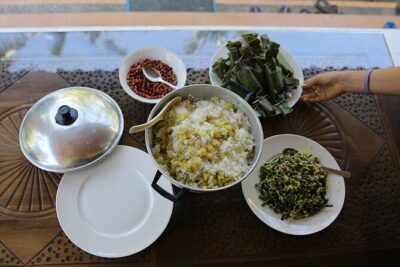
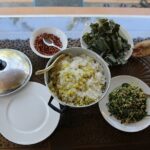
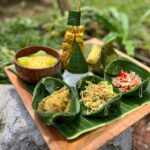
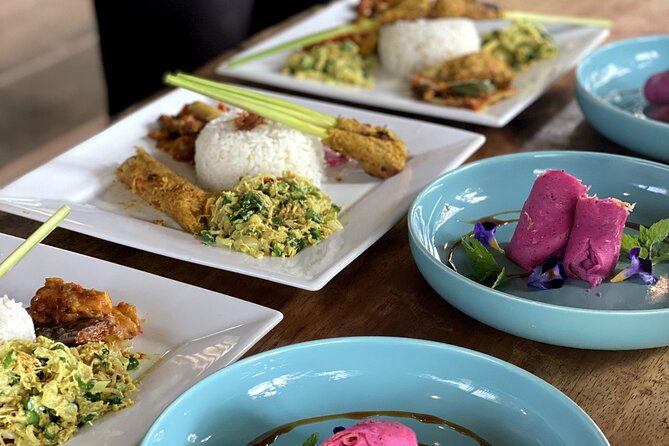
After cooking, you eat the lunch you made. This is the part you’ll remember most because it’s immediate feedback. You can connect each step you did with the final taste, which makes the learning stick.
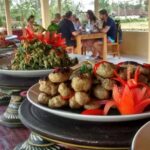
One account highlighted eating with an outdoor view that included a rice terrace. Even if you don’t get the exact same angle every time, you can expect you’ll eat in a pleasant setting connected to the garden and the wider property. Food tastes better when you’re not rushed and you’re still in the mindset of learning.
You’ll likely notice how the organic ingredients change the flavor experience. Organic doesn’t automatically mean mild or sweet; it means the ingredient quality and growing practices matter. In practice, you’re tasting more of the ingredient itself and less of the masking effect you can get when everything is blandly uniform.

Optional Swing and Natural Waterfall Time on the Property
Some versions of the experience include optional add-ons such as a swing and time at a natural waterfall. These aren’t the cooking lesson itself, so they won’t replace the heart of the class. Think of them as bonus time while you’re already on site.
If you want photos, this can help. If you’d rather protect your energy for the cooking and eating part, you can skip them. Either way, the core value stays the same: the meal you cook and the ingredient learning you take away.
Price and Value: Why $47 Feels Fair for What You Get
At $47 per person for about 4 hours, this sits in the mid-range for Ubud cooking experiences. The value comes from how the day is assembled:
- Pickup included (offered), which saves time and makes it easier to plan.
- Farm and garden time, not just a kitchen session.
- Organic ingredient learning tied directly to what you cook.
- Hands-on harvesting during the harvesting window when staples are ready.
- Lunch included, and you eat what you make.
- Manual tools for a more traditional cooking process.
- Small group size (maximum of 10), which helps you get attention during steps.
If you’ve paid similar prices for classes that mainly feel like recipe theater, this one tends to feel more grounded because the ingredients have a story. The organic focus is also more than a buzzword here; you’re taught how ingredients function, and you use them in the dishes.
Logistics That Actually Matter: Timing, Group Size, and Weather
This experience runs about 4 hours, which is a good length for doing something active without burning your whole day. The biggest practical consideration is weather. The class requires good weather because key parts happen in the garden and outdoors.
Also, because your group is capped at 10, you’re not stuck waiting your turn. That small size is ideal if you want real interaction with the chef while you’re cooking and asking questions.
You’ll also use a mobile ticket, which is convenient. And you’ll receive confirmation at booking time, so you’re not left in the dark.
Who Should Book This Ubud Organic Cooking Class?
I’d point you toward this class if you like food learning that feels practical. It’s a good fit if you:
- want organic ingredients explained in a real cooking context
- enjoy hands-on work like picking staples during harvesting time
- want Balinese cooking instruction that includes ingredient roles, not just directions
- prefer a small group over big tour crowds
- like the idea of cooking with mostly manual tools
It may be less ideal if you’re expecting a fully indoor, climate-controlled event. The garden setting and the ingredient handling mean you should be ready for outdoor conditions. It also helps if you’re comfortable eating lunch right after cooking—this class is built around that rhythm.
Should You Book? My Take
If you’re in Ubud and you want more than a standard cooking class, this one is a strong choice. The blend of farm-to-garden learning, organic ingredient focus, and chef-led cooking gives you a fuller experience than sitting through a lecture and then tasting food you didn’t help make.
Book it if you want a day that connects ingredients to flavor and includes lunch as a payoff. Pass or pick another option if you know you’ll struggle with outdoor weather or you want a mostly indoor activity.
FAQ
How long is the organic cooking class in Ubud?
It’s about 4 hours.
Is pickup included for this experience?
Pickup is offered from your accommodation.
Where does the class take place?
It’s in Ubud, Indonesia, starting with transportation to a farm and then moving to a garden cooking area.
What is the class mainly about?
You’ll learn about organic Balinese ingredients and how they’re used to make Balinese dishes.
Do you get to pick ingredients?
During harvesting time, staples may be picked directly from the farm and then processed in the kitchen.
What do you do after cooking?
You eat your own cooking lunch.
Are the cooking tools manual?
The tools used for cooking are almost all manual.
How many people are in the group?
The group size is limited to a maximum of 10 travelers.
Are there any optional activities during the experience?
Some optional activities can include a swing and a natural waterfall.
What happens if the weather is bad?
The experience requires good weather. If it’s canceled due to poor weather, you’ll be offered a different date or a full refund.