REVIEW · PALERMO
Sicilian Cooking Class
Book on Viator →Operated by The Sicilian Pantry · Bookable on Viator
Palermo tastes better with your hands. This Sicilian Cooking Class is built around the real stuff: you start at the Capo Street Market to choose ingredients, then you cook a full four-course meal with Chef Michael in an air-conditioned kitchen. I especially like the market-to-kitchen flow and the fact that the instruction is in English, so you can follow every step without translating in your head.
My other big plus is the meal itself. You’re not stuck with a token appetizer and a bland demo—you help make classic Palermo dishes (panelle, pasta, roasted rolls, and more), then sit down for wine, homemade liqueurs, and coffee. One thing to consider: the experience hinges on market access and weather (open-air markets don’t love rain), and the kitchen setup can involve stairs, so plan around that if you have mobility concerns.
In This Review
- Key Highlights Worth Booking
- The Capo Street Market: Where the Class Really Starts
- From Market Walk to the Air-Conditioned Kitchen
- Cooking a Palermo Four-Course Meal (Not Just Snacks)
- Starter: Panelle, Arancine, and Fried Artichokes
- Pasta Course: Fresh Pasta and Pasta con le Sarde
- Main Course: Involtini di carne and Swordfish Panato
- Dessert: Cannoli, Cassata, and Granita for the Finish
- Wine, Homemade Liqueurs, and Coffee: The Real Payoff
- What $118.56 Gets You (And Why It Can Feel Like a Bargain)
- The Human Part: Chef Michael and the Small-Team Feel
- Who Should Book This Class (And Who Might Skip It)
- Practical Notes for a Smooth Morning in Palermo
- Should You Book Sicilian Pantry’s Cooking Class?
- FAQ
- How long is the Sicilian Cooking Class in Palermo?
- Where is the class located?
- What time does it start?
- Is the class taught in English?
- How many people are in the group?
- What dishes are included?
- Do you shop for ingredients at a market first?
- Are dietary requirements accommodated?
- Is the meeting point easy to reach with public transportation?
- What is the cancellation policy?
Key Highlights Worth Booking
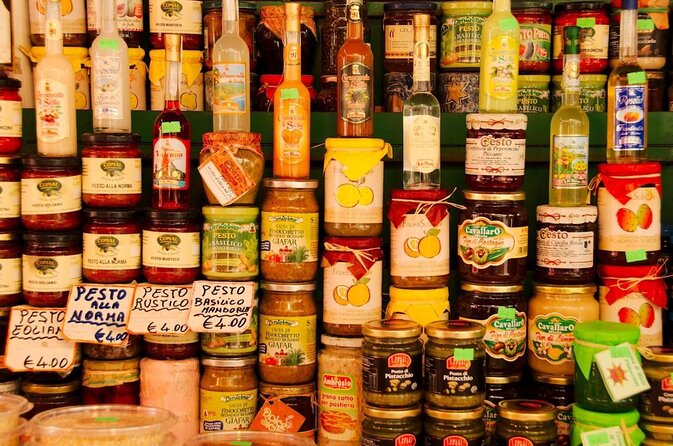
- Capo Street Market ingredient hunt: you pick fresh items in Palermo’s old-town food hub before cooking.
- Small group, hands-on teaching: max 8 people, with a pace that keeps you doing the work, not just watching.
- Chef Michael’s English-led class: clear steps plus stories that explain why Sicilian food is built the way it is.
- A true four-course meal: starter, pasta, main, and dessert, all made in your group.
- Wine plus homemade liqueurs: the sit-down part feels like dinner with a Sicilian host, not a quick tasting.
- Seasonal menu focus: what you cook depends on what’s available, so it stays practical and fresh.
The Capo Street Market: Where the Class Really Starts
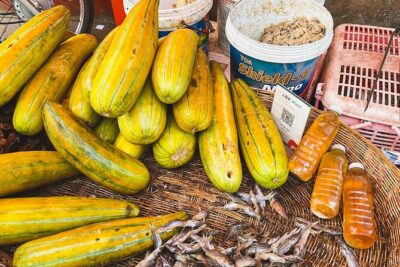
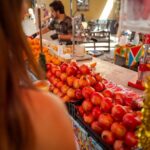
The meetup is near Porta Carini, right at the entrance to the Mercato del Capo area. From there, you head into the market to select what your group needs for the day’s cooking. It’s one of the best ways to learn Palermo food without treating it like a museum. You get to see how people actually shop: what’s fresh, what looks best, and what vendors are offering right now.
I like this part because it changes the mindset. Instead of memorizing recipes, you start thinking like a cook in Palermo—buy with the menu in mind, then adjust to what’s good. And it’s not just wandering. You’re choosing ingredients that show up in traditional street-food and home-style dishes.
Practical heads-up: the market is open-air and can be weather-dependent. If rain hits, some market areas may be less cooperative, and your shopping plan can shift. That’s normal here, but it matters because the class is built on ingredient selection.
You can also read our reviews of more tours and experiences in Palermo.
From Market Walk to the Air-Conditioned Kitchen
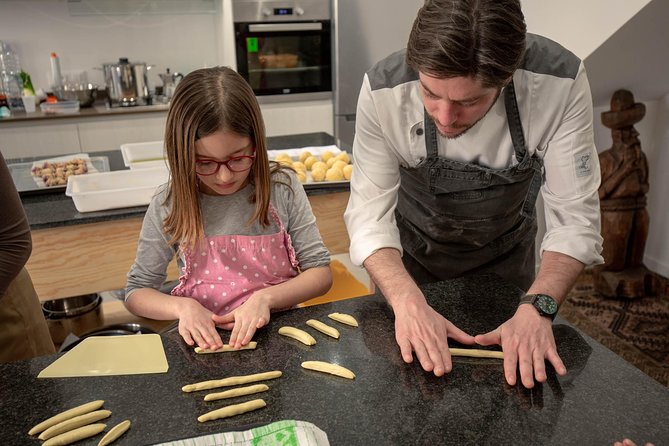
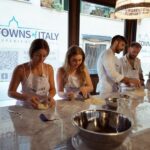
After shopping, you walk to the cooking school kitchen to prep your meal. This part is a big quality-of-life upgrade: the kitchen is air-conditioned, which helps a lot in Palermo’s warmer months. You’re moving from hot streets and outdoor stalls into a space designed for cooking lessons.
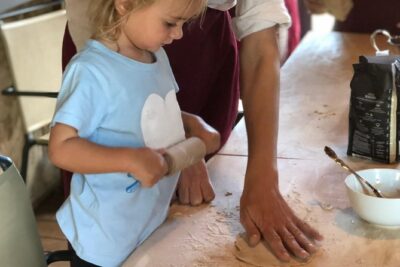
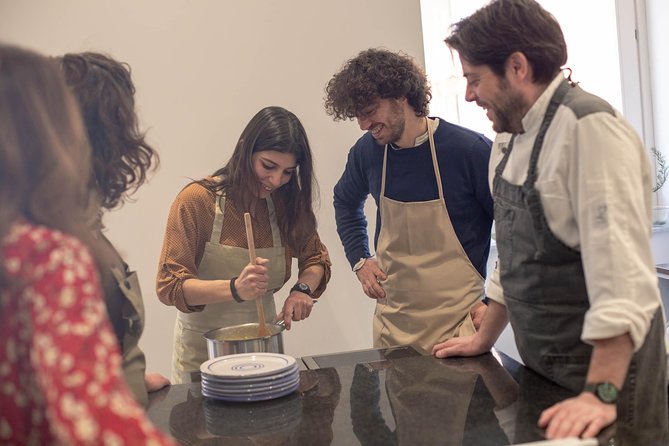
The kitchen setup is hands-on. You’re not just getting a lecture while someone else fries. You’ll clean, portion, mix, bread, roll, and shape based on the dish you’re working on. In several class accounts, the chefs made sure everyone could participate at each step, which is what you want in a small-group class.
One consideration: there can be stairs involved getting between spaces. If you have mobility issues, it’s worth flagging ahead of time so you’re not surprised at the meeting-kitchen transition.
Cooking a Palermo Four-Course Meal (Not Just Snacks)
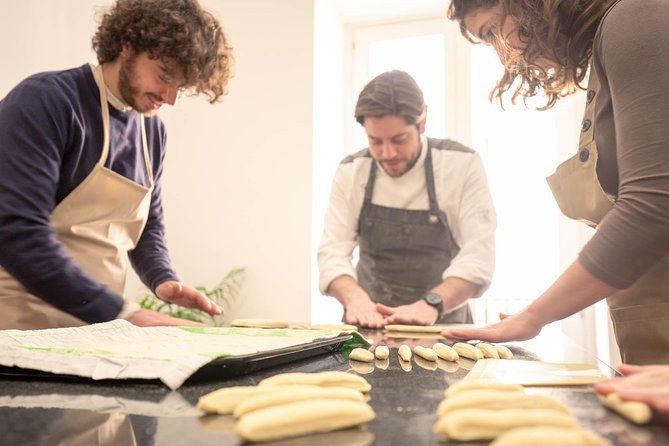
Your class dinner is structured like a real meal. You’ll work through a starter, a pasta dish, a main course, and dessert. The exact menu can vary with the season, but the core of Palermo-style cooking stays the same: simple ingredients treated with care, and strong flavors balanced with lemon, olive oil, herbs, and careful frying.
Starter: Panelle, Arancine, and Fried Artichokes
You can expect classic Palermo street-food flavors as the starter round.
- Panelle: chickpea fritters, freshly fried, finished with lemon. This is the kind of dish that tastes like it belongs in the middle of a lively market street.
- Arancine al burro: saffron rice balls filled with ham and cheese, breaded and fried. This is the comforting, crunchy side of Palermo’s food culture.
- Carciofi fritti: artichokes cleaned, quartered, breaded, and fried. They show how Palermo treats produce with the same respect as meat and cheese.
What I like here: these starters teach you technique, not just ingredients. Frying is timing-heavy, and you’ll learn what to watch for—texture, consistency, and when the food is ready to come out.
Pasta Course: Fresh Pasta and Pasta con le Sarde
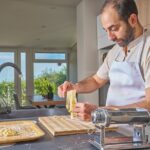
For the pasta section, you’re not stuck with store-bought dough. The menu includes an approach that teaches you how southern Italian pasta can be made by hand.
- Pasta fresca con salsa fresca: you make fresh pasta, then top it with freshly made tomato sauce.
- Pasta con le sarde: pasta with fresh sardines, wild fennel, saffron, currents, and pine nuts, finished with toasted breadcrumbs.
This combination is smart. It gives you both a technique-focused pasta (fresh pasta) and a flavor-identity pasta (sardines with fennel, saffron, and sweet-sour elements like currents). The mix is very Palermo: herbal, warm, and never one-note.
Main Course: Involtini di carne and Swordfish Panato
The main course leans into home-style cooking and classic Palermo dinner plates.
- Involtini di carne: thin meat rolls stuffed with cheese, breadcrumbs, currants, and almonds, skewered, breaded, and roasted. It’s family-style comfort with a sophisticated filling.
- Pesce spada panato: swordfish slices dipped in extra-virgin olive oil and coated with breadcrumbs seasoned with parsley, mint, and lemon zest.
If you love seafood, swordfish panato is a great lesson. Breadcrumbing plus herb-forward seasoning is one of those techniques you can reuse at home with different fish. If you prefer meat, involtini shows how currants and nuts can add balance instead of sweetness overload.
Dessert: Cannoli, Cassata, and Granita for the Finish
The desserts keep it unmistakably Sicilian. This is not “Italian dessert” in a generic way—it’s Palermo.
- Cannoli: fried pastry tubes filled with sweet ricotta cream, topped with candied orange peel and pistachios from Bronte.
- Cassata: almond paste and sponge cake stuffed with sweet ricotta cream, decorated with candied fruit.
- Granita di mandorle: frozen almond granita made with water, sugar, and almonds.
I appreciate the variety. Cannoli is crunchy and creamy, cassata is structured and cake-like, and granita is icy and simple. Together, they show you three ways Sicilians build dessert: fried pastry, molded cake, and fruit-and-nut ice.
Wine, Homemade Liqueurs, and Coffee: The Real Payoff
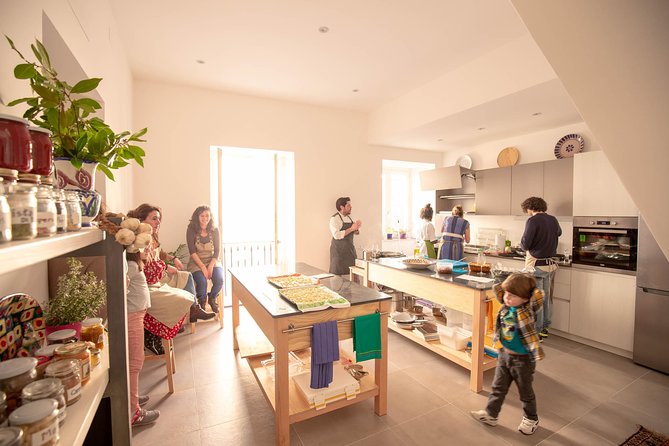
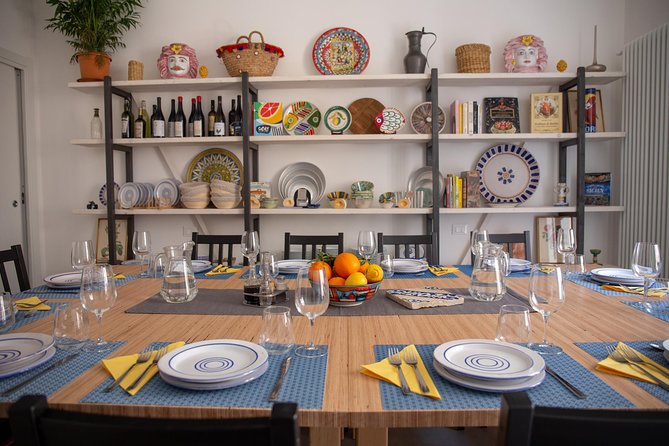
Once you finish cooking, you sit down together for what you made. The meal comes with a selection of Sicilian wines, plus homemade liqueurs and coffee to close things out.
In many of the class accounts, people call out the pairing and the host-style atmosphere. It’s the difference between eating food that’s been plated for you and eating the food you made with guidance. You can taste the steps you took—like how the lemon brightens fried panelle, or how herbs and citrus lift breaded fish.
There’s also a charming side to the liqueurs. You may notice flavors tied to local fruit, including orange. And the coffee-and-liqueur ending gives you a natural moment to talk, ask questions, and swap notes.
What $118.56 Gets You (And Why It Can Feel Like a Bargain)
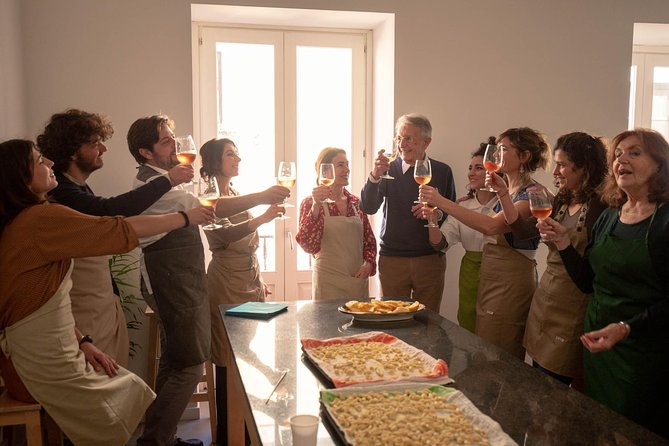
At $118.56 per person for about 4 hours 30 minutes, this is not a “cheap activity.” But it’s also not priced like a show. You’re paying for several things at once:
- Market shopping for ingredients
- Hands-on cooking instruction in English
- A full four-course meal with wine
- Homemade liqueurs and coffee
- A small group size (max 8)
When a cooking class includes wine and multiple courses, the value gets easier to see. You’re getting a full, sit-down meal out of it—not just a bite. And because the class is limited to a small group, the chefs can actually work with you rather than rushing through steps for a crowd.
If you’re the type who likes to eat well while learning something practical, this class tends to land in the “worth it” category.
The Human Part: Chef Michael and the Small-Team Feel
This is one of those classes where the personality matters. Chef Michael runs a very organized market visit and stays involved through the cooking. Across accounts, his English instruction is repeatedly praised for being clear and easy to follow, and he explains not just how to cook, but why certain ingredients belong together.
You may also spend time working with assistants such as Elena or Melissa, depending on the day. That small-team structure matters in a hands-on class—someone is usually right there to help you correct a step or explain timing.
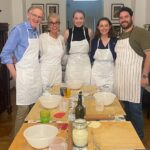
And there’s a social rhythm to it. You’re introduced to each other before cooking, which makes the kitchen feel friendly rather than awkward. Then, the shared lunch with wine turns the class into a relaxed dinner-like experience.
Who Should Book This Class (And Who Might Skip It)
This class fits best if you want:
- A hands-on cooking lesson with real local dishes
- An English-friendly instructor and clear steps
- A full meal experience, not just cooking demos
- A small group (max 8) where you can actually participate
You might think twice if you:
- Have severe food allergies (the class isn’t recommended for those; you should contact them to discuss needs)
- Need step-free access (stairs may be part of the route or setup)
- Prefer cooking classes that are slower and less hands-on
If you’re visiting Palermo and want a high-value way to learn about food culture through action, this is a strong choice.
Practical Notes for a Smooth Morning in Palermo
This starts at 10:00 am, and it’s built around walking between the market area and the kitchen. That means you’ll want comfortable shoes and a calm attitude about timing (markets don’t run like airports).
Bring a willingness to work. Even if you’ve cooked before, the recipes here are tied to Palermo technique—breadings, frying, and shaping. It’s not stressful, but it is active.
Finally, think of this class as a menu-and-method lesson. If you leave with a few techniques—how to fry properly, how to build herb-and-citrus seasoning, how to assemble ricotta-filled sweets—you’ll get more from the experience when you cook at home later.
Should You Book Sicilian Pantry’s Cooking Class?
If you want an authentic Palermo food experience with hands-on teaching, this class is easy to recommend. The market ingredient selection adds context, the kitchen time is structured so you participate, and the four-course meal with wine, homemade liqueurs, and coffee turns it into a full afternoon.
Book it if:
- You like local cooking beyond the tourist hits
- You want a small group and English-led instruction
- You’d rather eat well while learning than just watch someone else cook
Consider booking another option if:
- Severe allergies are part of your needs
- Mobility concerns make stairs a problem
- You want a very relaxed, low-participation activity
If you’re doing Palermo for food, this is one of the most practical ways to spend your time.
FAQ
How long is the Sicilian Cooking Class in Palermo?
It runs for about 4 hours 30 minutes.
Where is the class located?
The experience takes place in Palermo, Italy, with the meet-up near Porta Carini and the kitchen in the area afterward.
What time does it start?
The start time is 10:00 am.
Is the class taught in English?
Yes. The cooking class is offered in English.
How many people are in the group?
The class has a maximum of 8 travelers.
What dishes are included?
You’ll make and then eat a four-course meal that can include dishes such as panelle, arancine al burro, pasta fresca with fresh tomato sauce, pasta con le sarde, involtini di carne, swordfish panato, and desserts like cannoli and cassata, plus granita.
Do you shop for ingredients at a market first?
Yes. You meet near the Mercato del Capo area and go to the market to select fresh ingredients for the lesson.
Are dietary requirements accommodated?
Not recommended for people with severe food allergies. If you have dietary requirements, you should contact the provider so they can advise.
Is the meeting point easy to reach with public transportation?
Yes, it’s near public transportation, and you also get a mobile ticket.
What is the cancellation policy?
Free cancellation is available up to 24 hours in advance for a full refund. If you cancel less than 24 hours before the start time, the amount paid is not refunded.