REVIEW · HANOI
Hanoi: 5 Local Dishes Cooking Class with Meal & Market Visit
Book on GetYourGuide →Operated by Apron Up Cooking Class · Bookable on GetYourGuide
You come for the food, but leave with real skills. This Hanoi class mixes wet market shopping with hands-on cooking, so you learn why flavors work, not just what to do. I love that you’ll shop with a local chef, then cook 5 Hanoi dishes step by step. I also love that the class ends with lunch or dinner made by your own hands. One consideration: the activity is not suitable for wheelchair users or people with mobility impairments, since you’ll be on your feet around the market and kitchen.
I like that everything important is included: an English-speaking instructor, market ingredients, tools, tea, fruit, and even a taste of homemade rice whisky. You’ll also get a cook book and a certificate to bring home, which makes this feel more like a skill session than a quick food stop.
If you want a Hanoi experience that’s both practical and fun, this is a strong pick. The class runs about 3.5 hours, meets at Apron Up Cooking Class in the Old Quarter, and returns you to the same spot afterward.
In This Review
- Quick hits before you go
- Meeting Up in Hanoi’s Old Quarter at Apron Up Cooking Class
- Wet Market Shopping: Picking the Ingredients That Make Hanoi Food Work
- Choosing Between Two Hanoi Set Menus (With Vegetarian Options)
- Cooking the Five Dishes: Hands-On Skills, Not Just Watching
- What you’ll practice across the menu
- Inside the Workshop: From Ingredient Prep to Plating Your Own Meal
- Lunch or Dinner at the Table: Eating What You Cook
- Rice Whisky, Tea, Fruit, and Egg Coffee: The Hanoi Taste Extras
- What You Take Home: Cookbook, Certificate, and Practice at Your Own Pace
- Price and Value: Is $40 Fair for a 3.5-Hour Hanoi Class?
- Who Should Book This Cooking Class in Hanoi
- Before You Go: Simple Tips for a Smooth 3.5 Hours
- Should You Book This Hanoi Cooking Class?
- FAQ
- How long is the Hanoi cooking class?
- How much does it cost?
- Where do I meet for the experience?
- What will I cook during the class?
- Is there a vegetarian option?
- What’s included in the price?
- Is transportation included?
- What language is the instruction?
- Will I return to the meeting point?
- FAQ
- Is this class suitable for children or people with mobility issues?
Quick hits before you go
- Wet market visit first so you start with fresh ingredients, not a mystery pantry
- 5-dish hands-on cooking with step-by-step guidance for dishes like pho and egg coffee
- Two set menu paths so you can choose between two classic Hanoi flavor mixes
- Vegetarian adaptation available with menu swaps designed for vegetarians
- Tea, rice whisky, and fruit tasting to round out the meal like a mini food tour
- Cook book + certificate for a take-home reminder and practice guide
Meeting Up in Hanoi’s Old Quarter at Apron Up Cooking Class
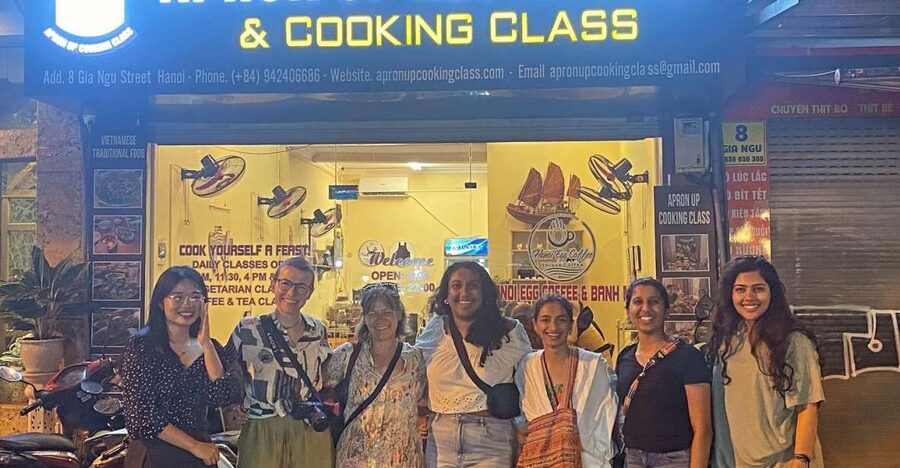
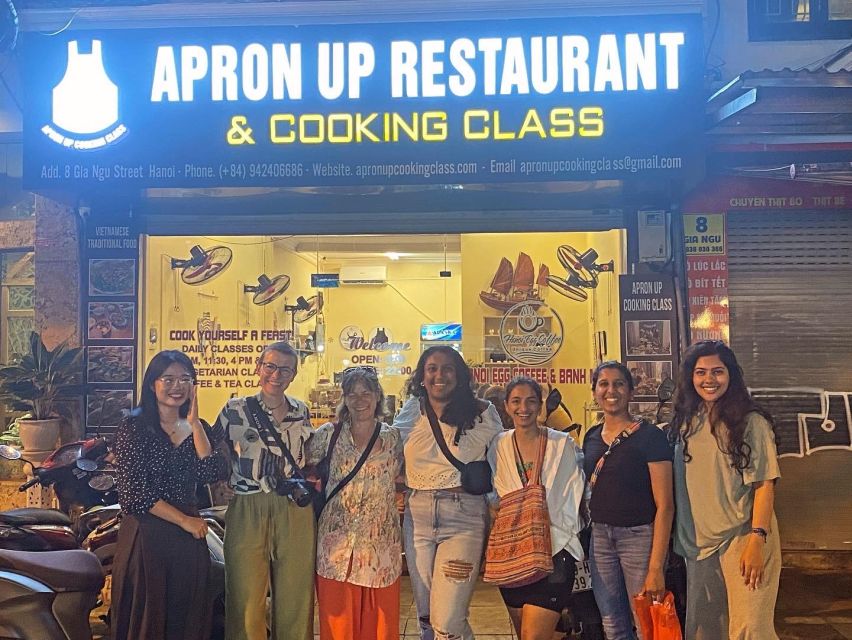
You’ll start at Apron Up Cooking Class in Hanoi’s Old Quarter. The meeting setup is straightforward: look for a big Apron Up sign in front of the venue. It’s convenient because you’re already in the area where most Hanoi foot traffic happens, which makes it easy to fold into the rest of your day.
This matters because cooking classes go better when you’re not rushing. You’re not just watching food get made; you’re shopping, prepping, cooking, and eating in the same 3.5-hour window. A nearby meeting point helps you show up calm and hungry, not stressed and late.
You can also read our reviews of more tours and experiences in Hanoi.
Wet Market Shopping: Picking the Ingredients That Make Hanoi Food Work
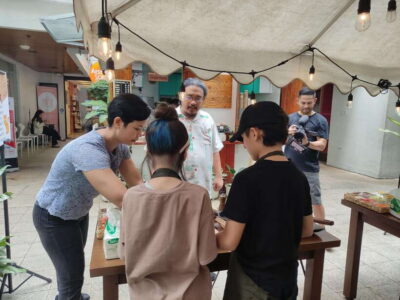
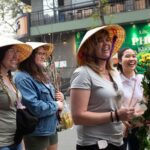
One of the best parts is that you don’t begin with a recipe. You begin at a local wet market with your instructor, where you learn how to select fresh ingredients like a local shopper. You watch the chef choose and purchase what your dishes need, which is a big deal for Vietnamese cooking.
Here’s what I find valuable in a market-first approach: you start connecting flavor to ingredients. When you later cook, you know what to look for and why it matters, whether it’s the right herbs, the right cuts, or the right textures for noodles, rolls, and pancakes.
You’ll also get practice on the “real Hanoi” rhythm. Markets move fast, vendors talk, and ingredients come in all shapes. Even if you don’t speak much Vietnamese, the visual cues and your instructor’s explanations give you a workable sense of what freshness means in the moment.
Choosing Between Two Hanoi Set Menus (With Vegetarian Options)
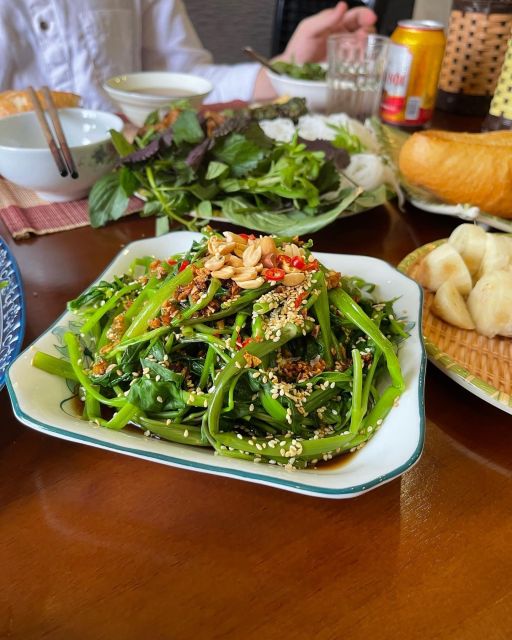
You can choose from two set menus, and each one includes familiar Hanoi favorites. Your class is designed around cooking five dishes, but the menu options list multiple possibilities so your instructor can guide the exact selection based on your group.
If you pick the first set menu, you may cook dishes such as:
- banh xeo pancakes
- bun cha (grilled pork and noodles)
- pork rib noodle soup
- beef fresh rolls
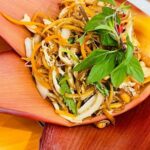
- chicken salad
- banana ice cream
The second set menu option includes dishes such as:
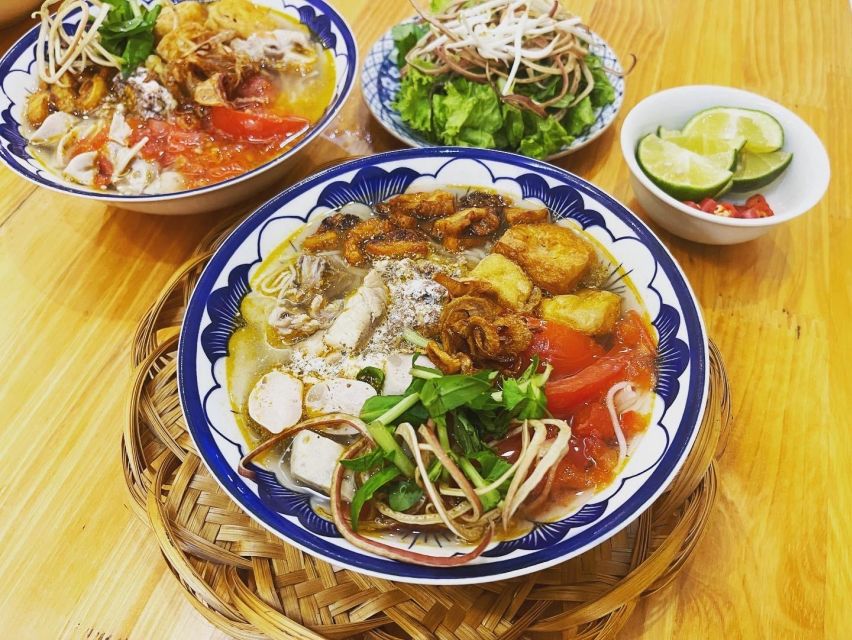
- pho
- bun cha
- fried spring rolls
- papaya salad
- egg coffee
The key upside is flexibility. The class can be adapted to vegetarian diets, and the vegetarian side isn’t just a token swap. You’ll still be cooking the core dishes in a way that keeps the meal feeling complete, and you’ll be guided through the same kind of technique and flavor-building.
I also like that the menu choice helps you match the class to your appetite. Want a mix of noodle soup, rolls, and brunchy street snacks? One set menu leans that way. Prefer pancakes, salads, and dessert? The other set menu fits nicely.
Cooking the Five Dishes: Hands-On Skills, Not Just Watching
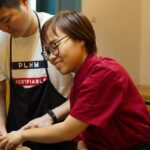
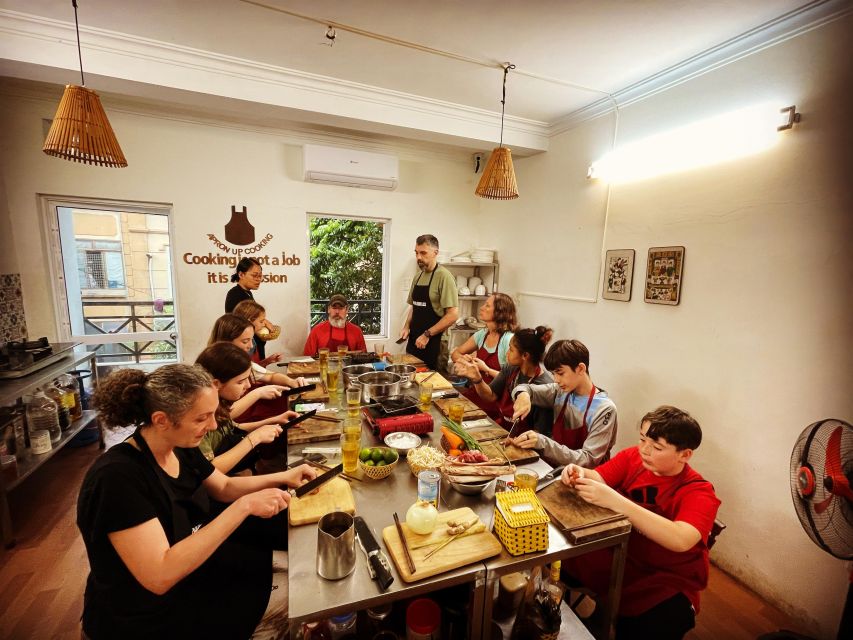
This is where the class earns its reputation. You don’t stand in the corner and hope you remember the steps. You roll up your sleeves, work with tools and ingredients, and get clear instruction on how to craft each dish.
Your instructor gives step-by-step guidance throughout, which is ideal if you’re new to cooking. Several instructors have led classes like Winnie, Vy, Bella, Ruby, Kim, and Vi, and the common thread is patience and structure, so you’re not left guessing when something doesn’t turn out on the first try.
What you’ll practice across the menu
Even though the dishes differ, you’ll build a core set of cooking habits that transfer to home cooking. For example:
- how to prep components for noodle soups and noodle-based dishes
- how to roll and assemble fresh rolls and salads
- how to manage heat and texture for dishes like spring rolls and banh xeo pancakes
- how to think about balance (sweet, sour, salty, herb-forward) in Vietnamese flavors
You’ll also be given practical tips and tricks to make your dishes shine with authentic flavor. This is the part you’ll really appreciate when you try to recreate Hanoi tastes later.

Inside the Workshop: From Ingredient Prep to Plating Your Own Meal
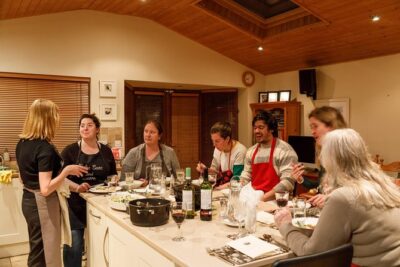
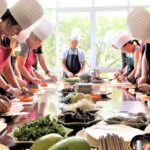
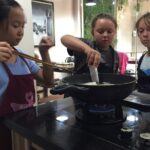
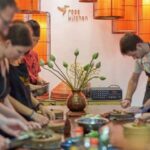
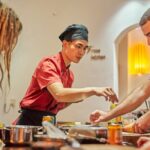
The class is hands-on from start to finish. After your market visit, you return to the cooking space and you begin working through your chosen five dishes. You’ll follow the instructor’s demonstrations, then repeat the actions yourself at a pace that makes sense for the group.
A lot of cooking classes feel either too fast or too vague. This one tends to feel like a well-run teaching session because the focus is on doing, not rushing. You’ll have tasks for each part of the meal, and the overall flow keeps moving so you spend your time actually cooking instead of waiting around.
One more thing I like: you learn by making. When you cut, mix, assemble, and cook in the same session, you absorb technique much faster than by reading a recipe once at home.
Lunch or Dinner at the Table: Eating What You Cook
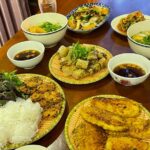
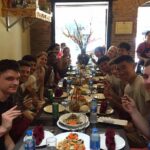
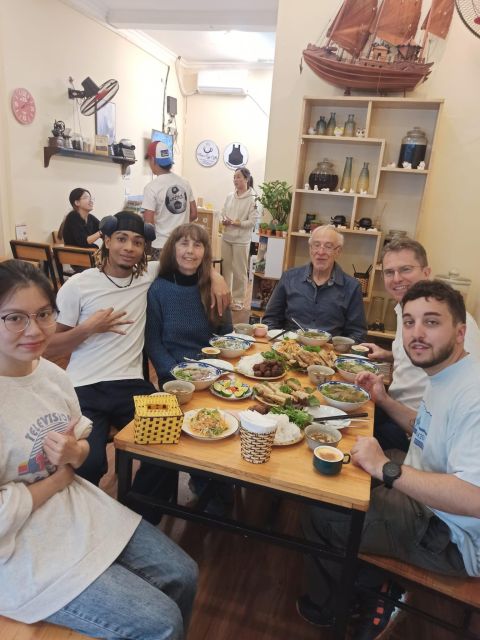
Then comes the payoff. You sit down and eat the fruits of your labor—lunch or dinner depending on the session time. This shared meal is part of the fun, because you get to compare what you made with what your cooking partners made, and it makes the whole class feel like a real Hanoi dining moment.
It also helps you understand the food as a whole. Vietnamese dishes don’t live in isolation; sauces, herbs, crunch, and acidity usually matter as much as the main protein or noodle. Eating immediately after cooking reinforces that idea, and you can adjust your taste sense right away.
If you’re the type who likes your travel experiences to end with a satisfying meal, you’ll enjoy this format. You’re not just touring ingredients—you’re tasting the final result while it’s still fresh.
Rice Whisky, Tea, Fruit, and Egg Coffee: The Hanoi Taste Extras
A standard meal is good. A Hanoi meal gets better with the extras. In this class, you’ll sample tea and homemade rice whisky, along with seasonal fruit. These aren’t random add-ons; they fit the overall food culture and give you something to sip or snack while you cook and then eat.
Egg coffee is also part of one of the set menu options. It’s a great way to finish the class because it’s unmistakably Hanoi. Sweet, creamy, and a little foamy, it gives your final taste memory a strong local anchor.
If you’re curious but cautious, start with small tastes. Rice whisky can be intense, and the class gives you a tasting portion rather than forcing a big drink moment.
What You Take Home: Cookbook, Certificate, and Practice at Your Own Pace
You’ll receive a cook book and a certificate at the end of the experience. That sounds like a souvenir, but it’s really practical. The cook book gives you a way to recreate what you made, and the certificate is a neat “proof of skill” moment that makes the trip feel like progress, not just consumption.
I like that it’s not only instructions; you also learn the logic behind flavor. When you cook at home, you’ll have more confidence adjusting herbs, balancing sauces, and understanding how fresh ingredients affect the result.
This is especially helpful if you’ve been burned by recipes that don’t taste like the restaurant. After doing the full flow here—market to market-made meal—you’re better equipped to get closer to the original feel.
Price and Value: Is $40 Fair for a 3.5-Hour Hanoi Class?
At $40 per person for a 3.5-hour class, this sits in the “worth it” category for me—mainly because you’re not paying for a cooking demo. You’re paying for a full experience: market shopping, ingredients and tools, hands-on cooking, tea, rice whisky, fruit, and your lunch or dinner.
If you usually pay extra for a food tour plus a separate cooking class, you’ll likely see better value here because multiple pieces happen together. You also leave with a cook book, which is something you can actually use later.
The only thing that can affect value is your menu choice and how it matches your cravings. If you love noodle soups and coffee-style desserts, choose the set that includes pho and egg coffee. If you’re more into pancakes, salads, and grilled flavors, go with the other set menu.
Who Should Book This Cooking Class in Hanoi
This experience is a great fit if you:
- want a hands-on way to learn Hanoi flavors
- like markets and want to shop like a local with an instructor
- want a meal at the end that you cooked yourself
- travel with mixed skill levels (the instruction is designed for people who need structure)
- want vegetarian options, since menus can be adapted
It may not be a great fit if you:
- use a wheelchair or have mobility limitations
- prefer a fully passive experience with no standing or kitchen work
- have very young children (it’s not suitable for children under 4)
- are very elderly (it’s not suitable for people over 95)
Before You Go: Simple Tips for a Smooth 3.5 Hours
You don’t need special cooking gear. But you’ll be happier if you:
- wear comfortable shoes for walking around the market and moving in the cooking area
- come with a decent appetite, since you’ll eat lunch or dinner during the session
- be ready to taste things like rice whisky and egg coffee if those are in your menu
- bring curiosity about ingredients, even if you can’t identify everything in the market
If you’re vegetarian, be clear about it when you choose your menu. The class can be adapted, and that clarity helps your instructor plan the right dish versions for you.
Should You Book This Hanoi Cooking Class?
I’d book it if you want a real skill-building food experience in Hanoi’s Old Quarter. The market visit isn’t window dressing, and the payoff is immediate: you cook five dishes and then eat them as a shared meal. The $40 price feels reasonable because you’re getting ingredients, tools, instruction, tastings, and a take-home cook book.
I’d skip it if you can’t comfortably handle standing and walking, or if you want zero hands-on participation. But for most people, this is one of the easiest ways to bring Hanoi home with you, one dish at a time.
FAQ
How long is the Hanoi cooking class?
The class runs about 3.5 hours.
How much does it cost?
It costs $40 per person.
Where do I meet for the experience?
Meet at Apron Up Cooking Class in Hanoi’s Old Quarter. Look for a big Apron Up sign in front of the venue.
What will I cook during the class?
You’ll cook 5 traditional Hanoi dishes, choosing from two set menus that can include items like banh xeo, bun cha, pho, fresh rolls, fried spring rolls, papaya salad, and egg coffee.
Is there a vegetarian option?
Yes. The menus can be adapted to vegetarian diets.
What’s included in the price?
Included are an English-speaking instructor, the market trip, lunch or dinner, all ingredients and tools, tea and rice whisky, fruit, and you’ll also receive a cook book and certificate.
Is transportation included?
No. Transportation is not included.
What language is the instruction?
The class is taught in English.
Will I return to the meeting point?
Yes. The activity ends back at the meeting point.
FAQ
Is this class suitable for children or people with mobility issues?
Children under 4 years are not suitable. It’s also not suitable for wheelchair users and people with mobility impairments. People over 95 years are not suitable either.