REVIEW · HO CHI MINH CITY
Vietnam Flavour: Market-to-Table & The Art of Egg Coffee
Book on Viator →Operated by Vietnam Flavour Cooking Class · Bookable on Viator
Your Saigon meal starts at the market. This market-to-table Ho Chi Minh City class pairs ingredient hunting with a hands-on cook session, plus a dedicated egg coffee moment. I like that it stays practical and technique-focused, and I also like the small-group feel with a private station. One thing to plan for: it’s outdoors in a garden setting, so insects are part of the experience.
Set aside about 4 hours and come hungry. You start near Bến Thành Market at Cửa Tây Chợ Bến Thành, then cook together in a calm green space away from street noise. In past sessions, chefs and hosts like Thao and Alice have guided people through the market and the kitchen flow.
- Bến Thành Market sourcing: You shop produce, herbs, and spices before you cook, so you understand what you’re actually using.
- Outdoor garden kitchen: Bamboo shade, trees, and a calmer vibe than you’d expect in District 1.
- Hands-on from scratch: Everyone cooks, and you learn repeatable moves like chopping, sautéing, and flavor balancing.
- Egg coffee session included: Not just a tasting, but active guidance for making it.
- Small group max 8: A more personal pace than big cooking tours, with your own station.
- Diet-friendly options: Vegetarian and halal are available on request, and allergies are addressed.
In This Review
- Starting at Bến Thành: the market walk that teaches Vietnamese cooking
- The garden kitchen setup: calm, hands-on, and bug-realistic
- Cooking your way through Vietnam: 3 main courses plus a sweet finish
- The art of egg coffee: a hands-on Saigon-style drink moment
- Price and value check: what $45 includes in real terms
- Who this class is for (and a few tips that make it smoother)
- FAQ
- FAQ
- What is the price for this Vietnam Flavour cooking class?
- How long is the experience?
- Where does the class meet?
- What group size should I expect?
- Is egg coffee included?
- Are vegetarian or halal options available?
- Do I get recipes to take home?
- Is this suitable for children?
Starting at Bến Thành: the market walk that teaches Vietnamese cooking
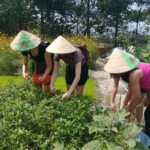
This class starts at Cửa Tây Chợ Bến Thành (21, 23 Phan Chu Trinh, Phường Bến Thành, Quận 1). That location matters. You’re in the heart of where Saigon eats, so the market walk feels like more than a photo stop.
You’re not just browsing. You’re learning how Vietnamese cooks think about building flavor. Expect to see fresh herbs, common cooking greens, spices, and everyday produce that later turn into the dishes on your menu. The chef or host talks through what each ingredient does in real Vietnamese cooking, not just how it looks.
A nice perk here is that the market experience seems to set the tempo for the whole class. Once you’ve picked ingredients yourself (or watched closely while your group does), the kitchen part makes more sense. You start tasting with a purpose: this herb is for freshness, this spice is for aroma, this sauce comes from balancing sweet, salty, sour, and heat.
And yes, the market walk can be warm and sun-heavy at times. Bring a hat and sunglasses. If you’re sensitive to heat, plan to hydrate early, before your appetite steals your focus.
The garden kitchen setup: calm, hands-on, and bug-realistic
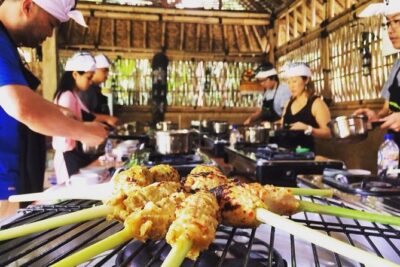
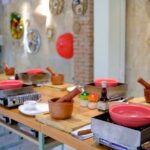
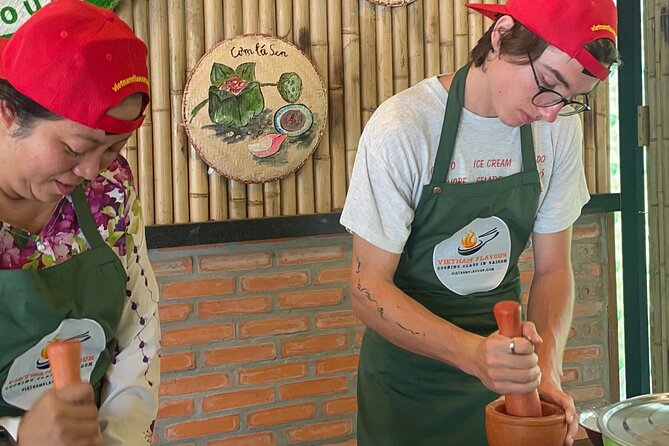
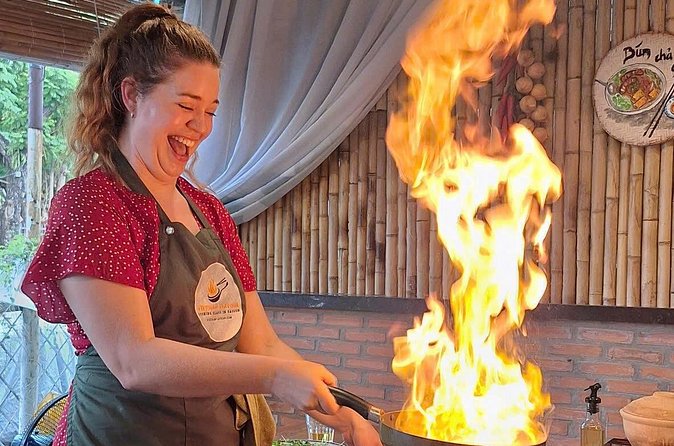
The cooking happens in an outdoor venue that people describe as a green oasis in the middle of the city. Think bamboo hut shade, trees overhead, and a “how is this here?” quiet feeling compared with the traffic outside.
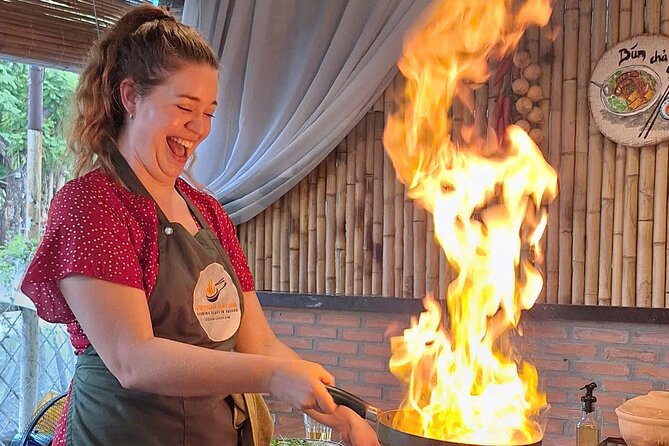
This is one of my favorite types of cooking-class setups. Indoors, you can feel stuck inside a kitchen. Outdoors, you get air movement, and the class feels more like a guided food day than a factory shift. Reviews repeatedly mention the relaxed atmosphere and the fact that instruction stays clear and patient.
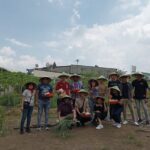
Practical note: it’s outdoors. Several people advise covering your legs and using mosquito repellent. If you do only one thing beyond showing up, make it this. Long pants or light leg protection makes a bigger difference than you’d expect after a market walk.
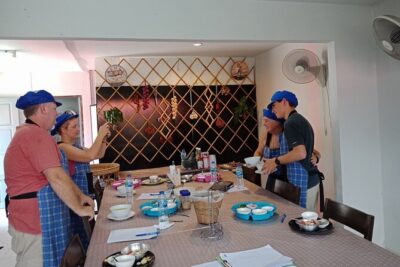
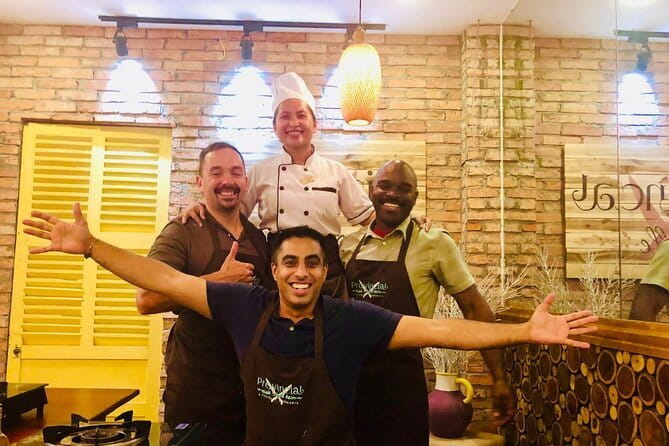
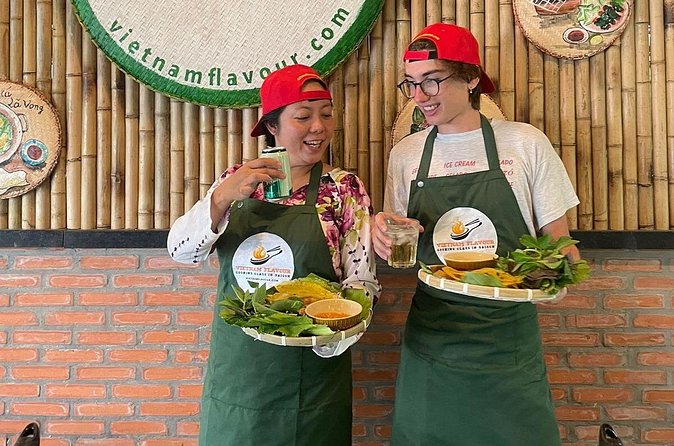
Group size is capped at 8, and that changes the feel. You’re not waiting in line to touch a pan. People describe being actively involved for every dish, not watching most of the cooking from the sidelines. You also get your own private station, which helps if you want a smoother flow when recipes move fast.
You can also read our reviews of more tours and experiences in Ho Chi Minh City.
Cooking your way through Vietnam: 3 main courses plus a sweet finish
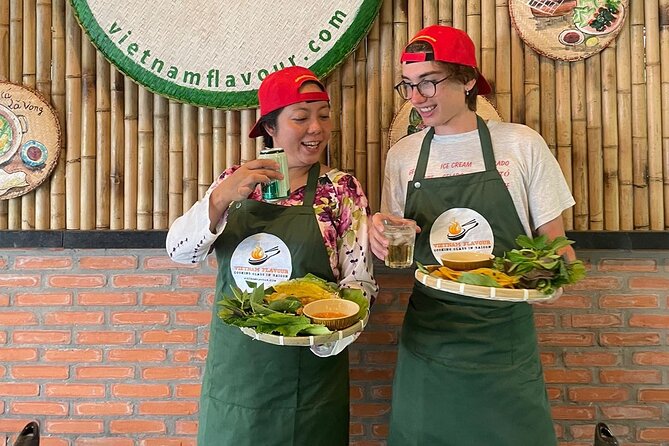
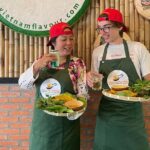
Your chef guide leads the group through three main courses. The menu changes daily, so you can’t treat this like a scripted cooking show where the same dishes repeat every day. That’s actually a good thing for value, because you’re more likely to eat what locals are shopping and cooking right now.
What you can expect is the structure:
- Start with ingredients you found in the market.
- Learn core techniques step by step.
- Cook together, then eat what you made as a group meal.
From the reviews, the class often includes a mix of proteins and classic Vietnamese flavors, such as dishes people recall like beef salad, caramel chicken, fish soup, and a banana dessert. Even if your exact menu differs, the cooking style is consistent: you learn how to chop efficiently, sauté correctly, and balance sauces so they taste right instead of just salty or sweet.
You’ll also likely work with multiple sauces. That’s where a lot of travelers suddenly feel more confident. Vietnamese food often depends on adjusting a sauce to taste, not just following a single recipe measurement. That’s useful at home because you can learn the logic and then adapt.
Come in with a real appetite. Multiple people warn you to eat nothing before, because the amount of food you make is genuinely more than a light snack. One review even notes they left too full to finish everything, which tells you the class meal is a full-feast portion, not a tiny tasting.
Also, don’t worry if you’re not an expert. Several people described feeling guided even when they were not strong cooks. The pace seems designed for skill-building, not intimidating you with fast knife work.
The art of egg coffee: a hands-on Saigon-style drink moment
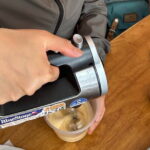
Egg coffee is included as a session, and you also get coffee and/or tea guidance as part of the class. This isn’t just sitting at the end with a drink. You’re shown how to make it during the program.
One detail I like: the class feels responsive about drinks. People report that if you don’t drink coffee, they can offer an alternative like sugar cane juice. Another person got cinnamon tea because of a preference. That suggests the hosts pay attention to the group’s needs rather than serving the same thing no matter what.
Now, here’s the one practical warning for food-style purists: egg coffee involves condensed milk in the style used for this experience. A review notes that for a vegan diet, there was no replacement offered for condensed milk in a dessert context. If you eat vegan, bring that up clearly when you book, and expect that some adjustments may be limited.
Still, for most diets, egg coffee is one of the most memorable parts of the day. It’s a very Saigon thing, and it gives you a chance to understand one more Vietnamese flavor category beyond the savory dishes.
Price and value check: what $45 includes in real terms
At $45 per person for about 4 hours, you’re paying for more than a cookbook moment. You’re paying for time with a chef guide, ingredient sourcing, and an event that includes eating what you cook.
Here’s the value breakdown based on what’s included:
- Market tour for morning and afternoon classes
- Chef guide leading you through 3 main courses
- Egg coffee session
- Coffee and/or tea guidance
- Vegetarian and halal options available on request
- All fees and taxes included
- Small, intimate class sizes with a maximum of 8
- Your own private station
- Recipe takeaway to help you repeat the dishes later
- Souvenirs included
That package adds up. Many cooking classes cost more once you factor in market time and the fact you eat a proper meal. Also, your station and small group size help you actually learn instead of just following along.
If you’re deciding between a food tour and a cooking class, ask yourself what kind of souvenir you want. This gives you both: a full meal experience and recipes you can recreate at home.
Who this class is for (and a few tips that make it smoother)
This is ideal if you:
- Want a practical Ho Chi Minh City cooking class with real technique practice
- Like market culture and ingredient learning, not just tasting
- Appreciate small-group pacing and a quieter garden setting
- Plan to bring at least some of the recipes home and cook again
It may not be a great fit if:
- You have trouble with outdoor settings (mosquitoes, sun, heat)
- You’re expecting a purely indoor, air-conditioned classroom experience
- You need strict vegan swaps across all ingredients, since some condensed-milk components may not have replacements
Tips that genuinely help:
- Wear something that covers your legs and bring repellent.
- Don’t eat a big breakfast. You’ll want space for the meal you cook.
- Tell the team your drink preferences and dietary needs up front. The class seems willing to adapt beverages, and it can adjust menus for vegetarian or halal requests.
- If you have allergies, ask what can be safely managed. The experience states allergies are covered.
FAQ
FAQ
What is the price for this Vietnam Flavour cooking class?
The price is $45.00 per person.
How long is the experience?
It runs for approximately 4 hours.
Where does the class meet?
You meet at Cửa Tây Chợ Bến Thành, 21, 23 Phan Chu Trinh, Phường Bến Thành, Quận 1, Thành phố Hồ Chí Minh, Vietnam.
What group size should I expect?
The class has a maximum of 8 travelers, with intimate small-group sizes.
Is egg coffee included?
Yes. An egg coffee session is included.
Are vegetarian or halal options available?
Yes. Vegetarian and halal options are available upon request. The experience also says allergies are covered.
Do I get recipes to take home?
Yes. You leave with detailed recipes and instructions.
Is this suitable for children?
It is not recommended for travelers with kids under 6.