REVIEW · KALAMATA
Village cooking class in an Agritourism Unit in Arcadia, Greece!
Book on Viator →Operated by Mama's flavours · Bookable on Viator
This is the kind of day where your hands learn Greek food faster than your phone. In Arcadia near Kalamata, you’ll tour the stone workshop and gardens, pick fresh veggies, and cook with a local Greek mum. I especially like the cookware museum and the old cookbooks vibe, plus the fact it’s a true private day with no other guests added once you book.
The one real consideration: the Arcadia farm is about an hour from Kalamata and the experience depends on good weather, so plan around outdoor time and transport.
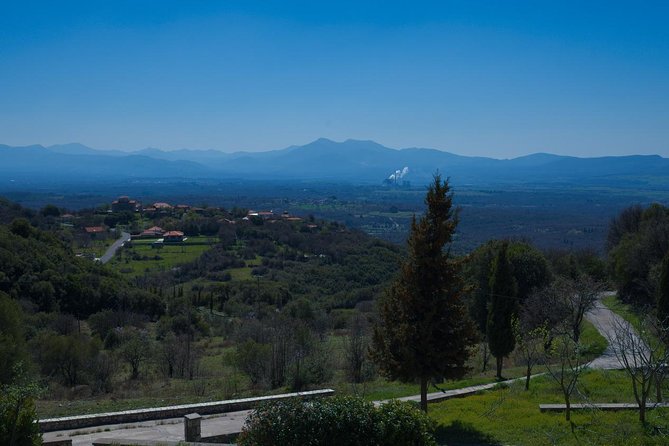
You start from Kalamata (9:00am at the Port Authority), then head into mountainous Arcadia in the Peloponnese. The setting is built for slow food: views toward Mt. Lykaio and the village of Karytaina, a 2.5-acre property, and a restaurant where you eat what you make with local producers and Greek wine.
And if you’re there in June, there’s a seasonal bonus—wheat harvesting in the wheat fields. The style of the day is hands-on, friendly, and focused on real village cooking, not restaurant demo theatrics.
In This Review
- Key highlights worth planning for
- Arcadia cooking class: a real village kitchen day, not a show
- The 6-hour rhythm: farm tour, museum stops, then you cook
- Cooking with a local mum: what you might make
- The Cookware Museum and library: why old tools belong on your itinerary
- Lunch in Arcadia: what you eat, what’s included, and why it matters
- Seasonal bonus: wheat harvesting in June
- Price and logistics: $382.01, pickup options, and what you get
- Practical notes that can make or break the day
- Who should book this Arcadia cooking day?
- Should you book Mama’s flavours in Arcadia?
- FAQ
- How long is the village cooking class experience?
- Where do we meet in Kalamata, and what time does it start?
- Is this a private tour or will I share with other guests?
- What kinds of dishes can I learn to cook?
- What is included for lunch and drinks?
- Does the day include more than cooking?
- When can I participate in wheat harvesting?
- Do I need transportation from Kalamata, and can they handle dietary needs?
- If it rains, do I still go?
- Can I change or get a refund after booking?
Key highlights worth planning for
- A true private day in Arcadia so it stays personal, not crowded
- Cookware Museum + library of 650+ cookbooks that explain how village kitchens worked
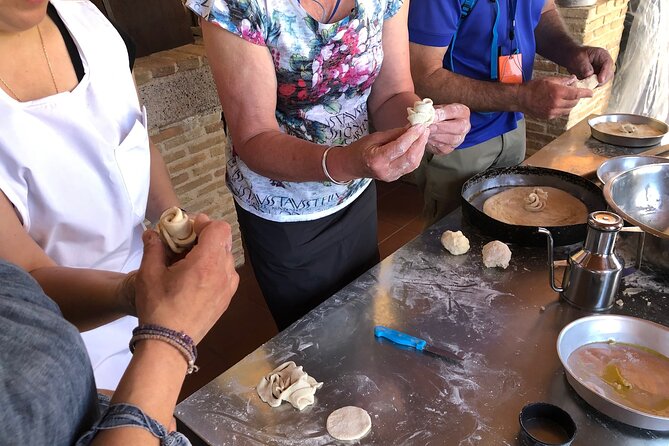
- Hands-on cooking with local hosts (bread, pies, and fermented milk pasta balls)
- Lunch built around your food plus local products, Greek wine, and ouzo
- Outdoor farm time with veggie picking, and optional wheat harvesting in June
Arcadia cooking class: a real village kitchen day, not a show
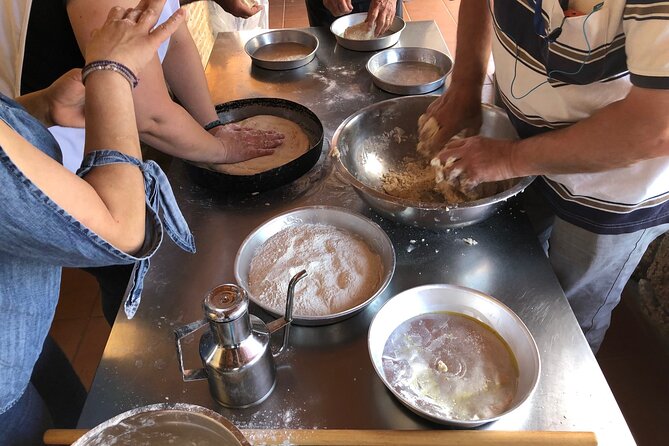
If you like Greek food because it tastes lived-in, this tour fits. You’re not just watching someone else cook. You’re learning the steps, handling ingredients, and then sitting down to eat the results with wine—simple, satisfying, and very Greek.
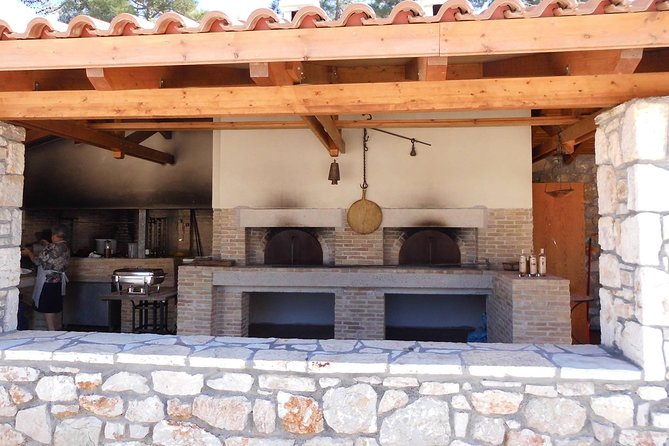
The day runs about 6 hours and centers on an agritourism unit and an Arcadian workshop in a small village. It’s built on 2.5 acres and set up like a working place: food preparation area, cookware history, a cookbook library, and a restaurant.
And yes, you’ll get outside. The tour includes outdoor time in fields and the village around the workshop, with fresh air and views toward Mt. Lykaio and Karytaina. Bring good shoes and a hat; this isn’t a sit-and-smile lesson.
You can also read our reviews of more tours and experiences in Kalamata.
The 6-hour rhythm: farm tour, museum stops, then you cook
The order of the day is designed to build context before you cook. You start in Kalamata at 9:00am at the Port Authority, then travel roughly an hour to the Arcadia workshop.
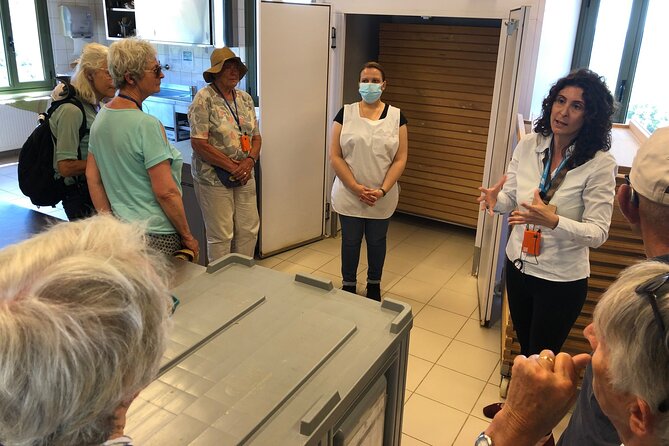
Once you arrive, you begin with a guided tour of the workshop. You’ll move through the traditional food preparation area, then see the Cookware Museum collection, and step into the library with over 650 cookbooks. You’ll also visit the small village area tied to the property.
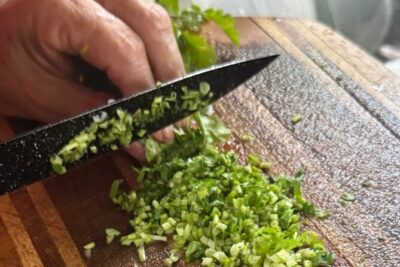
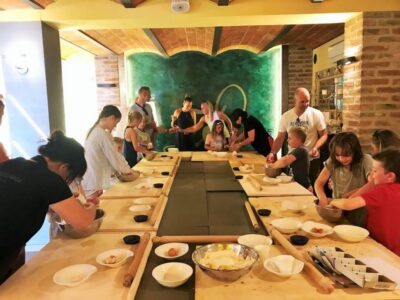
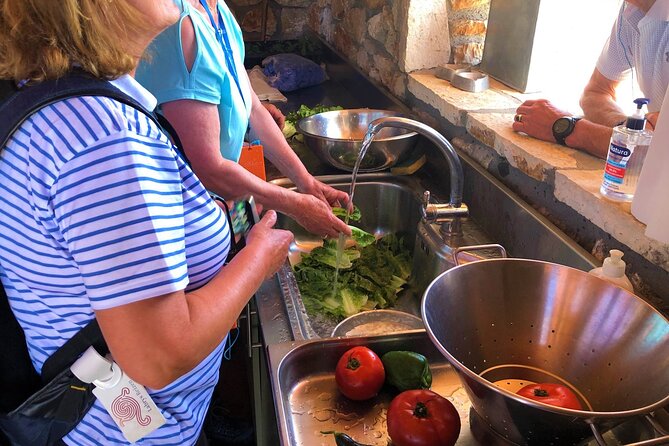
After those stops, the day shifts into the kitchen. This is where the local chef and host guide you through making dishes from scratch—at a pace that works for beginners and home cooks. Since it’s a private experience, you can ask questions and adjust without feeling rushed.
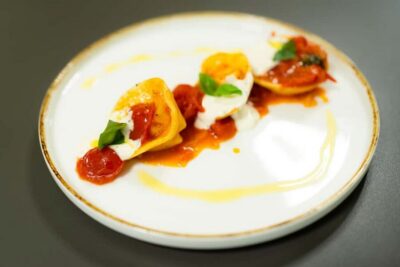
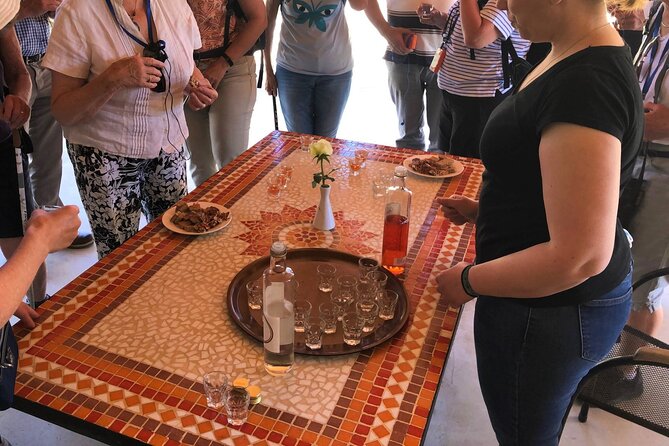
Finally, you head to lunch at the on-site restaurant. You eat everything you made plus other local items produced through the workshop and other Greek local producers. The meal is accompanied by Greek wine (red or white) and ouzo, and it includes coffee and/or tea afterward.
Cooking with a local mum: what you might make
The core of the experience is the village cooking class with a local Greek mum and certified local tour leadership/chef support. Depending on what’s available on the day you book, you’ll learn dishes like:
- Embroidered bread from scratch
- Kolokythopita (courgette or pumpkin pie)
- Trachanokeftedes (fermented milk pasta balls)
- Other local seasonal delights
What I like about this format is that it teaches technique, not just recipes. Bread and pies force you to learn handling—dough texture, shaping, and timing. Trachanokeftedes are a good example of Greek village logic: fermentation traditions turned into comfort food.
If you’re the kind of person who likes small secrets, you’ll appreciate the sort of practical tip the host team shares. One example: adding a hint of biological turmeric to trahana soup can give it a golden color and boost the flavor you’re already tasting. Tiny tweak, big difference.
Also, you’ll be working alongside the workshop’s women and local kitchen team. The mood tends to be warm and chatty, the way food learning should be—questions welcomed, mistakes forgiven, and the table ready afterward.
The Cookware Museum and library: why old tools belong on your itinerary
A lot of food experiences skip the context. This one doesn’t. The Cookware Museum shows items used by Greek housewives in villages going back to the early 1900s, so you can see how people cooked with what they had.
Then you step into a library with over 650 cookbooks. The point isn’t to treat books like trophies. It helps you understand that Greek cuisine is built from repeating knowledge—what worked, what lasted, what fed families through the seasons.
In practical terms, it makes your cooking lesson easier to understand. When you learn bread, pies, or pasta balls, you’re not only copying steps. You’re learning why the texture matters, why certain ingredients repeat in Arcadian cooking, and how village kitchens approached consistency.
It’s also one of those quietly impressive stops. If you love old kitchen objects, you’ll find yourself looking longer than you planned—knobs, pans, tools, and the kind of craftsmanship that feels like it came from real daily work.
Lunch in Arcadia: what you eat, what’s included, and why it matters
Lunch is where the day clicks into place. You eat at the restaurant on-site, and you’ll feast on:
- Everything you made during the cooking class
- Local products from the Arcadian workshop
- Other Greek local producers
- A full menu feel (not just a small tasting)
The meal style can include examples like wrapped meat with grilled vegetables, rooster with local pasta, vegetarian dishes, and traditional cheeses. There are also mouthwatering appetizers and snacks earlier in the day.
Drinks are part of the value here, not an add-on. You’ll get alcoholic beverages including local wines (red or white) and ouzo, plus coffee and/or tea.
Why I think this matters: you’re tasting what you just learned, with ingredients that connect to the area. It’s easy to forget that cooking classes can turn into separate activities—learn here, eat somewhere else. This keeps them connected, and that makes the lunch feel earned.
Seasonal bonus: wheat harvesting in June
If you visit between March and October, the agritourism experience runs in that season window, with different field activities depending on timing.
And in June, there’s a specific seasonal add-on: you can participate in wheat harvesting in the wheat fields. It’s a neat contrast to the museum and cookbook stops earlier in the day—history you can touch, in a way.
Even if you don’t pick wheat yourself, the outdoor farm setting and veggie picking still give the day a grounded feel. You’ll spend enough time outside that your hat and shoes really earn their keep.
Price and logistics: $382.01, pickup options, and what you get
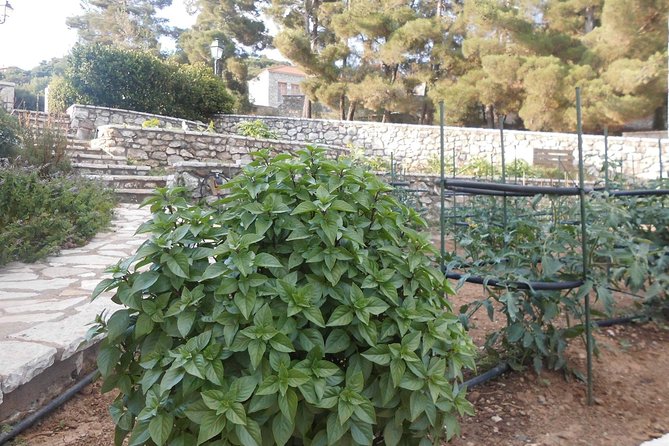
At $382.01 per person, this isn’t a budget cooking class. So you should judge it by what’s included and how private it stays.
Here’s what your price is covering:
- Village cooking class with local certified leadership/chef
- Guided tour of the workshop food prep area, cookware museum, library, and small village
- Lunch with what you cooked plus local producers
- Coffee/tea, snacks
- Local wines and ouzo
- All fees and taxes
There’s also the private day setup: it’s exclusively for your group, with no other guests added once booked for the day. That alone can justify the cost if you’re comparing it to shared group classes.
Logistically, you should plan for travel. The workshop is about 70 km (45 mi) from Kalamata and the trip takes about 1 hour. Transportation is needed to reach the workshop, and pickup is offered. If you have your own vehicle, let them know; if not, they can arrange transport with partners for an extra charge.
If you’re price-shopping, ask yourself a simple question: do you want a tasting plate on someone else’s schedule, or a full food-and-museum day in a working Arcadian unit? This is the second option.
Practical notes that can make or break the day
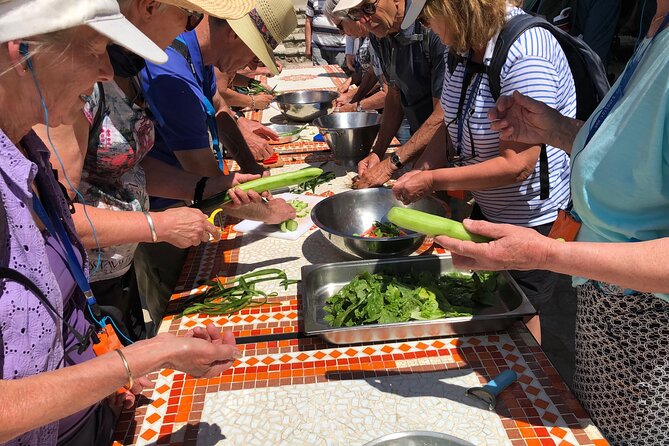
This experience works best when you treat it like an outdoorsy, hands-on village day.
Wear comfortable shoes and bring a hat. You’ll be outside enough that sun and walking become real factors. Good weather matters too: the activity requires it, and if it’s canceled due to poor weather, you’ll be offered another date or a full refund.
Dietary needs are taken seriously, but you must communicate them. Let the team know about special diets like pescatarian, flexitarian, vegetarian, or vegan, and mention any allergies (including food allergies and bee allergies). You’ll also want to flag allergies early so the kitchen can plan properly.
Family friendly is noted, so it can work for multigenerational groups. And since it’s private, it’s easier to adapt pacing for kids or slower eaters than in a big group format.
Who should book this Arcadia cooking day?
Book it if you:
- Want hands-on Greek cooking with real village context
- Like food history tools—cookware, libraries, and old kitchen methods
- Prefer a private experience where you can ask questions freely
- Plan to enjoy a full meal, including wine and ouzo, not just a short tasting
Skip it (or choose another style) if you:
- Are looking for a fast, low-cost activity
- Don’t want outdoor time or you hate weather uncertainty
- Need a strictly time-boxed “drop in, cook for 30 minutes, leave” format
Also, if you’re the kind of traveler who enjoys Arcadia beyond big cities—mountains, villages, working farms—this day fits your taste.
Should you book Mama’s flavours in Arcadia?
I think this is a strong choice if you value process and place as much as the final meal. The combo of a cooking class, a guided tour through the cookware museum and library, and then a full lunch (with wine and ouzo) makes it feel like a complete cultural day, not a single activity stitched to a meal.
If your trip timing lines up with March–October (and especially June for wheat harvesting), that’s a plus. Just be honest with yourself about transport and outdoor comfort—wear shoes you can walk in and plan for weather.
If that sounds like your kind of day, book it. This is the sort of experience you remember when you’re back home, because you learned something you could actually recreate.
FAQ
How long is the village cooking class experience?
It lasts about 6 hours (approx.).
Where do we meet in Kalamata, and what time does it start?
You meet at Kalamata Port Authority, Mpoumpoulinas 4, Kalamata 241 00, Greece. Start time is 9:00am, and the activity ends back at the meeting point.
Is this a private tour or will I share with other guests?
It’s private. Only your group participates, and once booked for the day, no other guests are added.
What kinds of dishes can I learn to cook?
Depending on availability, the class may include embroidered bread, kolokythopita (cucumber/courgette or pumpkin pie), trachanokeftedes (fermented milk pasta balls), and other local dishes.
What is included for lunch and drinks?
Lunch includes home-cooked Greek local items such as dishes like wrapped meat with grilled vegetables or vegetarian dishes, plus appetizers, snacks, and what you made during the class. You’ll also have Greek wine (red or white) and ouzo, along with coffee and/or tea.
Does the day include more than cooking?
Yes. You get a guided tour of the Arcadian workshop area, including the traditional food preparation area, the Cookware Museum, the library, and the small village.
When can I participate in wheat harvesting?
Wheat harvesting in the wheat fields is available in June.
Do I need transportation from Kalamata, and can they handle dietary needs?
Transportation is needed because the workshop is about 1 hour from Kalamata. Pickup is offered, and if you have your own vehicle you should inform them; otherwise transport can be arranged for an extra cost. For food needs, you should notify them of any dietary preferences and allergies in advance.
If it rains, do I still go?
The experience requires good weather. If it’s canceled due to poor weather, you’ll be offered a different date or a full refund.
Can I change or get a refund after booking?
This experience is non-refundable and cannot be changed. If you cancel or ask for an amendment, the amount you paid will not be refunded.