REVIEW · MILAN
Milan: Pasta, Gnocchi and Tiramisù Cooking Class with Wine
Book on GetYourGuide →Operated by Chef in Milan · Bookable on GetYourGuide
Fresh pasta changes how you cook. In Milan, this small-group class turns you into someone who can make fresh dough and a proper tiramisu from scratch, then sit down and eat what you made. I especially like the start-to-finish flow and the chef’s habit of coaching technique and correcting common Italian mistakes as you go.
There’s one catch to plan for: if you have food allergies or a strict diet, you need to flag it ahead of time so the chef can prepare the right versions (vegetarian, vegan, and gluten-free options are available).
In This Review
- Key highlights worth marking on your mental map
- Why this Milan class works even if you cook only on weekends
- The 3-hour flow: tiramisù first, then pasta, then truffle gnocchi
- 1) Making tiramisù from scratch (and assembling yours)
- 2) Fresh pasta from scratch, plus cooking it properly
- 3) Ravioli and the end-of-class dinner you can actually taste
- 4) Gnocchi from scratch, plus truffle sauce and baked finishing
- The wine tasting: how it fits, not just what you sip
- Small group teaching in English: what you gain from real feedback
- Vegetarian, vegan, and gluten-free options (and how to handle them right)
- Finding Via Lodovico Settala n.1 without second-guessing
- Is it worth $96.29 for 3 hours of cooking and wine?
- Who should book this class, and who might skip it
- Should you book Milan: Pasta, Gnocchi and Tiramisù Cooking Class with Wine?
- FAQ
- How long is the cooking class?
- What dishes will I learn to make?
- Is there wine tasting during the class?
- Is the class taught in English?
- Are vegetarian, vegan, and gluten-free options available?
- Do I get recipes to take home?
- Where do I meet the chef?
- How can I get there by public transportation?
- What should I do if I have food allergies or intolerance?
- Can I get a refund if I cancel?
Key highlights worth marking on your mental map
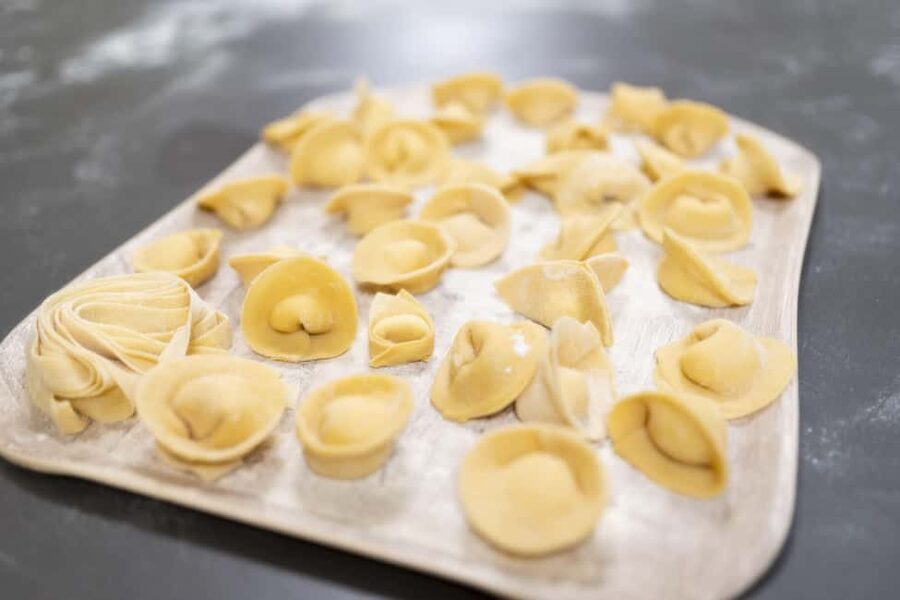
- Three dishes, made by hand: fresh pasta plus truffle gnocchi, and tiramisù assembled at the table
- Tiramisu sets while you cook: you start it first, then you move on without wasting the wait
- Wine tasting included: both white and red Italian wines paired with the meal mood
- Small-group, English instruction: hands-on teaching with room for questions
- Take-home recipe booklet: printed guidance so you can repeat it at home
- Dietary options built in: vegetarian, vegan, and gluten-free versions are part of the plan
Why this Milan class works even if you cook only on weekends
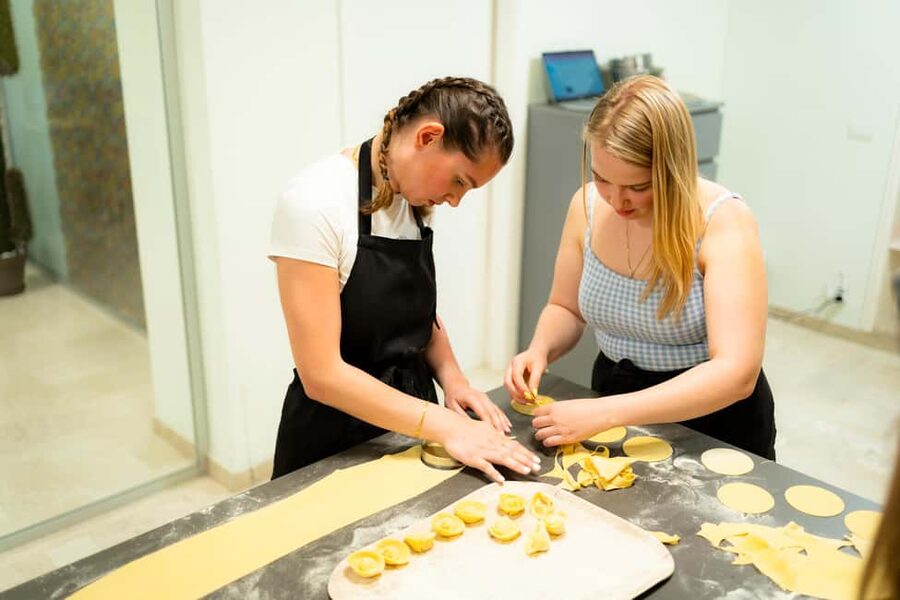
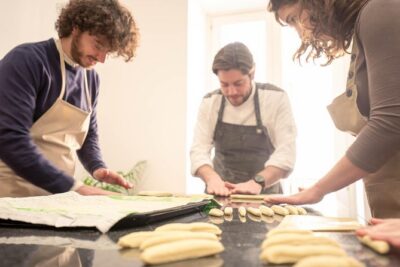
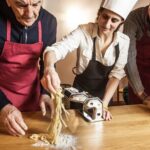
Milan is great for many things, but one of the smartest ways to slow down and learn Italian food is to cook it. This class is built around doing, not watching. You’ll work through the dough, shape and assemble components, and then eat the results with wine.
I like that the menu is practical. Fresh pasta, gnocchi, and tiramisù are the kind of dishes that separate effortless dining from real know-how. And this class doesn’t pretend they’re all the same. You’ll feel the difference between rolling pasta dough, working with potato for gnocchi, and assembling a dessert where timing matters.
That hands-on structure also makes the class easier to follow. You’re not stuck copying steps off a screen. You’re in the rhythm of ingredients, textures, and small technique tweaks. Even if you’re nervous in the kitchen, the pace is set up so you can keep moving.
You can also read our reviews of more tours and experiences in Milan.
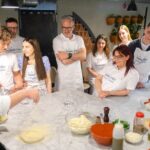
The 3-hour flow: tiramisù first, then pasta, then truffle gnocchi
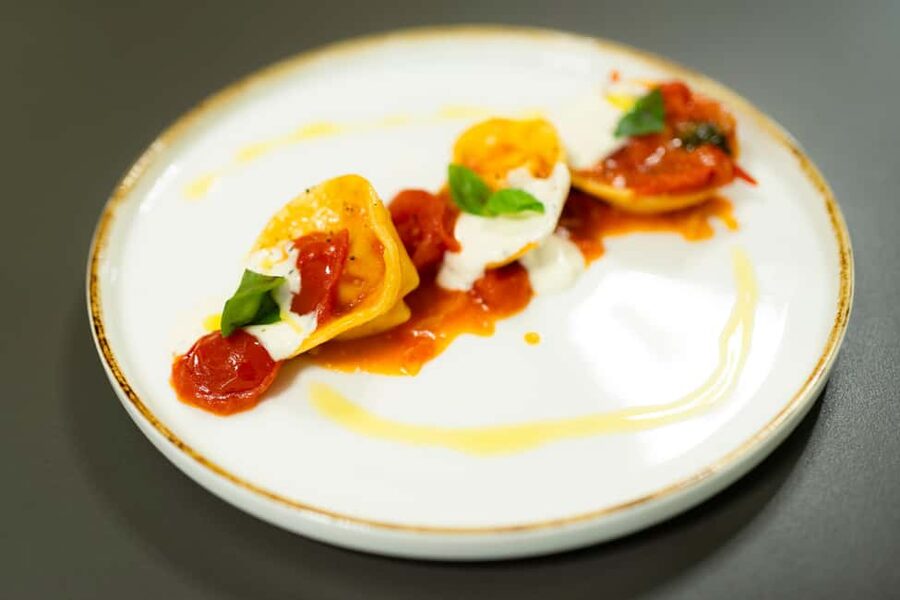
The schedule is designed around how long certain steps need. You start by making tiramisù completely from scratch, including the cream and assembling your own. Then you let it set in the fridge for a couple of hours.
That wait isn’t wasted time. As your tiramisù chills, you switch gears to savory cooking. It’s a smart approach because it keeps you busy with real progress instead of hanging around hoping dessert magically finishes itself.
Here’s how the class experience typically plays out:
1) Making tiramisù from scratch (and assembling yours)
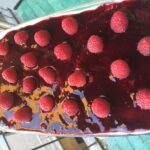
You’re not just adding toppings. You’ll make the cream and assemble your own tiramisù. This matters because tiramisù is all about balance: texture, consistency, and layering. When you build it yourself, you understand what “good” feels like before you even taste it.
Also, the fridge time explains why this class packs in other cooking tasks. You learn the dessert step first, then use the waiting period to build skills on savory dishes.
2) Fresh pasta from scratch, plus cooking it properly
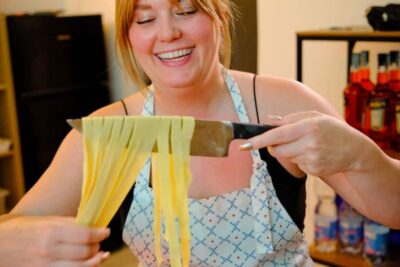
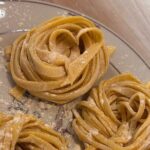
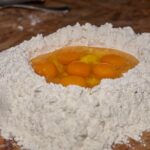
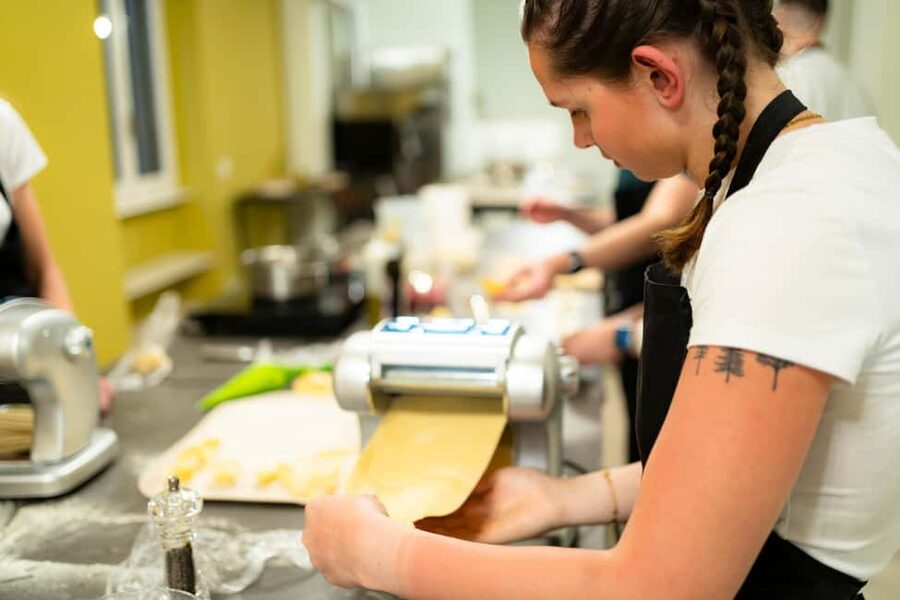
Then you move into pasta basics: making fresh pasta dough from scratch and learning how to cook pasta properly. Pasta isn’t hard because it’s fancy. It’s hard because you can overdo it fast. You’ll get coaching on technique and the common errors that ruin texture.
You’ll also learn about sauce prep and how to get the timing right so your pasta tastes like it’s meant to be served. That’s a big deal for home cooks. Most people don’t need a new recipe. They need better timing and less guesswork.
3) Ravioli and the end-of-class dinner you can actually taste
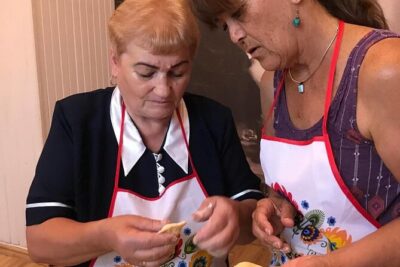
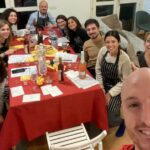
The class includes dinner with ravioli, gnocchi, and tiramisù. That means your learning doesn’t stop at the cutting board. You’ll taste what you made as part of the meal—so you can connect technique to outcome in the same session.
One review also highlighted how the chef adjusts so the experience still feels complete for different needs. If you’re hoping for something more personal than a “one-size-fits-all” class, this is the kind of setup that can deliver.
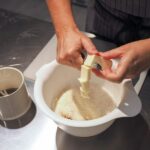
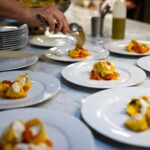


4) Gnocchi from scratch, plus truffle sauce and baked finishing
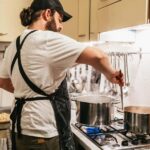
Gnocchi is where a cooking class can either teach you the principles or hand you a mushy worksheet. Here, you make gnocchi from scratch, then you work with a truffle sauce and bake your cheesy gnocchi so the top gets a little crunchy.
That crunchy-baked finish is the practical lesson hiding under the fancy ingredients. It turns gnocchi from soft-and-forgiving into something you can aim for: tender inside, lightly crisp outside. When you cook it at home later, you’ll remember that contrast.
The wine tasting: how it fits, not just what you sip
This class includes a wine tasting with both white and red Italian wines. The tasting isn’t separate entertainment. It’s part of the overall meal rhythm. That makes it easier to pay attention to what the wines do for the food rather than treating it like a separate event.
In plain terms: once you taste wine alongside different styles of food, you start learning flavor patterns. The chef’s guidance helps you connect what you notice in the glass to what you’re building on the plate.
If you’re not a big wine person, don’t stress. This isn’t about being able to name every grape. It’s about learning how wine pairs with the general mood of Italian dishes—creamy, starchy, herby, and savory.
Small group teaching in English: what you gain from real feedback
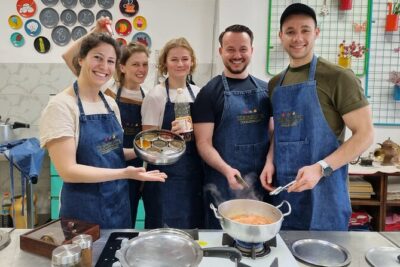
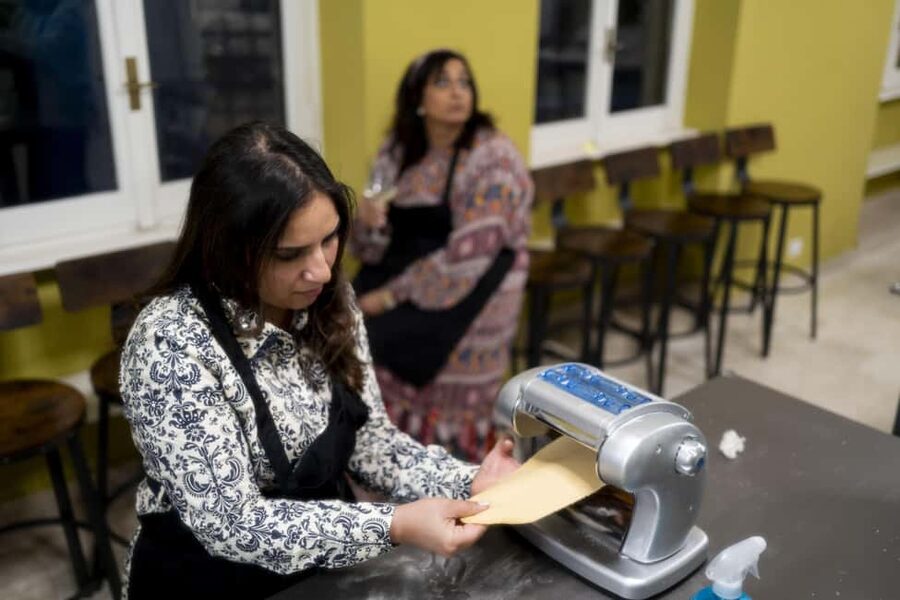
This isn’t a big demo with a crowd staring. It’s a small-group class with a professional chef who teaches in English. That setup matters because you get feedback when your dough is too dry, your sauce needs balancing, or your timing is off.
The reviews also point to a consistent theme: patience. When the chef is patient, you can actually practice. When you practice, you improve fast.
And you’ll be able to ask questions about Italian food and traditions. That kind of Q&A is where you pick up the “why,” not just the “how.” You get recommendations about restaurants and markets in the area and what products are worth buying to take home. That’s the practical travel value: you leave with a shopping list for real ingredients, not vague inspiration.
Vegetarian, vegan, and gluten-free options (and how to handle them right)
Every dish in the class is offered with vegetarian, vegan, and gluten-free options. That’s excellent for flexibility, and it also means the chef has a plan for substitutes rather than improvising at the last second.
Just remember the key part: if you have allergies or intolerance, let the organizer know in advance. The class can adapt, but only if the chef has time to prepare the right versions safely.
One smart move for you: think beyond labels. If you avoid cheese, eggs, gluten, or dairy, tell them plainly. Then you can focus on cooking instead of worrying. The goal is that you get the hands-on experience without feeling sidelined.
Finding Via Lodovico Settala n.1 without second-guessing
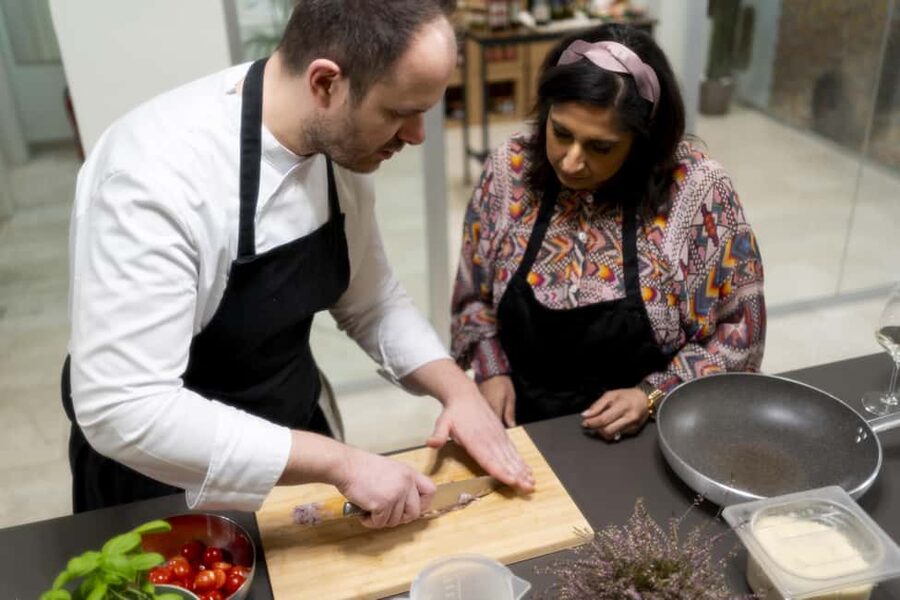
Meeting point is Via Lodovico Settala n.1. You ring at number 18 once you’re there.
If you’re using public transit, the nearest subway stops are Porta Venezia or Repubblica. If you’re already near the cathedral, it’s about 2 km away, roughly a 25-minute walk. That’s a doable stroll if you want to arrive calm and hungry rather than stressed.
At the end, the activity finishes back at the meeting point.
Is it worth $96.29 for 3 hours of cooking and wine?
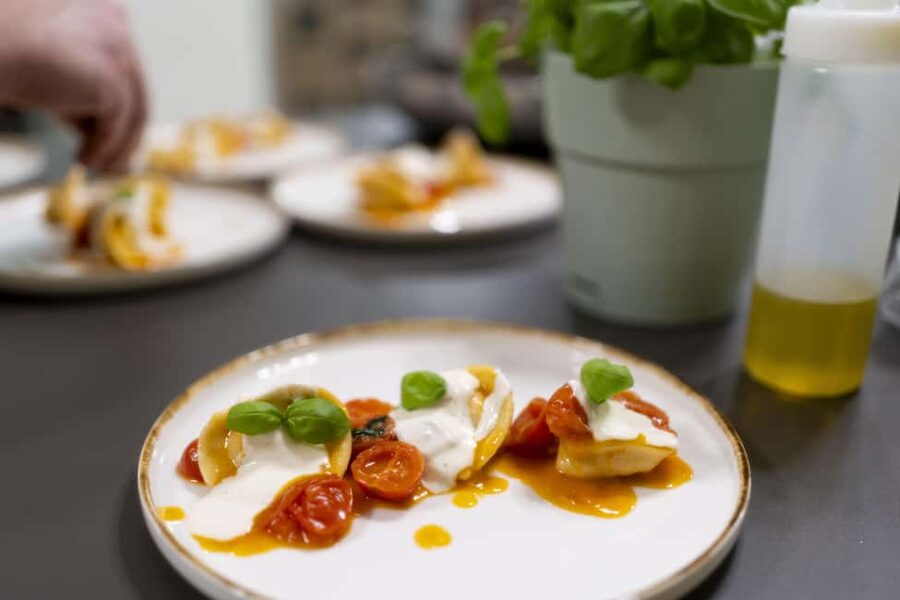
For Milan, $96.29 per person isn’t a bargain price, but it can be good value if you compare what you’re actually getting.
You’re paying for:
- hands-on instruction with a professional chef
- the chance to make three dishes from scratch (including tiramisù assembly)
- wine tasting with both white and red Italian wines
- dinner built around your work
- a take-home recipes booklet
A lot of food experiences are either mostly tasting or mostly watching. Here, you do the work and then eat. That usually means you leave with skills you can repeat, not just full plates.
And because the class is small, the teaching isn’t diluted. You get more direct attention, and that is where the value lives.
Who should book this class, and who might skip it
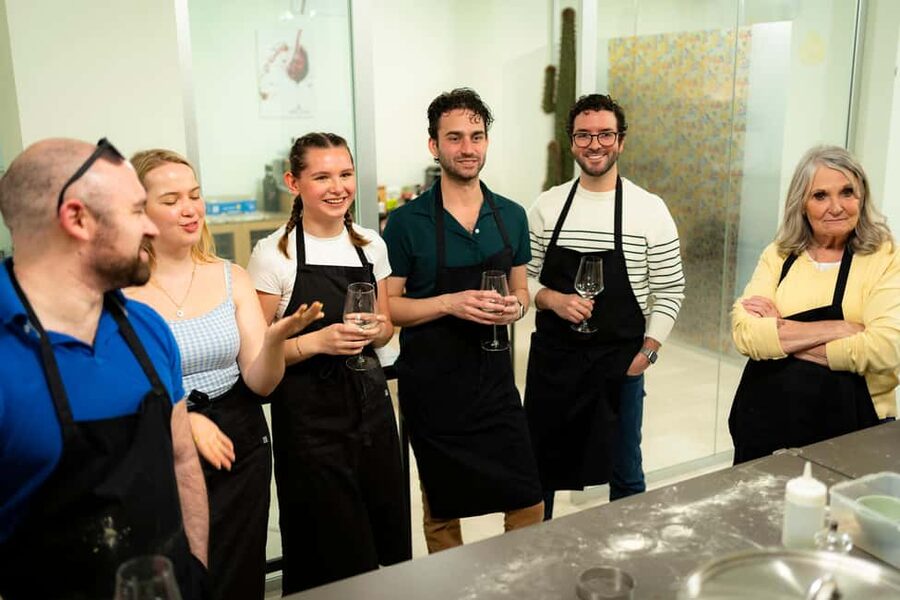
This class is a strong fit if you:
- want real technique, not just a short “try-it-once” lesson
- enjoy Italian comfort food and want to recreate it at home
- like the structure of a class where you can ask questions and get immediate feedback
- have dietary needs and want options built in
You might consider skipping if you:
- only want a quick snack or museum-style activity
- hate waiting steps (tiramisù needs fridge time, and the schedule uses that for cooking other dishes)
- can’t communicate food needs ahead of time
Should you book Milan: Pasta, Gnocchi and Tiramisù Cooking Class with Wine?
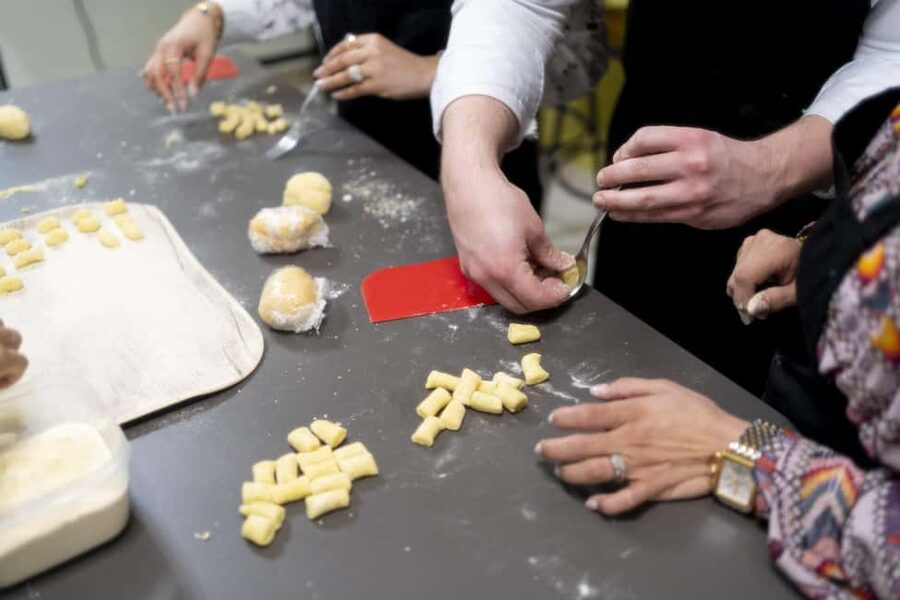
If you want a hands-on Milan experience that turns into a takeaway skill, I’d book it. This isn’t just about eating well. It’s about learning how Italian staples come together through texture, timing, and small technique choices.
The biggest reason to choose it is simple: you make the dishes, then you taste them. Add in wine tasting, English instruction, and ingredient advice for shopping later, and you get more than a meal. You get a mini education you can use back home.
Book it if you’re curious, reasonably comfortable in a kitchen, and ready to cook while your dessert sets in the fridge like a patient coworker.
FAQ
How long is the cooking class?
The class lasts 3 hours.
What dishes will I learn to make?
You’ll make tiramisù, fresh pasta, and gnocchi (including truffle sauce). Dinner includes ravioli, gnocchi, and tiramisù.
Is there wine tasting during the class?
Yes. The experience includes a wine tasting with both white and red Italian wines.
Is the class taught in English?
Yes. Instruction is in English.
Are vegetarian, vegan, and gluten-free options available?
Yes. All prepared dishes have vegetarian, vegan, and gluten-free options.
Do I get recipes to take home?
Yes. You’ll receive a recipes booklet.
Where do I meet the chef?
Meet at Via Lodovico Settala n.1. Ring at number 18.
How can I get there by public transportation?
The nearest subway stops are Porta Venezia or Repubblica.
What should I do if I have food allergies or intolerance?
Let the organizer know in advance so the chef can prepare the appropriate versions.
Can I get a refund if I cancel?
Free cancellation is available up to 24 hours in advance for a full refund.