REVIEW · HOI AN
Farming & Cooking Class in Hoi An – Small Group Tour
Book on Viator →Operated by Cooking Class in Tra Que Organic Vegetable Village · Bookable on Viator
Stop by the farm, then cook lunch yourself. I like that you do real farming first at Tra Que Vegetable Village, not just watch, and then you cook with the same ingredients you chose. I also love the market-guided shopping with chef Min, so recipes make sense fast. One thing to consider: much of the experience is outdoors and this activity requires good weather, so plan for heat and sun.
This is a 5-hour small-group outing with pickup offered and a maximum of 15 people. You’ll cycle through rice fields and quiet villages, walk the herb garden, make dishes like green papaya salad, spring rolls, banh xeo, and fish in clay pot, then sit down for the meal you prepared. If you eat vegetarian (or have a special diet), you can request it ahead of time.
In This Review
- Key Things I’d Pay Attention To
- Tra Que Vegetable Village Farming: work first, taste later
- Hoi An Market Stop: choose your ingredients like a local
- Cycling Through Rice Fields and Villages: a slow start that sets the mood
- Traditional Foot Massage at the Farm: a rest that actually helps
- Cooking Class With Chef Guidance: papaya salad, spring rolls, banh xeo, clay pot fish
- Lunch Served on Your Terms: what you’ll eat and why it feels better
- Price and Value: is $38 worth 5 hours?
- Who Should Book (and who should think twice)
- Should You Book? My simple decision guide
- FAQ
- How long is the cooking and farming class in Hoi An?
- Is pickup offered from my hotel?
- How many people are in the group?
- What dishes will I learn to make?
- Can I request a vegetarian or special diet?
- Do I actually help with farming or just observe?
- What is included in the $38 price?
- What happens if the weather is bad or the tour is canceled?
Key Things I’d Pay Attention To
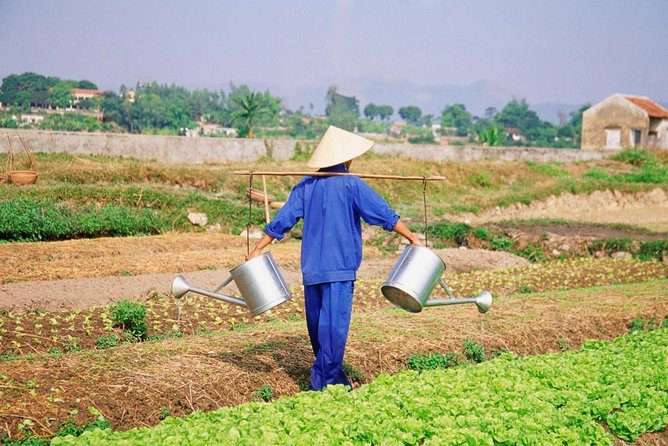
- Tra Que hands-on farming: hoeing soil, transplanting, watering, and even collecting seaweed
- Market shopping with your guide: learn what you’re buying and how it’s used
- Foot massage break: a traditional herbal leg/foot massage before cooking
- Banh xeo practice: you don’t just watch—you flip and cook
- Small group feel: max 15, with instruction that stays personal
Tra Que Vegetable Village Farming: work first, taste later
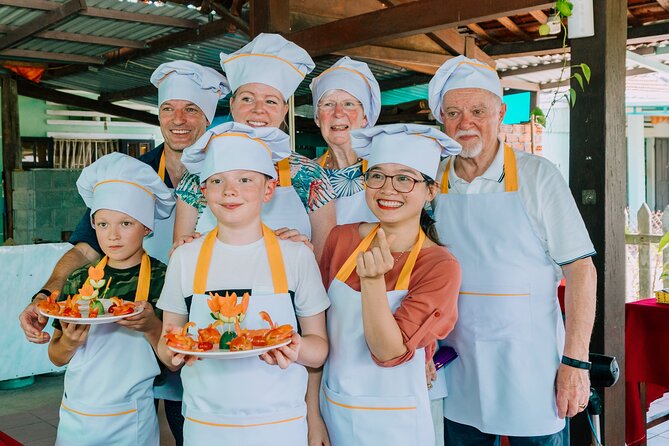
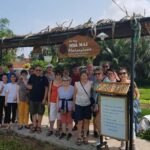
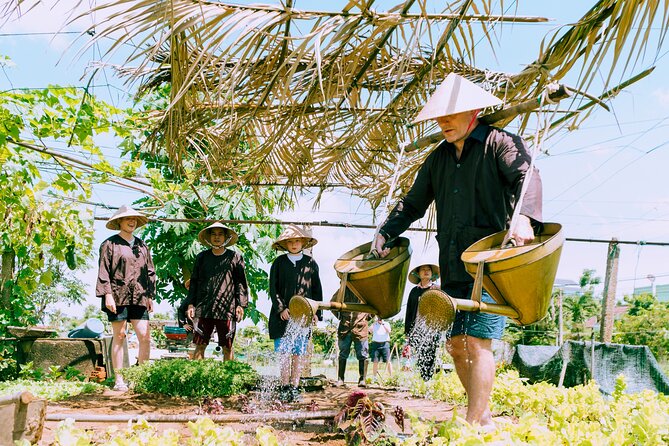
Tra Que Vegetable Village is the heart of this experience, and it’s where the food education actually clicks. After you cycle out of town and arrive, you’ll step into a garden where herbs and vegetables are grown for everyday Vietnamese cooking. It’s peaceful in a way that makes you slow down—then the hands-on part kicks in.
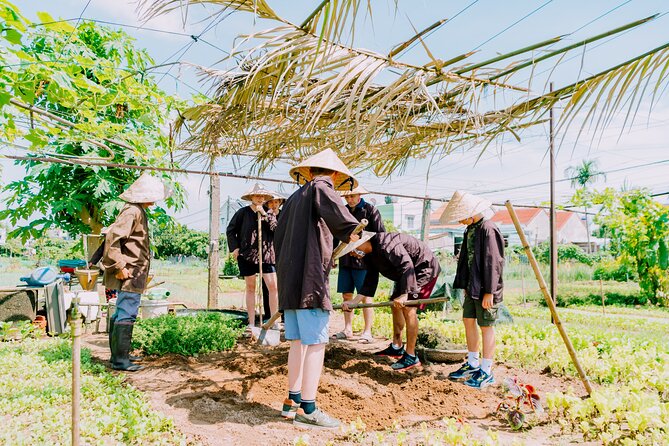
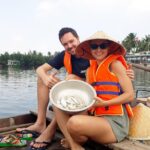
You’ll take part in typical farm chores like hoeing soil, collecting seaweed, and helping with transplanting and watering. The point isn’t to become a farmer by lunchtime. The point is to understand what these ingredients go through, so when you’re later chopping, mixing, and seasoning, you feel the logic behind it.
In the garden, you may also plant something yourself, like spinach or herbs, depending on the day. That’s a small detail, but it makes the meal more satisfying because your hands were involved. If you like experiences where you do more than take photos, this is the section that delivers.
Do wear something you can get a little dirty and expect to be moving. Even if you’re not doing heavy labor, you’ll be on farm paths and working your body. The flip side? You’ll likely feel more “present” while cooking, because your brain isn’t wandering to what to do next.
You can also read our reviews of more tours and experiences in Hoi An.

Hoi An Market Stop: choose your ingredients like a local
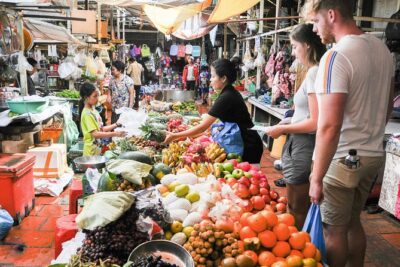
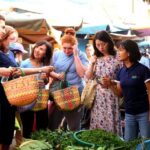
Before you head into cooking mode, you’ll visit a local market where you pick out produce for your class meal. This is more useful than it sounds. A lot of cooking classes teach steps; this one builds taste knowledge first, so you learn what ingredients bring to the table.
Your guide—often chef Min in the experience—explains vegetables, fruits, and herbs in practical terms. You’ll see the ingredients laid out and learn what matters, not just what looks good. You’ll buy the ingredients for the dishes you’ll cook later, which means you’re not relying on a random grab-bag list.
If you want to get more out of this stop, go in with two goals:
- Ask what ingredient you’re seeing is best for (salads? frying? clay pot fish?)
- Pay attention to herbs and the ones you don’t recognize—Vietnamese flavor often starts there
English support is part of the experience, so you shouldn’t feel lost. Still, markets are lively, so it helps to be comfortable asking questions more than once. This is also a good moment to tell your guide about dietary needs if you have them, since the shopping stage is where choices can be adjusted.
Cycling Through Rice Fields and Villages: a slow start that sets the mood
One of the reasons I like the flow of this tour is that it doesn’t rush you straight into a kitchen. You’ll be met at your hotel and start with cycling through rice fields and peaceful villages on the way to Tra Que. That ride matters because it gives you a sense of the setting—Hoi An isn’t only lanterns and old streets; it’s also agriculture and small-scale food production.
Transport is handled (private transportation is included), so you’re not stuck figuring out routes. The itinerary is designed to keep you moving at an easy pace: market stop, ride out, farm walk, farming tasks, and then cooking.
You can also choose a morning or afternoon slot. If you’re trying to avoid the hottest parts of the day, morning is often the smarter bet for outdoor time, even though the schedule depends on your booking choice. Either way, plan for sun. You’ll likely be outside for multiple segments, including the garden walk and the hands-on farming.
If you’re the kind of person who gets restless on tours, this half-day format is usually comfortable. You get variety—market, countryside ride, farm chores, then a cooking class—without a long travel slog.
Traditional Foot Massage at the Farm: a rest that actually helps
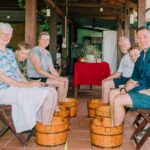
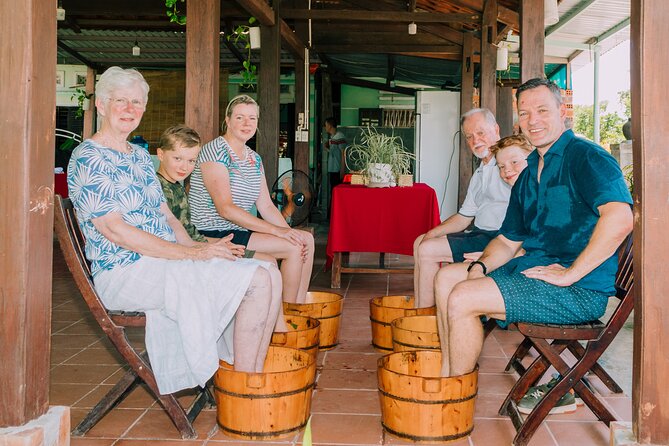
After farming, you’ll get a break, and this is where a traditional foot/leg massage comes in. It’s described as a health treatment using medicinal herbs. Regardless of what you personally think about massage, the practical value is simple: you’re resetting your body before you cook.
Farm tasks mean standing, bending, and walking on garden terrain. Then you’ll head into a cooking session where you’ll be chopping, mixing, and cooking—some of it standing at a workstation. A massage beforehand can make the difference between feeling “energized” and feeling stiff.
It’s also a mental reset. The rhythm of this tour is very active, so having a calmer interlude makes the whole day feel more balanced. You’re not just stacking activities back-to-back.
One note: don’t treat this as a medical service, since the tour provides it as part of the cultural experience. But it can be a pleasant pause, and many people appreciate it because it lands at the perfect time.
Cooking Class With Chef Guidance: papaya salad, spring rolls, banh xeo, clay pot fish
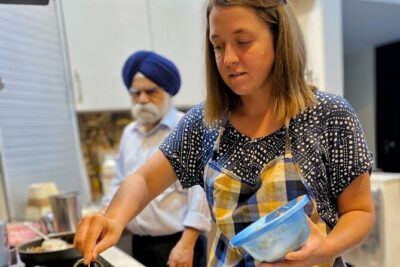
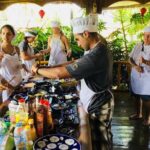
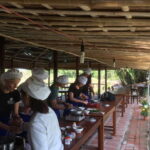
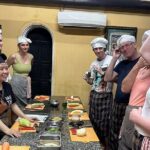
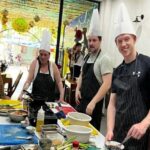
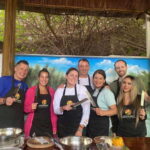
The cooking portion is where your “learning” turns into “I can do this at home.” You’ll have a dedicated cooking class with a chef and helpers, and instruction is individualized, so it’s not just watching someone else cook while you stand around.
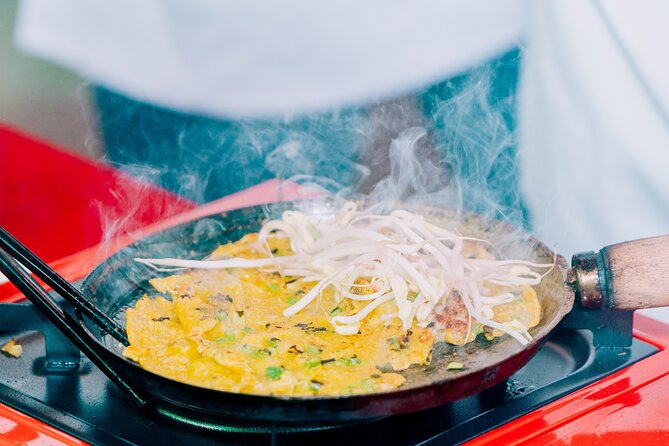
Expect a mix of chef demonstration and hands-on work. In practice, that means you’ll chop ingredients, assemble components, and cook—plus you’ll have a chance to flip and manage your own portions for items like banh xeo. That hands-on part matters. It’s how you learn what “right” looks and sounds like.
Here’s what you can learn to prepare:
- Green papaya salad (papaya salad style with fresh herbs and seasoning balance)
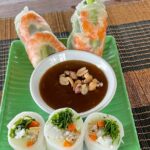
- Spring rolls (rolled and filled, then cooked/assembled as part of your meal)
- Banh xeo, the Vietnamese crispy pancake
- Fish in clay pot (served as a signature dish in this format)
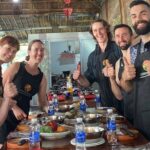
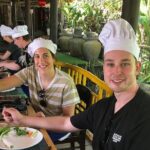
Your lunch is also part of the experience. Once everything is cooked, you eat what you made, which is usually the most satisfying moment because you’re not waiting for the food after the class—you’re actively involved in it.
A couple of practical thoughts:
- If you’re short on patience, tell the chef early. They can guide you while you work.
- If you’re going to take notes, do it between steps, not while your hands are busy. Vietnamese cooking is faster than you might expect.
If you’re worried you won’t be good at cooking, don’t. The format is built for beginners. The whole point is learning technique and building confidence.
Lunch Served on Your Terms: what you’ll eat and why it feels better
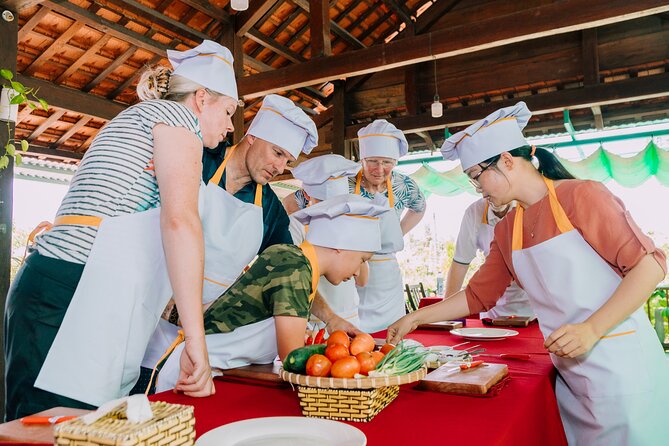
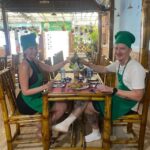
The meal isn’t a random add-on. The dishes you make are what you’ll eat together, and that turns your effort into something tangible right away. After market shopping and farm work, the lunch feels earned.
You’ll likely sit down after cooking with the food you prepared, and this is your moment to test what you learned. If the green papaya salad is tangy, spicy, and herby, you’ll understand why those ingredients were chosen at the market. If your banh xeo crisped the way you hoped, you’ll connect the technique to the result.
It’s also a nice pace change. The tour includes time to rest before you head back to your hotel, so you don’t feel like you’re sprinting the whole time.
If you’re picky about flavors, this is where you can ask questions beforehand. The class is designed to cover several dishes, so it helps to communicate what you like or dislike during the shopping/cooking stages. Vegetarian and special diet requests can be handled, too, which is a big plus for many visitors.
Price and Value: is $38 worth 5 hours?
$38 for a 5-hour small-group experience is a fair price when you look at what’s included. You’re not only paying for a cooking lesson. You also get:
- Lunch
- Private transportation
- English-speaking guide and/or local chef
- Bottle of mineral water
- Traditional foot massage
- Farming with a farmer
Many cooking classes cover only the kitchen portion. This one adds the market and the farm work, which is the educational backbone of the day. That’s why the value feels solid: you’re paying for context as well as instructions.
Another reason the price works: the group size is capped at 15 travelers. Smaller numbers usually mean less waiting, more chance for your questions to get answered, and more hands-on time.
The only cost heads-up is that insurance and personal fees aren’t included. That’s standard, but it matters if you’re used to “all-in” pricing.
If you’re trying to squeeze good value out of Hoi An, this is one of those rare experiences where you leave with both skills and stories—plus you actually eat well.
Who Should Book (and who should think twice)
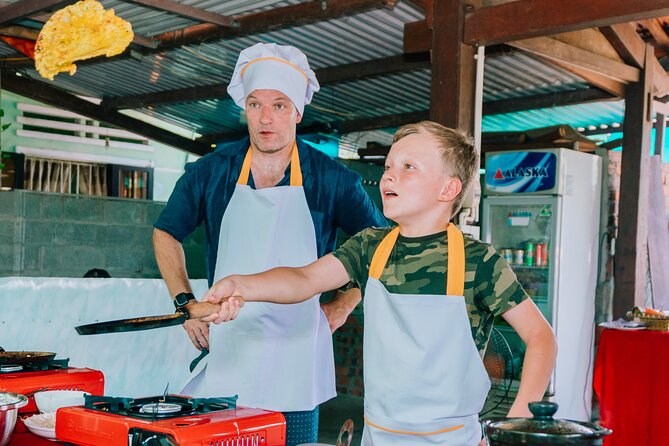
This tour fits best if you want a hands-on cultural food experience, not a sit-and-watch show. You’ll love it if you:
- Like cooking but also care about where ingredients come from
- Enjoy active outdoors time (gardens, farming tasks, walking)
- Prefer small groups and personalized instruction
- Want a meal you helped make, not just sampled
It might not be for you if you dislike farm work or physical activity. The experience includes bending and outdoor time, and it requires good weather. If you’re traveling with mobility limits or you’re dealing with an injury, you should consider alternatives or ask the provider what the day’s farming tasks typically look like.
Also, plan to be ready for heat and sun, especially if you choose a slot outside the coolest hours. A hat and water habits go a long way.
Should You Book? My simple decision guide
Book this if you want the most direct route from Hoi An’s countryside to your plate. The combination of Tra Que farming, market shopping with a guide/chef like Min, a foot massage break, and then hands-on cooking makes it feel like a complete experience. You’ll come away with technique, confidence, and dishes you can repeat at home—especially papaya salad and banh xeo.
If your main goal is only to eat, there are easier options. But if your goal is to learn how Vietnamese flavors are built—from herb garden to cooking station—this is a very strong choice.
FAQ
How long is the cooking and farming class in Hoi An?
It runs about 5 hours.
Is pickup offered from my hotel?
Yes, pickup is offered.
How many people are in the group?
This experience has a maximum of 15 travelers.
What dishes will I learn to make?
You’ll learn to prepare green papaya salad, spring rolls, banh xeo, and fish in clay pot, along with other dishes.
Can I request a vegetarian or special diet?
Yes. Vegetarian and special diet requests are available.
Do I actually help with farming or just observe?
You participate in farming activities with the farmer, including hands-on tasks like hoeing soil, collecting seaweed, and helping with transplanting and watering.
What is included in the $38 price?
The price includes lunch, private transportation, an English speaking guide/local chef, bottle of mineral water, traditional foot massage, and farming with a farmer.
What happens if the weather is bad or the tour is canceled?
This experience requires good weather. If it’s canceled due to poor weather, you’ll be offered a different date or a full refund. It can also be canceled if a minimum number of travelers isn’t met, with an alternative date/experience or a full refund.