REVIEW · ATHENS
Cooking Class with Aspasia in the Heart of Athens
Book on Viator →Operated by IT IS GREEK · Bookable on Viator
Greek cooking starts at home. Aspasia’s class puts you in the light-filled heart of Athens, where you learn traditional recipes and finish with a seven-dish meal you helped make. I like how the experience feels personal and local, not staged, and how the food runs across the country instead of sticking to one region.
I also love the private, in-person attention that comes with a small group setup, especially when you’re not a confident cook. The only drawback to keep in mind is that it can be more host-led than free-for-all: you’ll likely cook alongside Aspasia through key steps, but some prep may be demonstrated as you go.
Key points to know before you go
- A full, multi-region Greek menu with seven dishes that cover bread, eggs, salads, meat, vegetables, and dessert
- Participation at your pace: hands-on steps are part of it, but the host sets the rhythm in her kitchen
- White wine included: two glasses per person with your meal
- A bright apartment setting in central Athens: a homestyle atmosphere, not a commercial kitchen
- English teaching and a private experience for your group only
In This Review
- Greek Cooking Starts in an Apartment, Not a Classroom
- The 3-Hour Flow: Bread, Eggs, Salads, Mains, Dessert
- Your Menu, Explained: Seven Dishes from Greek Regions
- Paximadi Bread with Olives and Graviera Cheese
- Stuffed Long Sweet Peppers (Vegetarian)
- Greek Eggs Kayanas (Mani-style)
- Cretan Dakos Salad
- Greek Meatballs with Yogurt Sauce
- Eggplants Imam
- Ravani (Semolina Cake with Syrup)
- Wine and the Dinner Table Atmosphere
- Hands-On Cooking vs. Host-Led Demonstrations
- Price and Value: What $130.04 Buys in Real Life
- Where to Meet in Athens: Tsocha 3, Athina 115 21
- Who This Class Suits Best
- Should You Book Aspasia’s Cooking Class?
- FAQ
- How long is the Cooking Class with Aspasia in Athens?
- What’s included in the price of $130.04 per person?
- Is this experience private?
- Where does the experience start and end?
- Is it easy to get there with public transportation?
- Can someone with a service animal participate?
Greek Cooking Starts in an Apartment, Not a Classroom
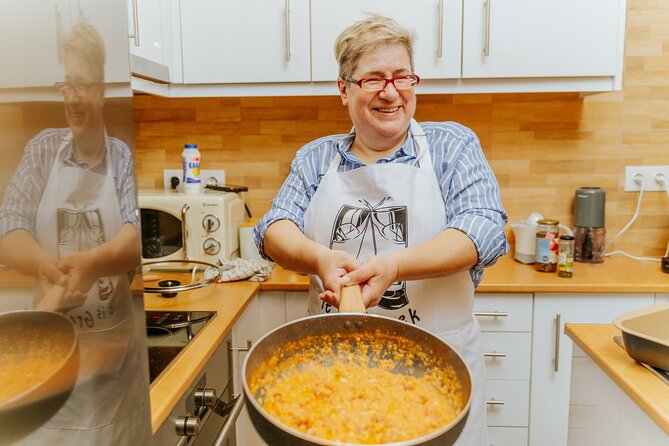
If you’re trying to see Athens beyond the obvious sights, this kind of experience does the job. Instead of another location with a checklist, you’re invited into a real home kitchen and treated like someone joining the table. It’s the kind of evening where food becomes the conversation starter, and the recipes feel like they belong to everyday life.
Aspasia’s session runs about three hours, and it’s set up for real interaction. You’ll contribute to preparing a meal made of classic dishes from different parts of Greece, then you’ll eat what you make. That simple structure is why it works so well: you learn, you cook, you taste, and you don’t leave hungry.
The experience is also in English, which matters because good cooking instruction is about more than steps. You want explanations you can actually use later, like what makes a dish Greek, what flavors belong together, and how to handle ingredients without overthinking it.
The 3-Hour Flow: Bread, Eggs, Salads, Mains, Dessert
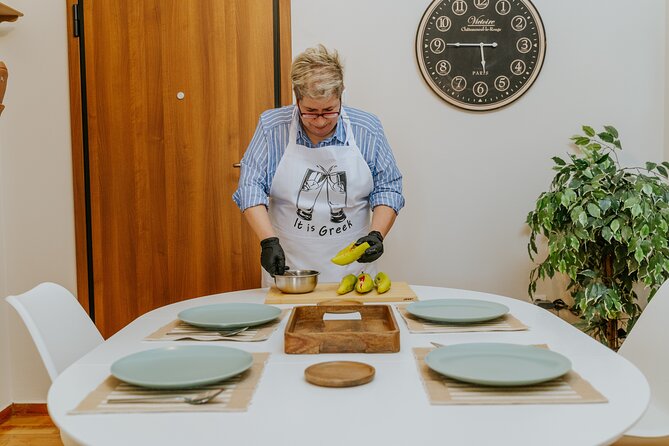
This is not a slow, multi-day food project. It’s a tight, evening-style menu that moves from starters to mains to dessert, with plenty of time to eat in between or right after each part. The kitchen work is spread across the meal so you can jump into different tasks, even if you don’t cook often.
Here’s the flow you can expect:
1) Starters phase: warm bread and cheese, plus stuffed peppers and a regional egg dish
2) Salad phase: a Cretan-style dakos salad built around crunchy rusks and feta
3) Mains phase: Greek meatballs with yogurt sauce, plus stuffed eggplant
4) Dessert phase: ravani, a semolina cake soaked in aromatic syrup
5) Wine and conversation: two glasses of white wine per person, served with the meal
A big part of the value is that you finish with a full dinner, not a couple of bites and a lecture. You’ll also get that satisfying moment of eating something that started as raw ingredients.
You can also read our reviews of more tours and experiences in Athens.


Your Menu, Explained: Seven Dishes from Greek Regions
This class is built around a seven-dish menu, and each item has a clear role. You’re not just tasting Greek food in general; you’re learning how different households think about flavors, textures, and comfort.
Paximadi Bread with Olives and Graviera Cheese
You start with paximadi bread topped or paired with olives and graviera cheese. Graviera is a traditional Greek hard cheese, with flavor that can run from slightly sweet to a bit spicy. This starter is a smart start because it teaches you Greek “snacking logic”: simple items that taste great together without needing a complicated cooking step.
Stuffed Long Sweet Peppers (Vegetarian)
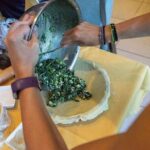
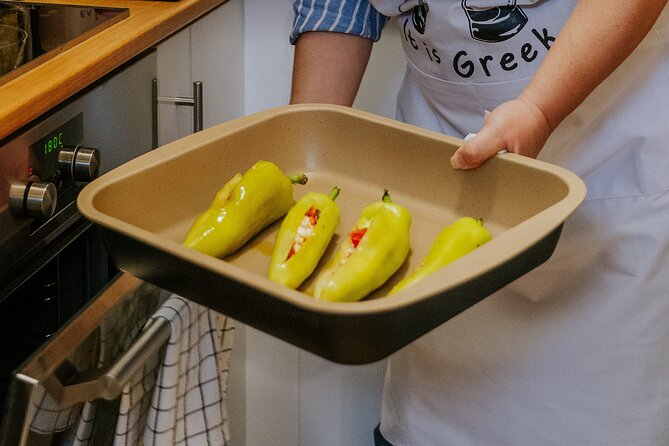
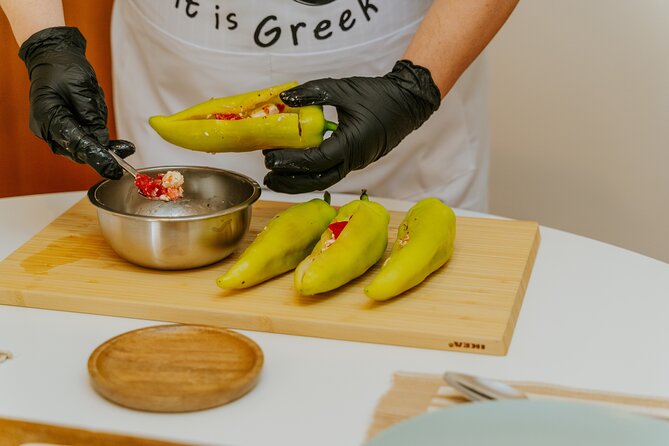
Next come stuffed long sweet peppers. The filling includes feta cheese, herbs such as spearmint, and tomatoes. If you’ve never used spearmint in a savory context, this is where the class can give you a useful flavor tool. It’s vegetarian, but it doesn’t feel light or flimsy; it’s built to be satisfying and fragrant.
Greek Eggs Kayanas (Mani-style)
Then you get Greek eggs kayanas, a dish from Mani made with scrambled eggs, fresh tomatoes, and cured pork called siglino. This is a great example of how Greek cooking often combines fresh and cured flavors in the same bite. Even if you don’t keep siglino at home, you’ll understand the concept: salty depth plus tomato freshness.




Cretan Dakos Salad
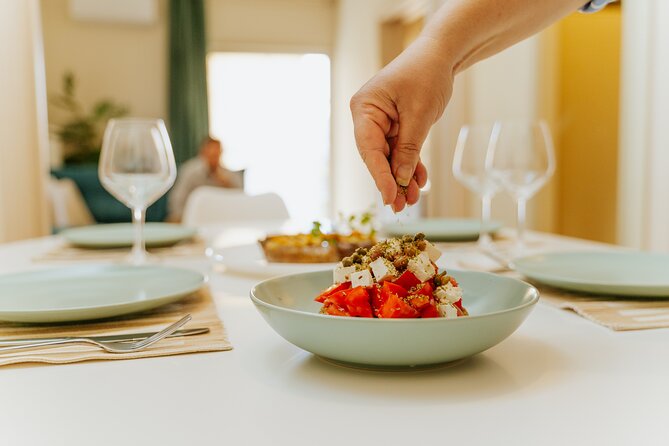
After that, you’ll make Cretan dakos salad, one of Greece’s most popular dishes. It combines crispy barley rusks with tomato, olive oil, and feta. The key here is texture. Those rusks are meant to stay crisp enough to feel intentional, then soften slightly as you eat. It’s one of those dishes that’s easy to love and easy to copy once you know the structure.
Greek Meatballs with Yogurt Sauce
For the main course, you’ll cook Greek meatballs with a yogurt sauce. The meatballs use ground beef, flour, and Greek spices, and they’re described as a classic grandma-style comfort dish. What makes this dish practical is the pairing: yogurt brings cool tang and helps balance spice and richness.
Eggplants Imam
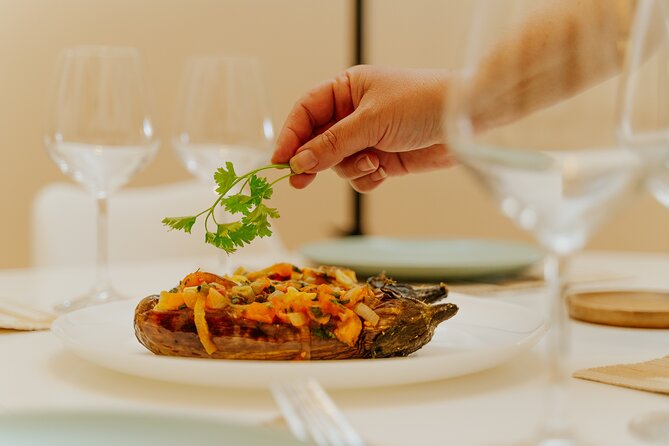
Then comes eggplants imam. You’ll work with eggplant stuffed with a savory mixture of onions, tomatoes, garlic, and herbs and spices. This is the kind of dish that makes you see eggplant differently. It’s not just a vegetable side; it becomes the vehicle for a full, aromatic filling.
Ravani (Semolina Cake with Syrup)
You finish with ravani, a semolina cake soaked in aromatic syrup. The cake is said to have origins in Northern Greece, which adds to the menu’s feeling of covering multiple culinary regions. Dessert here isn’t an afterthought. It’s sweet, fragrant, and built to land after savory dishes and wine.
That spread is why the meal feels like more than a demo. You’re learning different categories of Greek home cooking: breads and cheese, stuffed vegetables, egg dishes with cured meat, crunchy-and-tomato salads, spiced meatballs, slow-feeling eggplant dishes, and syrup-soaked sweets.
Wine and the Dinner Table Atmosphere
A clear part of the experience is the two glasses of white wine per person. That isn’t just a bonus drink; it shapes how the evening works. You’re eating what you made, talking while you eat, and staying in the host’s conversational rhythm rather than rushing to a tasting schedule.
This is also where the house setting matters. You’re in a harmonically decorated, light-filled home, which makes the whole thing feel warm and relaxed. The best cooking class evenings don’t feel like a test; they feel like you’re learning inside someone’s daily life.
One practical note: the wine means you should keep your evening simple afterward. Plan for an easy return to where you’re staying.
Hands-On Cooking vs. Host-Led Demonstrations
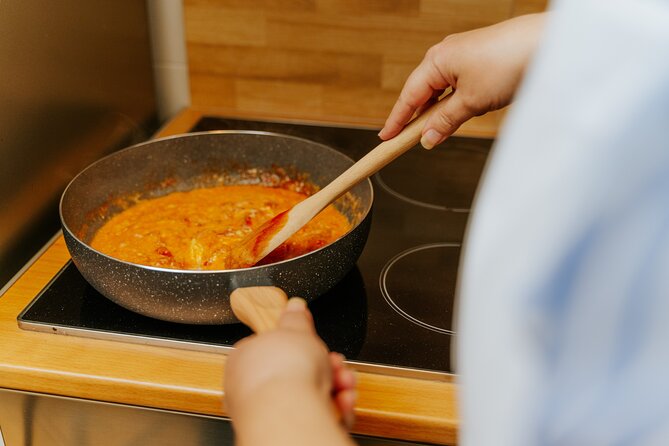
Here’s the most important reality check for expectations: this experience is interactive, but it’s not positioned as you taking over the entire kitchen from minute one.
The positive side is that Aspasia is described as walking people through the recipes, with patience and clear explanations. If you don’t cook much, that matters. You can still participate in the steps that make the dish work, and you’ll likely learn how to assemble components without panicking.
The balanced side is that some cooking may happen in front of you, and participation may depend on how willing you feel to jump in at each stage. If you want a class where you do every single action and never just watch, you might find this style more like guided hosting than pure workshop instruction.
My advice? Go in ready to participate when you can. Ask questions as she moves through the menu. If you’re uncertain about what you should be doing, you’ll get more value by saying so early.
Price and Value: What $130.04 Buys in Real Life
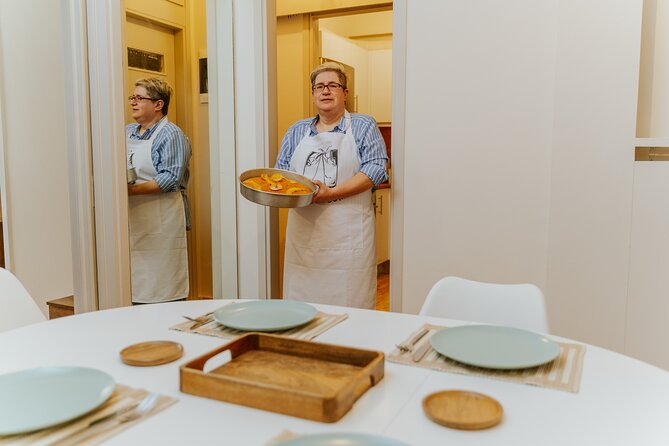
At $130.04 per person for about three hours, this isn’t a bargain meal, and it also isn’t trying to compete with a regular restaurant on price. The value comes from four things you can feel right away:
- A private setup where it’s only your group
- A full meal built from seven dishes, not small plates only
- Two glasses of white wine included
- Instruction in a real home kitchen, not just watching from the sidelines
If you’ve ever done cooking experiences that were short on food or short on explanation, you’ll recognize the difference here. A full dinner with wine changes the math, because you’re paying for both the lesson and the meal.
Still, it’s worth aligning expectations with what you’re buying. This is a home-cooking evening where the host leads, teaches, and serves what you helped prepare. If you’re paying for that, it can feel like money well spent.
Where to Meet in Athens: Tsocha 3, Athina 115 21
You’ll meet at Tsocha 3, Athina 115 21, Greece, and the activity ends back at the same meeting point. The location is described as being near public transportation, which is handy because Athens evenings can involve a bit of walking depending on where you’re staying.
Practical prep tip: arrive a few minutes early and be ready to go straight into a relaxed home-kitchen rhythm. With a three-hour schedule, getting settled quickly helps you get the most out of the first starter.
Who This Class Suits Best
This is a great fit if you want an authentic Athens evening without leaving the city center vibe. You’ll like it if you enjoy learning by doing, tasting as you go, and ending with a proper dinner.
It’s especially good for:
- Food lovers who want to understand Greek ingredients and flavor combinations
- People who like home-style cooking more than chef showmanship
- Non-experts who want patience and clear explanations in English
- Small groups who prefer a private experience over a crowd
It might be less ideal if:
- You’re expecting a strict technical workshop where you control everything moment-to-moment
- You’re only interested in a few familiar dishes and don’t want to work through a full seven-course menu
Should You Book Aspasia’s Cooking Class?
I think you should book this when you want more than a meal. This is a good choice if your priority is learning classic Greek cooking in a real home setting, then sitting down to eat what you made with wine and conversation.
Before you go, do one simple thing: check the menu with an honest appetite. If the dishes sound good to you, you’ll probably feel satisfied not just during the cooking, but at the table. The style is host-led, but the teaching and interaction are part of the point.
With an overall 4.5 rating from 8 reports, it’s a popular pick. The best outcomes seem to come when people treat it as a shared kitchen evening, not a high-control cooking lab.
FAQ
How long is the Cooking Class with Aspasia in Athens?
It lasts about 3 hours.
What’s included in the price of $130.04 per person?
You get a private, guided cooking experience in English, a meal made from seven dishes, and two glasses of white wine per person.
Is this experience private?
Yes. It’s a private tour/activity, so only your group participates.
Where does the experience start and end?
The meeting point is Tsocha 3, Athina 115 21, Greece, and the activity ends back at the same location.
Is it easy to get there with public transportation?
Yes, it’s described as being near public transportation.
Can someone with a service animal participate?
Yes. Service animals are allowed.
If you want, tell me your travel month and whether you cook at home. I can help you decide if this menu and the host-led style match your expectations.