REVIEW · ZANZIBAR CITY
Zanzibar: Spice Farm Tour and Cooking Class with Lunch
Book on GetYourGuide →Operated by Zanturtle Explore Tours and Safaris · Bookable on GetYourGuide
Spice trees meet open-fire cooking in 5 hours. I really like the hands-on spice walk where you can smell and touch plants as you learn, and I also love that lunch is cooked right there with a local chef using traditional tools. One thing to weigh: the day can feel a bit affected by tip requests and occasional pickup communication hiccups.
If you want more than a photo stop, this is built for you. You’ll move through village paths and plantation rows, harvest ingredients, then cook a 3-course Swahili meal and dessert. Plan for warm sun, bring cash, and wear shoes that handle uneven ground.
In This Review
- Key highlights you’ll feel (not just see)
- Why This Zanzibar Spice + Cooking Day Works So Well
- Pickup Timing and How the Day Usually Flows
- Jambo Spice Farm Dole: The Sensory Walking Tour
- Harvesting Ingredients: Where Learning Gets Real
- The Open-Fire Swahili Cooking Class (and What You’ll Actually Make)
- Lunch and Dessert: What’s Included, and How to Pace It
- Spice Shopping: How to Get Better Value Without Overpaying
- The Tip Factor: Why It Can Feel Off, and What You Can Do
- Price and Value: Is $63 Reasonable for This 5-Hour Day?
- Who Should Book This Spice Farm and Cooking Class
- Practical Tips Before You Go
- Should You Book This Zanzibar Spice Farm Tour and Cooking Class?
- FAQ
- How long is the Zanzibar spice farm tour and cooking class?
- Is hotel pickup and drop-off included?
- Is this tour private?
- What languages are the guides available in?
- What food and drinks are included?
- What should I bring?
- Is the tour wheelchair accessible?
- Is there free cancellation?
Key highlights you’ll feel (not just see)
- Smell-and-touch spice education right from the plants, not just a demo
- Harvest time on the farm so the ingredients become real
- Village-and-plantation walking route guided by a culinary expert
- Fruit tasting that’s specifically Zanzibar-focused, not generic tropical snacks
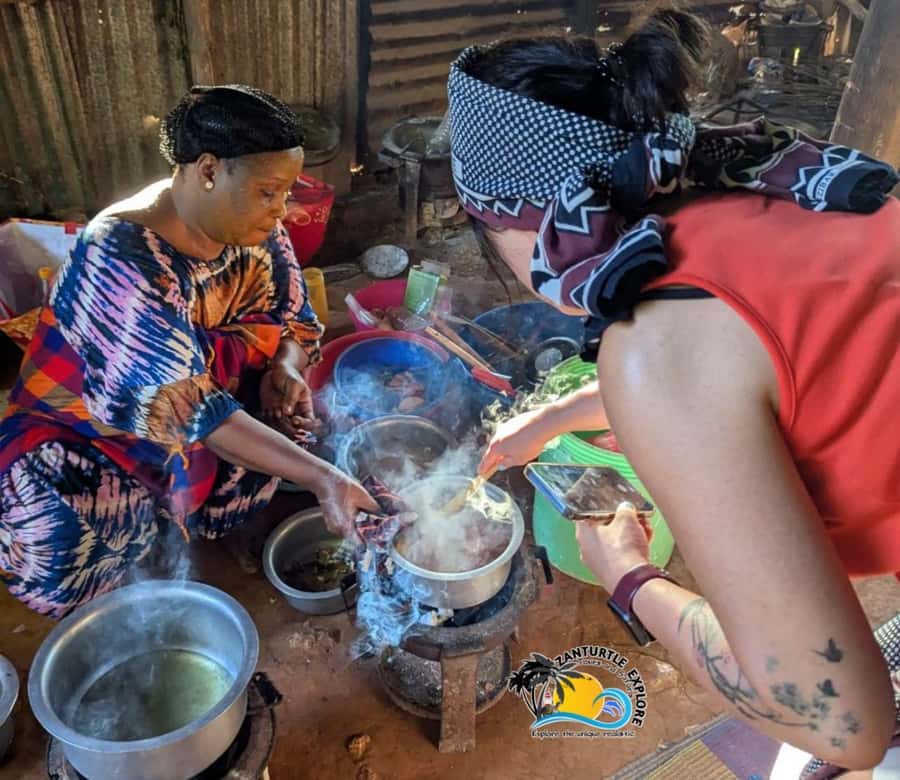
- Swahili cooking on traditional, open-fire style techniques with a local chef
- On-site spice shopping opportunities after you cook and eat
Why This Zanzibar Spice + Cooking Day Works So Well
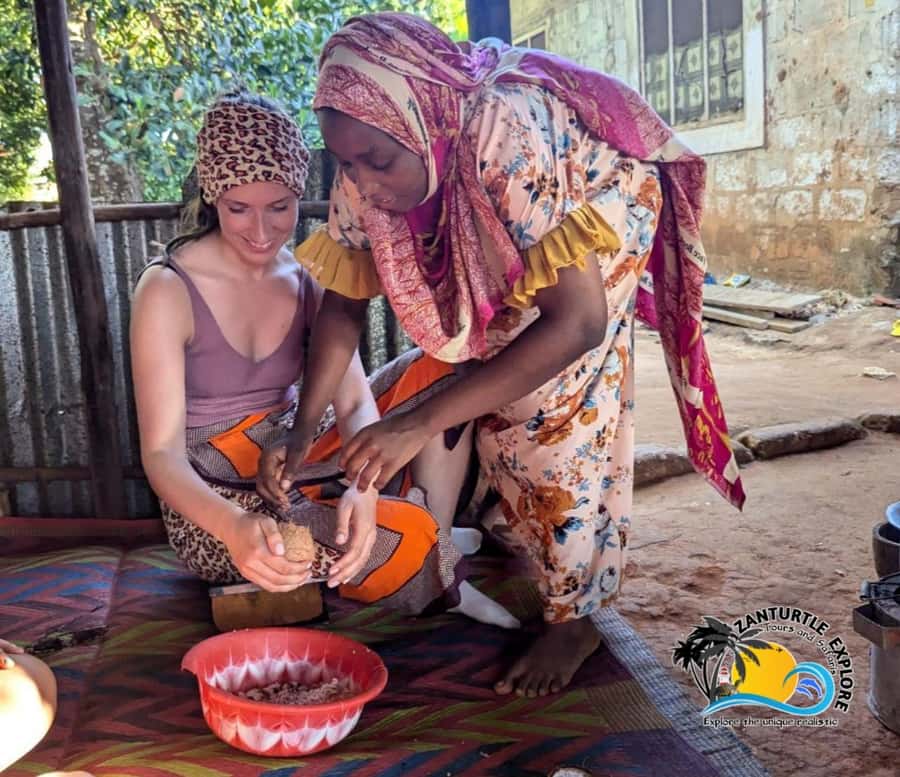
Zanzibar’s spices aren’t a museum topic here. They’re alive, growing, and part of everyday food. That difference matters, because the lesson sticks when you can physically connect a scent to a leaf, a bark, a pod, or a fruit.
The core rhythm is simple and practical: you start with a guided walking tour, then you harvest, then you cook, then you eat. And because the tour runs about 5 hours total, it’s a day you can fit without turning Zanzibar into a spreadsheet of logistics.
The best part is that the experience hits multiple senses. You’re not only shown spices like cloves, cinnamon, ginger, and lemongrass—you get time to taste and touch, too. That’s the kind of learning you can remember later when you spot spices at a market or in a kitchen back home.
You can also read our reviews of more tours and experiences in Zanzibar City.
Pickup Timing and How the Day Usually Flows
This is hotel pickup and drop-off, with multiple pickup zones across Zanzibar (including areas around Stone Town and Unguja regions). You’ll meet a representative in your hotel lobby or reception, and then head out by van.
The schedule is built around travel time. The ride to the farm area is listed at about 1 hour, and the return ride is also about 1 hour, with the farm experience taking the rest of the day. That’s why comfortable shoes and sun protection matter: once you’re on the farm, there’s real walking, plus time spent outdoors tasting and harvesting.
Also note the tour is private group, which can help a lot if you don’t want to feel rushed with strangers. The guide is listed as English-first across a long list of other languages, so communication is usually not a problem.
Jambo Spice Farm Dole: The Sensory Walking Tour
You’ll arrive at Jambo Spice Farm Dole and start with a guided walk through the plantation and village surroundings. This is where the tour earns its keep.
The walk is designed to teach through your senses:
- You’ll learn what spices are used for and where they fit in Zanzibar cooking.
- You’ll be able to smell and touch plants as you go.
- You’ll see how laborers handle trees and plants (including climbing coconut and spice trees).
That last detail is important. It gives you a real sense of why Zanzibar spices are work-intensive. It’s not just “farm tour vibes”—you get to watch how people actually access parts of plants that are normally out of reach.
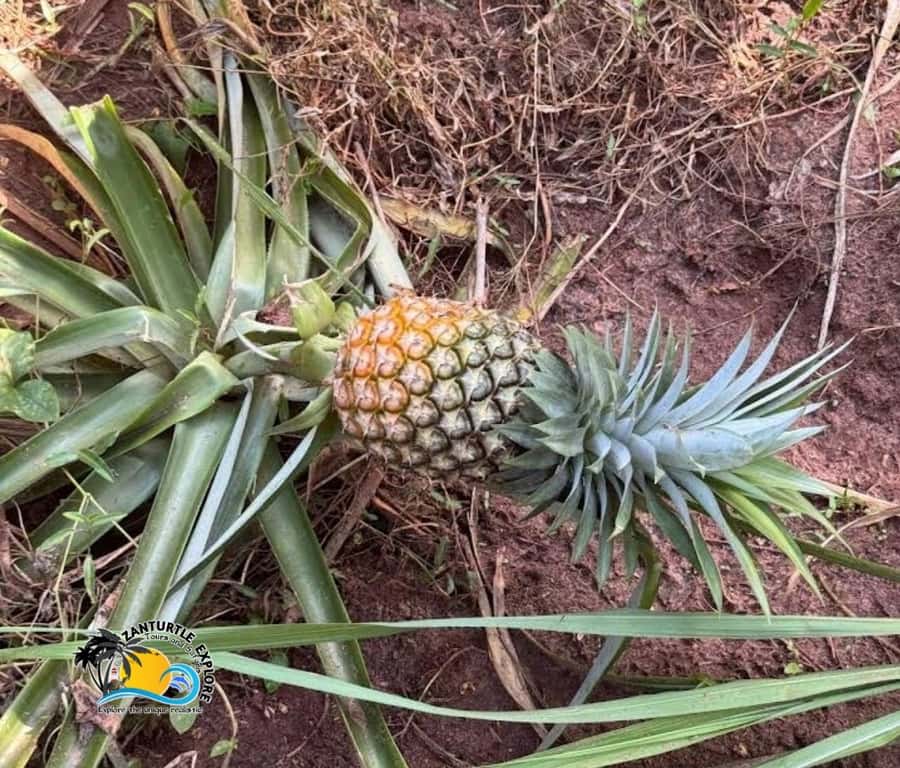
You’ll also get a chance to taste some Zanzibar tropical fruits. From the experience descriptions, expect fruits like pineapple, bananas, oranges, and watermelon, plus other varieties such as red bananas and small mangoes. The fruit component isn’t random; it complements the spice story because both are part of local harvesting and daily eating.
And yes, there’s a cultural touch. You may be offered palm-leaf style accessories like ties, rings, armbands, and glasses as part of the experience atmosphere.
Harvesting Ingredients: Where Learning Gets Real
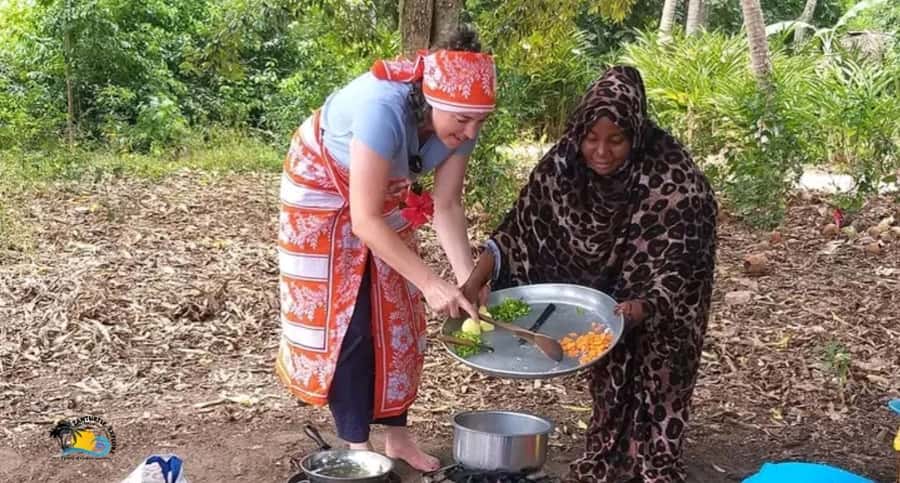
A big promise of this tour is harvesting ingredients with your culinary expert. In practice, this is the moment that turns the day from “watching” into “doing.”
You’ll harvest ingredients on the farm as you walk through different spice plantations. One of the most concrete learnings is that each spice has its own way of being used—sometimes the part you use is bark, sometimes it’s a pod, leaf, root, or seed. When you see, feel, and smell the plant itself, you start to understand why spice blends in Zanzibar taste the way they do.
You also get to observe farm labor techniques, including situations where workers climb trees to gather spice plant materials. That gives you a practical understanding of the geography of the farm: you’re not just walking through flat rows, you’re moving through a working space where plants grow vertically and are collected in specific ways.
One more practical upside: after you harvest, the cooking class has fewer “mystery ingredients.” If you touched and gathered it earlier, you understand what you’re working with when it hits the cooking tools.
The Open-Fire Swahili Cooking Class (and What You’ll Actually Make)
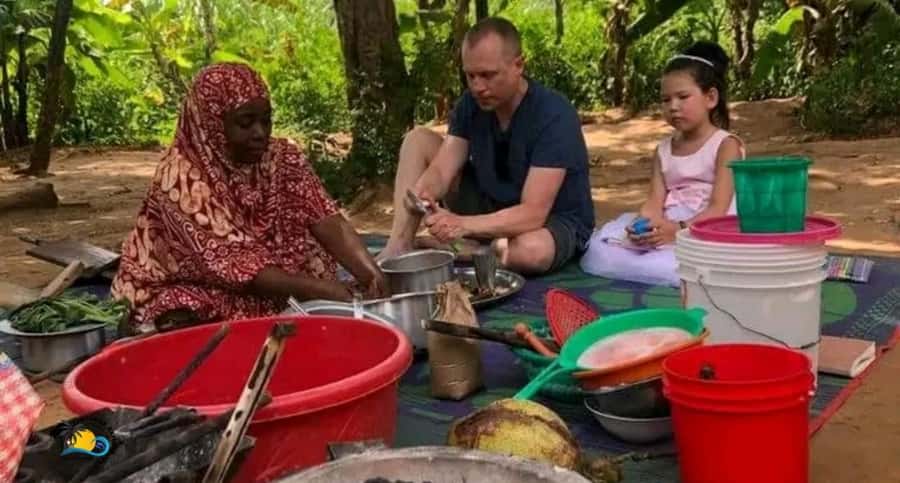
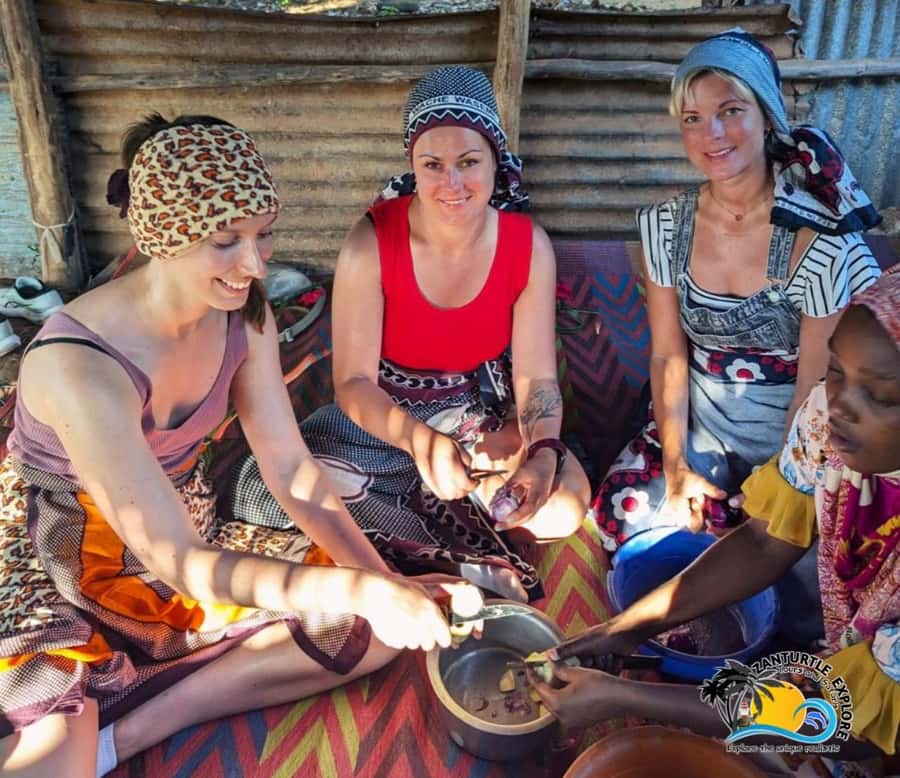
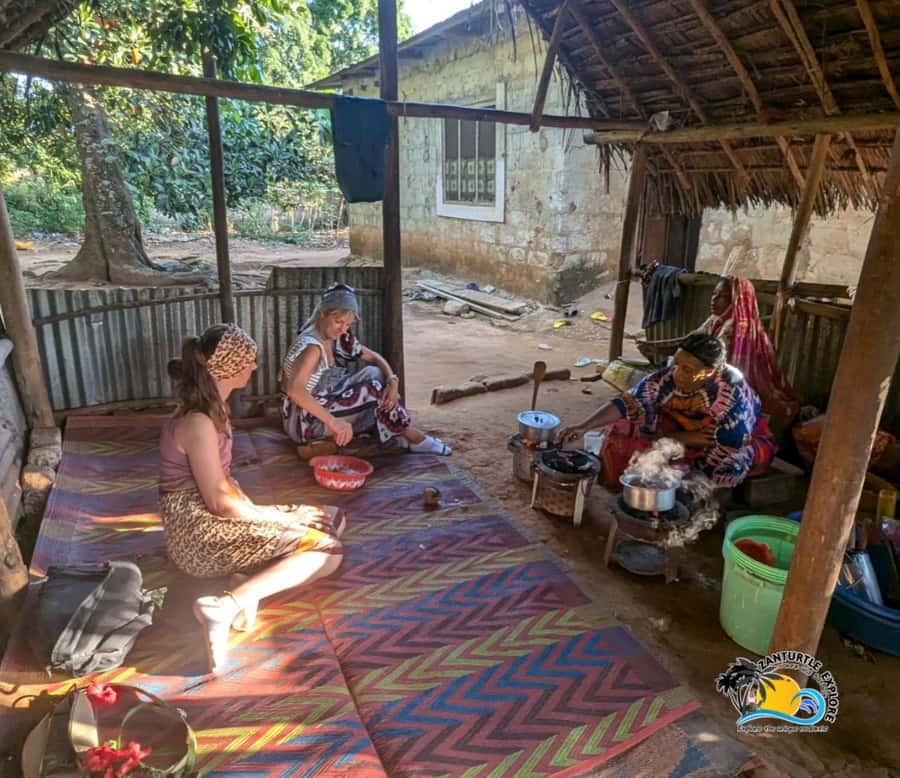
After the walk and harvest, the day shifts into cooking mode at the farm. You’ll return to the class space and cook with a local chef.
What’s clearly built in:
- You’ll use traditional cooking tools and techniques that have been passed down through generations.
- You’ll prepare a 3-course meal and dessert together.
- You’ll cook with guidance from the chef while you handle ingredients and learn method.
Some specific dish examples show up in experience accounts, including pilau rice and a curry plus side dishes. The exact menu can vary by class flow, but the theme is consistent: Swahili flavors, spice-forward cooking, and meals that are designed to taste like home cooking, not like staged tourist demonstrations.
One small consideration: a couple of experience accounts describe the class as more like cooking with locals than a tightly structured “step-by-step cooking lesson” where you learn technique in a very formal way. That doesn’t make it bad—just know what you’re buying. If you’re expecting a full-on culinary course with heavy technique training, you might feel like the hands-on time is lighter than you hoped.
Still, the open-fire / outdoor cooking feel is a highlight. It makes the whole thing more memorable than a kitchen-only class.
Lunch and Dessert: What’s Included, and How to Pace It
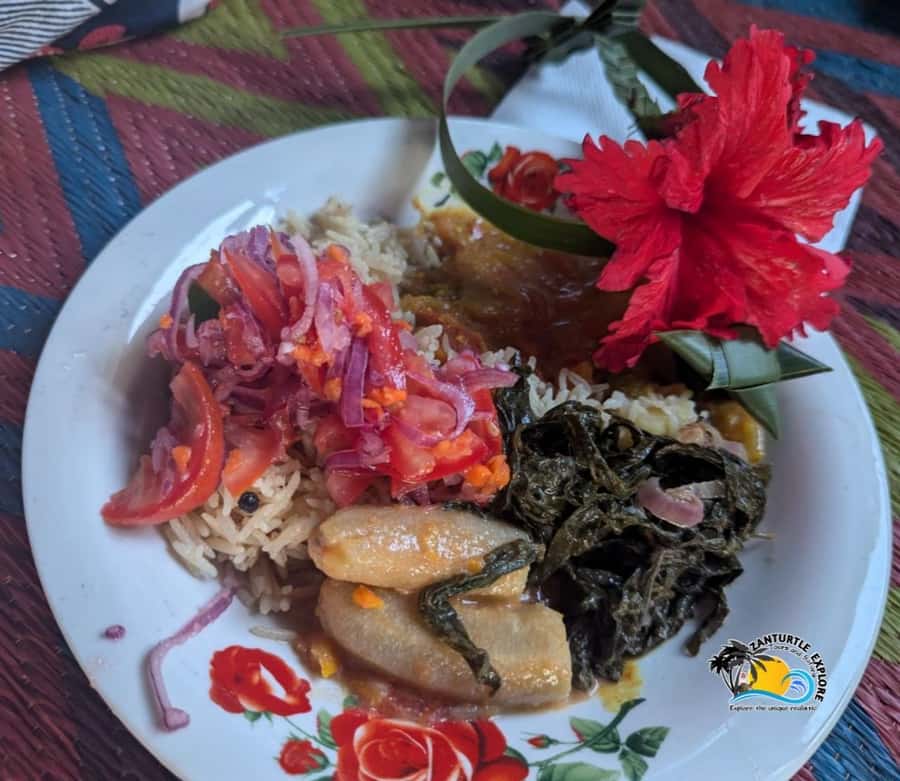
Lunch is included and is made from the dishes you prepare during the class. Soft drinks and fruit are also included. That means you can expect a full meal, not just a small tasting portion.
Because you’ll be outdoors earlier in the day (walking, harvesting, tasting), I’d plan to eat steadily and not go too hard right at the start of lunch. The flavors are spice-forward, and the day is warm-sun heavy. If your stomach runs sensitive, you’ll likely do better by pacing your spice levels rather than chasing every new taste at once.
Dessert being included is another value point. Too many spice-farm days treat dessert like an afterthought. Here it’s part of the 3-course plan, so you can expect a complete meal arc.
Spice Shopping: How to Get Better Value Without Overpaying
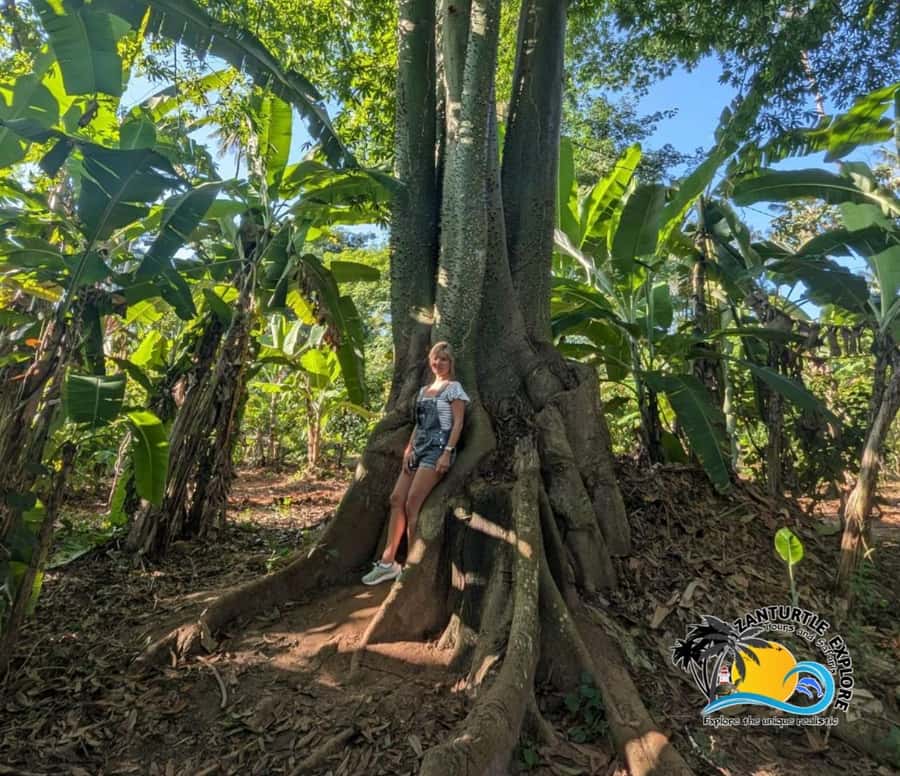
One of the real-world benefits of a farm-based experience is that you’re not only learning. You can also shop on-site afterward.
You may find spice prices to be more reasonable than what you see in some busy market settings. That doesn’t mean every price is automatically a bargain. It does mean you have a direct reference point: you learned what you’re buying, you saw the plant, and you’re buying closer to where it’s produced.
My practical advice: if you’re buying spices, smell them before you pay. Check freshness by scent and color as best you can in the moment. Also, buy small if you’re not sure about the strength you want for home cooking. The day gives you learning tools—you might as well use them.
The Tip Factor: Why It Can Feel Off, and What You Can Do
This is the one part of the experience that can change your mood, depending on how you handle it.
Multiple experience accounts mention that people ask for tips at different moments throughout the day, sometimes from several individuals. That can make the day feel less authentic or less relaxed if you’re not prepared. It can also be awkward if you don’t carry cash.
So here’s the straightforward move: bring cash specifically for tipping if you plan to tip. You’re advised to bring cash anyway for the day, and that advice suddenly makes a lot of sense here. Decide in advance what feels fair to you, then tip consistently rather than reacting mid-moment.
If you’re traveling with a tight budget, treat tips as an extra line item on top of the tour price.
Price and Value: Is $63 Reasonable for This 5-Hour Day?
At $63 per person for a 5-hour experience, you’re paying for a package, not just a quick walk. What you typically get for that price:
- Hotel pickup and drop-off
- Guided walking tour through spice plantations
- Cooking class with a local chef
- All ingredients and cooking equipment
- Soft drinks and fruit
- Lunch of what you cook
- Sensory spice time (taste/smell/touch, including fruits)
That’s why the value is usually strong for the right traveler. You’re not only touring. You’re transporting yourself, learning spice uses, harvesting ingredients, cooking a full meal, and eating it—then getting back to your hotel.
The main “value risk” is if your day is affected by pickup delays or communication issues. Some accounts report confusion during pickup and waiting time before departure. If your schedule is tight that can hurt value fast. If you have flexibility, that risk matters less.
Overall: it’s a fair price when you want hands-on food learning and a proper meal included.
Who Should Book This Spice Farm and Cooking Class
This tour fits best if you:
- Want a food-focused Zanzibar experience with real sensory interaction
- Like learning where spices come from and how they’re used
- Enjoy cooking classes that are practical and outdoors-based
- Prefer a private group rather than a large crowd tour
It also works well if you like village-meets-plantation storytelling, because the day is designed to connect spice growing with local life.
It may be less ideal if you:
- Hate tip pressure and don’t want to carry cash
- Want a super formal culinary training program with highly structured technique lessons
- Have very strict timing constraints, since pickup timing has been inconsistent for some people
Practical Tips Before You Go
Bring:
- Comfortable shoes for walking on farm paths
- Hat and sunscreen for sun exposure
- Camera for plant and cooking moments
- Cash (useful for tips and personal spending)
Know what’s not allowed:
- Pets
- Alcohol and drugs
If you want to enjoy the day without stress, pack light and expect the farm to be a working environment. You’ll be moving, tasting, and learning with your hands.
Should You Book This Zanzibar Spice Farm Tour and Cooking Class?
I’d book it if your goal is a full, taste-based Zanzibar experience: walking the spice plantations, harvesting ingredients, and then cooking and eating a 3-course Swahili meal plus dessert with local guidance.
I’d think twice if you’re extremely sensitive to timing issues or you strongly dislike tip requests. In that case, plan with extra buffer time and bring cash so the day stays comfortable.
If you like practical learning, spice shopping with context, and outdoor cooking, this one is a solid pick for a first Zanzibar food day.
FAQ
How long is the Zanzibar spice farm tour and cooking class?
The experience runs for about 5 hours.
Is hotel pickup and drop-off included?
Yes. You’re picked up from your hotel and dropped back after the tour.
Is this tour private?
Yes. It’s listed as a private group.
What languages are the guides available in?
The guide is available in English, Italian, French, German, Portuguese, Spanish, Polish, Arabic, Swahili, Czech, Russian, and Romanian.
What food and drinks are included?
You’ll have lunch (made during the cooking class), plus soft drinks and fruits.
What should I bring?
Bring comfortable shoes, a hat, a camera, sunscreen, and cash.
Is the tour wheelchair accessible?
Yes, it’s listed as wheelchair accessible.
Is there free cancellation?
Yes. You can cancel up to 24 hours in advance for a full refund.