REVIEW · MARRAKECH
Shared 4 Hours Cooking Class in Marrakesh
Book on Viator →Operated by The moroccan tour · Bookable on Viator
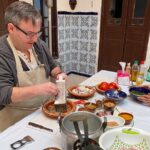
A Marrakech cooking class with a real mom hits different. You cook in a family home, led by Zohra (with Fatim Zahra helping translate), and you learn Moroccan food as it’s made for daily life, not for a staged show.
I love the hands-on rhythm: kneading and shaping Moroccan bread, making mint tea the traditional way, and learning how to balance spices as you go. I also love the meal choices—tagine or couscous style—so you can tailor what you cook to your tastes.
One thing to keep in mind: it’s a small group (up to 10), in a home kitchen, and you’ll be working close to ingredients and heat. If you’re picky about mobility, strong smells (spices, preserved lemon, grilled eggplant), or lots of tactile prep, think about whether this setup will work for you.
In This Review
- Key highlights you’ll care about
- A Marrakech cooking class that feels like an invitation
- How the session runs (and why the timing works)
- Your first lesson: bread and the joy of making it with your hands
- Mint tea: Morocco’s hospitality lesson, not just a drink
- Salads that train your palate for tagine flavors
- Tagine or couscous: choosing your main dish and learning the core technique
- Lunch around the table: where it becomes more than cooking
- What $81.30 buys you (and why it can be good value)
- Practical tips so you get the best experience
- Who should book this Marrakech cooking class
- Should you book it?
- FAQ
- What’s included in the Shared 4 Hours Cooking Class in Marrakech?
- How long is the cooking class?
- Do they offer pickup?
- What can I cook during the class?
- Is the group small?
- Are tips included in the price?
Key highlights you’ll care about
- Zohra’s home kitchen teaching: you’re not watching from the sidelines
- Mint tea ritual included: you learn the process behind Moroccan hospitality
- Bread from the clay-oven world: knead, shape, and bake the real way
- Salads with clear flavor rules: zaalouk, taktouka, and tomato salad build your palate
- Pick your main: chicken, lamb, beef, fish, or couscous-style options
- Small group size: up to 10 people means more attention and less waiting
A Marrakech cooking class that feels like an invitation
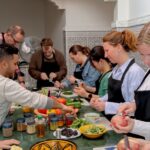
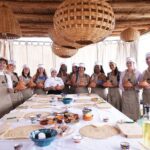
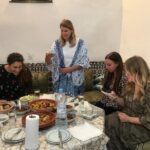
In Marrakech, it’s easy to end up with experiences that feel like shopping trips in disguise. This one avoids that trap fast. You’re greeted in a real family home, and you cook as part of the household flow—talking, tasting, and getting taught step by step.
The fact that the host is Zohra matters. Her style is relaxed but focused, and Fatim Zahra’s translation keeps things friendly and clear. The result is a class that feels personal, not performative.
Also, you’re getting more than a recipe. You’re picking up the “why” behind the flavors—how Moroccan seasoning works, why preserved lemon shows up so often, and how salads set the stage for the main event.
You can also read our reviews of more tours and experiences in Marrakech.

How the session runs (and why the timing works)
This is about 4 hours total, with lunch included. You also have the convenience of an air-conditioned vehicle and pickup offered, which matters in Marrakech where the heat and traffic can drain your energy before you even start cooking.
A typical flow goes like this:
- You meet, then head to the cooking space (often after a short ingredient stop)
- You prep ingredients together and start with bread and mint tea
- You move into salads while the main cooks
- You finish by sharing lunch—everything you made, served family style
That structure is smart. Bread and mint tea set the tempo, salads keep you busy and learning while the tagine simmers, and the main dish gets the attention it deserves at the end.
Your first lesson: bread and the joy of making it with your hands
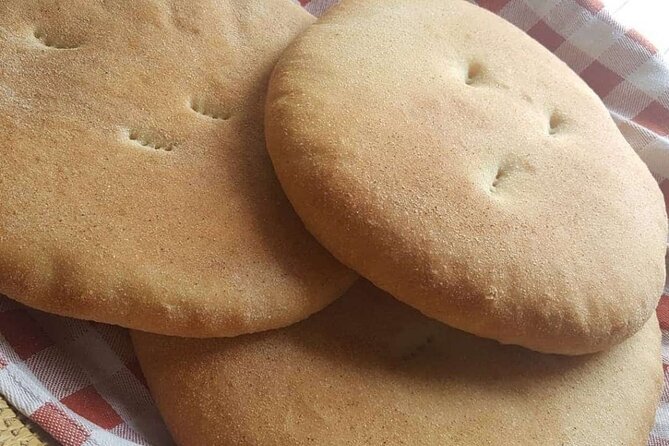
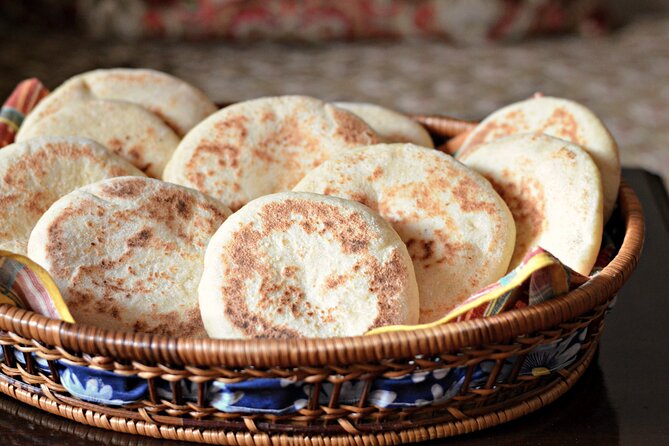
Moroccan bread is not just a side. It’s a tool. You use it to scoop salads, swipe tagine sauce, and wipe your plate like it’s part of the recipe (no shame here).
In this class, you learn the process with your hands—mixing, kneading, shaping, and baking. The bread experience in these sessions often includes using a clay oven setup, which changes the whole feel of the baking. It’s the kind of detail you remember because you can actually see and smell the difference as it cooks.
What I like about starting with bread is that it teaches technique early. You’re warming up your senses before you jump into spice work. Plus, when you finally eat, you’re not guessing what you did—you know exactly why it worked.
Mint tea: Morocco’s hospitality lesson, not just a drink
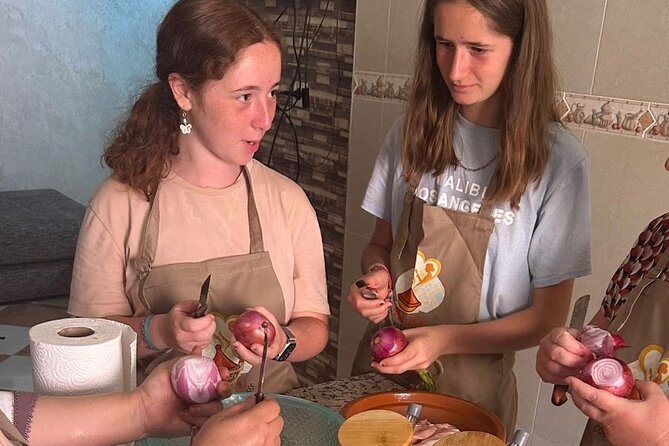
Mint tea is iconic in Morocco, but most visitors only know the end result. Here, you learn the ritual itself—how to prepare it properly so it tastes balanced instead of flat or overly bitter.
What you pick up is the idea of Moroccan hospitality as a process. Tea isn’t an afterthought. It’s a welcome, a calm moment, and a signal that you’re in someone’s home.
And once you’ve made it yourself, you’ll understand why it shows up in family life and guest time. It’s not a gimmick. It’s a habit.
Salads that train your palate for tagine flavors
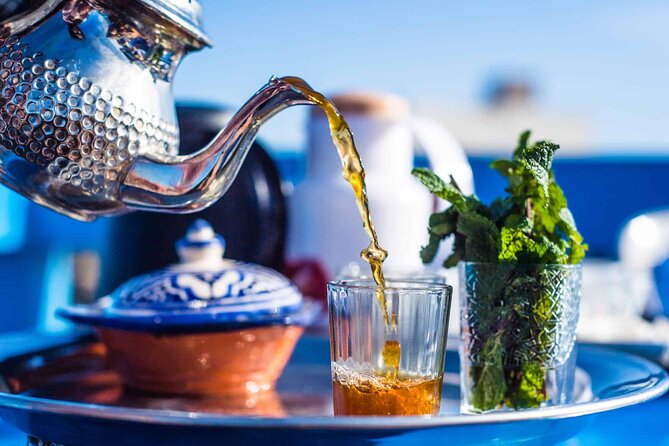
One of the best parts of Moroccan cooking is that it’s layered. You don’t just eat one flavor at a time. You taste contrasts—smoky, tangy, sweet, peppery—then the main dish ties it together.
In this class, you’ll work with salads such as:
- Zaalouk (smoky eggplant salad)
- Taktouka (pepper and tomato salad)
- Tomato salad (fresh and bright)
These salads are practical to learn because they teach you how Moroccan cooking builds flavor. Eggplant becomes smoky and soft. Peppers and tomatoes become sweet-tangy and spoonable. Then the salads make your tagine taste even deeper because they prepare your palate first.
Also, salads move quickly. While the tagine simmers, you can keep learning instead of standing around waiting.
Tagine or couscous: choosing your main dish and learning the core technique
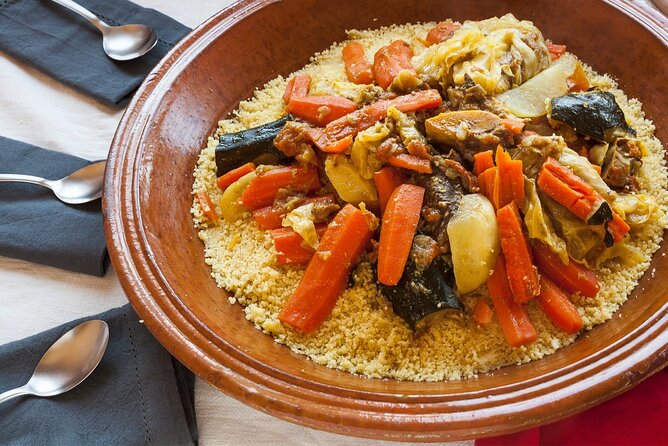
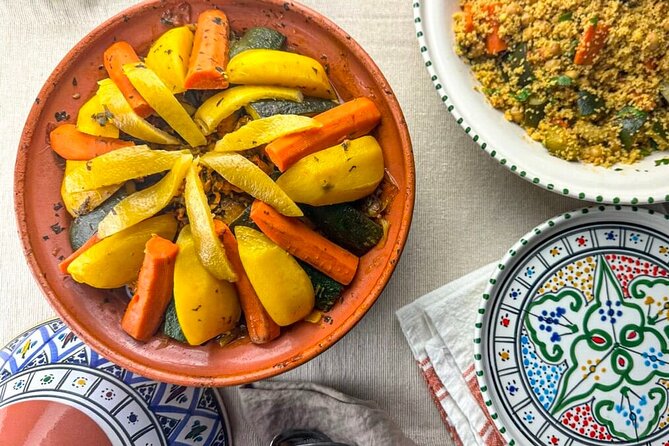
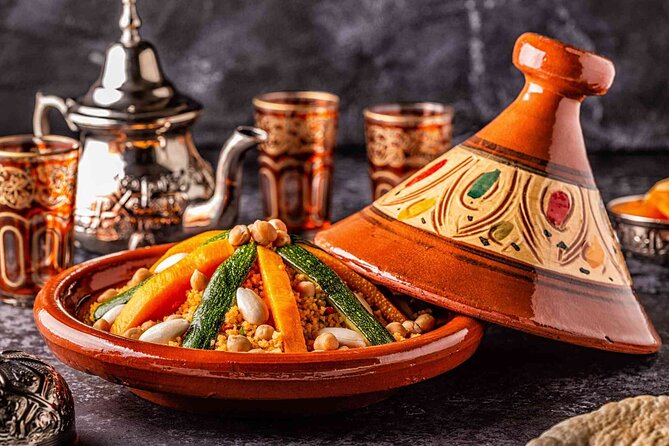
The star of the class is your main—tagine or couscous-style cooking. You can typically choose from options like chicken, lamb, beef, or fish, and the dishes are built around Moroccan spice blends and classic add-ins like olives, lemon, artichokes, peas, prunes, almonds, and more depending on the day.
Here’s what makes this part valuable: tagines are about more than throwing ingredients together. You learn how seasoning is paced, how the cook time affects texture, and how the pot’s slow method turns sharp ingredients into something round and tender.
You’ll also get hands-on involvement, not just watching. That includes chopping, mixing spices, assembling, and managing what goes into the pot. By the time it’s served, it feels earned—and you can explain what each ingredient is doing.
Even if you’re not cooking at home often, the lessons carry. After this, you’ll be able to recreate the logic: preserved lemon for punch, olives for saltiness, aromatics for base flavor, and slow cooking to blend it all.
Lunch around the table: where it becomes more than cooking
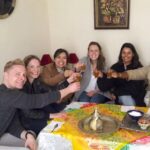
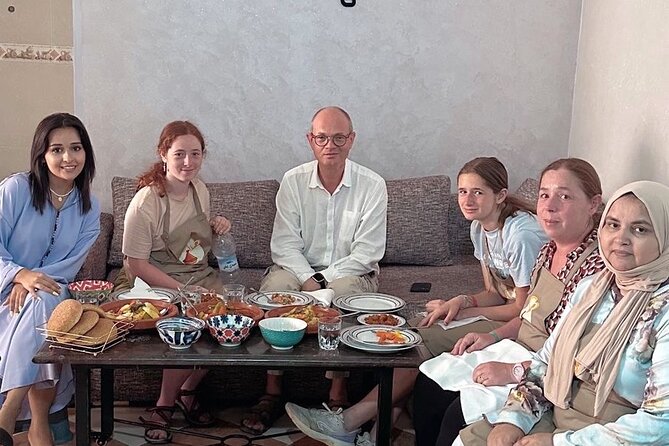
The lunch part matters because Moroccan hospitality is about sharing. Instead of eating in a rushed, separate way, you sit down as a group and eat what you made.
Many people end up remembering the tone more than the plating. You’ll talk, laugh, and hear stories while you eat. That’s also where Fatim Zahra’s role becomes especially noticeable. Her translation keeps the connection real, not robotic.
And yes—this is the point where you taste everything at once: bread + salad + tagine sauce in one meal. It’s the full system, working together, the way Moroccan cooking is meant to be eaten.
What $81.30 buys you (and why it can be good value)
At $81.30 per person for a 4-hour class, the price can look “high” at first glance—until you break down what’s included.
You get:
- Lunch
- Pickup offered and an air-conditioned vehicle
- English and French guidance
- A small group (max 10)
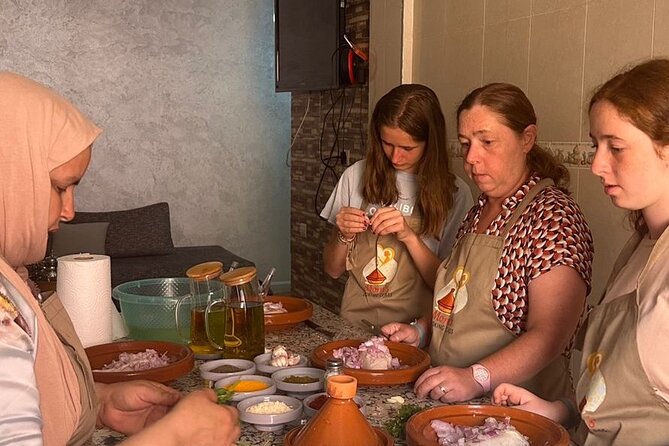
If you’ve ever booked cooking classes where you mostly chop a few things and eat later somewhere else, this feels different. You’re in the home kitchen. You’re making multiple components: bread, mint tea, salads, and a main dish. That turns it from a short activity into a true half-day experience.
One practical note: tips are not included, so factor that in if you’re budgeting like a pro.
Also, booking tends to fill in advance (it’s commonly reserved about 19 days ahead on average), so if you want a specific time window during your stay, don’t wait until the last minute.
Practical tips so you get the best experience
A few small moves can make the day smoother.
- Wear something you can get a bit close to food prep in. Home kitchens aren’t restaurant labs.
- Expect spice smells and warm cooking air. It’s part of the deal, not a problem—just plan for it.
- Go in with an open attitude toward hands-on work. The class works best when you lean in.
If you’re traveling as a couple or small group, this format is especially friendly. With up to 10 people, you’re not just one face in a crowd.
Who should book this Marrakech cooking class
This is a great match if you want:
- A genuine local home setting
- A hands-on class that teaches real technique
- A meal experience that includes bread, tea, salads, and a main
It’s also a smart pick if you already like food and want to learn how Moroccan flavors fit together. You’ll leave with a better sense of what to look for at spice markets and how to build dishes without guessing.
If your ideal day is only sightseeing, very fast paced, and schedule-tight, this class might feel a bit slower than you expect. But if you want a break that feels like you stepped into daily life, this one hits the mark.
Should you book it?
If you want a Marrakech experience that’s more about learning and sharing than taking photos, I’d book it. The reason is simple: you’re taught by Zohra in her home, with Fatim Zahra translating, and you cook multiple parts of a Moroccan meal—bread, mint tea, salads, and a tagine or couscous main.
Go for it if you’re excited to get your hands into the food and you value a calm, friendly atmosphere over a crowded “activity” feel. Skip it only if home-kitchen heat, close work, and strong spice aromas are dealbreakers for you.
FAQ
What’s included in the Shared 4 Hours Cooking Class in Marrakech?
Lunch is included, along with air-conditioned vehicle transportation, and an English and French guide.
How long is the cooking class?
The class lasts about 4 hours.
Do they offer pickup?
Yes, pickup is offered, and you return back to the meeting point at the end.
What can I cook during the class?
You’ll learn Moroccan bread, mint tea, several salads (like zaalouk, taktouka, and tomato salad), and you can prepare a tagine (chicken, lamb, beef, or fish) or couscous.
Is the group small?
Yes. The experience has a maximum of 10 travelers.
Are tips included in the price?
No. Tips are not included and are at your discretion.