REVIEW · NEW ORLEANS
New Orleans: Traditions Cooking Class
Book on GetYourGuide →Operated by The Mardi Gras School of Cooking · Bookable on GetYourGuide
Three hours, big flavor lessons. This New Orleans cooking class turns Cajun and Creole favorites into a hands-on session, with small-group instruction and practical chef-led techniques. You’ll get more than recipes—you’ll learn how seasonings and method shape the final taste.
I also like the way you eat the results right after cooking, so the class feels like a real New Orleans meal, not a demo you watch from the sidelines. That said, the menu is focused on signature dishes (shrimp, jambalaya, and bread pudding), so it’s not the best match if you’re hoping for lots of variety.
Plan on 3 hours with an English-speaking instructor, capped at 10 participants, starting at Suite 101 on the ground level. You’ll put on aprons, cook with guidance, and enjoy the meal with included wine, beer, sodas, and water.
In This Review
- Quick hits: What makes this class worth your time
- Suite 101, aprons on: how the class starts
- What you cook in 3 hours: shrimp, jambalaya, bread pudding
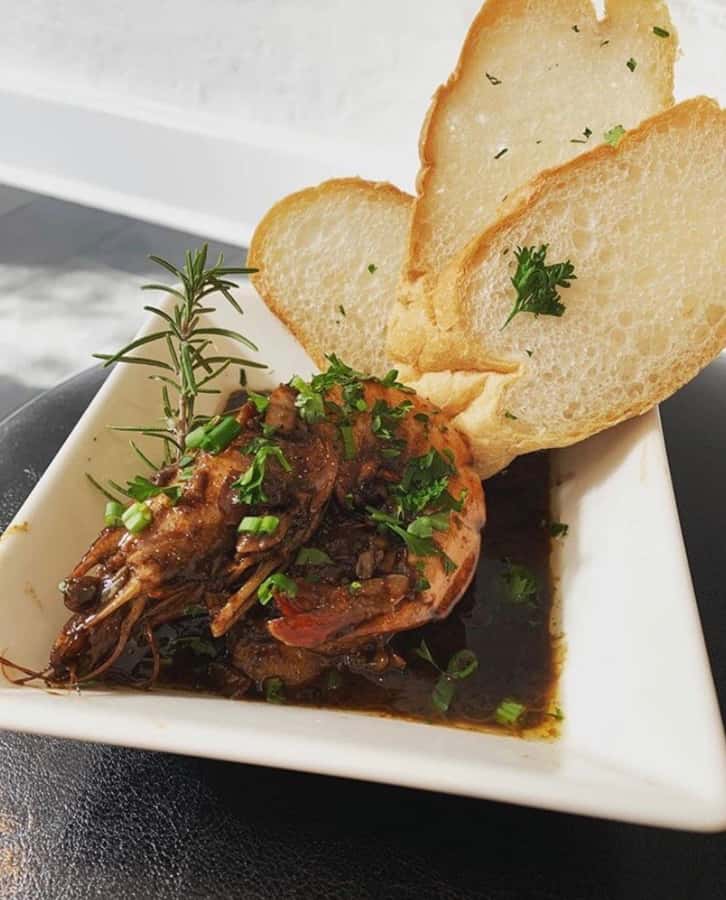
- New Orleans-style barbecue shrimp
- Chicken and andouille sausage jambalaya
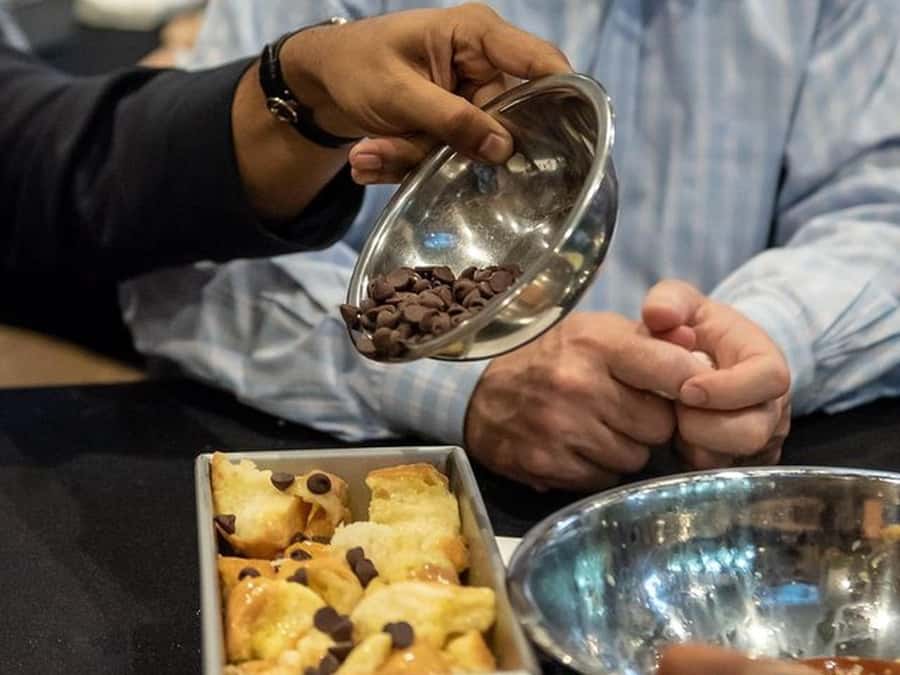
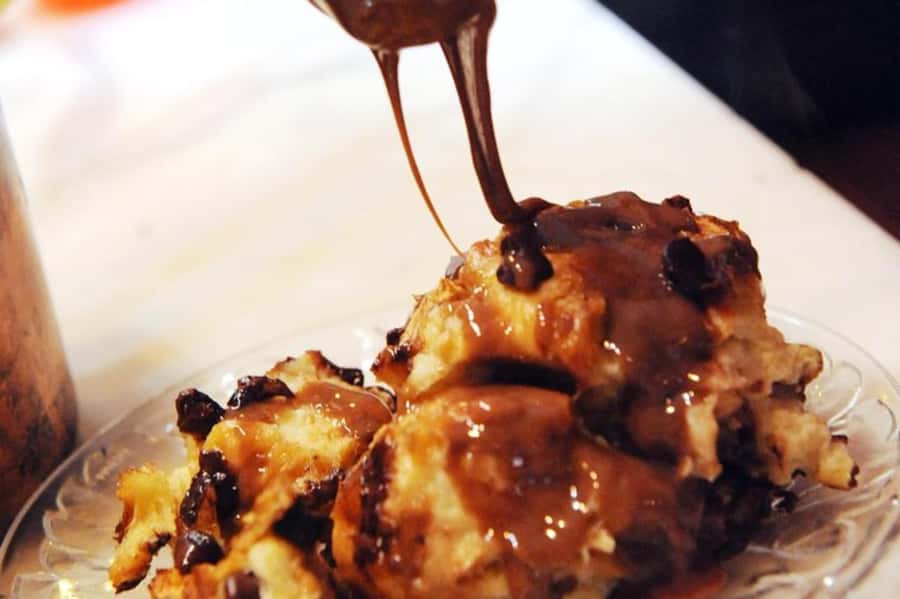
- Chocolate bread pudding with brandy mocha sauce
- Cajun vs Creole: you taste the difference, then hear why
- Chef-led technique: what you learn besides the recipes
- Eating time: drinks included, meal included, no extra thinking
- Duration, group size, and the practical reality of $157
- Who should book this class—and who should think twice
- Should you book the New Orleans Traditions Cooking Class?
- FAQ
- FAQ
- What is the duration of the New Orleans Traditions Cooking Class?
- How much does it cost?
- Where is the meeting point?
- What dishes do you cook during the class?
- Are meals included?
- Are drinks included?
- What is included in the activity price?
- What is not included?
- Is the class suitable for children?
- Is it wheelchair accessible?
Quick hits: What makes this class worth your time
- Small group (10 max) means easier questions and more personal coaching at the stove
- New Orleans-style barbecue shrimp is a standout you can’t easily replicate from memory
- Jambalaya with chicken and andouille teaches how classic meats and seasoning work together
- Bread pudding with brandy mocha sauce gives you a sweet, local-favorite finish
- Chefs share history and cooking style context, so you understand what you’re tasting
- Wine, beer, sodas, and water included turns the class into a full meal experience
Suite 101, aprons on: how the class starts
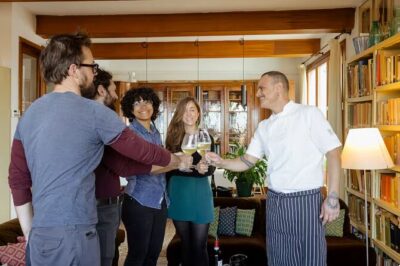
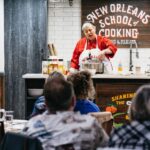
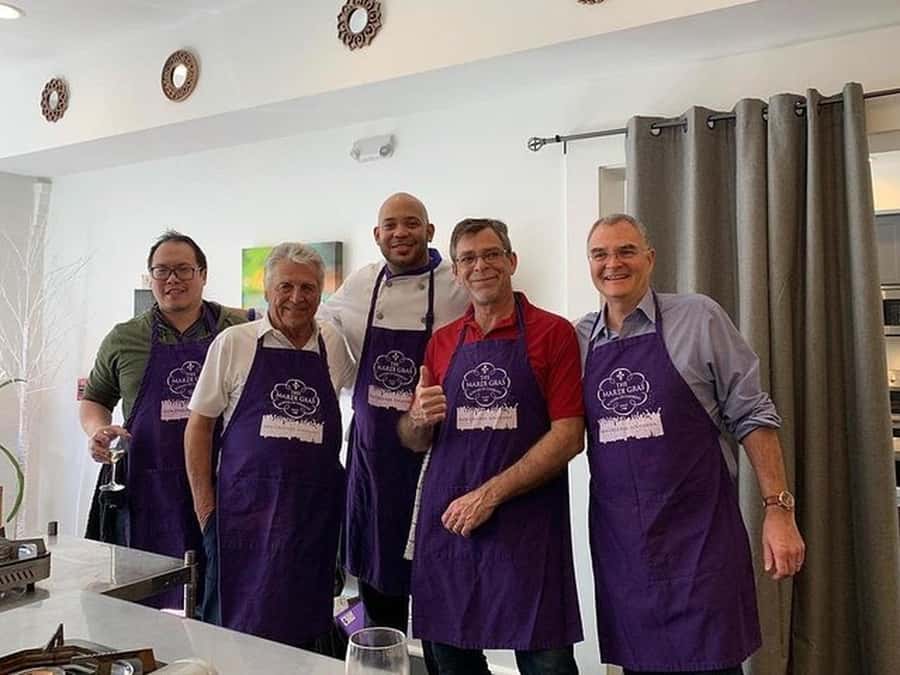
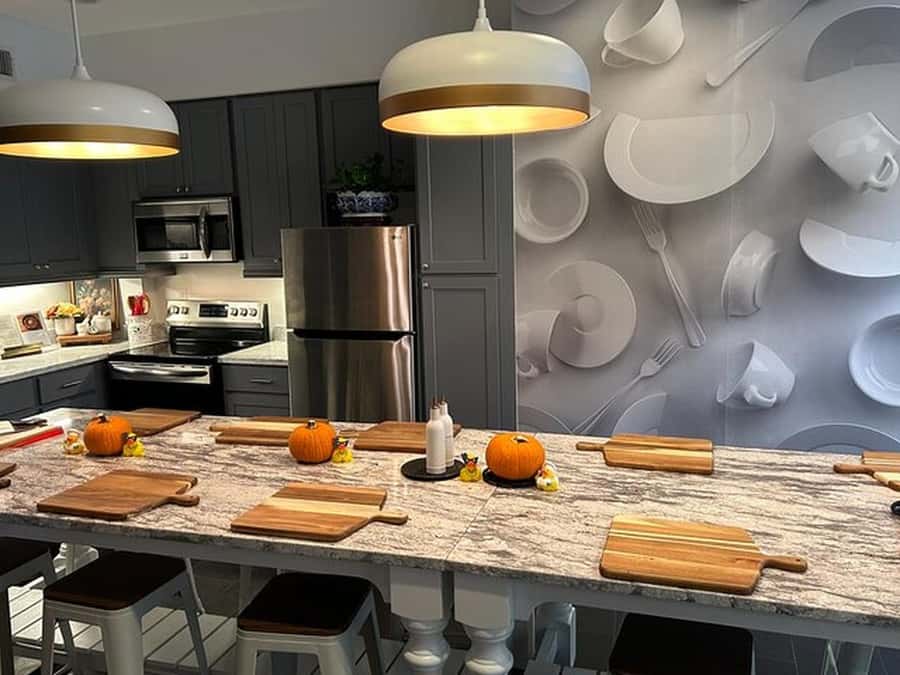
You meet at Suite 101 on the ground level, then you settle in with your group before cooking begins. This is one of those tours where the pacing matters: a quick welcome keeps the energy easy, then you get to work. With a cap of 10 participants, you’re not squeezed into a crowd, and you’re more likely to get the kind of attention that helps you actually learn the method.
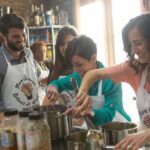
You’ll put on aprons as part of the setup, which is a small detail but a useful one. It signals the class isn’t about looking nice—it’s about cooking, tasting, and correcting as you go.
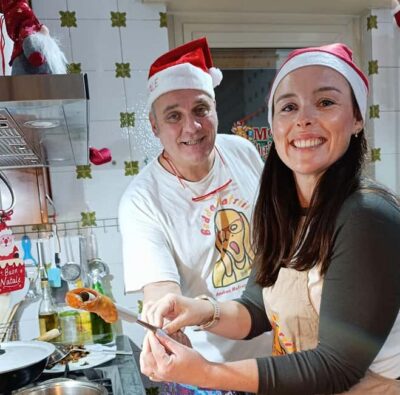
The vibe stays friendly and upbeat, and the chefs do a lot to keep it fun while still teaching. In past sessions, instructors like Raymond, Erika, and Coach are specifically praised for being clear with explanations and warm with the group, which is exactly what you want when you’re learning Cajun and Creole techniques on the fly.
You can also read our reviews of more tours and experiences in New Orleans.
What you cook in 3 hours: shrimp, jambalaya, bread pudding
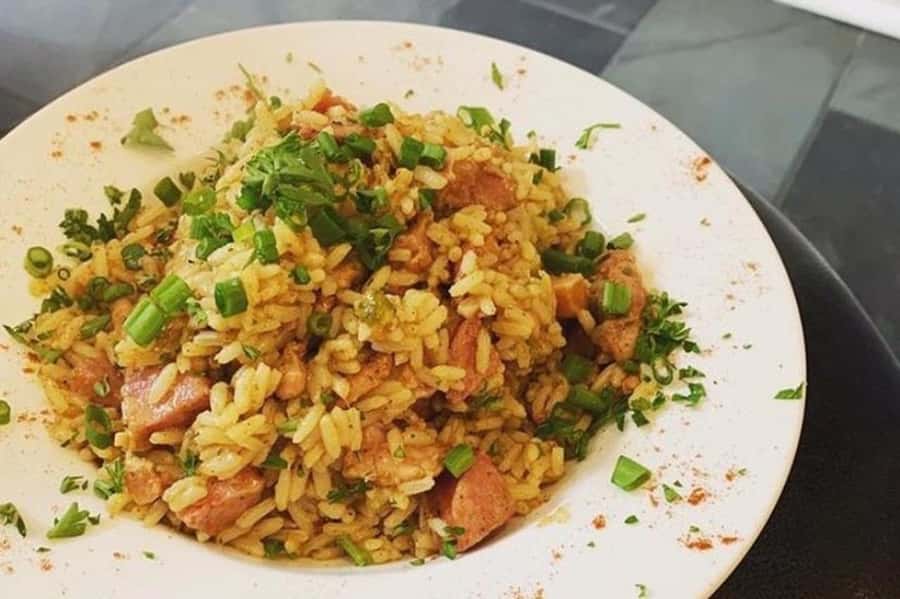
The class is built around a tight lineup of iconic Louisiana dishes. You’re not just sampling; you’re making these recipes with step-by-step guidance and professional technique. Here’s what’s on the menu:
New Orleans-style barbecue shrimp
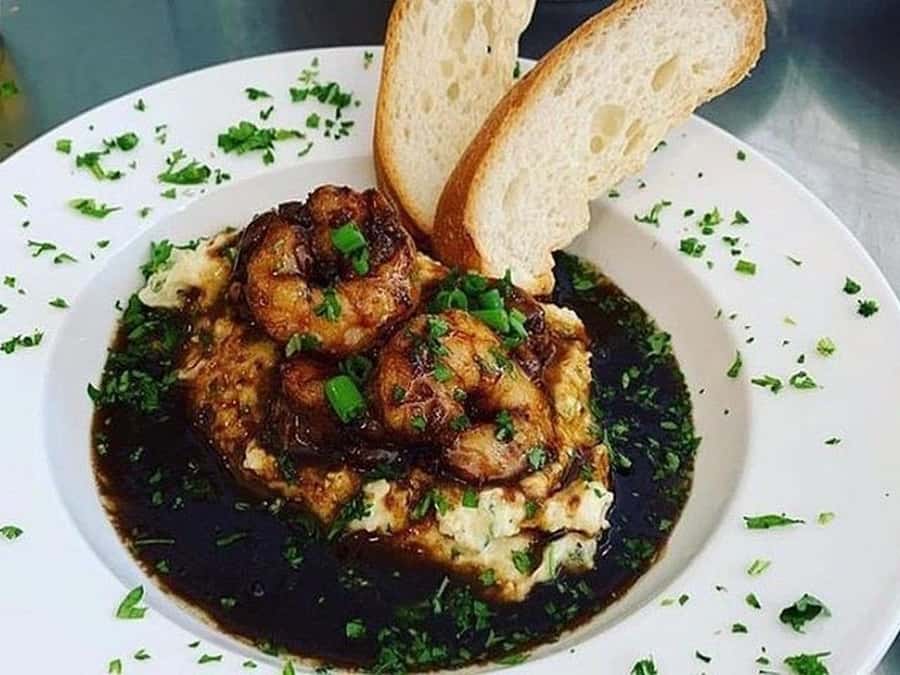
This is the first big reason to consider the class, especially if you’ve never had New Orleans barbecue shrimp. You’ll work with classic ingredients and a style that feels very local—more than just “barbecue flavor.” You should expect a dish that’s flavorful on purpose, not smoky by default, and tuned to how Louisiana cooks build sauces and seasoning.
Practical takeaway: you’ll come away thinking about sauce as a system—seasoning first, then cooking method—rather than treating flavor as something you can only add at the end.
Chicken and andouille sausage jambalaya
Jambalaya is where Cajun and Creole traditions overlap, and you’ll learn that the dish isn’t just about throwing ingredients into a pot. You’ll use classic meats for the signature version, including chicken and andouille sausage, which brings a smoky-spicy backbone.
If you care about cooking at home later, this is a great lesson. Jambalaya teaches timing and how seasoning works throughout the dish, because the flavor has to carry through every spoonful.
Chocolate bread pudding with brandy mocha sauce
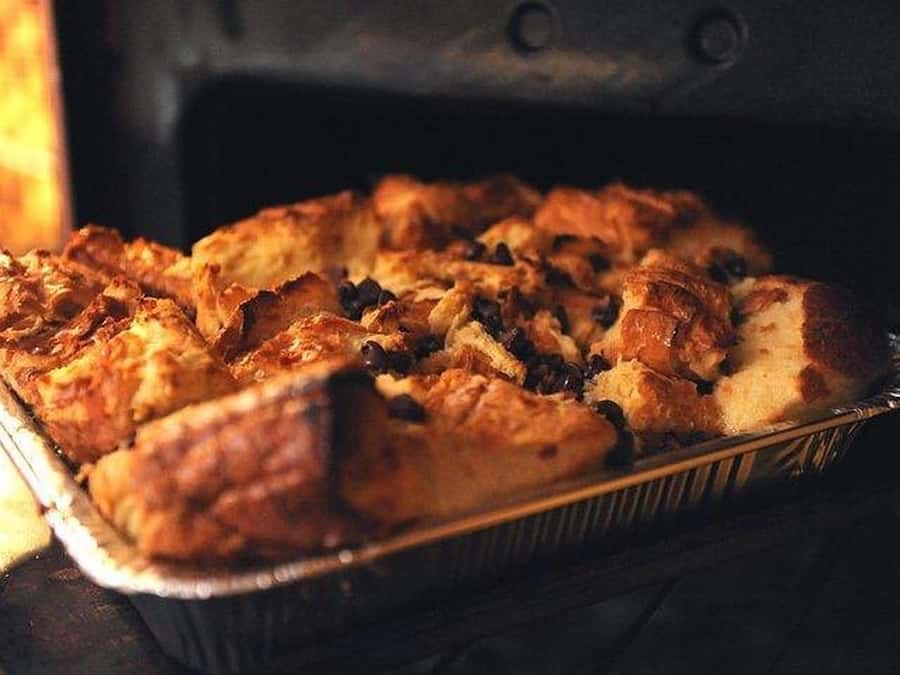
You finish with a dessert that’s both comforting and Louisiana-coded. The chocolate bread pudding comes with brandy mocha sauce, which adds warmth and depth. It’s the kind of ending that makes the meal feel complete, not like you ate a class snack.
The useful part for you: bread pudding is forgiving compared to some desserts, and the sauce gives you a ready-to-remember flavor combination. Even if you only recreate one element later, it’s a win.
Cajun vs Creole: you taste the difference, then hear why
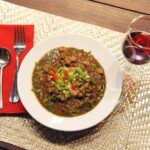
One reason this class works so well is the way it connects food to background. You’ll learn the history behind iconic Louisiana dishes and you’ll hear how Cajun and Creole cooking styles differ. This isn’t taught as trivia; it’s tied to the choices in the recipes—what gets emphasized, how seasoning is approached, and why the dishes taste the way they do.
In sessions taught by instructors like Erika, students get clear explanations of the different cooking styles and how that shows up in the recipes. That matters because seasoning in Louisiana cooking is not accidental. The class aims to show you what the flavors are doing, so when you cook later, you’re not guessing.
Here’s the mental shift I recommend you keep in mind while cooking: treat Cajun and Creole as two ways of building flavor. You’ll still use the same core ingredients you’d find in Louisiana kitchens, but the approach to spice, sauce, and method changes the final profile.
Chef-led technique: what you learn besides the recipes
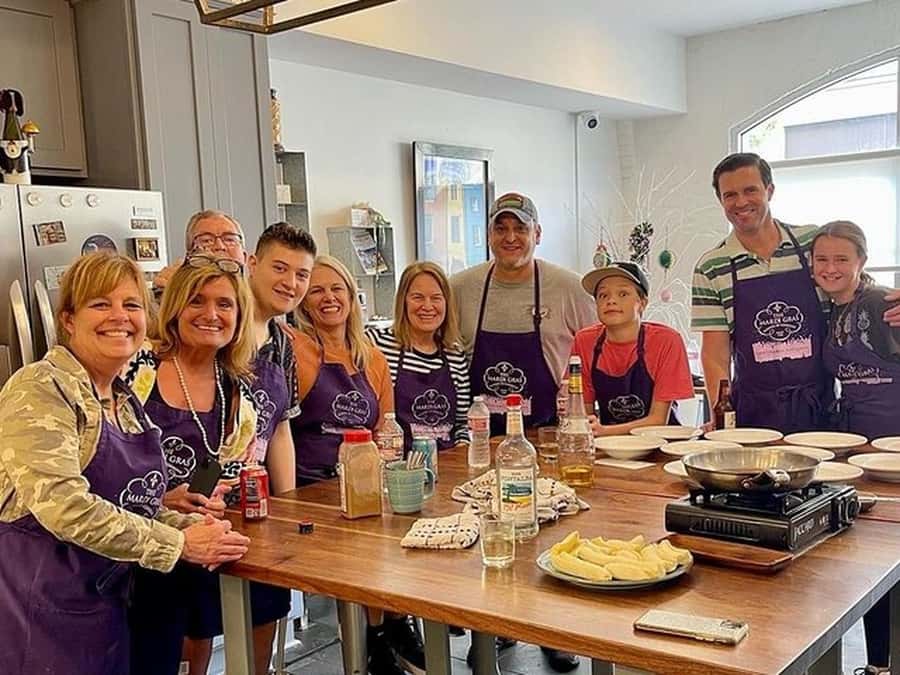
The class is hands-on from the start. You’ll follow step-by-step instructions and learn professional cooking techniques, including the secrets of seasoning. That wording can sound salesy, but in practice it means you get practical habits: how to taste as you go, how to adjust seasoning logic, and how to avoid the common mistakes that flatten flavor.
In earlier classes, instructors have been praised for sharing tips that help you recreate the dishes at home. One specific type of help that comes up is guidance on correcting mistakes—so you don’t just learn the “perfect run,” you learn how to recover when something is off.
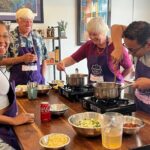
Also, the small group size matters here. If you’re cooking beside seven or nine others, you’ll get time to ask questions without waiting forever. That’s the difference between leaving with a photo and leaving with skills.
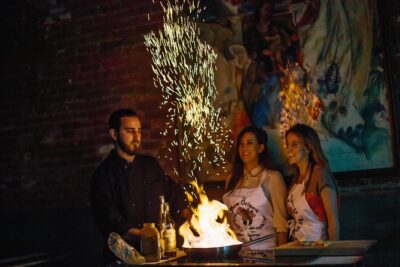
And yes, you’ll likely see a “kitchen dinner party” energy. Chefs are described as warm, funny, and full of local charm—so you’re learning in a way that doesn’t feel stiff. The goal isn’t to turn you into a Cajun chef overnight. It’s to get you comfortable with the logic behind the cooking.
Eating time: drinks included, meal included, no extra thinking
From the moment you arrive until you leave, you’re guided by the chefs, and the class ends with the meal you’ve prepared. That part is a big value driver. You’re not paying just for instruction—you’re paying for a full food experience.
Your meal includes:
- Barbecue shrimp (New Orleans style)
- Chicken and andouille sausage jambalaya
- Chocolate bread pudding with brandy mocha sauce
Drinks included with your class and meal are wine, beer, sodas, and water. That’s a sensible setup. It means you don’t have to make decisions or budget for drinks during your activity window—you’re already covered for the dining portion of the experience.
If you like tasting and comparing, this format also helps. You can connect what you did at the stove to what you’re eating on your plate, then ask questions while the flavors are still fresh in your memory.
Duration, group size, and the practical reality of $157
At $157 per person for a 3-hour class, this can feel like a splurge—until you break down what’s included. You’re paying for:
- Cooking class instruction
- A full meal (lunch/dinner)
- Alcoholic beverages plus sodas and water
- Time and ingredient work led by expert chefs
- A small group limited to 10 participants
The value part is that you’re not just buying ingredients. You’re buying someone’s guidance, plus the convenience of having everything handled inside the program. You don’t need to source your own spices, measure everything blindly, or clean up your own kitchen afterward.
One caution: you may still want to budget for gratuity, since it’s not included. Also, transportation to and from the venue isn’t included, so you’ll want a plan for getting there comfortably.
But if you want an experience that’s both educational and genuinely edible, the price makes more sense. You leave fed, with techniques you can apply later, and with a New Orleans-style menu you’ll remember because you made it.
Who should book this class—and who should think twice
This class is a great fit if you:
- Love Cajun and Creole food and want to understand how it’s built
- Want hands-on cooking rather than watching a demo
- Enjoy asking questions and learning cooking style differences
- Prefer small-group settings where you’re not lost in the back
There’s also a clear limit: it’s not suitable for children under 10. If you’re traveling with younger kids, you’ll need a different activity.
There’s one more honest consideration based on the menu. The class focuses on shrimp, chicken-and-andouille jambalaya, and bread pudding. If you don’t eat shrimp or don’t want meat-based Cajun/Creole dishes, this might feel too narrow for your tastes. The class isn’t positioned as a customizable menu.
Should you book the New Orleans Traditions Cooking Class?
I think you should book it if you want a New Orleans activity that mixes technique, local flavor, and a real meal with drinks included. The best part is the balance: you get professional cooking guidance plus the context behind Cajun and Creole dishes, and you leave with food that matches what you learned.
Book it with confidence if you like hands-on learning and you appreciate small-group energy. Consider skipping or choosing something else if you’re hunting for a wide variety of cuisines or you need kid-friendly programming under age 10.
If your schedule is flexible, you can reserve now and pay later, and you can cancel up to 24 hours in advance for a full refund. That reduces the risk of planning around it.
FAQ
FAQ
What is the duration of the New Orleans Traditions Cooking Class?
The class lasts 3 hours.
How much does it cost?
It costs $157 per person.
Where is the meeting point?
You meet at Suite 101 on the ground level.
What dishes do you cook during the class?
The menu includes New Orleans-style barbecue shrimp, chicken and andouille sausage jambalaya, and chocolate bread pudding with a brandy mocha sauce.
Are meals included?
Yes. Lunch/dinner is included, and it includes the dishes you prepare.
Are drinks included?
Yes. Wine, beer, sodas, and water are included with the class and meal.
What is included in the activity price?
Included items are the cooking class, alcoholic beverages, and lunch/dinner.
What is not included?
Personal expenses, transportation to/from the venue, and gratuity are not included.
Is the class suitable for children?
No, it is not suitable for children under 10.
Is it wheelchair accessible?
Yes, the activity is wheelchair accessible.