REVIEW · BALI
Bali: Private Balinese Cooking Class in a Family Home
See Prices & Book →Operated by Trip Gotik - Bali Tours
Your morning starts in a real Balinese market. I love how the day begins with a local market run where you pick ingredients yourself, then shifts into a real family home kitchen instead of a studio. It makes the whole class feel personal, not staged.
I also really like the hands-on structure: you’ll cook 5–6 recipes with close help, then sit down right after to eat what you made. The included breaks (tropical fruit and Loloh Cem Cem) are a nice reset, and the fact that you can take the rest home turns lunch into a real souvenir.
One watch-out: the ride time can be longer than you expect depending on where your hotel is, and English support can vary a bit if a family member is quieter with language. If you’re sensitive to long transfers, plan your day around it.
In This Review
- Key highlights worth clocking
- A family kitchen in Bali: why the setting changes everything
- The included market run: picking ingredients you’ll actually taste
- What you’ll cook: 5–6 Balinese dishes with real technique
- Standard non-vegetarian menu themes
- Vegetarian menu themes
- The hands-on part: you won’t just watch
- Breaks, fruit, and Loloh Cem Cem: tasting the pace of a Balinese day
- Eating together in the informal dining space
- Timing and transport: plan for the ride, not just the cooking
- Price and value: why $52 can make sense (and when it might not)
- Add-ons and language options: customize your day
- Cultural extras you might get from your guide
- Who should book this class (and who should skip it)
- Should you book this Bali private cooking class in a family home?
- FAQ
- How long is the cooking class?
- Is this a private class?
- Do I need to choose vegetarian or non-vegetarian before the class?
- How many dishes will I cook?
- Do you include ingredients and cooking tools?
- Is a market visit included?
- Are there breaks during the class?
- Can I take food home?
- Is pickup and drop-off included?
- Are there dietary restrictions I should tell the team about?
Key highlights worth clocking
- Hands-on cooking at a family home with a chef who coaches you at the stove
- Market shopping to choose fresh ingredients before you cook
- A full menu experience: 5–6 recipes, including peanut sauce and banana-leaf cooking
- Taste stops built in: tropical fruit plus Loloh Cem Cem herbal drink
- Your food follows you home after lunch
- Optional extras like massage, Luwak coffee tasting, or language-specific guidance
A family kitchen in Bali: why the setting changes everything
This isn’t one of those cookie-cutter cooking classes where you stand back and watch someone else work. You’re hosted in a traditional Balinese family home, which changes the tone fast. The kitchen feels lived-in, the ingredients feel local, and you learn faster because you’re doing the work yourself.
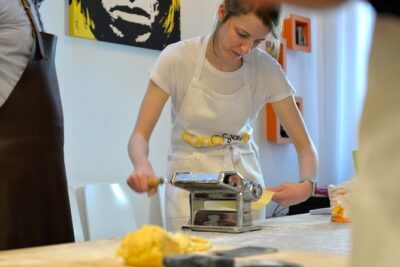
In practice, that means you’ll get a welcome drink, a menu intro, and a cooking demonstration first. Then you move into prep and the stoves—cutting, mixing, and assembling with help nearby. People who care about authentic food usually love the atmosphere here, because Balinese cooking is practical and hands-on. It’s not about fancy tools. It’s about flavor, timing, and technique.
There’s also a cultural rhythm to the day. Even when you’re focused on a dish, you’re picking up little explanations: why certain herbs are used, how dishes are assembled, and how meals fit into everyday family life. If you’re the kind of traveler who likes to understand the why, this format makes that easy.
You can also read our reviews of more tours and experiences in Bali.
The included market run: picking ingredients you’ll actually taste
The market visit is one of the best parts because it’s not just sightseeing. You’re selecting what you’ll cook with later, and that matters in Bali where small differences in ingredients can change the final taste.
You typically go to a local market, and you’ll learn what to look for—freshness, ripeness, and what’s best for your menu. Then you return to the cooking home, which makes the ingredient selection feel purposeful rather than random.
A practical note: market availability can vary based on time of day and local regulations, so don’t expect every stall to be open. If you come with flexible expectations, the market still delivers—what you’re trying to capture is the local shopping rhythm, not a perfect market postcard.
What you’ll cook: 5–6 Balinese dishes with real technique
The class menu is split into two tracks: Standard (non-vegetarian) and Vegetarian. You choose before the class, so you’ll cook a consistent set based on what you selected.
Either way, you’re cooking multiple recipes—usually 5–6 dishes—so you get the bigger picture of Balinese flavors, not just one stand-alone plate. The menu structure also teaches you building blocks. You’ll see how sauces work, how herbs and spices behave, and how banana leaves show up in more than one way of cooking.
Standard non-vegetarian menu themes
You may cook a lineup that includes:
- Basic yellow sauce and peanut sauce with vegetables
- Sate Lilit Bawi: charcoal grilled pork sticks
- Pepes Ikan: fish cooked in banana leaves with herbs and spices
- Chicken Kare: Balinese fried chicken
- Lawar Bali: a mixture of vegetables, coconut, meat, herbs, and spices
- Mie Goreng: fried noodles
- Kolak Pisang: braised banana saba in palm sugar gravy
What’s worth paying attention to here is that this menu covers both savory and sweet, and it uses classic Balinese methods. Banana-leaf cooking isn’t just for aroma—it’s also about steaming and keeping flavors tight. And with dishes like sate lilit, the texture and fine chopping matter. One guide shared that a satay version they teach can be made without peanuts and with ingredients chopped very finely, which explains why the texture turns out the way it does.
Vegetarian menu themes
If you choose vegetarian, you’ll still get a “real meal” spread:
- Basic yellow sauce and peanut sauce with vegetables
- Balinese vegetables soup (also described as Balinese green curry)
- Pepes Tempeh: tempeh in banana leaves with herbs and spices
- Tempeh Manis: stir-fried tempeh with sweet soy sauce
- Gado Gado: vegetable salad with peanut dressing
- Kolak Pisang
This is useful for you even if you’re not vegetarian. Why? Because you see how Balinese cooks build depth with herbs, coconut, and spice blends even when you aren’t using meat. It also keeps the day from feeling like “compromise cooking.” You get a full plate set.
The hands-on part: you won’t just watch
The instructor prepares some dishes during the demo, but the main work is yours. You’ll get assistance and tips as you cook. A common pattern is: prep carefully, focus on spice balance, then assemble and cook with the right heat level.
A small but real technique detail comes up repeatedly: cutting and mixing well. One guest learned that the “secret” can sit in how finely things are chopped, especially for dishes with minced textures. That kind of coaching is exactly what you want from a private class.
Breaks, fruit, and Loloh Cem Cem: tasting the pace of a Balinese day
You’re not just working straight through. Your schedule includes two breaks during the class block, and those breaks aren’t wasted time.
You’ll sample fresh tropical fruit, which is a smart way to reset your palate mid-cooking. Then there’s Loloh Cem Cem, one of the famous homemade herbal drinks. The name might be new to you, but the point is familiar: this is a local pause, a flavor intermission, and a way to taste beyond the meal itself.
For me, the value here is that it keeps the day balanced. Cooking can make you hungry and a little wired. These breaks cool you down and keep your focus for the next dishes.
Eating together in the informal dining space
After cooking, you move to an informal dining area and eat what you prepared. This is where a lot of “cooking lessons” fall flat—some classes send you away and you never really taste the result.
Here, you taste your own food as part of the flow. That changes your learning because you can connect the flavor to a step you did earlier. You’ll also get a sense of how Balinese meals are built as a combined experience: savory plates plus sauces plus sweet endings.
And you won’t leave empty-handed. You can take the rest of your dishes home after the class. That makes the class feel like more than lunch—it turns into part of your trip memory you can actually eat again.
Timing and transport: plan for the ride, not just the cooking
The total duration is listed as 6 hours. The cooking portion is described as a 4-hour hands-on class block, but the rest of your day is the transfer time between your hotel and the family home in Bali.
This is where you need to be practical. Several experiences shared that the ride can stretch longer than expected, especially from hotels farther from the class location. If you’re staying in a distant area, treat this day as a half-day trip, not just a short activity.
What I’d do if you’re planning your schedule: book something flexible before and after. Skip tight connections right after. Bring water. And if you’re prone to motion sickness, plan for it—you’re on the road for a chunk of time.
The upside is that the long drive often gives you more real Bali scenery than you’d get if everything happened in a single tourist zone. Guides often use the drive for cultural context, so you’re not just sitting in a car.
Price and value: why $52 can make sense (and when it might not)
At about $52 per person, you’re paying for more than cooking instruction. You’re also getting:
- Hotel pickup and drop-off
- A private cooking class
- Ingredients
- Apron and utensils
- 5–6 dishes
- Apron/utensil setup so you’re not worrying about gear
- Breaks with fruit and Loloh Cem Cem
- Food to take home
When you put that together, the value gets clearer. Many cooking classes charge a similar amount but don’t include pickup, don’t cover that many dishes, or don’t give you food to take home. Here, your meal output is part of what you’re “buying.”
That said, your personal value depends on two things:
1) your willingness to spend time in transit
2) your interest in a full, hands-on menu rather than one signature dish
If you want a one-and-done foodie stop and you’re staying far away, the travel time can eat into the feeling of value. If you’re happy to treat it as a real day with food and culture, it holds up well.
Add-ons and language options: customize your day
This experience is flexible because you can enhance it with optional add-ons. The examples listed include things like traditional massage and coffee tasting, plus other additions depending on which option you select.
Massage can be a nice pairing because the day involves hands-on prep and heat exposure. If you’re planning a massage anyway during your Bali stay, bundling it here saves time.
Coffee add-ons are also popular. You might see Luwak coffee tasting offered as an extra, and in some routes, you may stop at a coffee plantation for tasting experiences. That can turn the day into a broader flavors-and-culture arc rather than only a kitchen day.
There are also language support options through guide add-ons. The class instructor is English-speaking, but some add-ons can include female guides or German-, Japanese-, or Korean-speaking guides. If you’re traveling with someone who prefers another language, this is a useful lever.
Cultural extras you might get from your guide
One of the reasons the day can feel special is that guides add personal touches beyond the cooking mechanics.
For example, some guides have shared Balinese cultural explanations on the way to the home—differences between Hindu groups in Bali, local traditions, and the meaning behind everyday practices. One guide (Dayu) even offered a birthday reading based on the Balinese calendar for someone celebrating a birthday during the experience.
You might also hear fun technique details. One guide (Iwayan Kar) shared that a satay recipe they teach does not use peanuts and uses very fine chopping. Another guest learned that grilling methods can involve coconut shells for a specific flavor approach in sate lilit.
These moments don’t replace the core cooking class, but they do make the day feel more human.
Who should book this class (and who should skip it)
This tour is a strong fit if you want:
- a private, hands-on cooking day
- a real market visit plus a family-home meal
- multiple recipes (not one dish)
- a cultural experience tied directly to food
It can be especially good for couples and solo travelers because the private format makes it easier to ask questions and get coaching at the stove.
It’s likely not the best fit if:
- you use a wheelchair (not suitable)
- you’re traveling with children under 10 (not suitable)
- you have food allergies (listed as not suitable)
- you want an alcohol-focused experience (alcohol is not allowed)
Also note the setting: it’s a traditional family home, so you’ll need to follow local customs and your instructor’s guidance. Bring a respectful attitude, and you’ll get a warmer experience.
Should you book this Bali private cooking class in a family home?
If you like cooking and you want Bali food beyond the restaurant version, this is the kind of experience you’ll remember. The combination of market shopping, hands-on stove work, built-in tasting breaks (including Loloh Cem Cem), and the chance to take food home makes it feel like a complete day, not a short workshop.
I’d book it if your schedule can handle the total 6 hours and you’re okay with some travel time. I’d also book it if you value cultural context that comes from family life, not just a lecture.
Skip it only if you’re worried about long transfers from your hotel, or if you need a very controlled learning environment with heavy English explanation from every person in the home. The instructor supports you in English, but family members may communicate differently.
FAQ
How long is the cooking class?
The activity is listed as 6 hours total, including the cooking time and breaks.
Is this a private class?
Yes. It’s described as a private group cooking class.
Do I need to choose vegetarian or non-vegetarian before the class?
Yes. You must select the Standard non-vegetarian menu or the Vegetarian menu before the class.
How many dishes will I cook?
You’ll cook 5–6 dishes.
Do you include ingredients and cooking tools?
Yes. Ingredients are included, and you’ll have an apron and utensils.
Is a market visit included?
Yes. A local market visit is included before the cooking session.
Are there breaks during the class?
Yes. The class includes 2 breaks to sample fresh Bali tropical fruit and Loloh Cem Cem.
Can I take food home?
Yes. You can take the rest of your dishes home after the class.
Is pickup and drop-off included?
Yes. Hotel pickup and drop-off are included.
Are there dietary restrictions I should tell the team about?
Yes. Some dishes may contain spices, peanuts, soy, or animal products. The team says you should inform them in advance about dietary restrictions or allergies, but the activity is listed as not suitable for people with food allergies.