REVIEW · BALI
Seminyak: Balinese Cooking Class & Market Tour
Book on GetYourGuide →Operated by Anika Group · Bookable on GetYourGuide
Spices, knives, and a feast in four hours. This Seminyak Balinese cooking class pairs a guided market run with hands-on instruction, so you learn not just dishes, but where the ingredients come from and how to use them. I like the focus on practical technique, especially the step-by-step prep, and the way you end up eating what you make right afterward. One consideration: if rain hits, you may get less out of the market walk, and you’ll want decent footwear regardless.
Chef-led cooking is the point, and it’s set up to keep you from feeling lost. You’ll work in a small group with a native Balinese chef (names you may meet include Komang and Made) and their team, plus you get a recipe book and a certificate at the end. The market stop is a big part of the value because you learn ingredient names and substitutions for home cooking. A possible drawback is that transport can feel tight at pickup if the vehicle is full.
For $45, you’re not just paying for lessons—you’re buying a complete morning food experience: pickup (Seminyak/Legian/Kuta), market tour, cooking, ingredients, morning tea, and a full meal. I also like the built-in structure: staff handling the next rounds of ingredients and keeping stations clean so the class keeps moving. Just note that large bags or luggage aren’t allowed, so pack light.
In This Review
- Key Things to Know Before You Go
- Getting Picked Up in Seminyak, Legian, and Kuta
- The Market Run: Where Balinese Flavors Start
- Cooking Class Setup: Small Group, Clear Coaching
- What You’ll Cook: Pastes, Dishes, and the Bali Style
- Eating the Results: A Meal That Becomes the Best Part
- Your Take-Home Gift: Recipe Book and Certificate
- Price and Value: Is $45 Fair for Four Hours?
- Who This Works Best For in Bali
- Quick Practical Tips Before You Book
- Should You Book This Seminyak Cooking Class?
- FAQ
- How long is the Seminyak cooking class and market tour?
- Is hotel pickup included?
- Do you visit a market before cooking?
- Is the class taught in English?
- Do you eat the food you cook?
- What do I take home at the end?
Key Things to Know Before You Go
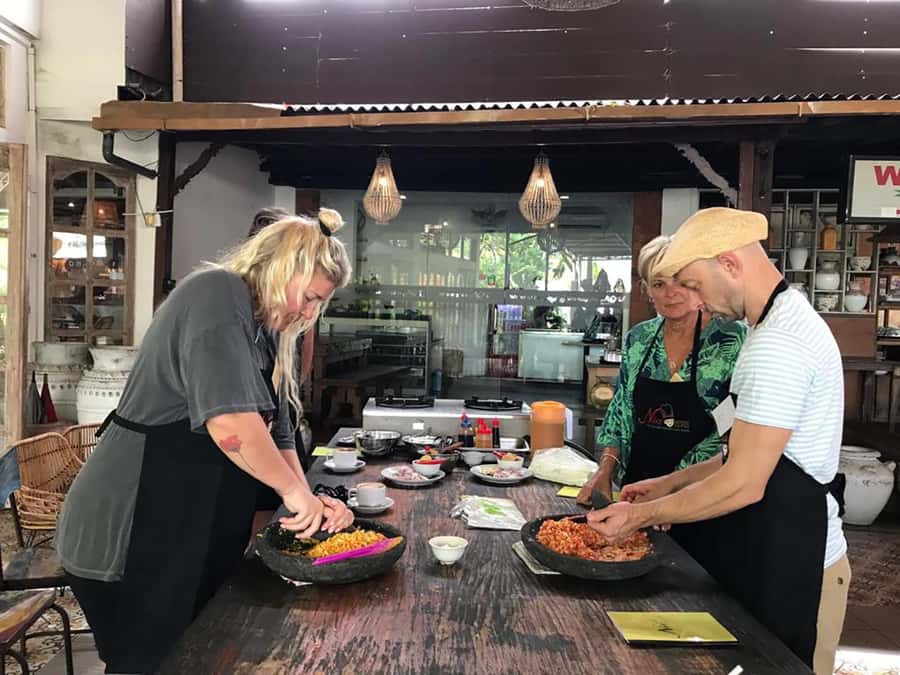
- Small-group setup so you can actually get hands-on help while you cook
- Market tour with your chef, including what spices, pastes, fish, meats, and fruit to look for
- Chef instruction in English with active participation, not a sit-and-watch demo
- You eat a banquet at the end, often more than you can finish
- Recipe book + certificate so you can recreate Bali back home
- English-speaking support staff who help with prep and hygiene throughout
Getting Picked Up in Seminyak, Legian, and Kuta
This experience starts early, with pickup around 8:00 AM from hotels in Kuta, Legian, and Seminyak. If your hotel isn’t in those areas, the meeting point is Warung Nia, Jl. Kayu Aya Square, No. 19-21, Jl. Kayu Aya, Seminyak. The ride is part of why this is convenient: it gets you from beach-town hotel chaos straight into a food-focused morning.
What I’d watch for: one person noted the transport felt overcrowded, and another said it was fine. If you’re sensitive to tight seating, aim to be ready at pickup and keep an eye on your timing.
Bring comfortable shoes—you’ll be walking a bit during the market portion. Wear comfortable clothes you don’t mind getting spice-adjacent aromas on.
You can also read our reviews of more tours and experiences in Bali.
The Market Run: Where Balinese Flavors Start
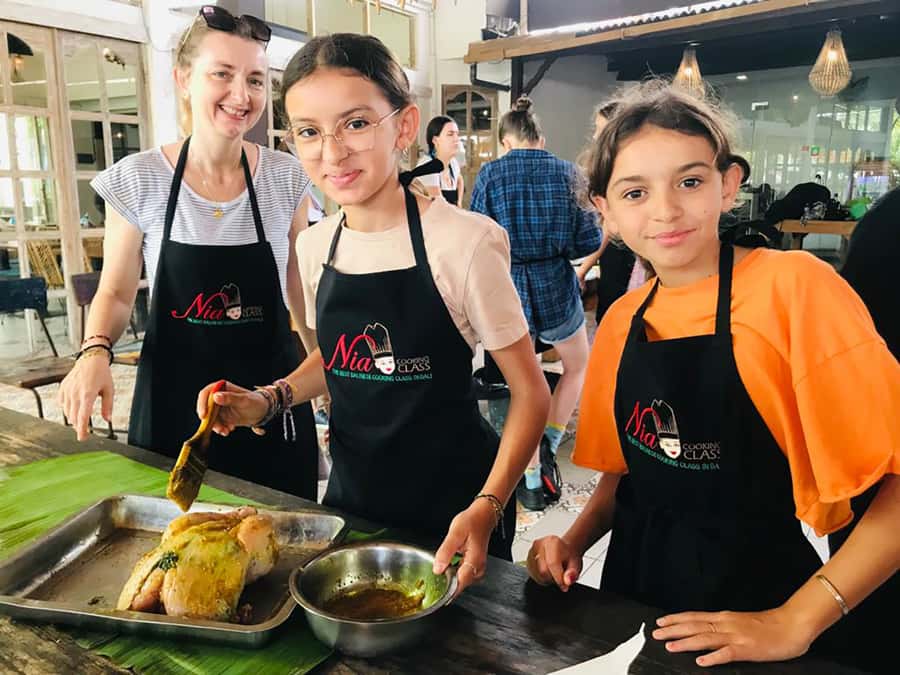
The first major stop is the local market near the cooking venue, and it sets the tone for everything that follows. Your chef walks you from stall to stall and points out the ingredients you’ll use later, including herbs, spices, vegetables, fruits, fresh fish, and meats. It’s not just shopping—it’s learning the logic behind Balinese cooking.
Here’s why this matters for you at home. You’ll hear which ingredients are easier to find abroad, especially in Asian grocery stores, and which ones might need substitutions. That small bit of guidance makes the recipe book more useful, not just decorative.
Some chefs also share how ingredients are used beyond flavor. One instructor explained medicinal properties alongside culinary purpose, including how aroma and intent differ between ingredients. That’s the kind of detail that turns a recipe into a skill.
Practical tip: markets involve walking and narrow stall layouts. If you’re bringing a camera, remember you’ll have both hands busy on the way through, so plan what you can carry easily. Also, large bags or luggage aren’t allowed, so pack for a morning out.
Weather can also change the experience. One participant skipped the market portion because it was pouring rain, with no umbrellas handy. Even if you still go, rain makes spices and floors more slippery—so keep your footwear grippy.
Cooking Class Setup: Small Group, Clear Coaching
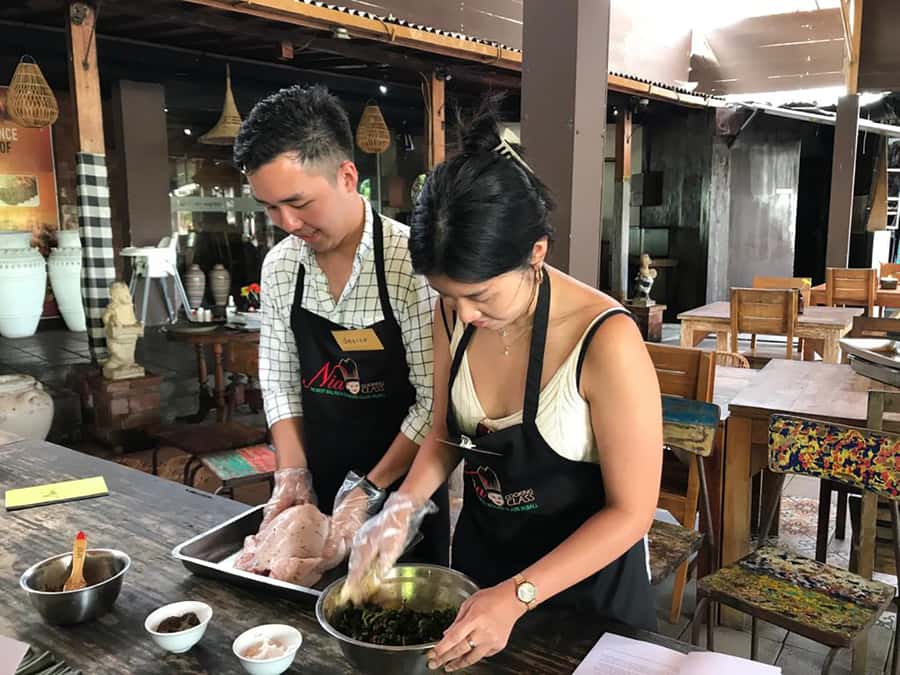
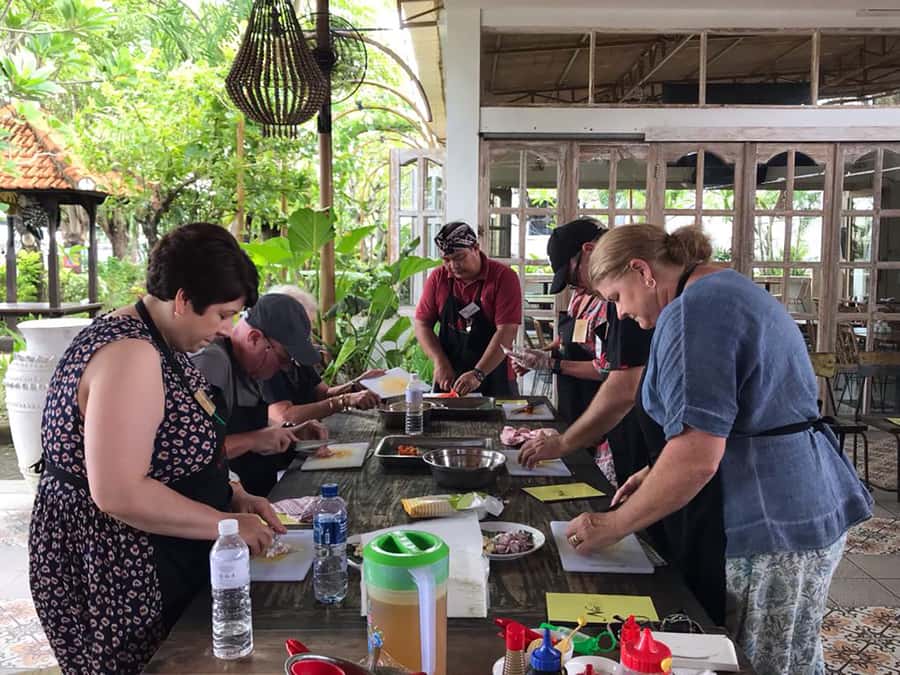
After the market, you head back to the cooking venue and start cooking. This is where you’ll feel the benefit of a small group. Instead of jostling for help, you get personal attention as you prep, learn the right techniques, and move through each dish.
Your English-speaking chef leads the class, and the team supports you at the stations. Several people highlighted the staff’s efficiency: equipment and ingredients get staged quickly, and cleaning happens regularly so the work areas stay tidy. You’ll also be reminded to wash your hands during the cooking process, which matters more than it sounds when you’re making lots of components.
From the kitchen technique side, you can expect hands-on chopping, paste work, and cooking steps you can’t really get from a recipe video. One person even mentioned learning about knife handling—something many people do unconsciously wrong until someone points it out.
A neat detail: multiple participants commented on how chefs encouraged participation. You’re not hovering; you’re doing. That’s a big reason this feels fun instead of stressful.
What You’ll Cook: Pastes, Dishes, and the Bali Style
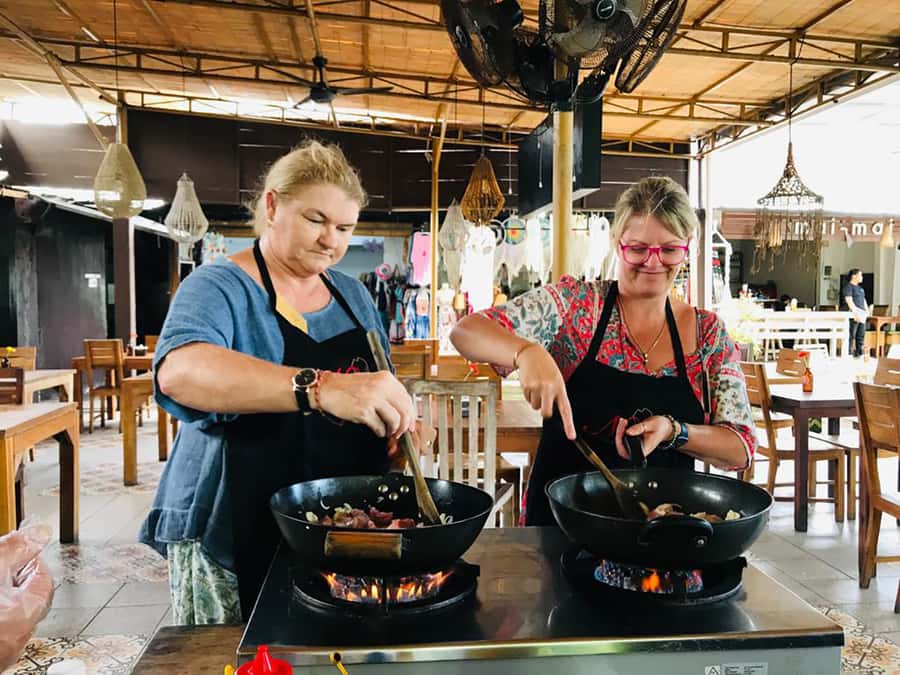
The menu isn’t one single dish. You’ll likely make several Balinese dishes, often around 6–12 items depending on how the class runs. People described making multiple curry pastes and then building dishes from them, including chicken, fish, pork, and satay. One group mentioned 4 curry pastes leading into 8 dishes, which is a lot of work in four hours—meaning the class is structured to keep you moving.
You’ll also learn the pattern behind Balinese cooking: aromatics and spices come first (often in paste form), and then those bases show up in different ways across dishes. That’s why the market tour matters; you aren’t just collecting random ingredients. You’re collecting the building blocks for flavor.
Presentation shows up too. One participant specifically mentioned banana-leaf presentation. Even if your dish looks slightly different from someone else’s, the goal is understanding what makes it Balinese: balance, spice character, and technique.
If you have dietary preferences, this class is not described as a customization experience. What you can do is ask your chef during the session if ingredient swaps are possible—some reviews noted the chef offered alternatives when identical ingredients weren’t easy to find.
Eating the Results: A Meal That Becomes the Best Part
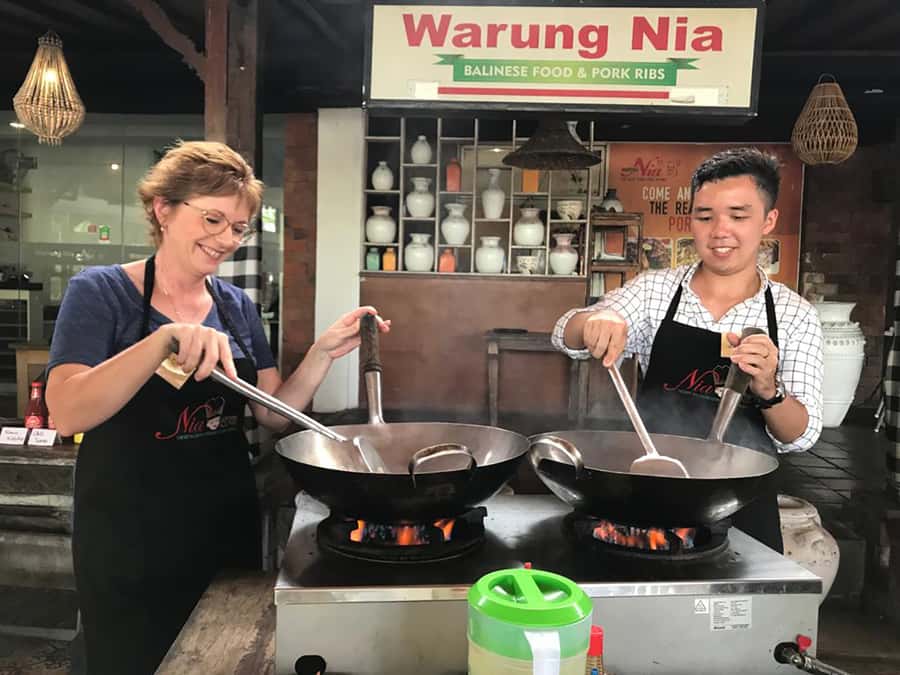
After cooking, you sit down to eat a meal made from your own work. Multiple people described it as a banquet, with so much food that finishing everything was difficult. Expect lots of dishes on the table, and a strong chance you’ll feel pleasantly stuffed.
This is one of the most valuable parts of the whole experience. Cooking classes sometimes stop at tasting; this one turns into a full meal, which gives you a clear sense of how the flavors land when the food is fully done—not just how it smells during prep.
You’ll also have time to chat with your group. Since the class is small, conversations are easy and you’re more likely to learn tips from others too—like how they handled a tricky paste texture or which step they found easiest.
If you’ve got room to spare, don’t plan a big breakfast right before. One person said it’s easy to underestimate how much you’ll make and eat.
Your Take-Home Gift: Recipe Book and Certificate
You leave with more than a full stomach. You get a recipe book with what you cooked, plus a certificate of completion. For practical travelers, this is the difference between a fun holiday meal and a skill you can reuse.
What I like about the recipe book is the implied support behind it. Since your chef also discusses ingredient availability abroad, you’re more likely to be able to recreate the flavors at home instead of giving up because you can’t find one specialty item.
Several people said the recipes are straightforward enough to try later, with ingredient suggestions that make substitutions less intimidating. Add the certificate and it becomes a satisfying keepsake—even if you don’t care about certificates, it’s a nice sign the class is run seriously.
Price and Value: Is $45 Fair for Four Hours?
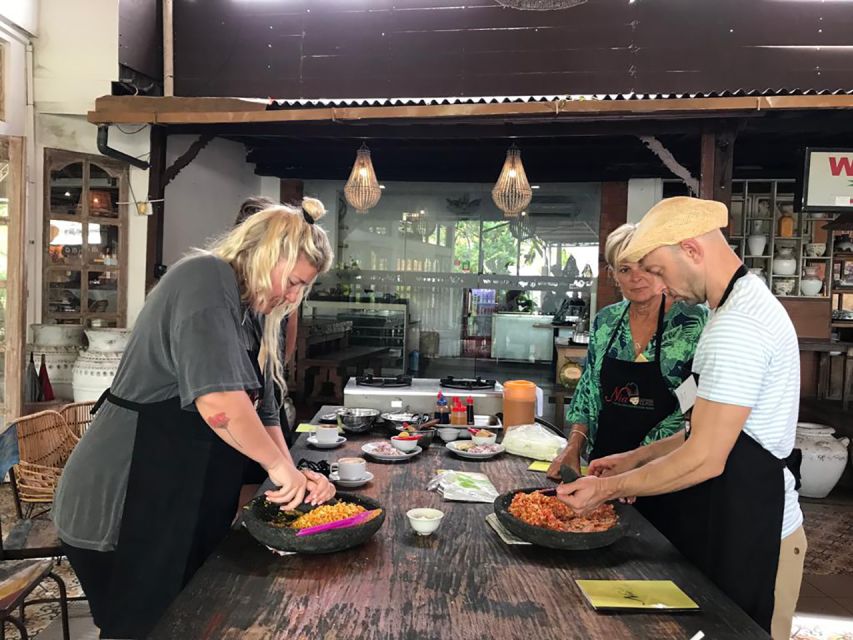
At $45 per person for about four hours, the value is strong when you consider what’s included. You get hotel pickup (in the specified areas), the market tour, the cooking class, all ingredients, morning tea, and a certificate. That’s a lot to bundle into a single morning without you coordinating transport, shopping, or sourcing spices.
The other value factor is “time on task.” With a small group, you’re actively cooking while staff support you. For many cooking experiences, the hidden cost is limited attention from the instructor. Here, the setup is geared toward participation, not just watching.
The only “cost” is what you bring: your willingness to walk, chop, and accept that you’ll eat more food than you planned.
Who This Works Best For in Bali
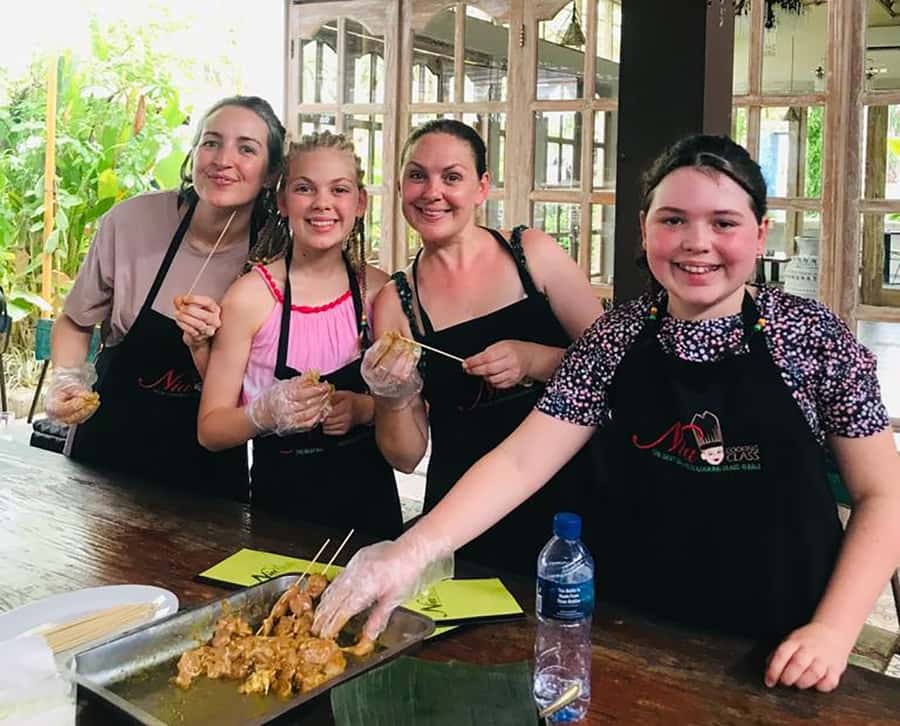
This class is a great fit if you want more than a meal. It’s ideal for you if you:
- want to understand ingredient logic (not just follow steps)
- like hands-on learning in a small group
- enjoy meeting other people while you cook and eat
- want recipes you can actually try back home
It’s also a good choice for solo travelers. One person specifically noted they felt included, and the small group format supports that.
If you hate waiting around or you’re hoping for a relaxed, purely observational activity, this might feel like too much work. It’s designed to keep you moving, with staff support doing the prep so you can focus on learning.
Quick Practical Tips Before You Book
- Wear comfortable shoes for the market walk.
- Bring comfortable clothes that can handle spice smells.
- Pack light since large bags aren’t allowed.
- If rain is possible in your travel week, consider bringing a small umbrella or waterproof layer since market time may be affected.
- If you’re picky about seating comfort, show up early for pickup and keep expectations flexible.
Should You Book This Seminyak Cooking Class?
I’d book it if you want a real taste of Balinese cooking culture without needing to research ingredients first. The blend of market learning + hands-on cooking + eating your results is what makes this feel like a complete experience, not a short demo.
Skip it only if you strongly prefer quiet, low-effort activities, or if you’re worried about being in a group for several hours. For most people—food lovers, curious cooks, and travelers who want something more authentic than another dinner out—this is a solid use of four hours.
If your goal is to come home with both flavors and a method you can repeat, this one delivers.
FAQ
How long is the Seminyak cooking class and market tour?
It runs for about 4 hours, starting in the morning. The exact start time can depend on availability.
Is hotel pickup included?
Yes. Pickup is included for hotels in Kuta, Legian, and Seminyak at 8:00 AM. If your hotel isn’t in those areas, the meeting point is at Warung Nia, Jl. Kayu Aya Square, No. 19-21 in Seminyak.
Do you visit a market before cooking?
Yes. The chef accompanies you on a morning market tour where you learn which ingredients are used and where you can find them abroad.
Is the class taught in English?
Yes. Instruction is English.
Do you eat the food you cook?
Yes. After cooking, you sit down for a meal and enjoy the dishes you made with your group.
What do I take home at the end?
You receive a recipe book plus a certificate of completion.