REVIEW · SARDINIA
Cagliari Cooking Class: Sardinian Ravioli, Wine & Local Flavors
Book on Viator →Operated by Curioseety SRLS · Bookable on Viator
Cagliari tastes like a family recipe, and this class is all about learning Sardinia’s pasta you can actually make at the table with culurgiones and a real sense of local rhythm. I love that Giulia keeps things clear and personal, so you shape dough with guidance instead of just watching. I also love the payoff: you cook, then you eat what you made with regional wine and Mirto liqueur.
One thing to consider: the meal is built around a set Sardinian menu, so if you have allergies or strict dietary needs, you should message ahead so the kitchen can handle it (fixed menu means you’ll want certainty before you arrive).
In This Review
- Quick hits before you book
- A real Cagliari kitchen experience for 3 focused hours
- Culurgiones: the signature Sardinian ravioli you’ll actually shape
- Fresh tagliatelle: local flours and simple techniques
- The antipasto and wine part: where Sardinian flavors set the table
- Lunch that matches the work: your culurgiones and tagliatelle at the table
- Dessert and Mirto: the sweet finish and the myrtle liqueur
- Price and value: what $94.82 buys you in real cooking time
- Who this class is best for (and who might want something else)
- What to bring and what to ask before you go
- Should you book the Cagliari culurgiones and tagliatelle class?
- FAQ
- How long is the cooking class?
- Where does the class meet in Cagliari?
- Is the class offered in English?
- Do I need prior cooking experience?
- What pastas will we make?
- What food and drinks are included?
- Is wine included?
- Are recipes included to take home?
- What should I do if I have food allergies?
- Is free cancellation available?
Quick hits before you book
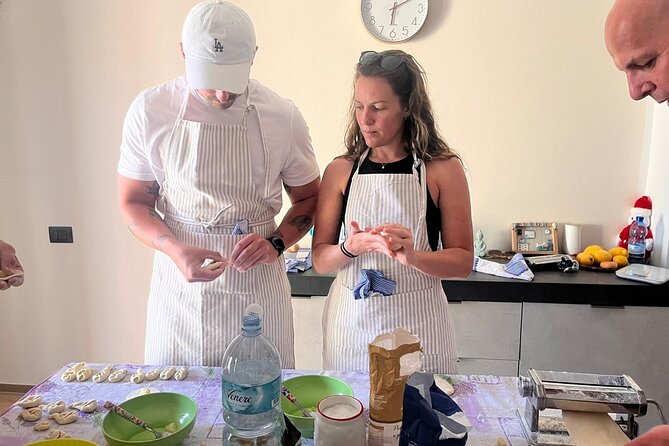
- Small group (max 6), which keeps the class hands-on instead of lecture-style
- Two pastas: culurgiones plus fresh tagliatelle, both made from scratch
- Potato and mint filling in culurgiones, a classic Sardinian combo
- Antipasto tastings with cheeses, cured meats, honey, and regional wine
- Homemade Mirto to finish, the island’s myrtle liqueur
- Digital recipes you can take home for repeat dinners
A real Cagliari kitchen experience for 3 focused hours
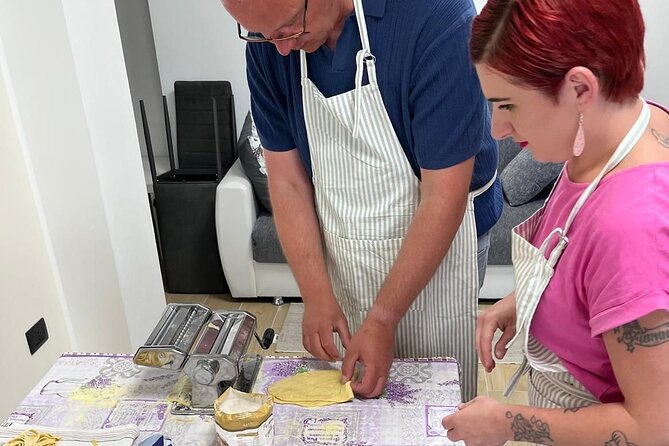
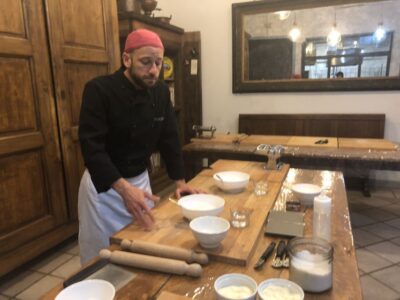
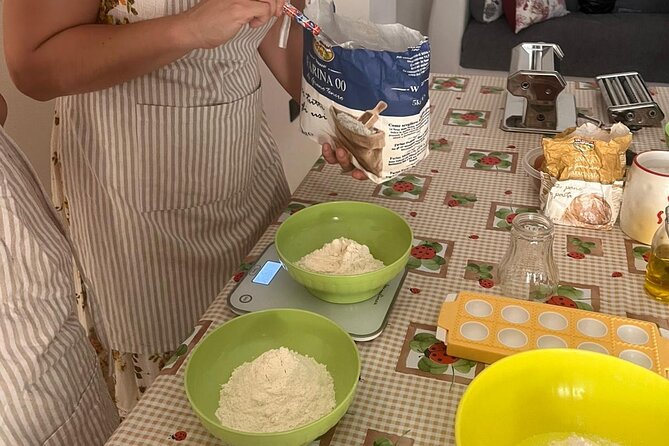
This is the kind of cooking class where the room feels like a home kitchen, not a demo stage. In Cagliari (at the Sestu meeting point on Via G.Matteotti), you’re in a setting that supports close instruction, and the small group size matters a lot. With a maximum of 6 people, you get time to work with your dough and ask questions while Giulia walks you through each step.
The pace is about 3 hours total, which is long enough to learn two pasta styles and still sit down for lunch. The best part is that the time doesn’t feel broken into random pieces. You start with making, then you eat, then you finish. If you want something more cultural than a quick food tour stop, this fits.
You can also read our reviews of more tours and experiences in Sardinia.
Culurgiones: the signature Sardinian ravioli you’ll actually shape
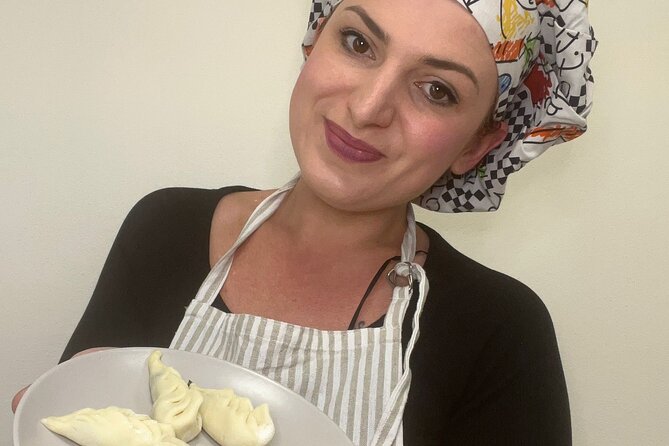
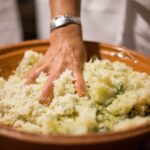
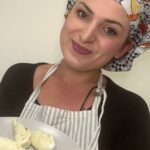
Culurgiones are Sardinia’s famous folded ravioli, and the focus here is on making them with fresh dough and a traditional potato-and-mint filling. That one detail changes the whole experience. Instead of learning a generic “stuffed pasta,” you’re learning an island-specific technique and flavor logic.
You’ll follow a step-by-step process to make the dough, then work with the filling before shaping. The instruction is hands-on and slow where it needs to be, because culurgiones aren’t meant to be rushed. You’ll likely spend the most time here, and that’s a good thing. Getting the dough rolled and the filling distributed matters, and Giulia’s style is patient and practical—exactly what you want when you’re learning something that depends on touch, not just a recipe.
Why this is worth your money: it’s not only about eating culurgiones. It’s about learning the part most people skip—how the pasta should feel, how the filling behaves, and how to think like a cook who’s doing it by repetition. You leave with know-how you can use later, not just a full stomach.
Fresh tagliatelle: local flours and simple techniques
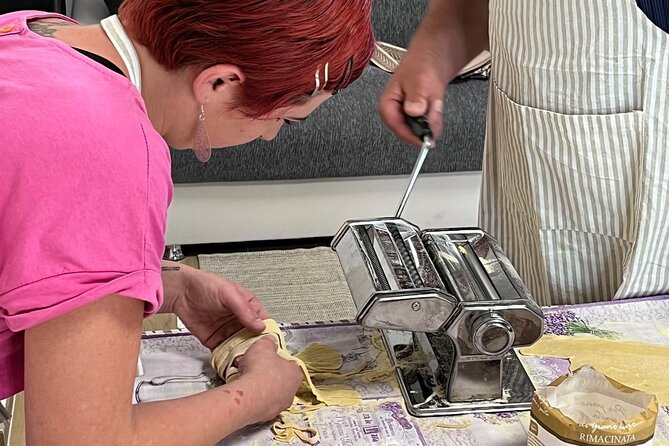
After culurgiones, you’ll make fresh tagliatelle using local flours and straightforward techniques passed down through generations. This is where the class balances “shape a specialty” with “master the basics.” Tagliatelle can look simple on a plate, but making it from scratch teaches you control: dough thickness, handling, and cutting.
If you learn better by doing (I do), this portion is satisfying. You’re not just tasting flour and water—you’re learning a dough that behaves differently depending on the flour used. The fact that local flours are part of the lesson means your result should taste more like what you’d find in Sardinia, not like a generic pasta demo.
And yes, you’ll eat your tagliatelle afterward. That turns the skill into something real: you can connect what you did with the final texture and flavor.
The antipasto and wine part: where Sardinian flavors set the table
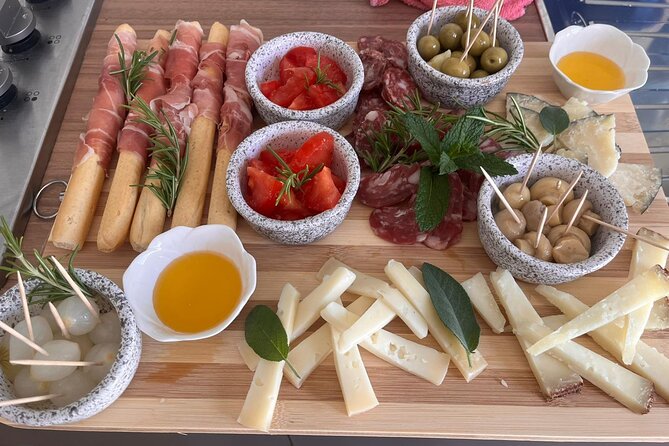
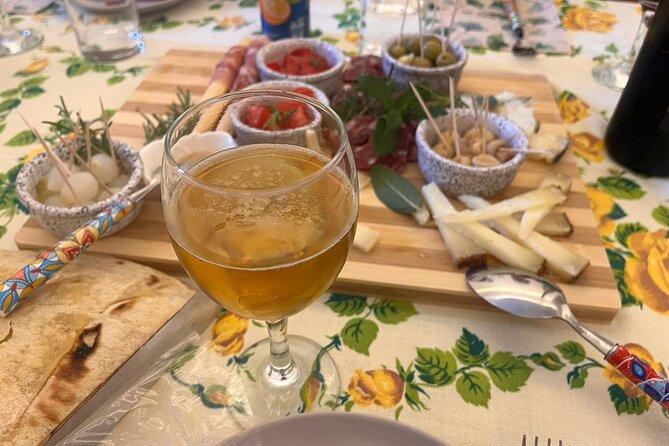
Before you dig into the pasta you made, you start with a typical Sardinian antipasto platter. The components are classic: cheeses, cured meats, and local honey, plus regional wine during the meal. This isn’t just “snacks while you wait.” It’s a way to warm up your palate so you notice what changes once the pasta hits.
Here’s how to get the most out of this course: taste like you’re learning a map. Try the salty and savory (cheeses and cured meats) first, then notice what honey does when it cuts through richness. Sardinia’s flavor style often leans on bold, straightforward ingredients—so this appetizer is a shortcut to understanding what the island does best.
Also, since the class is small and you eat together, the meal becomes part of the lesson. You’re not shuffled around. You sit down, you relax, and you get to enjoy a home-cooked flow with drinks.
Lunch that matches the work: your culurgiones and tagliatelle at the table
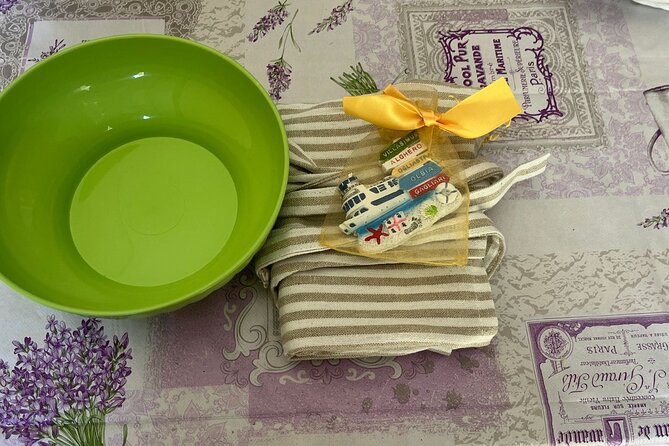
Once cooking wraps, you eat the pasta prepared by your own hands. Culurgiones arrive with traditional sauces, and tagliatelle follows as part of the main-course rhythm. The big value here is that you’re not learning one dish and then being fed something else. The final plate is the same thing you worked on for hours.
This makes the whole afternoon feel more complete. You get to compare your effort with the final result, and that’s how skills stick. Plus, when the food is coming straight from the kitchen you’re in, it tastes different. It’s still the same ingredients and local style—but the freshness and the context matter.
Dessert and Mirto: the sweet finish and the myrtle liqueur
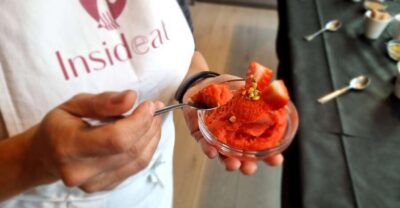
After the savory courses, you finish with a traditional Sardinian dessert and a glass of homemade Mirto liqueur. Mirto is made from the myrtle plant, and it’s one of those island flavors that instantly feels like a place.
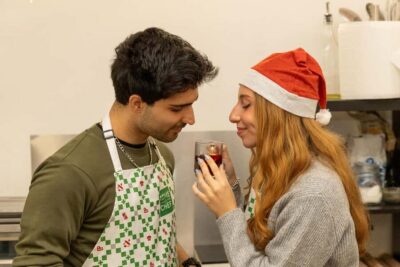
Think of Mirto as both a finale and a conversation piece. It’s sweet-leaning, aromatic, and strong enough to count as a signature drink rather than a small afterthought. When you taste it right after dessert, you get a clean end to the meal and a sense of how Sardinians like to close things out: food first, then something fragrant and distinctly local.
Price and value: what $94.82 buys you in real cooking time
At $94.82 per person for about 3 hours, the price sits in the “worth it if you want hands-on” category. Here’s why it feels fair for what you get:
- You learn two pastas, not just one
- You get one-on-one guidance in a group capped at 6
- Your meal is included, with antipasto components, wine during the meal, dessert, and Mirto
- Recipes are provided digitally, so you can repeat the dishes later
If you’re the type who hates “watching only” experiences, this class is built for you. The small group and active cooking time are the main reason the cost makes sense. You’re paying for instruction + ingredients + meal, and that combination is hard to beat when you measure by hours, not by food quantity alone.
If you’re simply trying to sample Sardinian cuisine without getting your hands dirty, you might prefer a lighter tasting-style tour. But if you want skill plus flavor, you’ll feel good about the spend.
Who this class is best for (and who might want something else)
This fits food lovers who like learning in a practical way. It also fits travelers who want a more local moment than a standard restaurant meal. The setting helps—people tend to enjoy the calm home-kitchen vibe and the easy pace, which can feel like a break from busy days.
You’ll especially enjoy this if:
- You want culinary skills you can bring home
- You like islands, small food traditions, and specific regional dishes
- You learn best when someone corrects your technique right away
You might choose differently if:
- You need a highly customized menu because of allergies (you can still ask, but your best move is to confirm early)
- You only want a quick tasting and don’t care about cooking
What to bring and what to ask before you go
The class is in English, and the key preparation is mental: come ready to get flour on your hands and be a little patient with the process. I’d also plan to dress comfortably for kneading, rolling, and standing around a kitchen setup.
Before booking, the most useful question is simple: confirm any food allergy details early. The experience information says you can let them know about allergies, which is exactly what you should do if you’re at all unsure. Since the menu is set around antipasto, pasta, dessert, wine, and Mirto, clarity matters.
If you’re curious about how the dishes differ from other Italian pasta, ask Giulia to explain what makes culurgiones Sardinian beyond the shape. Techniques like folding, the potato-mint filling idea, and how sauce pairs with fresh pasta are the kinds of details you’ll remember later.
Should you book the Cagliari culurgiones and tagliatelle class?
I think this is a smart booking if you want a genuine food experience with real instruction. The strongest points are clear: you make two pastas from scratch, you get close guidance in a very small group, and the meal is built around your work—antipasto, wine, dessert, and homemade Mirto.
Skip it only if cooking isn’t your thing or if you’re likely to need major dietary substitutions. If you’re mostly curious and you like eating what you cook, this is one of the better value choices in Cagliari for learning a true Sardinian dish, not just sampling it.
FAQ
How long is the cooking class?
It lasts about 3 hours.
Where does the class meet in Cagliari?
The meeting point is Via G. Matteotti, 34, 09028 Sestu CA, Italy.
Is the class offered in English?
Yes, it’s offered in English.
Do I need prior cooking experience?
No experience is needed. You just need curiosity and appetite.
What pastas will we make?
You’ll learn to make traditional Sardinian culurgiones and fresh tagliatelle.
What food and drinks are included?
You’ll have an antipasto platter (cheeses, cured meats, honey), a meal with the pastas you prepare, and a traditional Sardinian dessert.
Is wine included?
Yes. Regional wine is included during the meal, and Mirto liqueur is included after the meal.
Are recipes included to take home?
Yes. You receive digital recipes to take home.
What should I do if I have food allergies?
Let the organizer know about any food allergy when booking.
Is free cancellation available?
Yes, you can cancel up to 24 hours in advance for a full refund.