REVIEW · SARDINIA
Cagliari: Pasta art Cooking Class with 3-Course Dinner
Book on Viator →Bookable on Viator
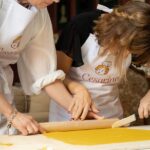
Handmade pasta starts with your own hands. This Cagliari-area class is interesting because you learn classic Sardinian shapes by hand and then sit down to a 3-course dinner made from what you prepared. I also like the clear focus on plant-based, whole-wheat pasta options, which keeps things lighter without turning the meal into a compromise. One consideration: if you want strictly traditional, meat-heavy pasta recipes, the plant-based approach may not match your expectations.
You’ll work through dough and shaping basics at a step-by-step pace with Ovan, and the workshop is built for both newcomers and experienced home cooks. The goal is not just copying forms, but understanding texture and technique so you can make your own variations with confidence.
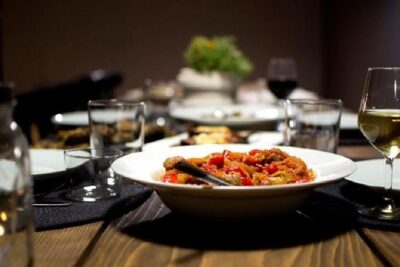
The payoff comes after class, when you eat. The meal includes handmade pasta dishes you shaped, plus a setup that feels relaxed rather than rushed, with nice outdoor views while you enjoy what you made. If you’re hungry and a little curious in the kitchen, this is a fun way to spend an afternoon in Sardinia.
In This Review
- Key Things to Know Before You Go
- Where You Meet in Quartu Sant’Elena, and How the 3-Hour Session Feels
- Your Host and the Teaching Style: What Ovan Helps You Get Right
- The Pasta Shapes You’ll Make: Malloreddus, Andarinos, and Lorighittas
- Culurgiones Filling Mastery: Potatoes and a Taste That Works
- The Healthy Plant-Based Whole Wheat Twist (and When It Might Not Fit)
- Your 3-Course Dinner: What You’ll Eat After You Cook
- Sauce and Ragù Skills You Can Use at Home
- Optional Botanical Non-Alcoholic Wine Pairing
- Group Size, Timing, and Why This Works for Real Travel Days
- Price and Value: What $107.18 Really Buys
- Who Should Book This Class (and Who Might Skip It)
- Practical Tips Before You Go
- Should You Book This Cagliari Pasta Art Class?
- FAQ
- How long is the Cagliari pasta art cooking class?
- What is the price per person?
- Is the class offered in English?
- What’s included in the price?
- What dishes are included in the sample menu?
- Is an alcoholic drink included?
- What is the minimum age for alcohol?
- How many people are in the group?
- Where do we meet for the activity?
- What is the cancellation policy?
Key Things to Know Before You Go
- Small group size (max 8) means more attention while you’re shaping pasta.
- Ovan’s step-by-step teaching is the core of the experience, from texture to filling.
- Sardinia-inspired shapes: Malloreddus, Andarinos, and Lorighittas.
- Culurgiones technique: you’ll learn the filling and combine it with a tasty sauce.
- Healthy twist: plant-based ingredients and whole wheat pasta flour.
- 3-course handmade lunch/dinner so you eat what you made, not just watch.
Where You Meet in Quartu Sant’Elena, and How the 3-Hour Session Feels
This activity is based in Quartu Sant’Elena, just outside central Cagliari. You meet at Via delle Robinie, 7, 09045 Quartu Sant’Elena CA, Italy, and the experience ends back at the same meeting point.
The scheduled time is about 3 hours. That’s long enough to learn, form pasta shapes, and still sit down for lunch without feeling like the day has vanished. It’s also the right length if you want something hands-on, but you still plan to explore Cagliari afterward.
Practical tip: double-check your exact start time once you book. The class itself runs on a tight flow because dough needs timing, and fillings need prep before cooking and serving. So I’d show up with a bit of buffer, not late and flustered.
You can also read our reviews of more tours and experiences in Sardinia.
Your Host and the Teaching Style: What Ovan Helps You Get Right
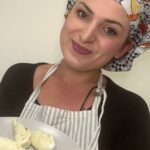
Ovan is the key reason to pick this class. The approach is patient, structured, and focused on explaining what you’re doing as you do it. That matters in a pasta workshop. If you only copy shapes without learning the “why,” your next batch often turns out different.
Here’s what the class is trying to give you in plain terms:
- Texture control: you’ll learn what the dough should feel like.
- Shaping confidence: you’ll practice the forms inspired by Sardinia.
- Filling balance: you learn how to make a good culurgiones filling and then pair it with sauce.
If you’re brand new to pasta, this structure helps you avoid the most common mistakes, like dough that’s too dry or fillings that don’t hold together. If you already cook, the method still helps because you get repetition plus a coach watching your technique.
Also, since the class is designed for small groups, you’re not stuck hoping someone notices you missed a step.
The Pasta Shapes You’ll Make: Malloreddus, Andarinos, and Lorighittas
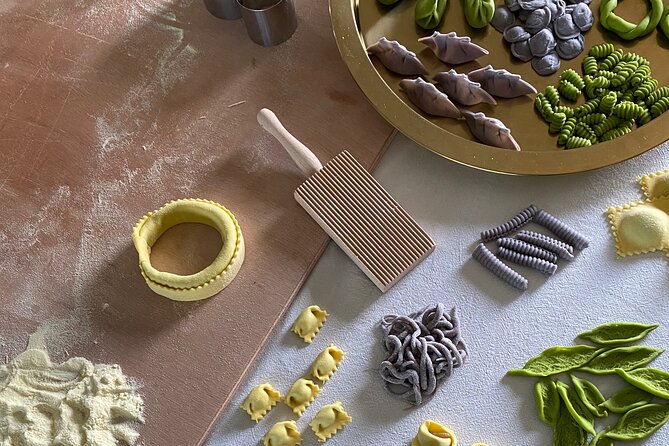
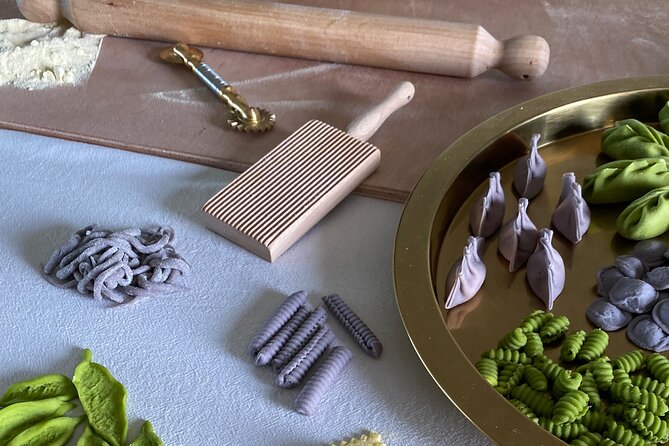
This workshop isn’t just “make pasta.” It’s more specific, and that’s a big value-add. You’re guided toward Sardinian shapes such as Malloreddus, Andarinos, and Lorighittas.
Why these shapes matter: each one has a purpose. Forms like these are made to catch sauce and hold flavor. When you learn them by hand, you start to understand how shape affects eating, not just presentation.
In the class, you’ll learn the “how” step-by-step—how to form the pieces and how to keep them consistent enough that they cook well together. If you’ve ever made pasta that tastes great but looks messy, this helps you get the look without stress.
And yes, you also get room for creativity. The workshop encourages you to make your own variations rather than treating the day like a one-shot exam.
Culurgiones Filling Mastery: Potatoes and a Taste That Works
The star technique for many pasta-lovers is culurgiones. These are stuffed pasta, and stuffing is where the whole dish either clicks or collapses.
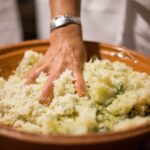
In this class, you’ll learn how to make the perfect filling for culurgiones, using creamy mashed potatoes. Then you’ll learn how to combine it with a tasty sauce, so the filling doesn’t feel like an add-on. It becomes part of the final bite.
Why that’s a win for you: stuffed pasta takes confidence. When you understand how to portion the filling and how to build the pasta around it, you can repeat the dish at home. You’re not just tasting someone else’s idea of culurgiones—you’re learning the method.
If you’re a beginner, this is also a good way to learn: stuffed pasta teaches discipline. You’ll get immediate feedback on what the texture should be, and how the filling behaves.
The Healthy Plant-Based Whole Wheat Twist (and When It Might Not Fit)
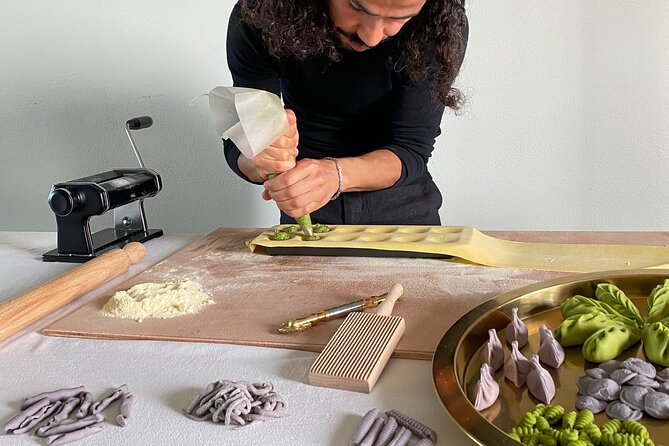
A big part of this class is its “healthy variety” angle. You’ll use plant-based ingredients and whole wheat pasta flour, so your meal leans lighter while still focusing on flavor and structure.
That approach can be a pleasant surprise if you usually assume pasta classes are all about butter and heavy sauces. It also means the workshop can feel more modern without losing the Sardinian pasta spirit.
But here’s the consideration: if your dream meal is classic, meat-forward Italian pasta, this isn’t built around that. The menu you’ll cook and eat includes plant-based components, including a lentil and tofu ragù. So go in with the mindset that this is pasta craft with a healthier direction.
Your 3-Course Dinner: What You’ll Eat After You Cook
After the workshop, you eat a full meal made from your work. Coffee and/or tea, plus water, are included. The lunch is described as a 3-course pasta dinner, and the menu gives you a clear arc from stuffed pasta to traditional culurgiones to a shaped pasta served with ragù.
Here’s the menu you can expect:
Handmade stuffed ravioli
This is the satisfying first course. Stuffed pasta is a good way to show what you learned—dough, handling, and consistency—without forcing everything to be one single shape.
Traditional culurgiones filled with creamy mashed potatoes
This course is where the culurgiones technique pays off. If you practiced the filling and learned how to put it together, you’ll recognize the logic of the dish while you eat.
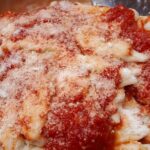
Malloreddus with a slow-cooked lentil and tofu ragù
This is where Sardinian shape meets a hearty plant-based sauce. Malloreddus is made to work with sauce, so this part of the menu isn’t random. It’s built for texture and flavor grip.
And because you’re eating right after the workshop, you get an extra kind of learning: you taste how the pasta you shaped behaves in the dish. The difference between a good dough texture and a mediocre one becomes obvious fast when it’s in your fork.
Sauce and Ragù Skills You Can Use at Home
The menu includes a slow-cooked lentil and tofu ragù, which matters because ragù is about more than ingredients. It’s about time and how flavors blend.
You’ll be learning the dish logic through the way the workshop frames your final combinations—how pasta shape pairs with sauce, and how a sauce supports the stuffing instead of drowning it. Even if you never make the exact same ragù at home, you’ll walk away with a better sense of balance.
I like that the course doesn’t treat sauce as an afterthought. In a pasta class, that’s where many people lose the thread. Here, it’s tied directly to the shapes and the stuffed pasta work.
Optional Botanical Non-Alcoholic Wine Pairing
If you want to add a little extra, there’s an optional pairing: a botanical non-alcoholic wine for an additional charge.
Important detail: the minimum age for alcohol is 18 years, but the pairing is listed as non-alcoholic. Still, it’s part of the dining add-on, so if you’re booking for a mixed group, it’s worth checking what the provider treats as alcohol on-site.
If you’re keeping things zero-proof, you can skip it and still get a full included meal with coffee/tea and water.
Group Size, Timing, and Why This Works for Real Travel Days
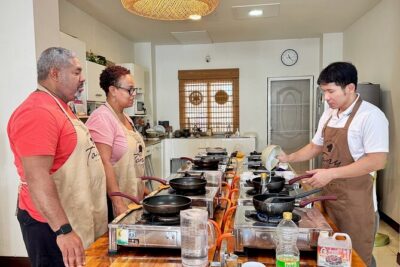
This experience caps at 8 travelers, and the minimum is 2 adult people. That’s a sweet spot.
- Too many people and the host can’t watch technique closely.
- Too few and the workshop can feel like it’s stalled or less structured.
Here, you get enough group energy to make it social, but not so much that you’re waiting around. It also makes it easier to get individualized help when you’re shaping pasta by hand.
Time-wise, the class duration is about 3 hours. That makes it practical as a standalone half-day plan. You can do this on a day you want food-focused fun, then still have time to walk around Cagliari and nearby areas afterward.
Price and Value: What $107.18 Really Buys
At $107.18 per person, this isn’t the cheapest food activity around. But it also isn’t overpriced in a way that feels insulting, because you’re paying for several things that are hard to replicate at home:
- A guided pasta workshop with specific Sardinian shapes
- Hands-on technique teaching
- A full 3-course pasta dinner
- Coffee and/or tea, plus water
The best value angle here is the meal. Many cooking classes stop at tasting small bites. This one frames lunch/dinner as part of the core experience: you cook and then eat what you made.
Also, the small group size matters. If you’re paying for an intimate class, you want it to feel like you’re learning with feedback, not just standing near a counter.
So I’d call it solid value if you love pasta and want a real skill-building session, not just a photo-friendly activity.
Who Should Book This Class (and Who Might Skip It)
Book it if:
- You love pasta and want to learn how specific Sardinian shapes are made.
- You want a cooking class where you actually sit down for a multi-course meal afterward.
- You like plant-based cooking and whole wheat options, or at least you’re open to them.
- You want small-group attention and a calm pace with clear instruction.
You might skip it if:
- You only want classic, heavy Italian pasta styles with meat-forward sauces.
- You’re looking for a quick tasting-only experience without getting your hands involved.
Practical Tips Before You Go
A few things will make your class day smoother:
- Plan on cooking. Wear something comfortable that can handle flour and a little mess.
- Arrive on time. Pasta timing is real. Being late can throw off the flow for you and the group.
- Come hungry. You’re going to eat after class, and the dishes are the point.
- If you care about the plant-based approach, decide ahead of time if it’s a fit for your taste.
And one more thought: if you’re traveling as a couple or small group (minimum 2 adults), this format works well. It’s friendly, focused, and not the chaotic “everyone separate workstations” kind of class.
Should You Book This Cagliari Pasta Art Class?
Yes, I’d recommend booking this if you want a hands-on pasta skill session that ends with a real, sit-down meal. The best reason is the combination: coached technique with Sardinian shapes like Malloreddus and culurgiones, plus a 3-course dinner that uses the work you did.
If your heart is set on meat-heavy classics, you might feel a bit out of sync because the workshop emphasizes plant-based ingredients and whole wheat flour. But if you’re open-minded and you care about learning pasta texture and stuffing technique, this is the kind of experience that turns into something you can cook again at home.
If your dates are flexible, try to secure a spot earlier rather than later, since this is limited to a small group.
FAQ
How long is the Cagliari pasta art cooking class?
It lasts about 3 hours.
What is the price per person?
The price is $107.18 per person.
Is the class offered in English?
Yes, it’s offered in English.
What’s included in the price?
Coffee and/or tea and water are included, plus a 3-course pasta dinner made with your self-prepared pasta.
What dishes are included in the sample menu?
The sample menu includes handmade stuffed ravioli, traditional culurgiones with creamy mashed potatoes, and Malloreddus served with a slow-cooked lentil and tofu ragù.
Is an alcoholic drink included?
No alcohol is included. There is an optional botanical non-alcoholic wine pairing available for an additional charge.
What is the minimum age for alcohol?
The minimum age for alcohol is 18 years.
How many people are in the group?
There is a maximum of 8 travelers.
Where do we meet for the activity?
The meeting point is Via delle Robinie, 7, 09045 Quartu Sant’Elena CA, Italy, and it ends back at the meeting point.
What is the cancellation policy?
You can cancel for a full refund up to 24 hours in advance of the experience start time.