REVIEW · SEOUL
Seoul: Kimchi Dishes Cooking Class with Wine Pairing
Book on GetYourGuide →Operated by Manok · Bookable on GetYourGuide
Kimchi tastes different when you learn it. I love the guided tasting of four kimchi styles and the chance to cook simple, flavorful kimchi dishes with Suyeon, a former wine bar owner and sommelier. One drawback: it’s not suitable for children under 18, so plan accordingly if you’re traveling with kids.
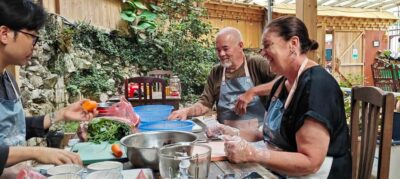
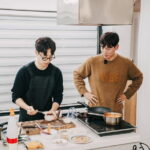
This is a tight, easy 2-hour plan in central Seoul—especially smart if you already did the Gyeongbokgung area. Small group (up to 6) means you actually get hands-on help instead of standing at the back and hoping you learn something.
You’ll taste first, then cook. You choose one recipe from three options (kimchi pancake, white kimchi noodles, or radish-bacon stir-fried rice), while Suyeon handles the slower beginner tricky part: her aged kimchi with braised pork belly, already prepared for you.
In This Review
- Key highlights worth showing up for
- Kimchi and wine in 2 hours: why this class is more than just cooking
- Getting to the studio near Gyeongbokgung (and why timing matters)
- The tasting: four kimchi types and what each one teaches your palate
- Cooking time: choose your dish (and why that choice helps)
- The aged kimchi pork belly: the part beginners might struggle with (so they handle it)
- The meal and wine pairing: how it actually comes together at the table
- Price and value: what you get for $58 in central Seoul
- Who this is best for (and who should skip it)
- A quick game plan before you go
- Should you book the Kimchi Dishes Cooking Class with Wine Pairing?
Key highlights worth showing up for
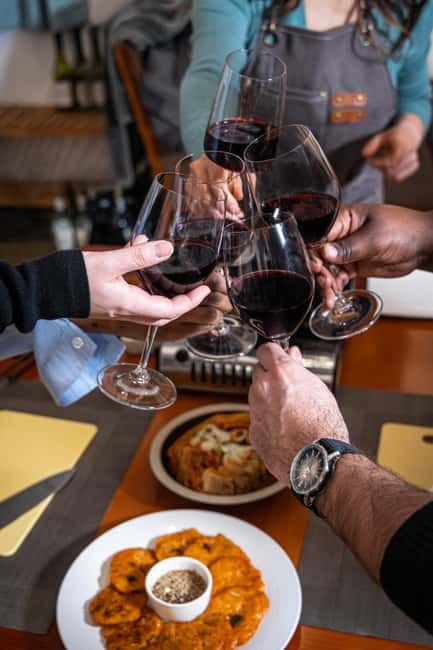
- Tasting four kimchi styles so you can taste differences, not just follow recipes
- A real sommelier-led wine pairing, matched to the flavors you’re experiencing
- Pick-your-recipe cooking: pancake, noodles, or radish-bacon stir-fried rice
- Beginner-friendly pacing, with the aged kimchi pork belly handled for you
- Small group (max 6) so questions and conversation actually fit in
Kimchi and wine in 2 hours: why this class is more than just cooking
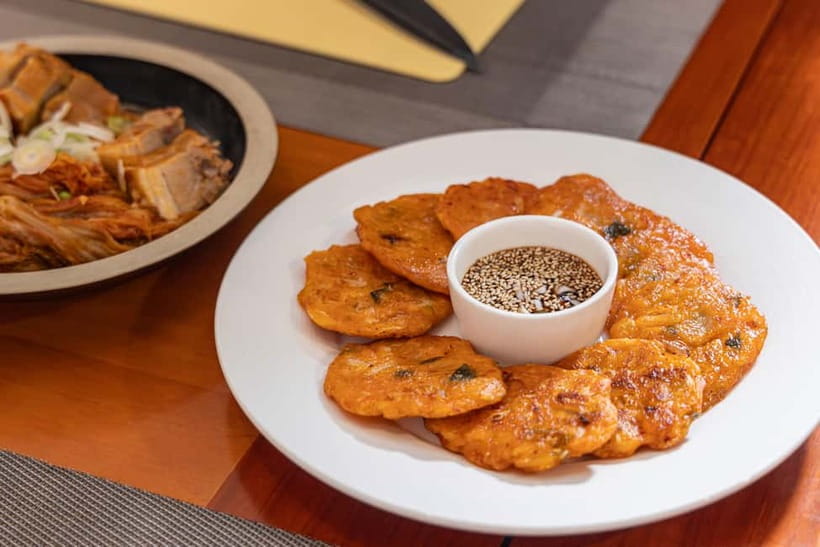
Seoul has tons of food experiences, but this one has a clear rhythm: eat, learn, cook, and then eat again—paired with wine. The most useful part for you is that it’s not only about making one dish. You taste multiple kinds of kimchi first, so when you cook later, you understand why flavors behave the way they do.
And yes, Suyeon brings the focus you want. She’s not just a chef reading off steps. She’s trained in both Korean food tradition and flavor pairing, which changes the whole feel of the class. Instead of memorizing a recipe, you learn what to look for—spice level, tang, fermentation depth, and how all that interacts with wine.
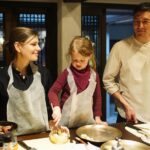
The setting also matters. This is an intimate studio-style experience, not a big factory kitchen. You’re likely to feel relaxed and conversational, which makes it easier to ask questions and actually remember what you learned.
You can also read our reviews of more tours and experiences in Seoul.
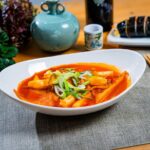
Getting to the studio near Gyeongbokgung (and why timing matters)
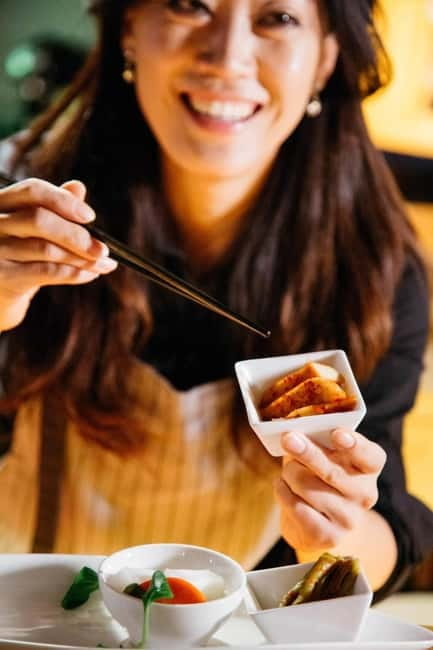
Start your day around Gyeongbokgung if you can. The studio is about 5 minutes from the palace area, and that makes the whole plan feel efficient. You can do palace sightseeing in the morning or early afternoon, then come here when you want a break that still feels culturally “Seoul.”
Here’s how to find it from public transit:
- From Exit 2 of Gyeongbokgung Station, walk straight about 200m until you see Woori Bank, then turn left.
- Pass the bar called Cham.
- Your destination is on the 3rd floor of the building with Cuisine La Cle on the 1st floor.
Practical tip: if you’re walking from the palace, give yourself a little buffer. Not because it’s hard to find, but because you’ll likely stop for photos and streetsnacks on the way—and you don’t want to rush once you’re inside.
The tasting: four kimchi types and what each one teaches your palate
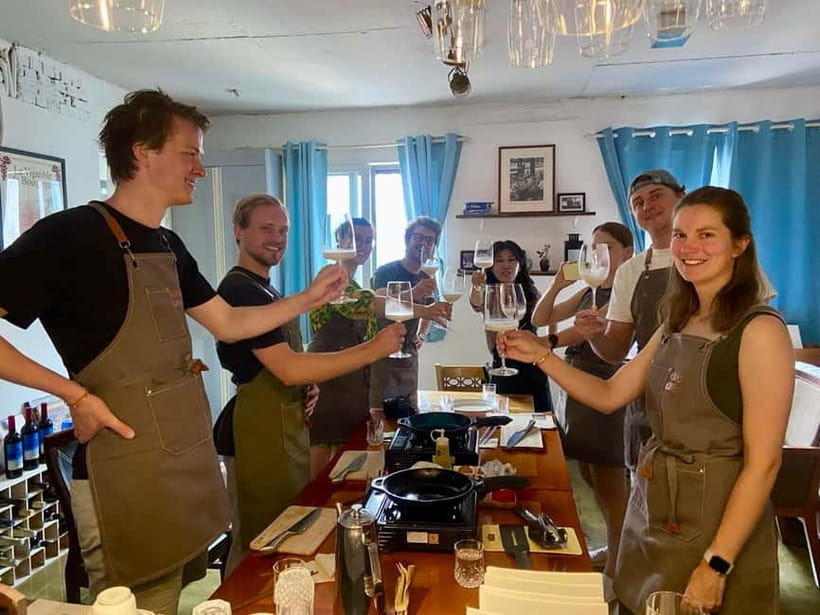
This class starts with tasting, and that’s the smartest move they make. If you only learn recipes, kimchi can feel like one thing. If you taste it in types, kimchi becomes a range.
You’ll taste four:
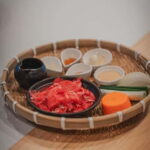
- Cabbage kimchi
- White kimchi (lighter, milder profile)
- Radish kimchi
- Aged kimchi (fermented longer, deeper flavor)
This is where you start building real understanding. Cabbage kimchi often gives you the classic fermented snap and spicy warmth. White kimchi tends to feel cleaner and more subtle, so it can help you learn what “less heat, more tang” actually tastes like. Radish changes the texture and brightness, and aged kimchi is where fermentation shows its full power—less like fresh pickles, more like a fully developed flavor.
Then Suyeon explains what you’re tasting, and this is where her background matters. Since she’s also a sommelier, she can connect the dots between fermentation, acidity, and aroma—and which wine styles tend to work best.
You’ll also hear historical and process context. Even if you’re not a “food nerd,” this helps you avoid treating kimchi like an ingredient. Instead, you learn kimchi like a living process.
Cooking time: choose your dish (and why that choice helps)
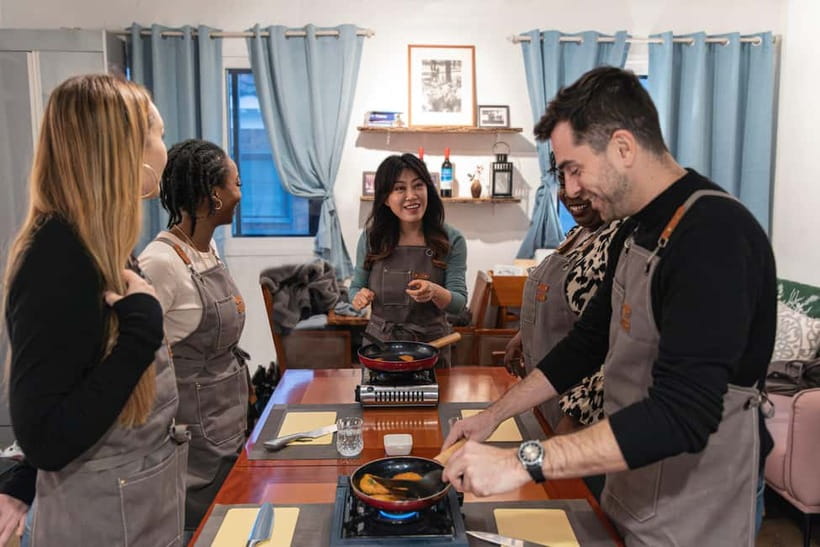
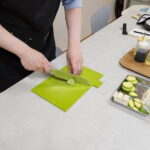
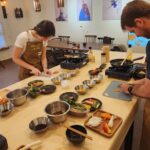
After tasting, you move into the hands-on portion. There are three recipe options, and you choose which one you prefer:
- Kimchi pancake
- White kimchi noodles
- Radish-bacon stir-fried rice
Which one should you pick? Here’s a practical way to decide based on what you want from the experience:
- Choose kimchi pancake if you like savory, crispy edges and comfort-food energy. It’s often the easiest way to translate kimchi into something immediately shareable.
- Choose white kimchi noodles if you want lighter, tangy flavor with a softer texture. This is a good option if you’re curious but not trying to go full spicy.
- Choose radish-bacon stir-fried rice if you like hearty meals and richer aromas. The radish sweetness with bacon fat can make the kimchi taste feel rounded rather than sharp.
Your exact menu can shift slightly depending on how many people are in the group. But the core idea stays the same: you cook one kimchi-based dish, then you join the shared meal where everyone else’s dishes come out too.
Also, don’t worry about being a “cook.” The class is designed for beginners. The teaching pace, step-by-step instructions, and the small group size all work together so you can finish a dish you feel confident recreating later.
The aged kimchi pork belly: the part beginners might struggle with (so they handle it)
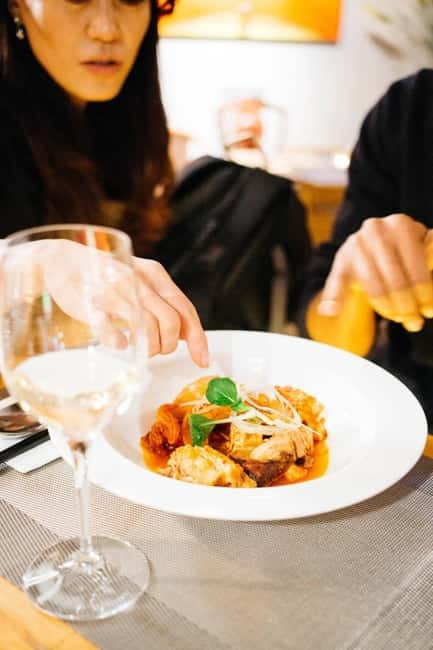
One smart element of the plan is that Suyeon includes a specialty dish that can take longer and be more complex for beginners:
- aged kimchi with braised pork belly
This part is pre-made by the host so you still get the flavor payoff without the stress of turning it into a marathon. That matters because aged kimchi already brings a lot of intensity, and braised pork belly needs patient timing to get that tender, melt-style texture.
You’ll still taste and learn from it, but you won’t be left waiting while the “hard part” happens. When you share the table at the end, this specialty anchors the meal with a deeper fermentation experience—perfect for comparing against the fresher kimchi you tasted at the start.

The meal and wine pairing: how it actually comes together at the table
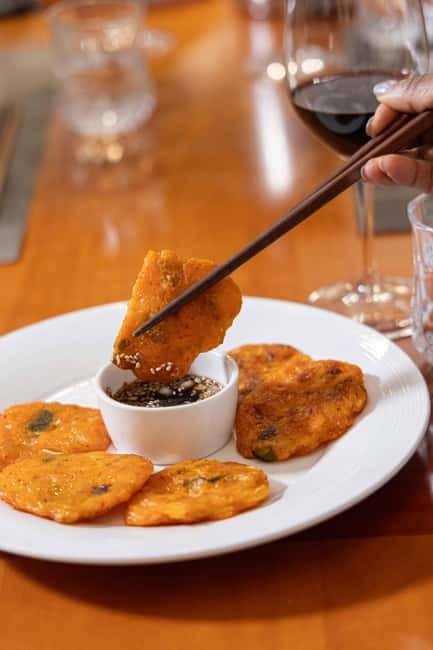
After everyone finishes cooking their chosen dish, the class shifts into the shared meal portion. You eat what you made, plus the host’s specialty dish, and you get wine pairing guidance from the sommelier.
The goal isn’t just a random sip with lunch. It’s a match between:
- the spice and acidity of kimchi,
- the fat in the pork belly or bacon-based dishes,
- and the texture differences from pancakes, noodles, and stir-fried rice.
You’ll also get a glass of wine with pairings selected personally by Suyeon. That selection piece is the value for you: it trains your palate for future meals. Even if you don’t remember every detail, you’ll start thinking in “what balances what,” which is useful when you’re eating out later in Seoul.
A nice bonus is the social tone. This isn’t a silent class where you keep your head down. You’re encouraged to talk—about Korean culture, food habits, and the meaning of kimchi in everyday life. If you like your travel experiences to have conversation built in, this fits.
And because it’s more than a snack session, you can usually skip the heavy dinner afterward. Plan for the class to function like a real meal, not an appetizer.
Price and value: what you get for $58 in central Seoul

At $58 per person for a 2-hour small-group experience, you’re paying for three things that are hard to replicate on your own:
- Expert guidance from a host who combines Korean food knowledge with wine pairing skills
- Instruction + ingredients + cooking time, including your chosen kimchi recipe
- A complete tasting-and-meal flow, plus the specialty aged kimchi pork belly
If you tried to recreate this solo, you’d spend time figuring out fermentation differences, hunting ingredients, and then you’d still be guessing on wine pairings. Here, the pairing and the tasting are part of the teaching, not an afterthought.
Also, the max group size of 6 makes the price feel more reasonable. You’re not paying for “being in a room.” You’re paying for actual coaching.
If you’re on a tight schedule, it’s also a good use of time. Two hours is short enough to fit between sightseeing blocks without turning your day into chaos.
Who this is best for (and who should skip it)
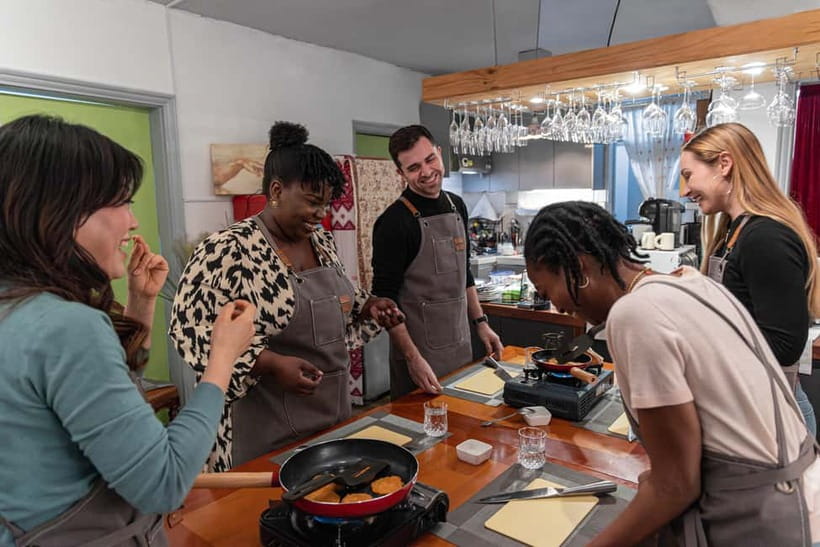
This class is a strong match for:
- food lovers who want more than one simple recipe
- people who like tasting-based learning
- couples or friends who want a hands-on, social evening or afternoon activity
- adults who want a doable cooking session with confidence-building instructions
It’s not for everyone:
- If you’re traveling with children under 18, it’s not suitable.
- If you hate spicy food, choose your recipe carefully—white kimchi noodles may feel more manageable than cabbage kimchi pancake, for example. Also, the tasting session will still expose you to multiple kimchi styles, so you’ll want to be honest with your comfort level.
A quick game plan before you go
A few tips to make your time here smoother:
- Go after Gyeongbokgung (or plan your day so the timing lines up). It’s close, and that reduces stress.
- Come with curiosity. Ask questions during the tasting portion—you’ll get the most learning out of those explanations.
- If wine pairing matters to you, pay attention to how Suyeon connects kimchi types to flavor balancing. Even a few takeaways will make your future meals easier to enjoy.
- Wear something you can move in. You’ll do hands-on cooking.
Language is English, so it’s designed to be comfortable for English-speaking visitors. If you want to discuss something specific—like spice levels or fermentation—you’ll likely have a chance.
Should you book the Kimchi Dishes Cooking Class with Wine Pairing?
I think you should book it if you want a Seoul activity that’s practical and tasty, not just a photo stop. The combination of tasting four kimchi types, cooking a beginner-friendly dish you choose, and getting sommelier-led wine pairing makes it feel like a real “learn + enjoy” experience.
Also, with a 4.7 rating from 38 bookings, it’s clearly landing well with people who care about both food craft and conversation. And the setting—small group, intimate studio atmosphere—makes it easy to feel comfortable.
Skip it only if you need something specifically kid-friendly, or if you want a purely hands-on class with zero discussion. This one is balanced: cooking matters, but learning through tasting is part of the point.
If you’re planning a Gyeongbokgung day, this is one of those rare add-ons that turns a sightseeing day into a full food story.