REVIEW · CATANIA
Cesarine: Home Cooking Class & Meal with a Local in Catania
Book on Viator →Operated by Cesarine: Cooking Class · Bookable on Viator
A private cooking class in a Catania home is the fastest route to real local flavor. You’ll work at your own station, learn classic techniques from a host in English, and then eat what you made as you sample three traditional dishes with a glass of local wine. It’s built for food lovers who want more than a quick meal.
In This Review
- What I like, and what to consider
- Key things you’ll notice right away
- A Catania cooking class you can actually use at home
- Your 3-hour flow: cooking, tasting, and eating together
- Starter course: the seasonal start that sets the tone
- Fresh pasta course: choosing your Catania style
- Sampling three dishes: it’s more satisfying than a single-course class
- Dessert in Sicily: cannoli, cassata, and the classics
- Wine with the meal: tasting, not rushing
- Private home logistics: location, transit, and distance rules
- English instruction and a teach-to-you style
- Price and value: what $174.60 buys you
- Who should book this cooking class (and who might not)
- Should you book Cesarine in Catania?
What I like, and what to consider
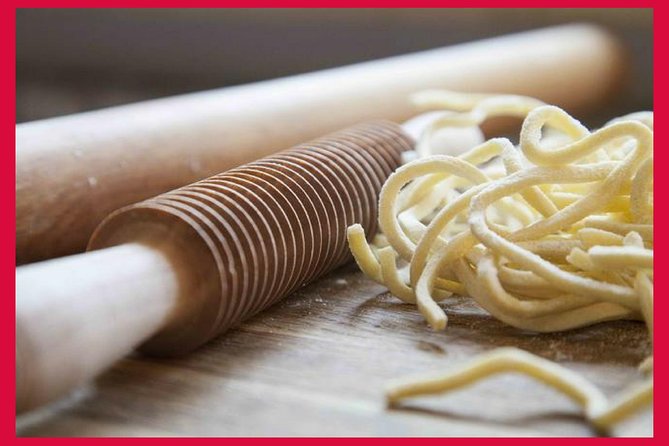
I especially like the hands-on setup and the fact that the menu is focused on Catania staples, not vague “Italian food.” I also like the small-group, private feel that makes it easier to ask questions and get practical tips. The one thing to keep in mind is that this is a home setting, so you’ll follow the sanitary distance guidance and the pace may feel less structured than a restaurant cooking demo.
Key things you’ll notice right away
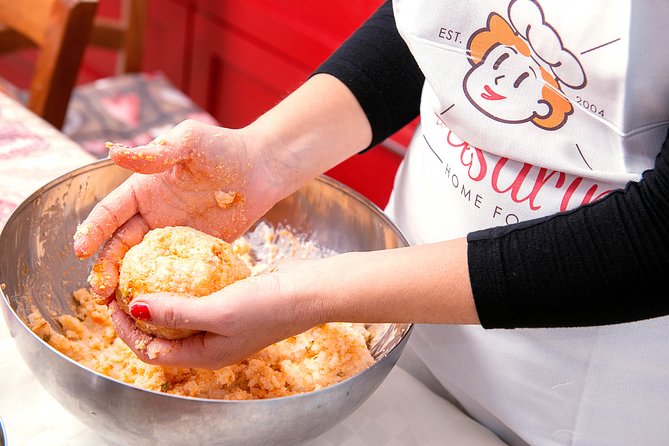
- Private group in a local home for a more personal, question-friendly experience
- Cook at your own workstation and sample three dishes you help make
- Catania-first menu with fresh pasta options like Spaghetti alla carrettiera or Pasta alla Norma
- Wine included so the meal is complete, not just a tasting
- Clear safety approach with 1 meter distance guidance and basic supplies provided in the home
- Hosts with strong “teach-and-welcome” energy, with Maurisimo, Fernanda, and Angela named in standout experiences
You can also read our reviews of more tours and experiences in Catania.
A Catania cooking class you can actually use at home
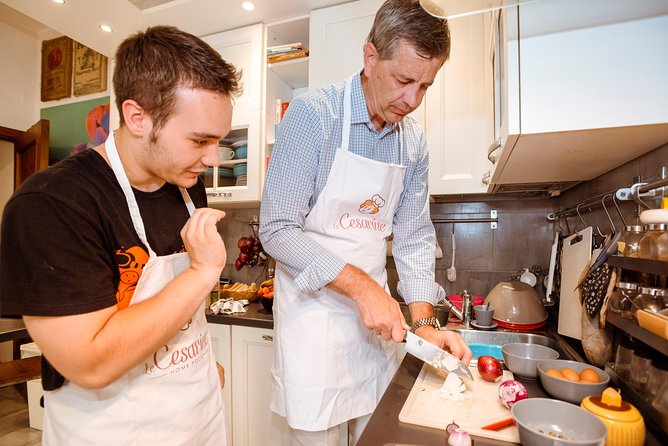
Catania has a particular way of doing food: bold, street-smart, and comfort-first. This class helps you understand that style because you’re not only tasting. You’re cooking, using the same steps a home cook would use, then sitting down to enjoy the results like a proper Sicilian family meal.
You get the best of both worlds. It’s structured enough that you’ll never wonder what’s next, but it stays flexible enough for a real conversation. Hosts like Maurisimo, Fernanda, and Angela are repeatedly highlighted for being welcoming and for making sure the process makes sense, not just impressing you with technique.
Your 3-hour flow: cooking, tasting, and eating together
This experience runs about 3 hours, starting and ending at the meeting point in Catania. There’s no long, wandering schedule. Instead, think of it as a concentrated block of time where you move through a simple rhythm: prep, cook, taste, and then move to the next course.
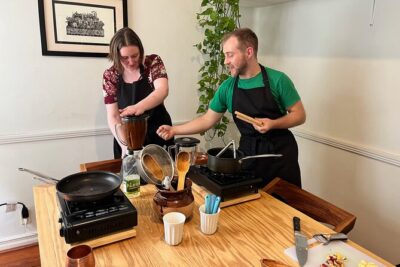
At your workstation, you’re not standing around watching. You’re actively working, which matters. Cooking classes can fail when they turn into a lecture with occasional stirring. Here, the format is built around you doing the work and then sampling what you make.
Also, because it’s private for your group, the host can tailor the pace. In plain terms: you’re less likely to feel rushed, lost, or forced to copy movements without understanding why.
Starter course: the seasonal start that sets the tone
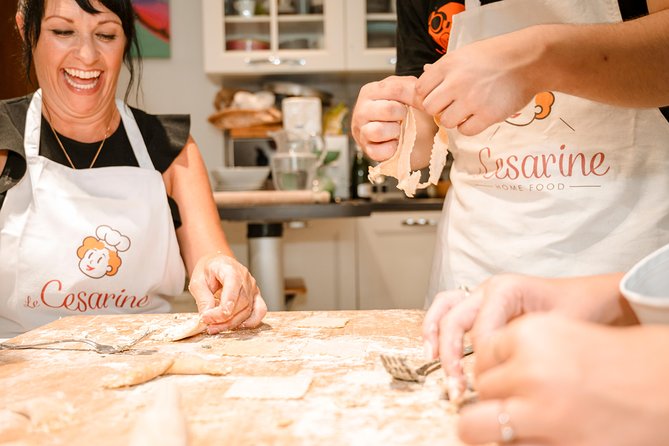
The menu begins with a seasonal starter. Since it’s listed as seasonal, you can expect the first course to reflect what’s working locally at that time, rather than a fixed, tourist-safe plate.
Why that matters: a seasonal starter helps you notice the ingredients and flavor logic of Catania cooking. You’ll usually get something that isn’t only about “Italian style,” but about what shows up naturally in Sicily’s kitchens. It’s the warm-up course that makes the next two steps easier to appreciate.
You’ll also get practice with the basics—how flavors are balanced, how components are handled, and how a home cook thinks about texture and taste before you go into pasta mode.
Fresh pasta course: choosing your Catania style
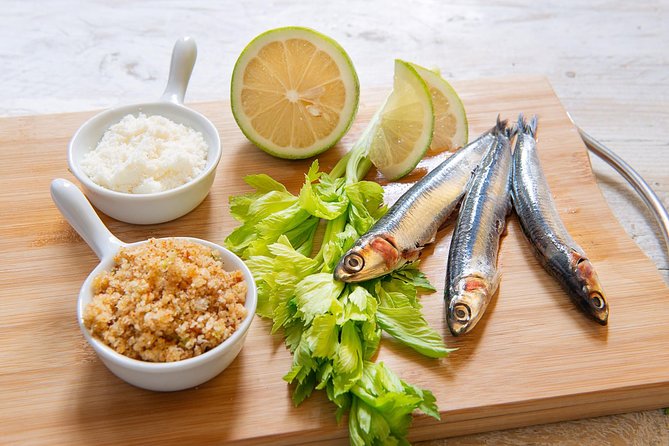
The main focus is fresh pasta, and you’ll cook as part of the class and then eat the results. You may prepare or sample one of the classic pasta paths listed for the experience, such as:
- Spaghetti alla carrettiera
- Pasta alla Norma
- Pasta with sardines
The interesting part isn’t just the name. It’s what these options imply about local preferences. Catania flavors tend to lean toward bold, satisfying combinations that feel everyday, not ceremonial. Even if you’re not familiar with the dishes, you’ll learn the logic behind the components: how sauce works with pasta shape, how richness is balanced, and what makes the final bite feel right.
Because you’re cooking at your own station, you’re more likely to remember the steps. When you try to recreate it later, you won’t just rely on memory of taste. You’ll have muscle memory for the technique.
If you’re traveling with food preferences, it’s also worth noting the class is organized around these recognizable, Catania-linked options rather than vague “regional pasta.” That makes it easier to look forward to something specific.
Sampling three dishes: it’s more satisfying than a single-course class
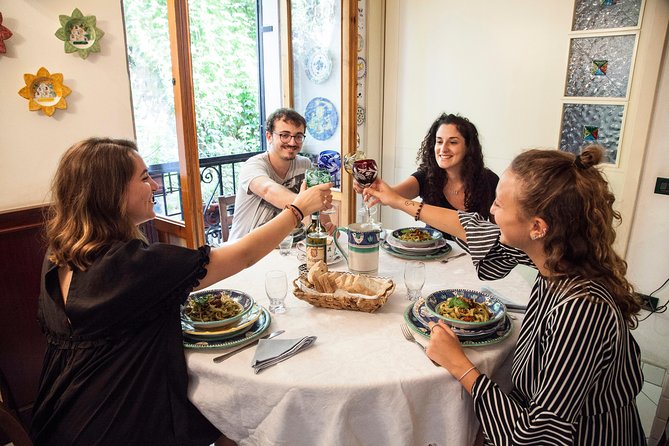
A common complaint about some cooking experiences is that you cook for a short time, then you eat too little. Here, you sample three different traditional dishes. That’s a big deal for your value because you’re not paying just to learn technique. You’re paying for a full meal that includes what you made.
The three-course structure also helps you notice progression. Starter teaches ingredient thinking. Fresh pasta teaches building and balance. Dessert lands the sweetness and leaves you with a complete sense of the meal, not just a pasta highlight.
And that’s where hosts like Fernanda come up in positive experiences: the welcoming teaching style plus the clear “you can do this” guidance tends to make the whole thing feel like a real home-cooking night, not a staged activity.
Dessert in Sicily: cannoli, cassata, and the classics
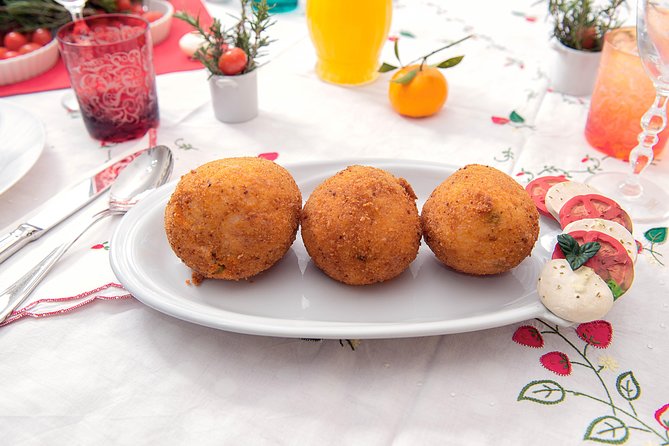
Dessert is where the class leans fully Sicilian. You might enjoy cannoli siciliani or cassata, or something similar like almond pastries or tiramisu. The key point is that the dessert is chosen from a set of typical Sicilian sweets, so you’re not stuck with a generic cake.
Dessert matters for two reasons:
- It closes the loop on flavors you learned during cooking.
- It gives you a memorable “I can bring this back home” item, because sweets travel well as a memory.
If cannoli or cassata are on the menu, you’ll likely understand why these desserts are so tied to Sicilian identity. And if it’s another listed option, you still come away with a clear idea of what Sicilians reach for when it’s time to be indulgent.
The result: you finish with a full meal experience, not just a cooking session followed by snacks.
Wine with the meal: tasting, not rushing
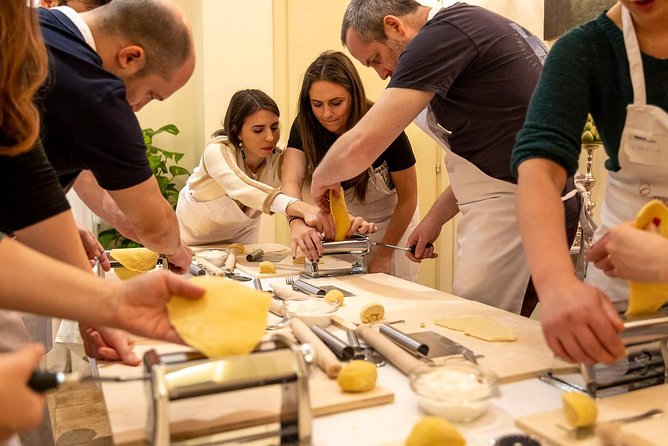
You’ll eat your dishes accompanied by a glass of local wine. That’s not a throwaway perk. Wine helps you enjoy the meal at the pace it’s meant to be enjoyed, and it makes conversation easier.
From a practical standpoint, a glass of wine also signals that the experience is designed as a shared meal. You’re not just collecting recipes. You’re participating in a night of Sicilian hospitality.
In standout experiences, Angela is noted for making the evening feel special inside her beautiful home, and that kind of atmosphere usually makes the wine and dessert feel like the natural end of the same story you started cooking.
Private home logistics: location, transit, and distance rules
This activity starts in Catania and ends back at the meeting point. You’ll be in a local home, and the experience notes that it’s near public transportation, which helps if you’re trying to fit it between other plans.
Because it’s a private tour/activity, only your group participates. That matters for comfort. There’s less crowd energy, less noise, and more direct attention from the host.
On the safety side, the experience includes specific guidance: you’re asked to maintain 1 meter distance when possible, and to wear masks and gloves if you can’t. The home provides essential sanitary equipment like paper towels for washing hands and hand sanitizing gel. That approach is reassuring because it’s practical and built into how you’ll actually behave during the class, not just a vague statement.
English instruction and a teach-to-you style
The class is offered in English, which keeps things comfortable even if your Italian is rusty. More important than language, though, is the teaching style described in strong experiences: hosts like Maurisimo and Fernanda are praised for being personable, knowledgeable, and clear about what you’re doing.
Clear instruction is what turns “fun activity” into “I can reproduce this.” When someone explains the steps in a way that clicks, you leave with technique, not just a memory of food.
If you love food culture and want to ask questions about ingredients or process, this is the kind of format that gives you time to do it.
Price and value: what $174.60 buys you
At $174.60 per person for about 3 hours, this isn’t a budget cooking class. But it can be good value if you look at what’s included and what you avoid paying for separately.
Here’s what you’re getting in the package:
- Cooking equipment and ingredients included
- A full meal structure with three traditional dishes
- Wine included
- A private setup for your group in a home
- Instruction in English
For many travelers, the biggest hidden cost is time and effort. Cooking classes that end up being “watch and sample” often don’t deliver the same value, because you don’t get a real meal or real participation. This one is explicitly structured around you cooking and then eating what you made, which helps justify the price.
Also, the fact that it’s booked on average about 95 days in advance is a quiet signal that slots fill. If you’re serious about it, plan early so you’re not hunting for availability at the last minute.
Who should book this cooking class (and who might not)
This is a great fit if:
- You love Sicilian food and want to learn how it’s cooked in a home kitchen
- You’re a practical learner who remembers better by doing
- You want a more personal experience than a crowded group class
- You’re happy to spend a few focused hours with a local host in English
It might feel less ideal if:
- You want a big, staged “show” with lots of spectators and photos
- You dislike home-style pacing and prefer strictly timed restaurant routines
- You’re not comfortable following the home’s distance and safety guidance
Should you book Cesarine in Catania?
I’d book it if your idea of a great trip includes a real meal you helped cook. The combination of private hosting, English instruction, a three-course Catania-style menu, and wine included makes it more than a novelty activity. You leave with technique you can recreate, plus a memory tied to the actual dishes: pasta options like Spaghetti alla carrettiera, Pasta alla Norma, or sardine pasta, plus Sicilian dessert choices like cannoli or cassata.
If you like your experiences hands-on and personal, this class is an excellent way to spend a few hours in Catania. Just do yourself a favor: book early, bring an open mind for home-style rules, and go hungry.