REVIEW · CATANIA
Cooking lesson in Catania with lunch or dinner
Book on Viator →Operated by Futuro e Lavoro · Bookable on Viator
Cooking in Catania is a fast way to get real Sicily. In about 3 hours, you’ll work in a professional kitchen, make classic dishes, and then sit down to eat what you cooked—paired with Sicilian wine.
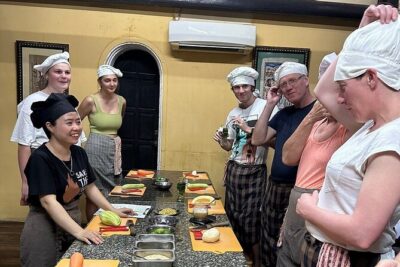
Two things I like a lot are the small-group size (max 14) and the way the class stays hands-on. You’re not just watching—you’re chopping, mixing, rolling, and filling, with guidance in English from the chef team you may meet (names like Simona and Agatha show up in past sessions).
One drawback to consider: the kitchen can feel more like a working lab than a romantic dining room. If you’re expecting cozy décor, you might find it a bit industrial, and one review flagged air-conditioning limits during a heat spell.
In This Review
- Key things you should know
- Why Catania Cooking Feels More Like a Workshop Than a Show
- The Menu: Bruschetta, Sweet-and-Sour Caponata, Fresh Pasta alla Norma, and Cannoli
- Starter: Bruschetta with basil pesto and cherry tomatoes
- Main: Sicilian caponata (sweet and sour)
- Main: Fresh pasta alla Norma rolls
- Dessert: Sicilian cannoli
- Optional or alternate menu elements
- What You’ll Do in the Kitchen (and Why It’s Worth the Money)
- The practical skills you can repeat at home
- The Meal: Eating Your Work with Sicilian Wine (and Sometimes More)
- Who Teaches You: Chef Names You Might Meet and the English Factor
- Expect step-by-step guidance
- Getting to Via Cervignano 42 Without Stress
- Price and Value: $119.77 for a 3-Hour Food Win
- Possible Drawbacks: What Might Not Fit Your Style
- 1) The setting can feel industrial
- 2) Air-conditioning can be limited
- 3) The menu is meat-free (based on what’s taught)
- Who This Is Best For (and Who Should Skip It)
- Should You Book This Catania Cooking Class?
- FAQ
- How long is the cooking lesson in Catania?
- Is this class offered in English?
- What meal do I get during the class?
- What dishes are on the menu?
- Is wine included?
- How many people are in the group?
- Where does the class meet?
- Is there a nearby public transportation option?
- Are dietary allergies or intolerances accommodated?
- What’s the cancellation rule if I change plans?
Key things you should know
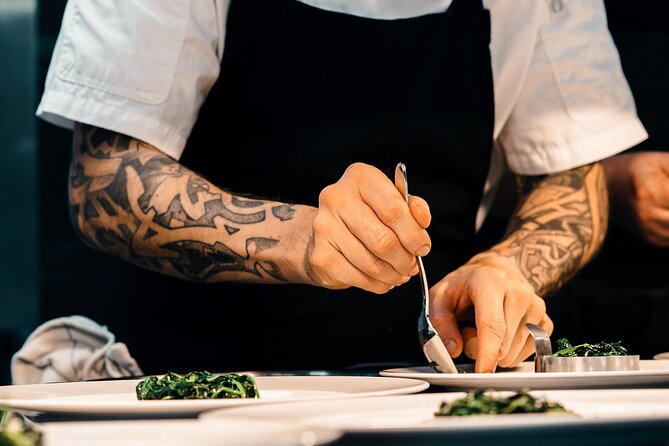
- Hands-on, restaurant-style practice: you cook the dishes yourself using a professional kitchen setup
- A clear Sicilian menu arc: bruschetta starter → caponata + fresh pasta → cannoli dessert
- Wine is part of the meal: lunch or dinner includes a bottle of Sicilian wine
- Tight group size: up to 14 people, often creating an easy, informal vibe
- You get take-home recipes: a booklet is provided so you can repeat the dishes later
- Dietary needs can be discussed: at least one class accommodated vegan dishes and gluten intolerance
Why Catania Cooking Feels More Like a Workshop Than a Show
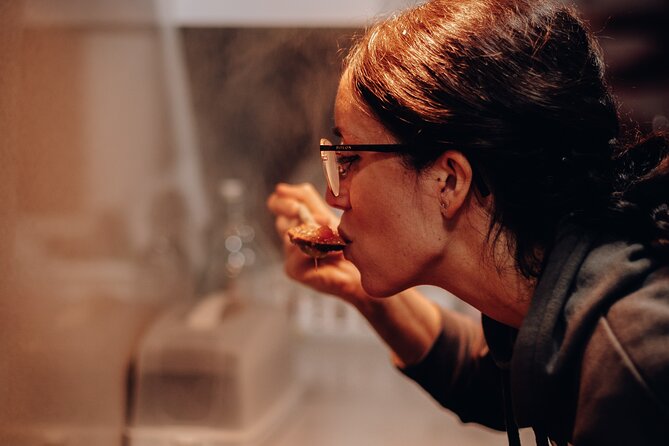
This is a cooking lesson built around doing. In other classes, you might get a quick taste of participation. Here, the point is to put you to work in a kitchen environment that functions like a real restaurant line—just scaled down for visitors and taught step-by-step.
The time window is also friendly. You’re looking at roughly 3 hours, which makes this a smart add-on whether you’re doing a day of sightseeing or you want something calmer in the middle of your trip. And because it’s in Catania specifically, you’re learning dishes that fit the island’s ingredients and habits: eggplant-forward plates, ricotta-based desserts, and pasta shapes that make sense for busy local kitchens.
One more detail that matters: the class is offered in English, so you’re not stuck guessing at instructions. That shows up again and again in strong reviews—people liked that they could fully follow what was happening at each step, not just hear it in passing.
The Menu: Bruschetta, Sweet-and-Sour Caponata, Fresh Pasta alla Norma, and Cannoli
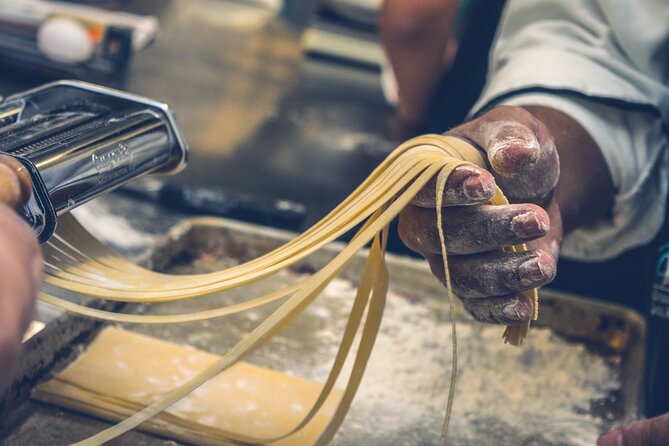
The sample menu gives you a very “Sicily by flavors” route: salty starter, sweet-and-sour eggplant main, iconic pasta, then a dessert that’s basically a calling card.
Starter: Bruschetta with basil pesto and cherry tomatoes
You’ll start with a bruschetta-style base using basil pesto and cherry tomatoes. The lesson here isn’t complicated, but it’s practical. You’ll see how the tomatoes bring brightness, how basil pesto adds herb depth, and how to balance flavors so the whole bite works together instead of tasting like separate ingredients on bread.
In Sicily, bruschetta isn’t only a snack—it’s a way to make fresh ingredients feel special. Getting your hands on the components early sets you up to understand the rest of the meal.
Main: Sicilian caponata (sweet and sour)
Caponata is where Sicily’s flavor logic shows up clearly. It’s not just eggplant. It’s the way eggplant becomes rich when cooked down, then gets lifted by sweet-sour notes. That sweet-and-sour character is what makes caponata instantly recognizable.
A lot of the joy in a caponata class is learning texture: how you want eggplant to soften, not turn mushy; how you want the sauce to cling, not flood. Once you cook it yourself, you’ll understand why people argue about the best version.
Main: Fresh pasta alla Norma rolls
This is the star dish for many first-timers. Fresh pasta alla Norma is tied to the famous way it’s finished with cheese—typically ricotta salata grated over the top.
You’ll be making fresh pasta and preparing it in a way that reflects alla Norma. Expect work with dough and shaping/rolling steps, then pairing it with the right sauce flavor so the final plate tastes like the classic version, not like generic tomato pasta.
If you’re worried about cheese preferences, note this: one past participant mentioned disliking the specific cheese flavor. The organizers responded that they can swap to parmesan if needed. So if you have strong opinions about cheese, it’s worth flagging early.
Dessert: Sicilian cannoli
Cannoli is the finale you’ll remember on the ride back to your hotel. You’ll learn how to fill them—so you’re not only eating cannoli, you’re doing the key work that makes it cannoli.
From the reviews, cannoli results matter here. Multiple people singled out the cannoli as excellent, and one mentioned the rolling/filling steps as a highlight. That’s a good sign: dessert-making is where classes can feel either rushed or real. This one seems to give it enough attention.
Optional or alternate menu elements
Depending on the session, you might also see alternatives like eggplant parmigiana, pasta with cherry tomatoes ricotta and basil, and the cannoli still as dessert. One reason this is useful for you is flexibility: if you hate one dish concept, there’s a chance your class version differs.
What You’ll Do in the Kitchen (and Why It’s Worth the Money)
This lesson isn’t about sitting still. You’ll use professional kitchen equipment in an equipped laboratory. That matters more than it sounds, because it changes the feel of the class. Better tools mean you can focus on technique rather than fighting poor equipment.
Here’s what the hands-on nature usually looks like:
- chopping and prepping ingredients for bruschetta and sauce elements
- cooking caponata so it reaches the right sweet-sour balance
- preparing fresh pasta and shaping/assembling the pasta for alla Norma style
- filling cannoli so the texture and sweetness stay right
And because the group is small, instructors can check what you’re doing and help you fix little issues on the spot. In real cooking, tiny things matter: heat level, timing, and how ingredients are combined.
The practical skills you can repeat at home
You don’t just learn recipes. You learn how Sicilian cooking builds flavor:
- start with strong basic ingredients (basil, tomatoes, eggplant)
- cook slowly enough to create depth
- finish with the right acidic/sweet touch for balance
- trust the cheese finish for alla Norma
When you take the recipe booklet home, those steps become repeatable. Several reviews mentioned that the class includes a booklet, and one class described giving a recipe guide plus chef contact support after the lesson.
The Meal: Eating Your Work with Sicilian Wine (and Sometimes More)
After cooking, you’ll sit down for lunch or dinner with what you prepared. You also get a bottle of Sicilian wine, which is included in the price.
This is not a token sip at the end. It’s part of the meal setup, meaning you’ll taste your dishes while they’re at their best and in context—warm pasta with the right finish, caponata at the right temperature, and cannoli when the filling still tastes fresh.
Some extra notes from past experiences:
- One review mentioned wine plus coffee and even limoncello options alongside the meal.
- Another note said tea isn’t available.
What’s consistent, though, is the main wine inclusion. If you’re someone who likes to eat what you cook, this format makes the class feel complete.
Who Teaches You: Chef Names You Might Meet and the English Factor
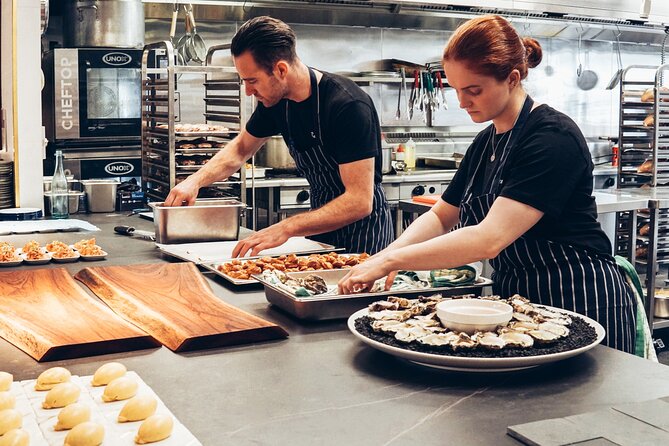
You’re guided by a professional chef. Past sessions have included chef names like Simona and Agatha, and the host/owner Grazia Distefano appears in replies to reviews. While you can’t guarantee the exact team on your date, these names are a strong clue that the instruction is chef-led rather than “someone with a passion.”
One review also highlighted that even if English isn’t the host’s strongest language, the class can still work because the chef instruction in English is clear. That’s important for you because the real learning happens during the active cooking—when questions come fast and you need to understand each step.
Expect step-by-step guidance
The best feedback in the reviews centers on clear explanations: ingredients, timing, and technique. You’ll likely be involved in multiple dishes rather than only one station, which is how you end up leaving with a sense of achievement, not just a plate of food.
Getting to Via Cervignano 42 Without Stress
The meeting point is Via Cervignano, 42, 95129 Catania. It ends back at the same spot.
If you’re using public transit, the location is described as near the subway, with nearby stops: GALATEA and ITALIA. That’s handy because Catania’s center can be easier on foot, but a short ride can save time when you’re juggling a few activities in one day.
If you’re arriving from farther away (like a cruise port), plan for some taxi time. One past review mentioned a taxi cost of about €20 each way, which gives you a ballpark for budgeting when distance is the issue.
Price and Value: $119.77 for a 3-Hour Food Win
At $119.77 per person, you’re paying for several things at once:
- Chef-led instruction (not just a demo)
- A professional kitchen and ingredients used for multiple dishes
- A full lunch or dinner format
- Sicilian wine included
If you try to price these separately—chef instruction, ingredients, and a meal with wine—the bundled value starts to make sense fast. You’re not just buying food. You’re buying a structured way to learn.
There’s also an element of “you’ll actually use this later.” People mention receiving a recipe booklet and being able to cook the dishes back home. That’s the kind of value you can’t get from eating in a restaurant alone.
One more detail that affects value: in an organizer response, they explain that you take the dishes you made with you after tasting them on the spot. Not every class offers that. If that’s accurate for your session, it increases the sense that you’re leaving with more than memories.
Possible Drawbacks: What Might Not Fit Your Style
Let’s be honest. This class can be perfect—or it can feel a little off—depending on what you want from the experience.
1) The setting can feel industrial
A couple reviews criticized the lack of décor and described the kitchen as minimal or not inviting. The organizer’s response framed it as a professional hygiene-focused laboratory, not an apartment reception hall. Translation for you: expect function over charm.
2) Air-conditioning can be limited
One complaint said air-conditioning didn’t feel strong enough during extreme heat. The organizer response said that during very hot days, the AC may switch to protection mode and they may ask guests to move locations. If you’re visiting in peak summer, this is worth mentally planning for.
3) The menu is meat-free (based on what’s taught)
The sample and typical dishes are eggplant and pasta focused. If you specifically want meat incorporated, you might be disappointed. Most people seem happy here, but it’s wise to know your preferences before booking.
Who This Is Best For (and Who Should Skip It)
This cooking lesson is a strong match if:
- it’s your first trip to Sicily and you want a practical intro to flavors
- you like making food yourself and eating it immediately
- you travel with friends or couples and want an easy shared activity
- you want instruction in English and step-by-step clarity
- you’re interested in cannoli, caponata, and pasta alla Norma styles
It may also fit some dietary needs, because at least one past class reported accommodating vegan dishes and gluten intolerance. Still, you should communicate needs in advance so the team can plan your menu appropriately.
You might want a different kind of experience if:
- you want a highly styled, romantic setting more than a working kitchen
- you need a lot of air-conditioning comfort during hot months
- you want meat-based dishes in the class menu
Should You Book This Catania Cooking Class?
Yes, I’d book it if your goal is learning real Sicilian dishes in a hands-on way, without turning it into a long production. The combination of chef instruction, a clear menu (caponata, fresh pasta alla Norma, cannoli), and a sit-down meal with Sicilian wine is exactly the kind of travel value I like.
Book it especially if you’re the type who remembers best when you do. Cooking makes the flavors stick. And you’ll leave with recipes, which means you can recreate a small slice of Catania back home.
Hold off or consider another option if you’re sensitive to the kitchen environment feeling industrial, or if you strongly dislike the idea of an eggplant- and pasta-centered menu.
If you want a fun, structured food lesson in Catania that respects local tastes and gives you something to practice afterward, this is a very good bet.
FAQ
How long is the cooking lesson in Catania?
It lasts about 3 hours.
Is this class offered in English?
Yes. The experience is offered in English.
What meal do I get during the class?
Lunch or dinner is included, and it’s made from the dishes you prepare.
What dishes are on the menu?
The sample menu includes bruschetta, sweet and sour caponata, fresh pasta alla Norma, and Sicilian cannoli. Some sessions may include alternatives such as eggplant parmigiana or pasta with cherry tomatoes, ricotta, and basil.
Is wine included?
Yes. The meal includes a bottle of Sicilian wine.
How many people are in the group?
The maximum group size is 14 travelers.
Where does the class meet?
The meeting point is Via Cervignano, 42, 95129 Catania CT, Italy.
Is there a nearby public transportation option?
Yes. The activity is near public transportation, and it’s a few steps from the subway stops GALATEA and ITALIA.
Are dietary allergies or intolerances accommodated?
You can list food allergies or intolerances as part of your booking information, and past reviews indicate adjustments have been made for needs like vegan dishes and gluten intolerance.
What’s the cancellation rule if I change plans?
Free cancellation is available up to 24 hours before the experience starts for a full refund. Weather or minimum traveler limits can also affect whether the class runs, with either an alternative date or a full refund.