REVIEW · CATANIA
Join us for a Sicilian cooking class in a professional kitchen on Etna, using fresh ingredients from our organic garden
Book on GetYourGuide →Operated by Favazza Etna Winery · Bookable on GetYourGuide
Etna cooking tastes better than you expect. You get a Sicilian cooking class in a professional kitchen, built around fresh ingredients from an organic garden on the slopes of Etna, so the food story feels real. I also love the chef-led zero-waste approach, where you learn how to use more parts of what you grow, not just the prettiest pieces.
The main thing to weigh is the schedule: even though the class is listed at 2 hours, the work moves fast and the day’s pace can mean you may not make multiple dishes the way you imagine—some people felt it was over sooner than expected.
In This Review
- Key things to know before you go
- Why Cooking on Mount Etna Feels Different
- Getting Oriented at Favazza Etna Winery
- From Garden to Cutting Board: The Hands-On Workflow
- What Makes the Zero-Waste Lesson Actually Useful
- The Lunch You Share: Dish, Wine, and Table Time
- Price and Value: Is $94 Worth It?
- Timing, Pace, and Group Energy (So You Can Enjoy It)
- Who This Class Is Best For (And Who Might Not Love It)
- Should You Book This Etna Cooking Class?
- FAQ
- Where is the meeting point?
- How long is the cooking class?
- What group size is it?
- What language is the class taught in?
- What’s included in the price?
- Is wine included with lunch?
- Are ingredients used from an organic garden?
- Is the experience wheelchair accessible?
- What is the cancellation policy?
- What should I expect to cook?
Key things to know before you go
- Organic garden ingredients with seasonal flavors: you cook with what’s growing now, using produce and herbs from the property.
- Small group limit (up to 8): more time for questions and getting hands-on, instead of watching from the edge.
- Chef guidance at every step: you’re not alone with the stove; the instructor supports and leads key moments.
- Zero-waste technique in practice: you’ll learn how to use ingredients more fully, not waste the rest.
- Hands-on dough time and stove time: this is the kind of class where you actually participate, not just assemble.
- Meal + Favazza wine: you finish with what you made, served together with wine from the winery.
Why Cooking on Mount Etna Feels Different
There are cooking classes that teach recipes, and then there are classes that teach a place. This one does the second part well. You’re on Mount Etna’s side, where the ingredient story is part of the experience: seasonal vegetables, aromatic herbs, and other local goodies grown on the slopes of the volcano.
That matters because your taste buds get a clearer picture of what “Sicilian” means beyond a label. When your vegetables are coming from an organic garden right there, you start noticing the small differences—how herbs smell when they’re fresh, how different veggie textures behave once they hit the pan, and how much flavor you can pull from simple, local ingredients.
Also, you’re not just learning how to cook. You’re learning why certain Sicilian habits exist—like using everything you can. The class is set up around zero waste, so you’re practicing the kind of practical cooking locals grew up with.
The setting helps too. The lesson happens in a fully equipped, cozy professional kitchen, so you’re working in a space designed for real cooking, not a demo-only setup.
You can also read our reviews of more tours and experiences in Catania.
Getting Oriented at Favazza Etna Winery
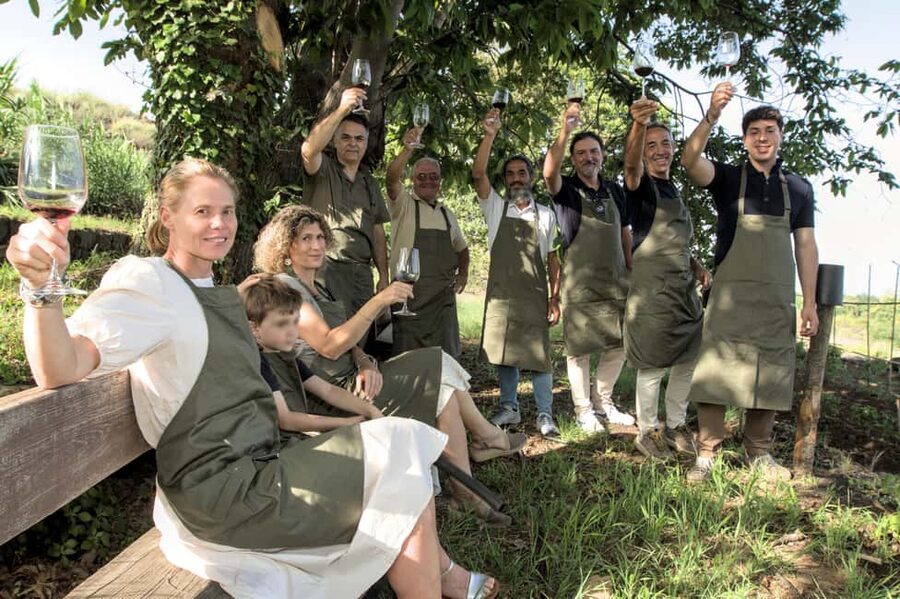
Your meeting point is Favazza Etna Winery, Via Fossapoliti Formazzo 46, 95010 Sant’Alfio CT, Italy. The winery is the anchor for the experience, which makes sense: you finish with wine from there, and the whole day fits into the Etna food-and-farm vibe.
Here’s a practical tip: the class is short. Plan to arrive with enough buffer so you can settle in, meet the group, and start when you’re supposed to. When a session is around two hours, you don’t want to lose time to confusion.
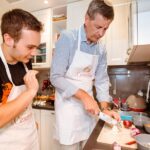
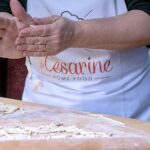
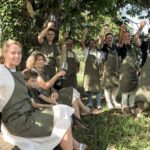
Once you’re in, you’ll shift quickly from “tourist mode” to “cook mode.” That’s part of the fun. Small details like having the right station, getting your apron, and having the chef explain the flow all help the class feel smooth, even when you’re learning something new.
From Garden to Cutting Board: The Hands-On Workflow
The heart of this class is how your ingredients travel: you start with fresh produce straight from the organic garden, then you handle them yourself in the kitchen.
Depending on the day’s pace, you may do a short garden routine to gather items before cooking. The goal is simple: you don’t just eat local food after the fact—you handle it at the start, so the meal feels connected from the beginning.
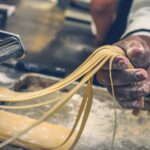
In the kitchen, you’ll get hands-on time. The experience highlights emphasize that you’ll get into the dough and get pots moving on the stove. In practice, that usually means you participate in the parts that build the dish, rather than only taking turns at a single step.
One helpful clue from past participants: many classes like this focus heavily on pasta making. People have described making fresh pasta and, in some cases, cooking a classic Sicilian dish such as pasta al Norma. If that’s on the menu, you can expect the chef to guide you and also handle some components—especially the steps that need more control or timing.
If your dream is total solo control of every step, temper expectations a bit. The class is designed for teaching and pacing with a small group, so you’ll likely share tasks with the chef and learn how the workflow comes together.
What Makes the Zero-Waste Lesson Actually Useful
Zero-waste can sound like a slogan. Here it’s treated like technique. The class explicitly includes zero waste, and you’ll be shown how to use more of the ingredients instead of discarding the rest.
Why that matters for you: when you learn the “why” and the “how,” you can use it at home with the vegetables you can actually buy locally. Instead of following a vague rule like save scraps, you start understanding how different parts contribute to flavor and texture.
Even if you’re not aiming to become a full-time waste-reducer, this style of cooking tends to make you a better cook. You think differently about onions, herbs, stems, and other parts you might normally ignore. And you learn a more Sicilian mindset: practicality first, flavor always.
Also, because the class is built around seasonal garden produce, zero-waste becomes easier to understand. You’re working with what’s available, not a perfect curated ingredient basket.
The Lunch You Share: Dish, Wine, and Table Time
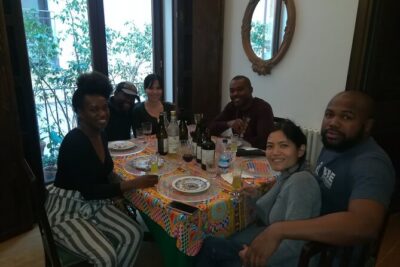
At the end, you eat what you cooked. The class includes the meal served together, and it’s paired with wine from Favazza Etna Winery.
You should plan on this being a real sit-down moment, not a quick snack. The class is structured so you finish and share the dish as a group, which is a big part of the value. Food tastes better when you’ve cooked it and talked about it at the table.
About the wine: the class notes include lunch with Favazza wine, and some participants have described the wine being shared among a small group. In other words, you’ll likely have a communal, relaxed feeling with your meal.
As for the exact dishes, the experience is described as typical Sicilian dishes and an iconic Sicilian dish using garden-fresh ingredients. Past descriptions have pointed specifically to pasta-focused preparation (including fresh pasta), with the chef finishing parts of the final dish.
So, if you’re hoping for a buffet-style class with multiple different recipes, don’t expect that. If you’re happy with a strong, well-taught Sicilian centerpiece and you’re hungry to learn the technique behind it, you’ll probably feel satisfied.
Price and Value: Is $94 Worth It?
At $94 per person for about two hours, the value depends on what you want out of a cooking class.
Here’s the honest trade-off:
- You’re paying for a small group (up to 8), a professional kitchen, and instruction in fresh organic garden ingredients grown specifically for this experience.
- You also get a meal and wine, plus tools and basics like an apron and handouts.
What some people felt, though, is that the pacing can be tight. Because it’s a short session, you might not get the number of dishes you hoped for when the class is described more broadly by others. In practical terms, you’ll likely focus on one main dish, with the chef handling some parts so everyone finishes together.
So, my rule of thumb:
- If you want hands-on pasta skills, local ingredient focus, and a chef-led workflow, the price is easier to justify.
- If you want a longer class with multiple recipes and lots of independent cooking time, you may feel the session is too compact.
Timing, Pace, and Group Energy (So You Can Enjoy It)
This class works best when you treat it like a timed cooking session, not a slow cultural meal. You’ll learn techniques, but the kitchen will move.
If you’re the type who loves to ask a lot of detailed questions, the small group size helps. If you’re chatty, it also helps—table time comes at the end and you’ll spend it with the people you cooked beside.
If you’re arriving from sightseeing, give yourself enough time to get there without stress. One past participant mentioned confusion about the meeting point, arrived later than planned, and still found the hospitality warm and the activity quality strong. Still, don’t count on having a late buffer. With a session this focused, earlier arrival usually means better flow.
Who This Class Is Best For (And Who Might Not Love It)
You’ll likely enjoy this Sicilian cooking class if you:
- want a real-food experience with organic garden ingredients rather than generic supermarket produce
- like learning with your hands, especially if pasta making is your thing
- prefer a chef-guided class where you participate but also learn how a dish gets finished properly
- want to end with a shared meal and Favazza wine
You might consider skipping or adjusting expectations if you:
- strongly want multiple separate recipes in one session
- expect a long, slow cooking day with lots of free time
- come with the mindset that you will do every step yourself, start to finish, without any chef assistance
For many people, though, the focus is the point. A short class that centers on a single iconic Sicilian dish can be a great way to learn technique you’ll actually remember and use later.
Should You Book This Etna Cooking Class?
If you’re excited by Sicilian cooking that starts with what’s growing right now, this is a strong option. I like the combination of Etna setting, organic garden ingredients, and hands-on work in a real professional kitchen—and the meal with Favazza wine makes it feel complete, not like a snack-and-go.
I’d book it when your goal is quality, not quantity. You’ll get one clear cooking story, chef guidance, and a final table meal that feels earned.
If you want a longer multi-dish marathon, or you’re measuring value by the number of recipes you’ll leave with, you should think carefully. The session is short, and the chef-managed pacing means you’re learning a process, not running a solo cooking takeover.
FAQ
Where is the meeting point?
You meet at Favazza Etna Winery, Via Fossapoliti Formazzo 46, 95010 Sant’Alfio CT, Italy.
How long is the cooking class?
The duration is listed as 2 hours.
What group size is it?
It’s a small group limited to 8 participants.
What language is the class taught in?
The instructor teaches in Italian and English.
What’s included in the price?
You join the cooking class with an expert chef and enjoy a lunch with Favazza wine. Materials provided include handouts, an apron, dishcloth, pencil, and notebook.
Is wine included with lunch?
Yes. Lunch is paired with wine from Favazza.
Are ingredients used from an organic garden?
Yes. The class uses fresh ingredients from an organic garden with seasonal vegetables and aromatic herbs.
Is the experience wheelchair accessible?
Yes, it is wheelchair accessible.
What is the cancellation policy?
Free cancellation is available up to 24 hours in advance for a full refund.
What should I expect to cook?
You’ll make an iconic Sicilian dish using fresh, garden-grown ingredients and get hands-on experience with dough and cooking on the stove. Pasta making has been described as part of the experience.