REVIEW · CATANIA
Catania: Pasta & Tiramisu Cooking Class at a Local’s Home
See Prices & Book →Operated by Cesarine
Flour, music, and Mount Etna views. I like that you learn sfoglia by hand and make two different pasta dishes from scratch, not just assemble things. I also love the aperitivo start with prosecco and nibbles, plus the way hosts like Graziella and Andrea turn a class into a real evening. One consideration: it happens in a private home kitchen, so space is snug and it is not set up for wheelchair access.
This is run through Cesarine, Italy’s oldest network of home cooks, operating in 500+ cities, and you feel the difference immediately. You get hands-on instruction in an Italian home setting, and the focus stays on local, family-style technique rather than restaurant shortcuts. Hosts across the program (like Maurizio, who brought a lot of humor, or Angela, who was praised for patience) make it work even if your Italian is basic.
You’ll spend about 3 hours there, end back at the meeting point, and you’ll eat what you make. Expect a friendly, practical pace: roll, mix, shape, and then wait for tiramisu to set before you dig in.
In This Review
- Key highlights before you book
- Catania pasta night feels like you stepped into someone’s kitchen
- Why Cesarine home cooks are the secret sauce
- The aperitivo start: prosecco and nibbles to loosen up
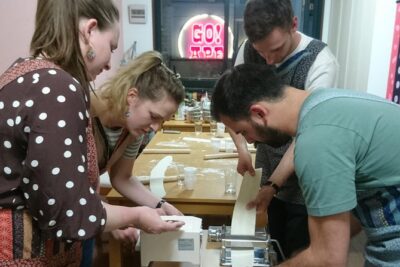
- Rolling sfoglia by hand: the skill that makes everything click
- Two pasta types from scratch: more than one way to shape dough
- Tiramisu lessons: classic, but timing makes it work
- What you eat (and what’s included) in 3 hours
- Hosts make the difference: patience, humor, and real instruction
- Price and value: does $112.15 make sense?
- Logistics you should know before you go
- Who this class fits best (and who may want to skip it)
- Should you book Catania pasta & tiramisu at a local’s home?
- FAQ
- How long is the Catania pasta and tiramisu cooking class?
- What will I learn to cook during the class?
- Is the instruction offered in English?
- Are drinks included?
- Is the class held in a restaurant or someone’s home?
- Do I get to eat what I cook?
- When will I receive the meeting address?
- Is this experience wheelchair accessible?
Key highlights before you book
- Hand-rolled fresh pasta (sfoglia) so you understand the dough, not just the recipe
- Two iconic pasta types made from scratch during the session
- Classic tiramisu taught step-by-step, with timing so it sets properly
- Italian aperitivo with prosecco and nibbles to start you off right
- Drinks included (water, wines, coffee) plus local taxes covered
- Cesarine home-cook hosts using family-cookbook style methods
Catania pasta night feels like you stepped into someone’s kitchen
Catania is not just a stop on the way to somewhere else. This class makes the city feel personal because it moves the action out of a formal venue and into a home where cooking is part of everyday life.
What I like about this format is that you are not standing at the edges of a kitchen watching. You are working the dough, shaping pasta, and learning the logic behind the steps. That matters because it turns food into a skill you can repeat later, even if you never cook in Italy again.
And yes, the setting can be gorgeous. In at least some home setups tied to these hosts, you get views that include Catania and even Mount Etna, which is a strong bonus for a short, 3-hour experience.
You can also read our reviews of more tours and experiences in Catania.
Why Cesarine home cooks are the secret sauce
This experience is organized by Cesarine, an established network of home cooks across Italy. Cesarine hosts open their own homes and stick to local specialty technique pulled from family recipes and cookbooks.
That means the teaching tends to feel grounded and practical. You learn why the dough rests, what the consistency should look like, and how to handle fresh pasta without panic. Hosts in this style are also used to working with English-speaking visitors since the instruction is listed as Italian and English.
In other words, you’re not paying just for ingredients and a meal. You are paying for a real person teaching real methods in a real home setting.
The aperitivo start: prosecco and nibbles to loosen up
Most food classes start with ingredients on the table. This one starts with the social part first: an Italian aperitivo featuring prosecco and nibbles.
That early sip does two things. First, it helps you settle into the kitchen rhythm without feeling rushed. Second, it usually makes questions feel easy, because you’re already chatting before you start rolling dough.
It’s a small detail, but in a hands-on class it matters. The better your mood at the beginning, the less you stress when dough gets sticky or your first shape looks a little rough.
Rolling sfoglia by hand: the skill that makes everything click
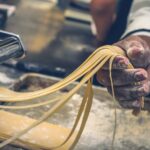
The centerpiece here is fresh pasta, specifically learning how to roll sfoglia by hand. If you’ve ever eaten handmade pasta and wondered why it tastes different, this is where you find out.
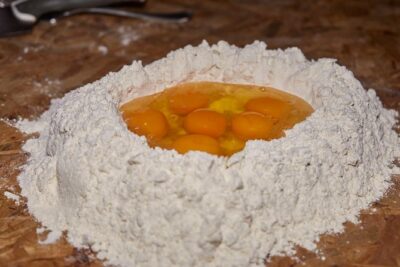
You’ll work with the dough, then learn how to roll it into thin sheets suitable for shaping. The value is not only that you get to eat the result. You learn what the dough should feel like as you roll—firm enough to stretch, flexible enough to move through your hands, and elastic enough to stay workable.
In a class like this, the most useful takeaway is control. Once you learn the hand motion and the dough cues, you can recreate the process at home with flour, water, and a little patience.
If you like cooking but hate complicated steps, you’ll appreciate the simplicity of fresh pasta technique. No fancy tools are required beyond what the host provides.
Two pasta types from scratch: more than one way to shape dough
You’ll make two iconic pasta types from scratch. The exact types can vary by session, but the class is designed so you learn two separate styles rather than repeating the same shape twice.
The practical rhythm usually goes like this: you mix or portion ingredients, shape one pasta type, then repeat the process for the second. Along the way, you get guidance on thickness, portioning, and how to finish edges so the pasta holds together and cooks well.
One of the most common success moments in this format is moving from simple shapes to something filled or more structured. In this experience’s teaching style, some sessions have included work like tortelli/tortellini-style preparation, which adds a step of filling and sealing that feels like a real craft.
Even if your pasta shapes look different from the examples you’ve seen online, the core lesson stays the same: you get comfortable shaping by feel. That confidence is what you want from a class, not just a plate of food.
Tiramisu lessons: classic, but timing makes it work
Then comes the iconic dessert: tiramisu. This class teaches you how to make it, not just how to plate it.
The key here is timing. Tiramisu needs a set period, and in this program’s approach, it often gets started earlier so it can rest properly before you eat. That way, by the time you’re done with pasta and pasta tasting, the dessert is ready to serve.
I like that this structure turns the wait into part of the fun. You aren’t standing around wondering what’s going on while everything “cooks.” Instead, the session keeps moving so your tiramisu doesn’t become an afterthought.
And because it’s one of the most famous Italian desserts on Earth, learning it in a home setting helps you understand why it’s so beloved. It’s creamy, balanced, and built around straightforward ingredients that become special through technique.
What you eat (and what’s included) in 3 hours
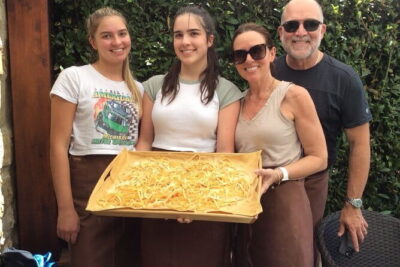
This isn’t a walk-through where you watch cooking happen. You’ll taste the two pasta recipes and the tiramisu, and you’ll also get the drinks included with the experience.
Included beverages are listed as water, wines, and coffee. You also get the Italian aperitivo with prosecco and nibbles at the start.
That package is part of the value equation. Many cooking classes price themselves like a ticket to a demonstration, then charge extra for drinks or food. Here, local taxes are included, and the session is built around eating what you make.
In practical terms, you can treat this as your main meal for the day. It’s long enough to work up an appetite and structured enough that you get multiple courses, even though it’s only a 3-hour commitment.
Hosts make the difference: patience, humor, and real instruction
The hosts are the main reason people rate this experience so highly. You can feel the difference when instruction is clear and when the host is actually paying attention to your hands, not just the clock.
Some examples from the host style you might meet in this program:
- Graziella and Andrea have been described as welcoming, with a home setting that can include a terrace and sweeping views.
- Maurizio has been praised for being kind, humorous, and genuinely engaged with the group. In at least one memorable session, he even brought a playful musical touch at the end.
- Angela is repeatedly described as warm and patient, which matters a lot when you’re learning pasta shapes for the first time.
- Laura has been noted for giving clear directions while staying conversational and relaxed.
- In some sessions, hosts have used the pacing of the tiramisu and then followed with simple tastings like bruscetta, which gives the meal a natural flow.
None of that is required for the class to function. But it’s why people walk away feeling fed and educated instead of rushed and confused.
Price and value: does $112.15 make sense?
At $112.15 per person, you’re paying for a few things at once: instruction, ingredients, drinks, and a sit-down tasting experience in a private home.
What makes the price feel more reasonable is the bundle. You’re not just buying recipes. You’re buying time in a real kitchen with English-friendly teaching, plus prosecco aperitivo, wine, coffee, local taxes, and the actual pasta and tiramisu you’ll eat.
If you’re the type of traveler who likes one “anchor” experience with a strong cultural feel, this is a strong choice. It gives you something practical to remember (how to make sfoglia, how to shape and cook fresh pasta, and how tiramisu sets) and not just a photo.
The only reason the price might feel steep is if you mainly want a casual snack. This class is built as a full, hands-on meal session, so you’ll get the most value if you’re ready to cook and eat.
Logistics you should know before you go
This activity happens in a local’s home. For privacy, you only receive the full address after booking, and the host details including telephone and address get sent once your information is received.
That setup is normal for home-based experiences, but it does change one thing for planning: don’t try to build a tight schedule around a known street address. Leave a little buffer.
Language is listed as Italian and English, so you won’t be left alone with gestures and hope. Still, if you know a few basic pasta words in Italian, it can make the conversation smoother.
Also note: it is not suitable for wheelchair users. If mobility is an issue, you’ll want to look for another format in the city.
Who this class fits best (and who may want to skip it)
This is ideal if you want a hands-on food experience that’s practical. I’d recommend it to anyone who likes cooking, wants a skill from Italy, or just wants one evening that feels local instead of staged.
It’s also a good fit if you’re traveling with a friend and want shared work. Pasta rolling and shaping are naturally team-based, even if you’re not sharing a recipe book.
If you strongly prefer restaurant-style pacing—eat fast, no hands-on cooking—this may not be your favorite kind of experience. This class asks you to participate, and it’s designed around learning through doing.
Should you book Catania pasta & tiramisu at a local’s home?
If you want a meal plus real technique, book it. You’re learning sfoglia by hand, making two pasta types, and mastering tiramisu, all with included drinks and a home-cook vibe through Cesarine.
Choose this class especially if you care about value. At $112.15, the drinks, taxes, and full tasting of what you cook are built into the session, which makes it feel like a complete experience rather than a partial one.
Skip it only if your schedule is too rigid to handle an address sent after booking or if wheelchair access is a concern. Otherwise, this is one of those Catania experiences that gives you something you can bring home: a method, not just a memory.
FAQ
How long is the Catania pasta and tiramisu cooking class?
The experience lasts 3 hours.
What will I learn to cook during the class?
You’ll learn to roll sfoglia (fresh pasta) by hand, make two different iconic pasta types from scratch, and make the classic tiramisu.
Is the instruction offered in English?
Yes. The class is listed as being taught in Italian and English.
Are drinks included?
Yes. The experience includes water, wines, and coffee, plus an Italian aperitivo with prosecco and nibbles.
Is the class held in a restaurant or someone’s home?
It’s held in a local’s home.
Do I get to eat what I cook?
Yes. The experience includes tasting of the two pasta recipes and the tiramisu.
When will I receive the meeting address?
For privacy reasons, you receive the full address of your host only after you have booked.
Is this experience wheelchair accessible?
No, it is not suitable for wheelchair users.