REVIEW · MILAN
Small Group Cozy Cooking Class in a Typical Milanese Home
Book on GetYourGuide →Operated by FollowMi Around · Bookable on GetYourGuide
Homemade tagliatelle feels like a Milan secret.
This small-group cooking class happens in a real Milan apartment and turns dinner into a hands-on evening of pasta, wine, and cozy conversation, not a checklist tour.
What I like most is the max-6 setup, which means the host can actually guide you while your hands are covered in flour. I also love that you get both the how-to (tagliatelle, ragù, tiramisù) and the payoff: you eat what you made together as a family-style meal.
One thing to think about: there’s no hotel pickup, and you’ll meet at a specific spot (bell “Alegi”), so plan to arrive a few minutes early and follow the directions carefully.
In This Review
- Key things that make this class worth your time
- A small Milan cooking class you can actually enjoy
- Inside the Milanese apartment: what the setting does for the experience
- The 3-hour flow: aperitivo to family dinner
- Tagliatelle and ragù: the techniques that help you cook again at home
- Tiramisù: the dessert lesson that people talk about
- Welcome aperitivo, wine throughout, and the cozy Milan mood
- Language and teaching: English, Italian, or French support
- Who this class is perfect for (and who should skip it)
- Price and value: does $82 make sense?
- What to expect at the meeting point (and how to not stress)
- The vibe: why people walk away happy
- Should you book this Milan cooking class?
Key things that make this class worth your time
- A real Milan apartment setting, in the heart of the city, so the vibe feels like dinner at a friend’s home
- Max 6 people, which keeps the pace comfortable and the teaching personal
- Fresh pasta from scratch (tagliatelle) plus classic ragù, so you learn techniques you can repeat
- Tiramisù practice, the kind of dessert that makes people start craving another spoonful before it’s even finished
- Aperitivo and wine throughout, plus a family dinner using your results
A small Milan cooking class you can actually enjoy
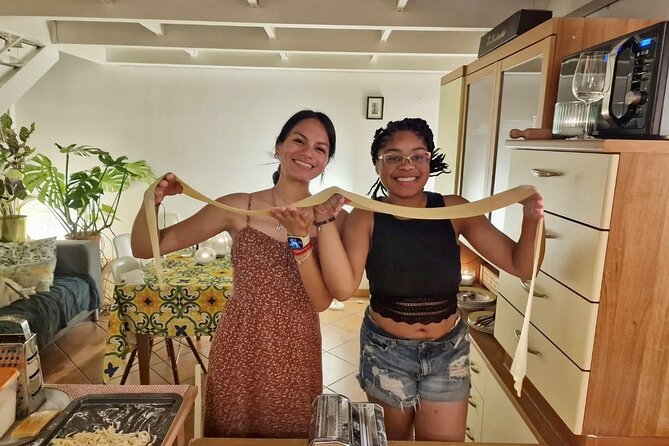
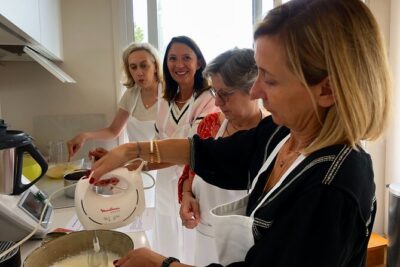
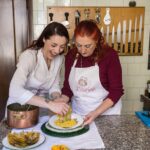
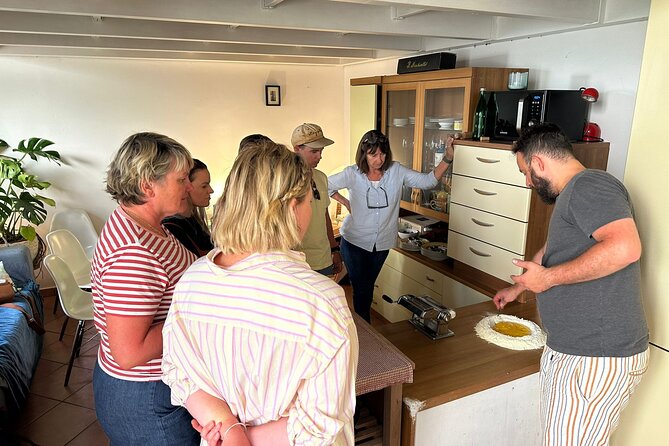
Cooking classes in big groups can feel like performance. This one is built for the opposite. You’re in a typical Milanese apartment, not a classroom, and you’re working close enough to hear the little corrections that make homemade pasta turn out right.
The menu is classic and practical: tagliatelle, ragù, and tiramisù. You’re not just watching; you’re making the food, then sitting down to eat it. And with wine flowing during the workshop, the atmosphere stays relaxed while you learn.
You can also read our reviews of more tours and experiences in Milan.

Inside the Milanese apartment: what the setting does for the experience
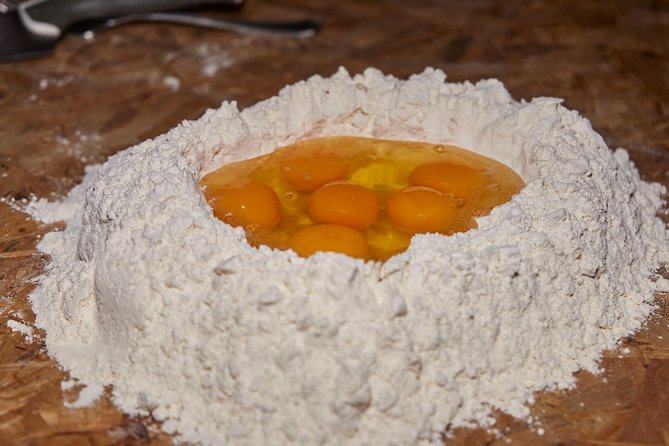
This class centers on the idea that food is social. You get access to a chef’s apartment in central Milan, and that matters more than you might think. In a home, the host can explain not only recipes, but also the rhythm of Italian mealtimes—when things happen, how long you let components rest, and how you taste as you go.
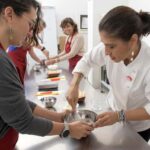
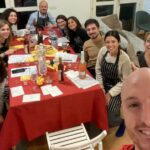
Even the cozy setup helps. With only up to 6 people, there’s less waiting around, more room to practice, and fewer moments where one person is left idle while others are cooking. Several people mention laughter and an easy back-and-forth with the host, which usually means the lesson stays friendly rather than stiff.
The 3-hour flow: aperitivo to family dinner
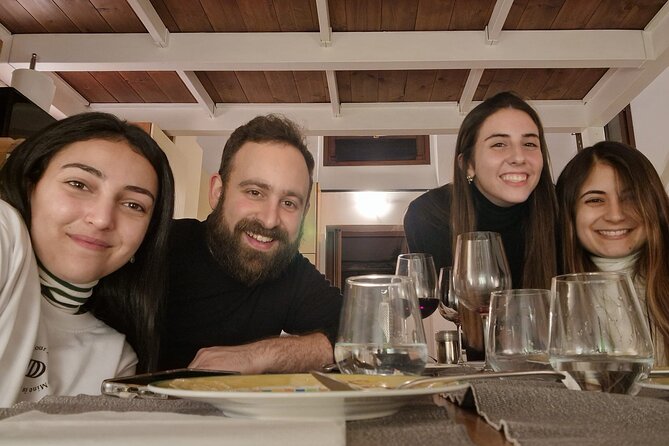
The full experience runs about 3 hours, and it’s paced like a meal day, not like a timed cooking demo.
Here’s the shape of the evening:
- You start with a welcome aperitivo featuring typical Italian products, plus water and soft drinks for kids.
- Wine is served throughout the workshop, with red or white options.
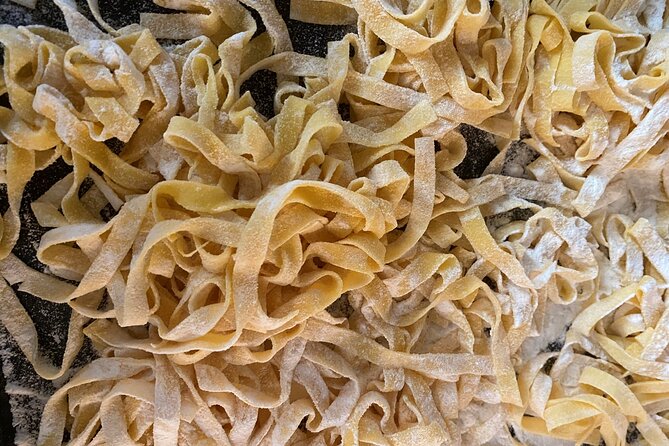
- You cook your way through homemade tagliatelle and a ragù sauce.
- You make tiramisù as the dessert.
- At the end, you sit down for a family dinner and enjoy what you cooked together.
A couple of details make this work well. First, ingredients are provided for the main dish (fresh pasta) and the dessert, so you’re not hunting around for special items. Second, the dinner isn’t separate from the cooking—you’re eating the results of your own work, which makes the final sitting feel meaningful instead of rushed.
Tagliatelle and ragù: the techniques that help you cook again at home
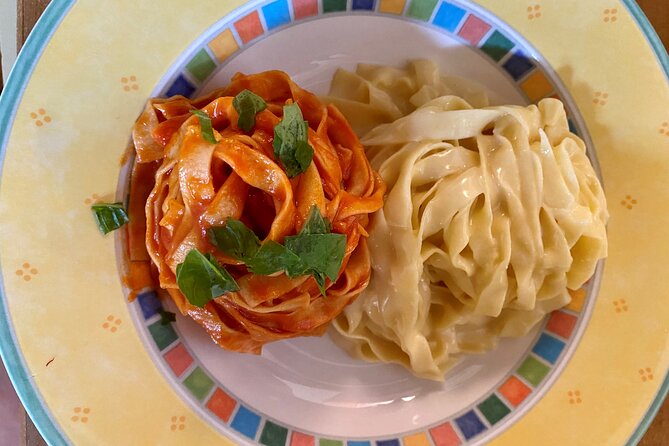
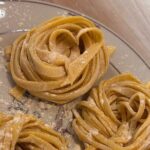
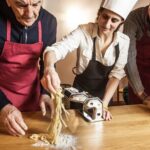
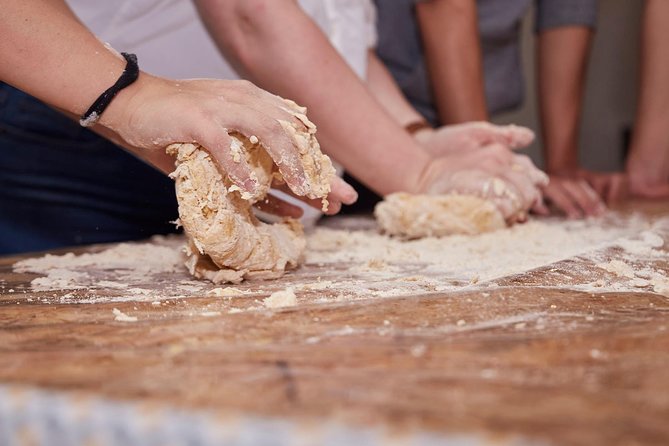
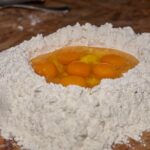
The star skill here is fresh pasta. You’ll learn how to make tagliatelle step-by-step, and you’ll get guidance on technique as you go. This is exactly where a small group pays off: the host can correct your thickness, your cutting, your timing—those are the things that determine whether homemade pasta tastes light and tender or heavy and stubborn.
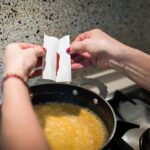
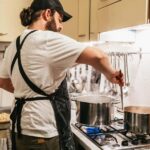
You’ll also learn the ragù concept alongside the pasta. Ragù is one of those sauces where small choices matter: how you build flavor, how you treat the simmer, and when you adjust to taste. Because everything is part of the class menu, you don’t need to translate a recipe from scratch—you get the method you can repeat.
And if you’re thinking, I’ve made pasta at home before, but it never feels like restaurant pasta—this is where you might find a difference. Homemade pasta isn’t just ingredients. It’s hand feel, and it’s rhythm. A good host helps you learn that rhythm fast.
Practical tip for your own night: wear something that can handle flour dust and a little sauce. You’ll move around, roll and cut, and you’ll be happier if you don’t worry about your outfit.
Tiramisù: the dessert lesson that people talk about
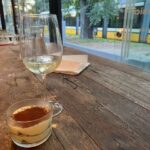
Tiramisù is included, and it’s treated like a real part of the meal—not an afterthought. The class approach helps you understand the logic behind the dessert, from assembling properly to getting the balance right.
There’s a reason tiramisù shows up at so many Italian tables: it’s forgiving, it tastes impressive, and it’s a crowd-pleaser. When you learn it in a home-kitchen setting, you also learn pacing—how quickly to assemble, how long to let it set, and how to taste so it fits your preference.
Also, desserts make the group mood shift in the best way. People often get playful here (yes, even with the bowl), because dessert is the moment you’re not just producing—you’re celebrating the fact that the work is finished.


Welcome aperitivo, wine throughout, and the cozy Milan mood
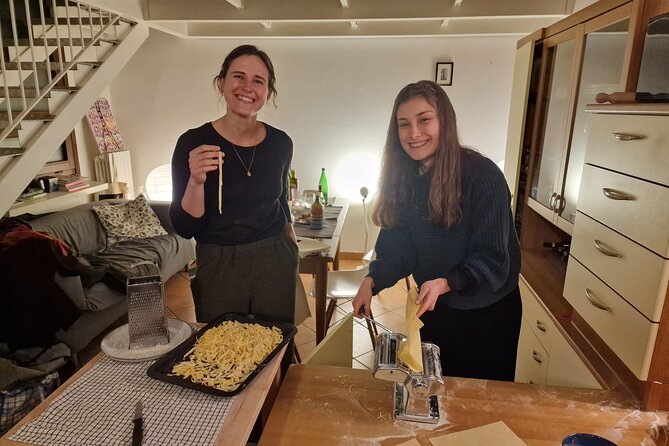
Food classes can become either too formal or too chaotic. This one lands somewhere friendly in the middle.
You get a small welcome aperitivo with Italian products before you cook. Then wine is served during the workshop, and the evening ends with a family-style meal. That flow keeps things comfortable, especially if your day in Milan has been a mix of walking and museums.
Wine also changes how you experience the lesson. When people aren’t stressed about the clock, they learn better. You pay attention to what the host explains, you don’t rush your dough, and you’re more likely to ask questions like, Why is this stage different from what I’ve seen in videos?
If you want a class that feels like Italy rather than a factory-style cooking workshop, this is the format.
Language and teaching: English, Italian, or French support
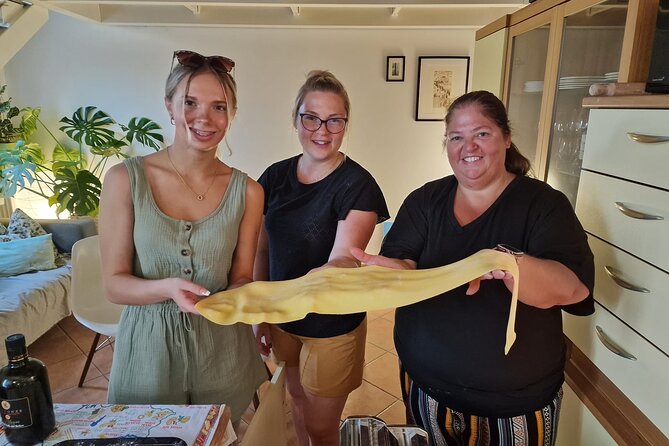
The instructor can work in English, Italian, or French. That’s a big deal for an activity like this, because cooking is full of little instructions. If the host can explain in your language, you’ll spend less time guessing and more time learning the actual technique.
And because the group is limited to 6 participants, your questions are less likely to get lost. This is the difference between being taught and being managed.
Who this class is perfect for (and who should skip it)
This is ideal for you if:
- You want a hands-on food experience in Milan city-center without dealing with restaurant reservations
- You like classic Italian dishes and want repeatable skills (pasta method, sauce logic, dessert assembly)
- You prefer small groups where the host can slow down for your questions
- You enjoy a social dinner format, not a silent cooking lab
It might not be the best fit if:
- You hate being in someone’s apartment (this is truly a home setting)
- You need very scheduled structure and zero flexibility
- You don’t want to find the meeting point yourself (no pickup is included)
If you’re traveling with kids, there are soft drinks for kids listed in what’s included, and the host typically adjusts to mixed groups in a friendly way.
Price and value: does $82 make sense?
At $82 per person for about 3 hours, the value comes from what’s included. You’re getting:
- Ingredients for the main dish (fresh pasta) and the dessert
- Wine served during the workshop
- Aperitivo on arrival
- Water and soft drinks for kids
- A family dinner built around what you cook
- Access to a chef’s apartment in central Milan
When a class includes the food and drinks, the price stops being just “for instruction” and becomes “for the full meal experience.” If you’d otherwise spend on a multi-course dinner plus a drink or two, this can feel like a smarter use of time—because you’re eating, learning, and having a story for the trip, all in one sitting.
The only financial caveat: you may want to plan for special requests. The class notes that special dishes can be arranged on request for a different price.
What to expect at the meeting point (and how to not stress)
You meet at bell “Alegi.” It’s simple, but it does mean you should plan to arrive early enough to locate the spot calmly.
No hotel pickup or drop-off is included, so your best friend here is basic navigation: get your directions saved, and don’t count on last-minute phone signal in a small street. If you’re late, the class flow can be affected, because cooking doesn’t pause politely for late arrivals.
Also, bring an appetite. By the time you sit down to eat your own pasta, you’ll want to be ready for seconds.
The vibe: why people walk away happy
The most praised aspect is the host’s energy—warm, patient, and genuinely engaged. Many people highlight that the teaching feels fun, and that the host keeps everyone included, from the person rolling the dough to the person cutting.
There’s also a strong theme of comfort. People describe feeling at home from the first moments, like they’re being welcomed into Milanese life rather than attending a staged activity.
And the best kind of sign: people don’t just say the food was good. They say the experience was a highlight—because the evening builds from welcome to cooking to eating, with laughter and wine in the right places.
Should you book this Milan cooking class?
Book it if you want a small, hands-on, home-style experience with wine and a real dinner at the end. The combination of fresh pasta technique, classic ragù, tiramisù, and the small group limit makes it a high-success activity—especially if you’re food-minded and you like learning by doing.
Skip it if you want a big-ticket, guide-only sightseeing day, or if you’re the type who gets anxious walking into a private apartment setting. Also think twice if finding the meeting point without pickup will stress you out.
If you like the idea of leaving Milan not just with photos, but with skills you can repeat—this is a strong choice.