REVIEW · MADRID
Madrid: Paella & Tapas Cooking Class and Market Visit
Book on GetYourGuide →Operated by Devour Tours · Bookable on GetYourGuide
Paella you cook beats paella you watch. I love the market visit where you pick real ingredients, and I love the small-group kitchen time where a chef actually corrects your technique as you go. One caution: this isn’t a fit for everyone, since sharp knives and hot stoves mean it’s not suitable for kids under 12, and it also won’t work for people who need wheelchairs or strollers.
What makes this class feel special is the jump from shopping to cooking inside Madrid’s food rhythm. You start with a sweet vermouth aperitivo in a reserved space near the historic Huertas neighborhood, then you move into hands-on tapas (croquetas and patatas bravas) before the main event: authentic paella from Valencia. I also like that it’s led in English and stays in a tight group size, so you get real instruction, not just food and photos.
In This Review
- Key things you’ll love about Madrid’s paella and tapas cooking class
- Why this Madrid paella class feels more real than a performance
- The market visit: where Spanish cooking starts
- Huertas aperitivo: sweet vermouth, cheese, and a Basque-style tapa
- Tapas workshop: croquetas and patatas bravas (with two homemade sauces)
- Paella from Valencia: what makes it authentic
- Lunch you actually sit down to: beer, wine, and market fruit dessert
- Price check: is $112 fair for 3.5 hours of Madrid food?
- Who this paella and tapas class is best for
- Quick tips to make your class smoother
- Should you book this Madrid paella & tapas cooking class?
- FAQ
- How long is the paella and tapas cooking class?
- How big is the group?
- Is hotel pickup included?
- Do you provide vegetarian or non-alcoholic options?
- Is this class suitable for vegans or people with lactose intolerance?
- Is the tour in English?
Key things you’ll love about Madrid’s paella and tapas cooking class
- Historic market ingredient shopping: you walk with a guide, chat with vendors, and build your menu from what’s fresh.
- Vermouth aperitivo like the locals: sweet vermouth is part of the kitchen warm-up, with guidance on how to enjoy it.
- Behind-the-scenes Huertas kitchen time: you cook in a private setup associated with a beloved restaurant area.
- Tapas you can repeat later: croquetas plus patatas bravas with homemade sauces, made with your own hands.
- Paella Valenciana focus: you’ll learn what makes it true paella Valenciana, not just any rice dish.
- Meal + drinks included: you sit down to what you cooked, plus beer or wine and a market dessert.
Why this Madrid paella class feels more real than a performance
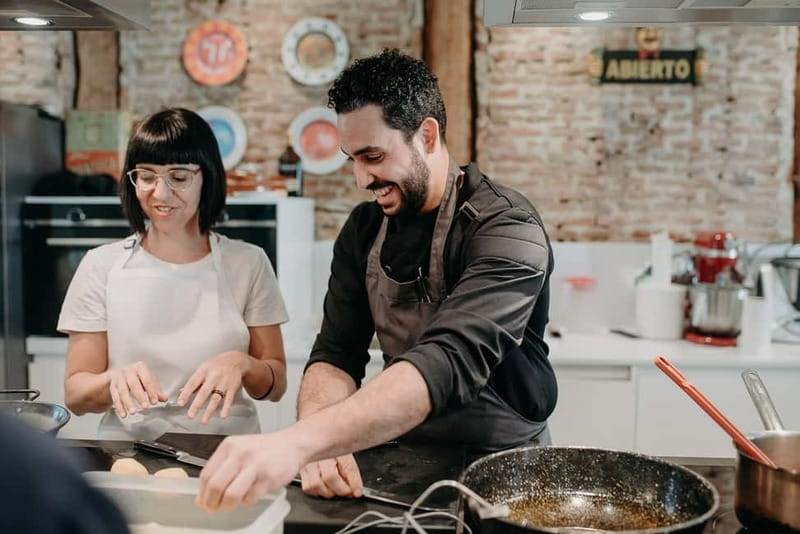
In Madrid, food classes come in two types: the quick show where you watch someone else cook, and the hands-on experience where you learn why each step matters. This one leans hard toward the second type.
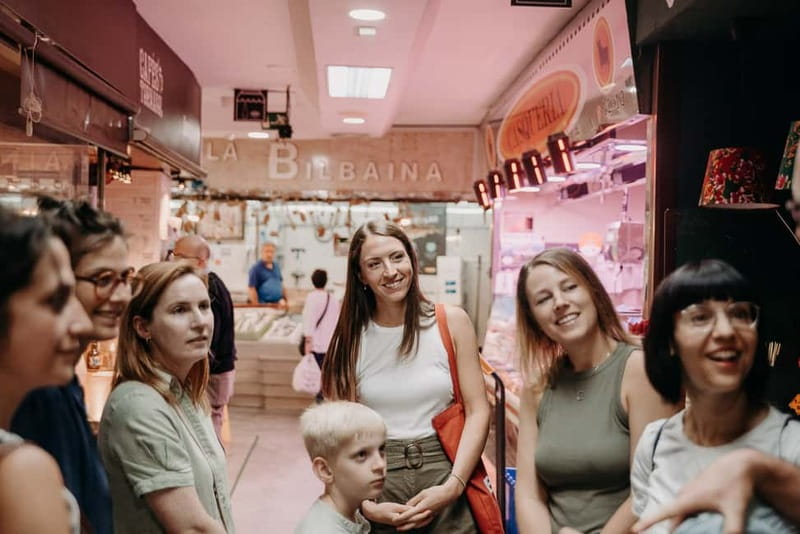
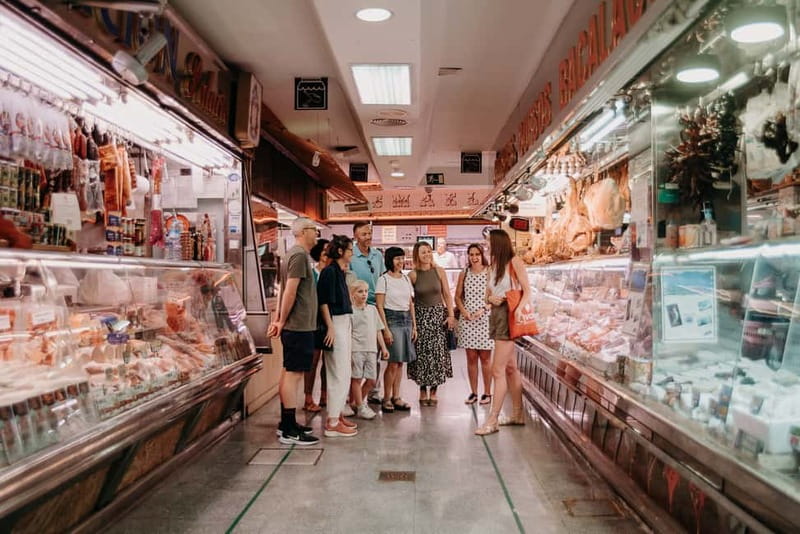
Your market stop sets the tone. Instead of arriving at a kitchen with everything already measured, you see how Spanish cuisine starts at the stall. You’ll talk with people selling quality products and choose ingredients that actually match the dishes you’ll cook later.
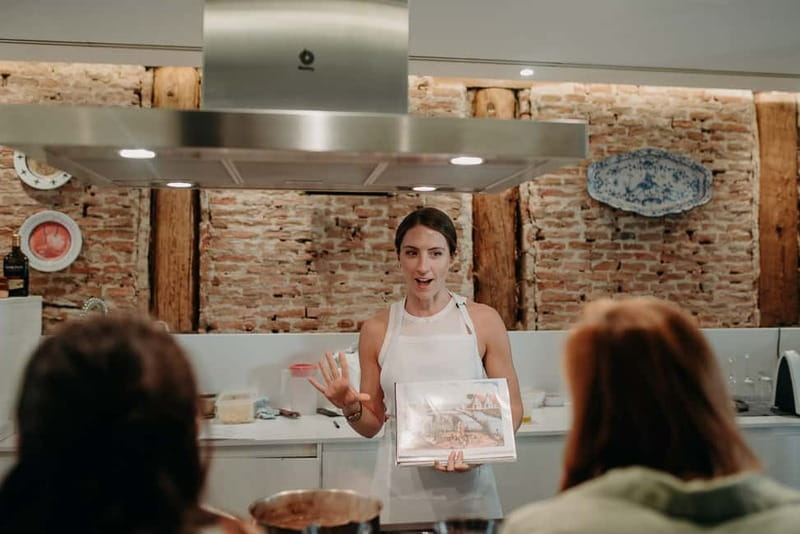
Then the private kitchen turns the day into a mini-lesson you can carry home. The sessions run for about 3.5 hours with a group of 12 people or fewer, so you don’t get stuck waiting your turn. And based on the cooking team you might be paired with (chefs like Dan, Danny, Benny, Daniel, or Arantxa), instruction tends to be friendly and highly hands-on.
You can also read our reviews of more tours and experiences in Madrid.
The market visit: where Spanish cooking starts
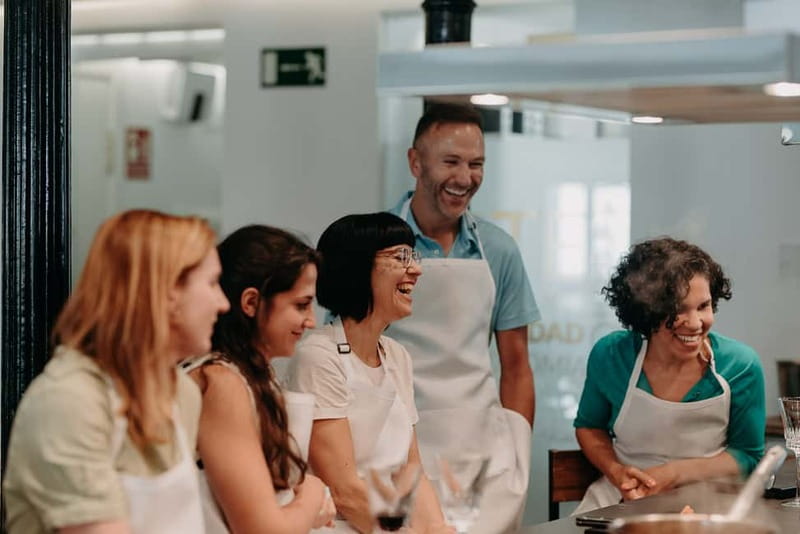
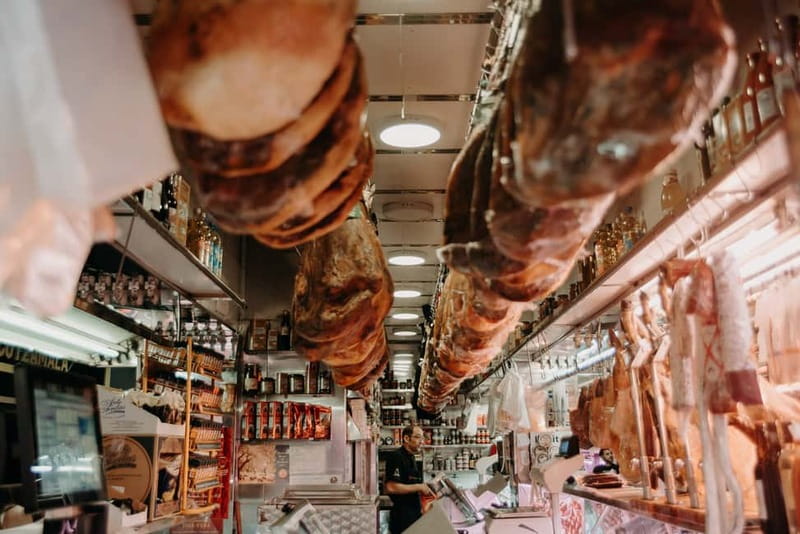
Your day begins near one of Madrid’s historic markets, the kind neighborhood residents have used for generations. The exact meeting point can shift depending on what option you book, but you’ll meet with your English-speaking guide and head inside.
Here’s what you should pay attention to during the market walk:
- You’re looking for the building blocks of Spanish food, not just random items for a recipe.
- Your guide explains what to buy and why it matters for flavor and texture.
- You can ask vendors questions and get a feel for what quality looks like.
This part is valuable because paella and tapas aren’t “mystery magic.” They’re the sum of choices: the right ingredients, the right timing, and the right way to handle them. When you’ve seen the ingredients at the market, the cooking steps make more sense later.
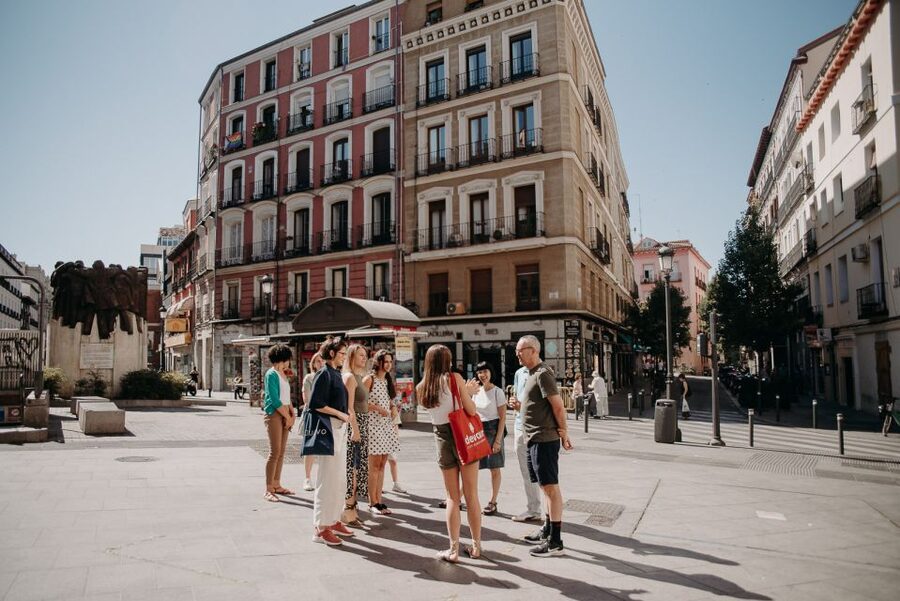
A small practical note: you’ll be doing some walking and standing. Comfortable shoes are a must.
Huertas aperitivo: sweet vermouth, cheese, and a Basque-style tapa
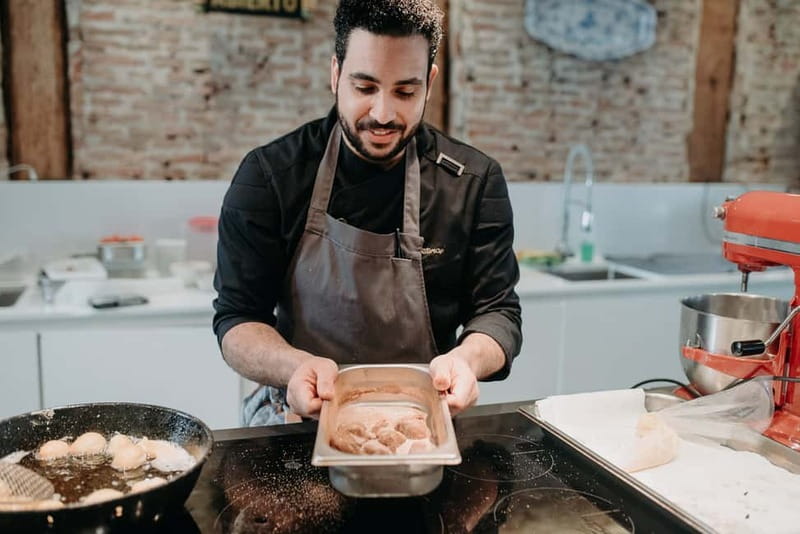
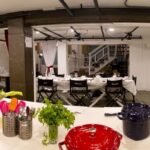
After the market, you go behind the scenes to a cooking space reserved for your small group in the Huertas neighborhood area. This is where the experience shifts from strolling and sampling into real kitchen work.
Before any serious chopping starts, you’ll enjoy a typical aperitivo that includes sweet vermouth in the kitchen. One of the best parts of this is that you’re not just handed a drink. You get direction on how to drink it in a Spanish way and how it fits the meal.
You’ll also assemble an initial plate, including a cheese plate and a traditional Basque-region tapa. This early food moment helps you settle in and gives context for what’s coming next: tapas that aren’t just snacks, but regional styles with technique behind them.
And if you’re wondering whether the drinks are part of the vibe, they tend to be. People describe chefs checking in often and keeping glasses from running empty, which makes the whole thing feel relaxed rather than rushed.
Tapas workshop: croquetas and patatas bravas (with two homemade sauces)
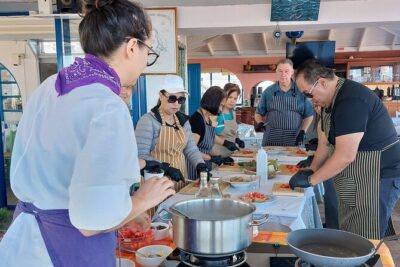
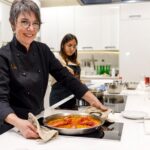
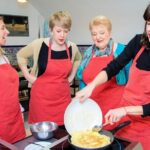
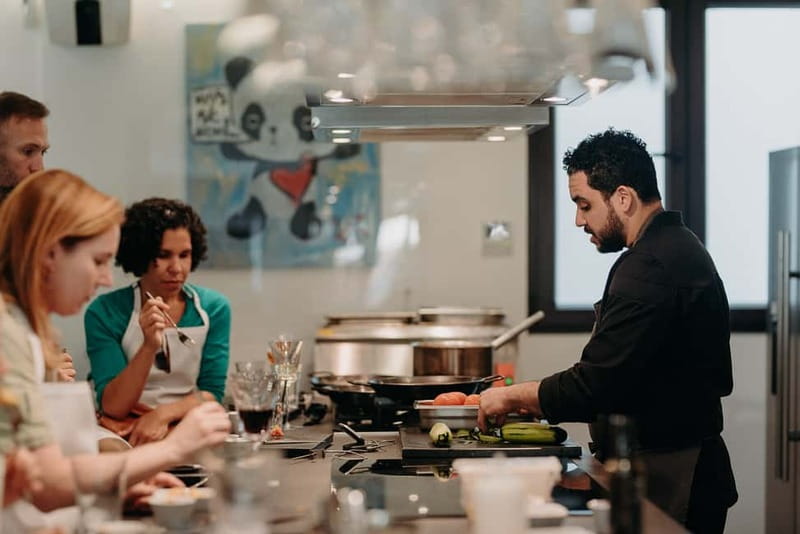
Now the work starts, and this is where the class justifies its price. You’ll work elbow to elbow with your chef and guide, preparing multiple dishes in a guided flow.
The tapas set is built around two Spanish favorites:
- Homemade croquetas
You’ll learn how to build and handle croquetas the Spanish way, which matters because the texture is the whole point. Done right, croquetas feel creamy inside and crisp outside—not gummy, not greasy.
- Patatas bravas with two homemade sauces
You’ll make patatas bravas and prepare sauces from scratch. The “two sauces” detail is important: it gives you more flavor layering than the single-sauce version you see in many casual places.
Between tasting, prepping, and cooking, your guide shares what to look for as things change—color, smell, thickness, and doneness. Even if you’re not a confident cook, the step-by-step instruction helps you understand what you’re doing and why.
If you have dietary needs, note the limits in advance. The experience can be adapted for vegetarians, pescatarians, gluten free (not celiacs), non-alcoholic options, and pregnant women. It is not suitable for vegans, people with gluten intolerance, or people with lactose intolerance. If you have an allergy or a serious dietary restriction, you’ll need to contact the provider so ingredients can be arranged properly.
Paella from Valencia: what makes it authentic
The main course is authentic paella from Valencia. This is the moment most people remember, but it’s also the part where you want to pay attention, because paella is easy to misunderstand.
Your guide explains the history and, more importantly, how to spot true paella Valenciana. That focus matters if you’ve had paella elsewhere and it felt more like a rice casserole. The real version is about technique and balance, not just piling seafood or chicken on rice.
As you cook, you’ll be using your senses in a practical way: you’ll smell ingredients, taste as directed, and handle items that define the dish. That sensory learning is the difference between memorizing a recipe and being able to reproduce the dish later.
You’ll also learn the broader logic of Spanish rice dishes: how the ingredients work together and what to avoid if you want that authentic Valencia feel.
One more detail you might appreciate: some sessions may vary with special menu versions. For example, you might hear about paella styles like gazpacho paella or other additions such as sangria in certain runs. Still, the anchor remains paella Valenciana.
Lunch you actually sit down to: beer, wine, and market fruit dessert
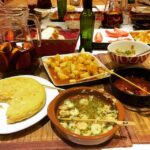
Once your dishes are ready, you sit down and eat what you made. The lunch includes the courses you prepared in class, plus seasonal fruit from the market for dessert.
Drinks are included, and you can choose between beer or wine. This matters because you’re not only cooking; you’re also experiencing how Spanish meals flow from aperitivo into food.
What makes the meal part work well is the pacing. You’re not sprinting from one station to another. You get a proper sit-down lunch, which also helps you compare flavors while everything is still fresh.
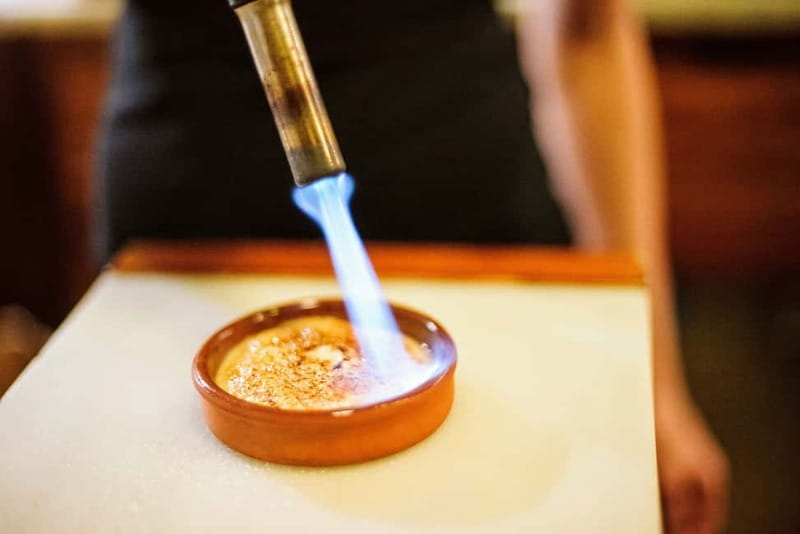
In past sessions, dessert options have included things like crema catalan in some cases, so if you’re a dessert person, ask at booking whether you’ll see seasonal fruit only or if the menu includes a custard-style option.
Price check: is $112 fair for 3.5 hours of Madrid food?
At $112 per person for about 3.5 hours, you’re paying for three things most cheaper food experiences skip:
- Ingredient shopping in a real market with guided help selecting what matters
- Private small-group kitchen instruction (12 or fewer) where you’re not standing around
- Lunch and drinks included, with dishes you cook and then eat
If you compare this to doing a market tour plus taking a separate cooking class, the package becomes easier to justify. The market visit isn’t a quick photo stop—it feeds directly into what you cook. And because it’s a small group, chefs can troubleshoot as you work, which is where the value really is.
Also consider the fact that hotel pickup isn’t included, so you’ll want to plan how you’ll get to the meeting point on time. On the other hand, you save money versus packages that tack on transportation.
Who this paella and tapas class is best for
This is a great fit if you want more than a food stop. It’s best for people who:
- Like learning technique, not just tasting
- Want recipes you can recreate at home
- Enjoy market walking as part of the culinary experience
- Prefer a small group setting rather than a large bus tour
It’s less suitable if you need mobility support (it isn’t suitable for wheelchairs or strollers) or if you’re traveling with children under 12. The kitchen environment includes sharp knives, hot stoves, and high surfaces.
If you’re vegetarian or pescatarian, you’re in luck since the experience is adaptable. If you have lactose intolerance or gluten intolerance, you should skip this one based on the stated limitations, and if you have celiac disease, the gluten-free option is specifically noted as not for celiacs.
Quick tips to make your class smoother
A few practical things I’d do to get the most out of the experience:
- Wear comfortable shoes and plan for walking at the market.
- Come hungry but not stuffed. You’ll be cooking and then eating everything you make.
- Ask about vermouth during the aperitivo portion. If you like it, you’ll leave knowing how to order and enjoy it properly in Madrid.
- Take notes on sauce consistency for the bravas. That’s where people usually get stuck when repeating the recipe later.
- Confirm dietary needs early if you’re allergic. The provider can arrange ingredients when contacted.
Some classes also include take-home instruction materials like a PDF cookbook or detailed notes, which is useful if you want a clean reference after the trip.
Should you book this Madrid paella & tapas cooking class?
I think you should book this if you want an active, small-group food lesson in Madrid—market to kitchen, with paella Valenciana as the main focus. The combination of market shopping, hands-on tapas, and a true paella learning angle makes it more than a meal. You leave with skills, not just memories.
Skip it if you’re traveling with children under 12, need wheelchair or stroller access, or have lactose intolerance or gluten intolerance. If you’re flexible with menu expectations and fit the dietary limits, this is one of the better ways to understand Spanish food without guessing.
FAQ
How long is the paella and tapas cooking class?
The experience runs for about 3.5 hours.
How big is the group?
The cooking class is small group size, with 12 people or fewer.
Is hotel pickup included?
No. Hotel pickup and drop-off are not included.
Do you provide vegetarian or non-alcoholic options?
Yes. The tour is adaptable for vegetarians and for non-alcoholic options.
Is this class suitable for vegans or people with lactose intolerance?
No. It is not suitable for vegans, and it is also not suitable for people with lactose intolerance.
Is the tour in English?
Yes. The live tour guide speaks English.