REVIEW · CRETE
Cooking Lesson in Heraclion
Book on Viator →Operated by Cooking Lessons in Heraclion · Bookable on Viator
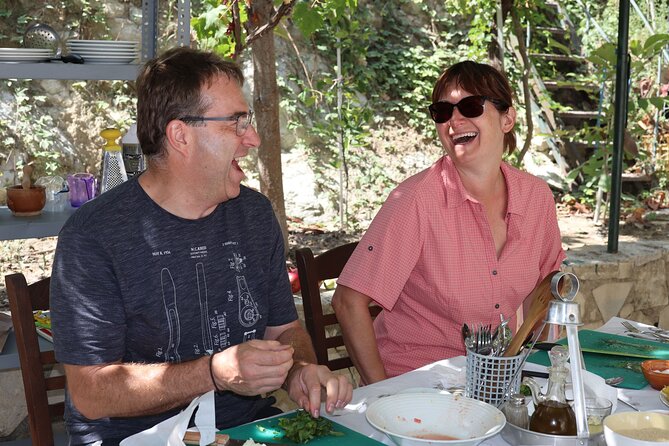
Farm cooking in Crete beats restaurant meals. In Krousonas, Sevi and the Baxes family turn a 4-hour class into a day you can feel: you choose what to cook, tour their farm, harvest fresh produce, and cook under the grapevines.
Two things I love most. First, the small group size (max 8) keeps it interactive. Second, you pick from seasonal menu options, including vegan choices, so the meal doesn’t feel generic.
One drawback to plan for: this is real farm time. You’ll walk, stand, and prep outdoors, so wear comfortable shoes and come ready for a countryside block.
In This Review
- Key highlights you’ll actually care about
- A 4-hour farm cooking class near Heraklion
- Meeting Sevi and choosing your Cretan menu (vegan or not)
- The farm first: feeding goats and sheep, plus extra animal encounters
- Harvesting orchard vegetables: learning while you cut
- Cooking under grapevines: the practical skills you’ll use again
- Eating the meal on the veranda with the real view
- Price and value: what $114.13 gets you
- Who should book this, and who might pass
- Final call: should you book this Krousonas cooking lesson?
- FAQ
- How long is the cooking lesson in Krousonas?
- Is the class taught in English?
- Can I choose vegan dishes?
- How many people are in each group?
- What animals will we see at the farm?
- Do we eat what we cook?
- Is there a mobile ticket?
- Is free cancellation available?
- What should I wear?
Key highlights you’ll actually care about
- Pick your menu from seasonal options, including vegan or non-vegan dishes
- Farm animal time first: goats, sheep, and often chickens and a donkey like Heracles
- Harvest from the orchard before cooking so your ingredients feel truly fresh
- Learn Cretan techniques, not just recipes on a clipboard
- Cook under grapevines with the family-run, country-taverna vibe
- Leave with recipes so you can recreate the dishes back home
A 4-hour farm cooking class near Heraklion
This experience is based in Krousonas, a village in Crete’s inland countryside, not far from Heraklion. In practical terms, that’s a nice sweet spot. You get out of the city, but you’re not locked into an all-day drive.
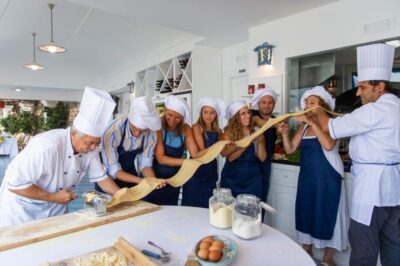
It runs about 4 hours and stays deliberately hands-on. You start with Cretan delights and refreshments, then you choose what you want to cook—either vegan or non-vegan, depending on the season. The whole thing is designed for families too, which shows in the pacing and the fact that children get real roles, not just a seat at the table.
The vibe is calm and homey. You’re working in a family environment, not a big commercial kitchen. That matters, because it’s easier to ask questions and slower, steadier steps feel normal.
You can also read our reviews of more tours and experiences in Crete.

Meeting Sevi and choosing your Cretan menu (vegan or not)
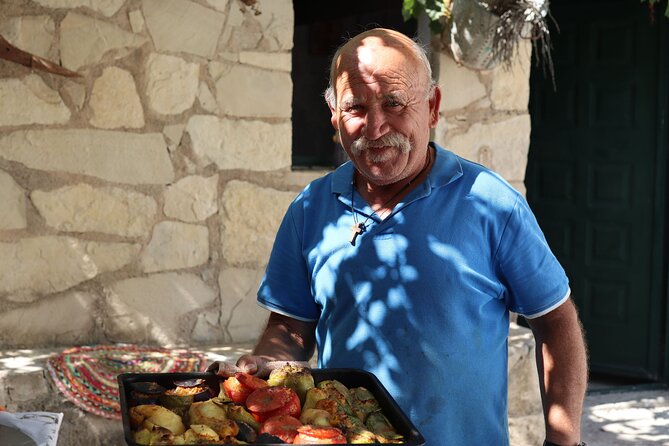
The day begins with a welcome spread—Cretan treats and drinks—before you sit down to plan your meal. This part sounds simple, but it’s one of the biggest reasons the class feels personal.
Here’s how it works: you discuss the menu options and select what you want to prepare from what’s available for the season. Some dishes rotate. That’s also why you’ll see different menus tied to what’s growing and what’s in production.
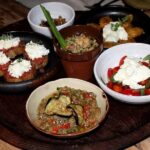
You’ll find a mix of classic Cretan comfort food and more playful, local specialties. Examples from the menu include starters like:
- fried zucchini balls
- tzatziki, the familiar Greek staple done the Cretan way
- fried snails with rosemary and vinegar
Main dishes can include hearty lamb-and-pasta styles like giouvetsi, plus a rice pilaf approach such as gamopilafo (made with boiled goat or lamb and rice). There are also stuffed vegetable dishes like gemista and ntolmadakia (described as a Cretan version of stuffed bites, with herbs and rice).
If you go vegan, the structure stays the same. You still choose dishes, gather produce, and cook them as a team. That’s the key: vegan doesn’t mean a separate, diluted program. It’s still part of the same flow.
The farm first: feeding goats and sheep, plus extra animal encounters
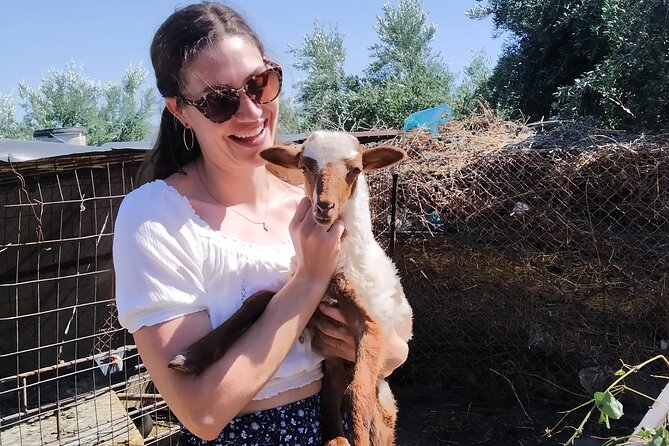
Then you head to the farm. The tour includes animal time with goats and sheep, including feeding. If it’s summer, you may even get the chance to milk the goats—an activity that turns a lesson into a memory fast.
In the way people describe their day, the farm doesn’t stop at the standard barn animals. Some sessions include other friendly sightings like a donkey named Heracles, chickens, and even a goose. Whether you get all of them depends on what’s around that day, but the tone is consistent: you’re meeting animals as part of the family routine.
This matters for two reasons:
- Kids usually connect instantly, because animal feeding is concrete and fun.
- It makes the food feel grounded. You understand where ingredients come from and why certain recipes fit a farm-based lifestyle.
It’s also a helpful pause before you cook. You burn a little energy outside, then come back ready to focus.
Harvesting orchard vegetables: learning while you cut
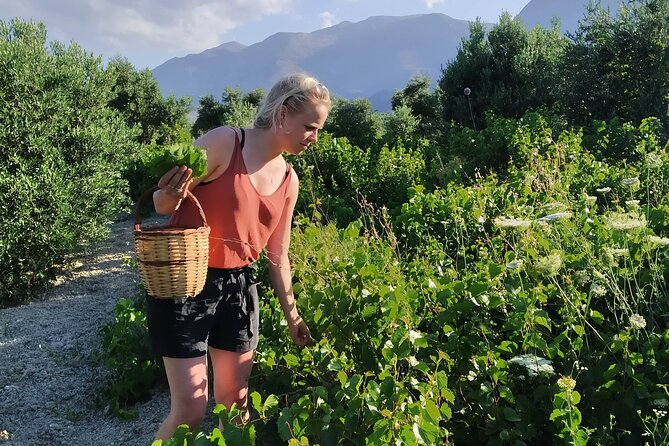
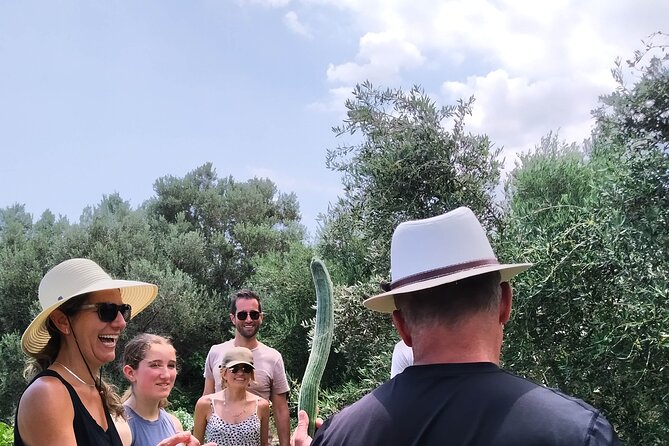
After the farm visit, you head to gather organic vegetables from the orchard. This is where the experience shifts from cooking class to “food education with your hands.”
You’ll have time to explore nature a bit, breathe in the air, and learn information about plants—what you’re picking and why it matters in Cretan cooking. Then you cut and prep fresh vegetables and fruit, which means you’re not relying on ingredients that feel prepackaged.
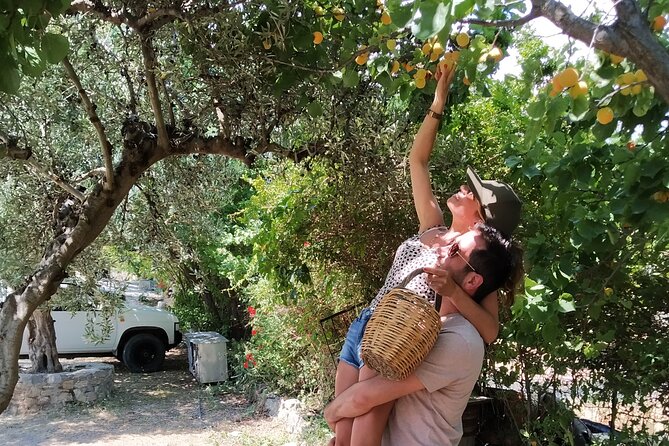
Seasonal produce is the whole point here. If the orchard has herbs, you’ll use them. If there’s fruit or other summer highlights, you’ll likely work with that too. People love this part because you can taste the freshness right away once it hits the pan.
Depending on the season, you might also taste or watch related production, such as cheese. If that happens, it adds a behind-the-scenes layer that helps you connect the meal to what’s happening locally beyond the kitchen.
Cooking under grapevines: the practical skills you’ll use again
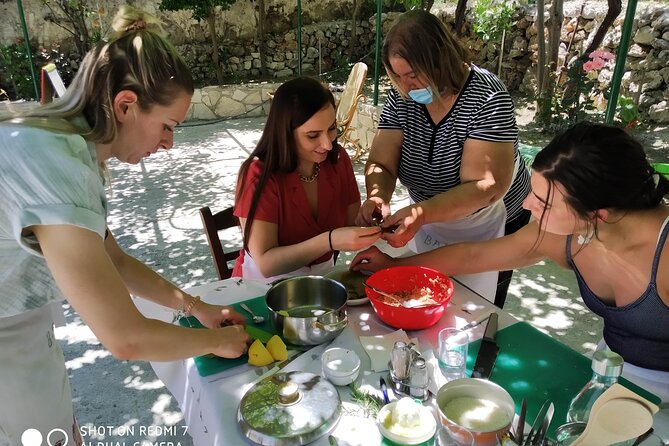
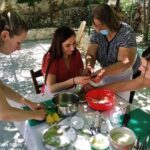
Cooking happens after you’ve chosen your dishes and collected ingredients. The class is paced so you can participate without feeling rushed, and the setting is part of the charm: cooking in the shade of grapevines.
The food you make reflects Cretan flavors, with a strong emphasis on techniques that don’t require fancy equipment:
- Frying and shaping starters like zucchini balls
- Mixing and rolling stuffed vegetable recipes such as gemista and ntolmadakia
- Slow-cooking styles in mains like giouvetsi
- Baking or assembling desserts like loukoumades and rice pudding variations
Desserts show off the island’s sweet traditions. Menu examples include:
- loukoumades, honey dumplings using bio honey
- rice pudding with mastiha and cinnamon
- a version made with goat milk (from their goats), plus mastiha and cinnamon
- must pudding (the must on summer in Crete)
Mastiha is a big “wow” ingredient if you haven’t tasted it before. It’s one of those Crete signals that makes the dessert feel local, not just Greek-in-general.
You’ll also get recipes to take home. That’s huge if you want to recreate the dishes instead of just remembering what they tasted like. And from how people describe the teaching, the instructions feel straightforward and timed well—especially for groups that include kids.
Eating the meal on the veranda with the real view
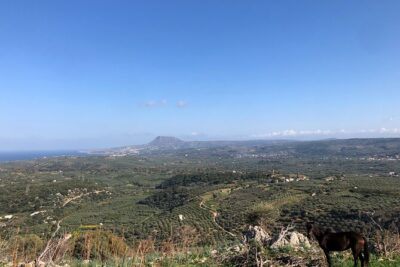
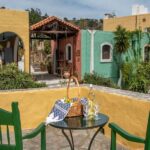
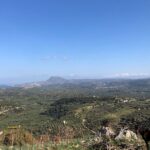
Once the cooking is done, you eat. Not in a cafeteria. Not under fluorescent lights. The group shares the meal in a veranda setting with impressive countryside views.
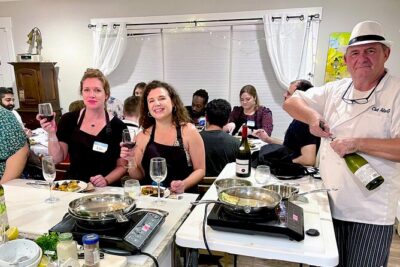
This part matters more than you’d think. A lot of cooking classes end with a plate and a thumbs-up. Here, it’s a slower, family-table moment. You taste what you cooked while the setting keeps everything relaxed.
People also mention wine as part of the experience, and that it’s delicious. Even if you’re not a wine person, the idea is clear: the meal isn’t just food. It’s the Cretan rhythm of eating with someone who cares about how it all comes together.
And because you made the choices, you’re eating food you picked yourself—whether it’s something familiar like tzatziki, or something bolder like fried snails.
Price and value: what $114.13 gets you
At $114.13 per person, you’re paying for more than a cooking lesson. You’re paying for a full, farm-based food day:
- welcome refreshments at the start
- farm time with animals (goats and sheep, plus extras like donkey/chickens depending on the day)
- orchard harvesting of organic produce
- cooking instruction for a multi-course meal
- the meal you prepare, served in a scenic veranda setting
- recipes to recreate the dishes later
Is it cheap? No. But it’s not inflated either for what you actually do. A lot of classes around the Mediterranean focus only on cooking. Here, you also learn where ingredients come from and why the menu matches the season.
The small group size (max 8) also protects the value. You’re not stuck watching from a corner. You’re making things.
Who should book this, and who might pass
This is a great fit if you want:
- a family-friendly day with real participation
- a hands-on lesson that includes farm time and ingredient picking
- the chance to cook Cretan dishes beyond the standard Greek-tour list
- vegan flexibility through the menu choice (when available in season)
It might be less ideal if you’re looking for:
- a short, city-only activity with minimal walking
- a hands-off cooking demo
- zero outdoor time or zero farm contact
Also, consider your comfort level with a 4-hour block outdoors plus cooking steps. The day is active, even though it stays friendly.
Final call: should you book this Krousonas cooking lesson?
I’d book it if you want a Cretan day that goes past food. The farm visit, the orchard harvest, and the grapevines cooking setting all work together. You leave with dinner and the practical ability to cook parts of it again later thanks to recipes.
I’d think twice only if you strongly prefer indoor, fast-paced experiences or you don’t like standing/walking outdoors. Otherwise, this feels like solid value: small group, real ingredients, real family teaching, and a meal you helped create.
If you’re in Heraklion and want one standout food experience that feels local, this is a very smart use of time.
FAQ
How long is the cooking lesson in Krousonas?
It lasts about 4 hours (approx.).
Is the class taught in English?
Yes, the experience is offered in English.
Can I choose vegan dishes?
Yes. You can choose from seasonal menu options, including vegan and non-vegan choices.
How many people are in each group?
The maximum group size is 8 travelers.
What animals will we see at the farm?
You’ll visit the farm to feed goats and sheep. Some people also mention seeing other animals like a donkey (often called Heracles), chickens, and a goose.
Do we eat what we cook?
Yes. After cooking, you enjoy the meal together on the veranda with the view.
Is there a mobile ticket?
Yes, the experience includes a mobile ticket.
Is free cancellation available?
Yes. You can cancel for a full refund up to 24 hours in advance.
What should I wear?
Wear comfortable shoes and clothes, since you’ll spend time outdoors during the farm and vegetable-collecting parts of the day.