REVIEW · CRETE
Chania: Authentic Cooking Class in the White Mountains
Book on GetYourGuide →Operated by GS tours · Bookable on GetYourGuide
Cook Crete in the White Mountains. This Chania cooking class mixes a hands-on Cretan meal with a mountain-side farm setting, where you’ll learn why the Mediterranean diet works so well in real life. I especially like how the day is led by English-speaking guides such as Alex, with Maria running the cooking with the kind of calm focus that makes beginners feel at ease.
I also love that you don’t just eat Cretan food—you help make it, starting with garden herbs and ending with shared wine, cheese, and ntakos and tzatziki at the table. One thing to plan for: this runs long, and you may not be back until late (one group reported returning after 11pm), so don’t book anything stressful right afterward.
In This Review
- Key things I’d prioritize
- White Mountains set-up: A Chania cooking class that starts with views
- Meet the people: Guides like Alex, Costas, and Giannis, plus Maria in the kitchen
- Garden herbs walk: Learning the Mediterranean diet by using it
- From olive harvesting stories to shepherd views
- Hands-on cooking: Making ntakos and tzatziki, not just tasting
- Why ntakos is a highlight
- Why tzatziki feels like a skill, not a snack
- Cheese and wine tasting that actually supports the meal
- Dinner under the stars (and a slow, satisfying finish)
- Price and value: What $129 gets you (and what it doesn’t)
- Who this Chania cooking class suits best
- Should you book? My honest take
- FAQ
- How long is the cooking class?
- Is pickup and drop-off included?
- What language is the class taught in?
- Is it a small group?
- What food and drink are included?
- What dishes will we make?
- What should I bring?
- Does the price include transportation?
- What happens after the class ends?
- Is there free cancellation?
- Can I pay later?
Key things I’d prioritize
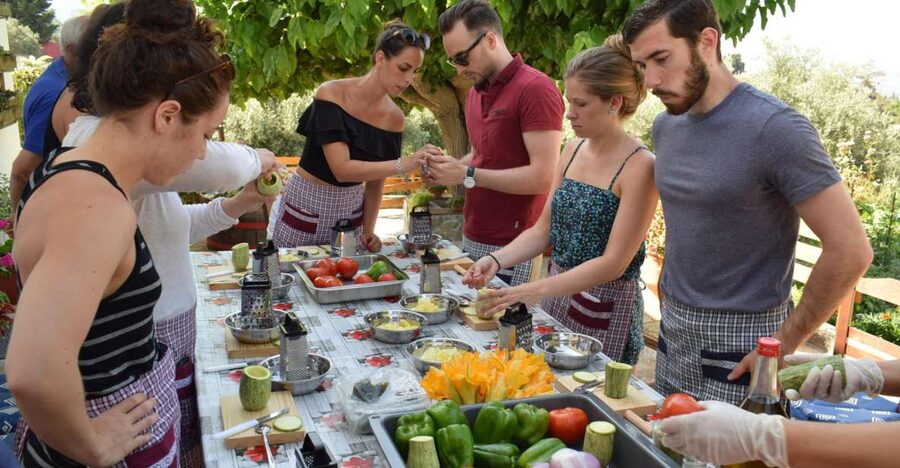
- Small-group cooking with real hosts: You cook in a family-run home and eat what you make.
- Guides who connect the dots: Storytelling links olive oil, herbs, and dishes in a way that actually sticks.
- Garden-to-table teaching: You’ll walk a vegetable garden and use what you see for your meal.
- Hands-on appetizers: You’ll make classic Cretan starters like ntakos and tzatziki, not just taste them.
- Wine and cheese at the right moments: Cretan cheese and wine tasting support the food, not distract from it.
White Mountains set-up: A Chania cooking class that starts with views
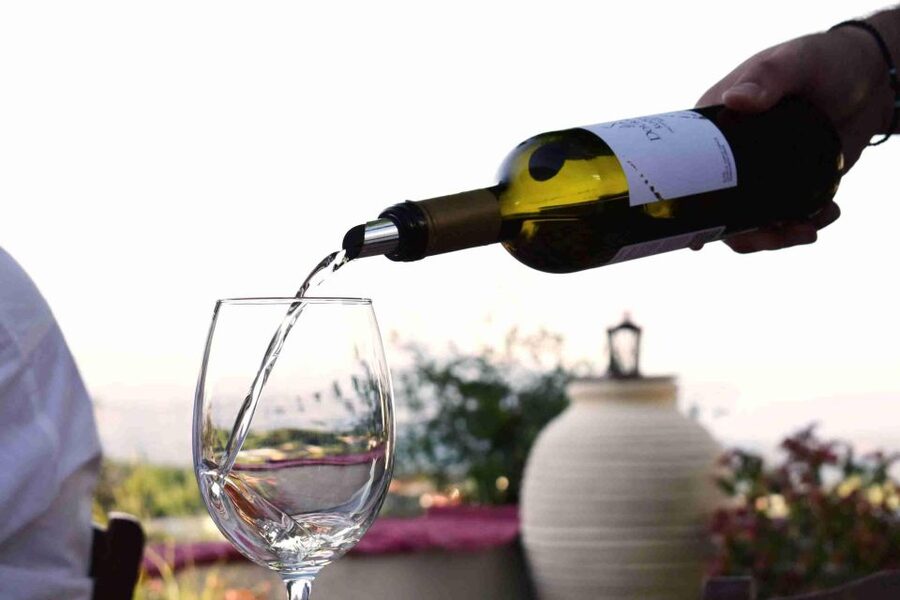
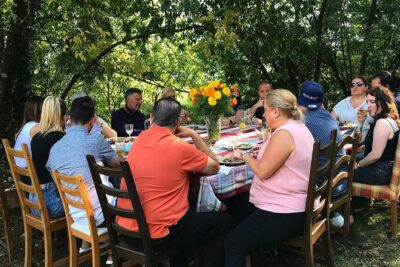
This is a Chania area experience that heads toward the White Mountains. The setting matters. You’ll trade the usual sightseeing shuffle for a slower rhythm: pickup, short orientation, then a farm day where the scenery is part of the lesson. Many people come for the food, but what they remember most is the setting—mountain air, open views, and a family home feel.
You also get proper transport support: you’re picked up within the Chania region and moved around by air-conditioned minivan. That’s a big deal here because this is not “walk two streets and you’re there.” Comfortable shoes and a jacket matter more than you might think, especially if you’re traveling in shoulder season.
The class runs about 6 hours, but expect it to feel full. If you like early dinners and early nights, make peace with a later return.
You can also read our reviews of more tours and experiences in Crete.
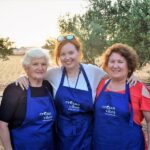
Meet the people: Guides like Alex, Costas, and Giannis, plus Maria in the kitchen
The day works because it has a team behind it. You’re met by a local English-speaking guide—names you’ll hear include Alex, Costas, Giannis, and Costa (they rotate by date). The guide keeps things moving and explains the meaning behind the dishes: why olive oil is everywhere, how herbs show up in sauces and salads, and how family stories connect food to place.
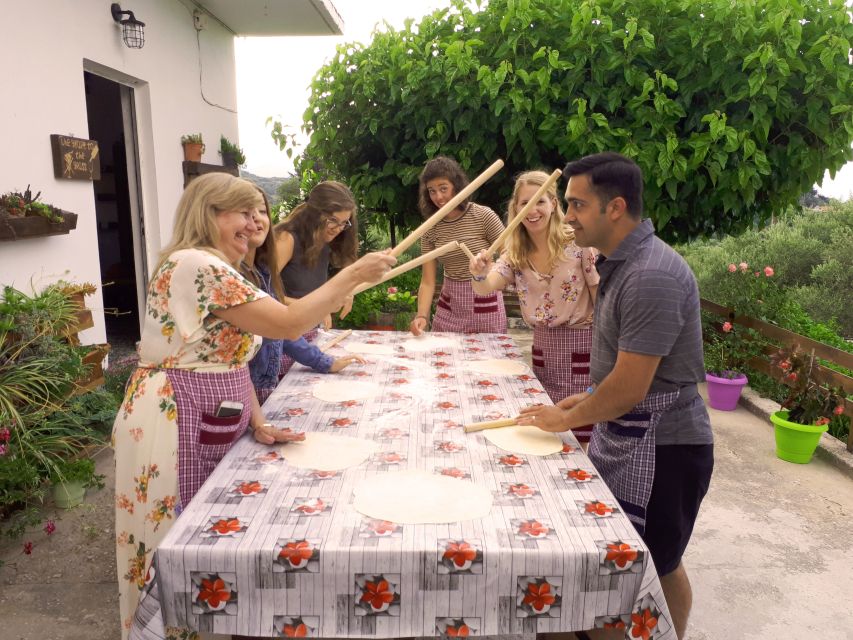
Then you meet the kitchen lead—often Maria in the cooking role. She teaches the cooking steps in a way that helps you follow along without fear. A big plus: you’re not stuck watching from the side. You’re guided while you chop, mix, assemble, and taste.
And yes, the hosts are part of the magic. Multiple people describe being welcomed into a restored traditional property with old family photos and a warm, practical hospitality. This is the type of day where you’re not treated like a passing customer. It’s more like joining dinner with people who care about what they serve.
Garden herbs walk: Learning the Mediterranean diet by using it
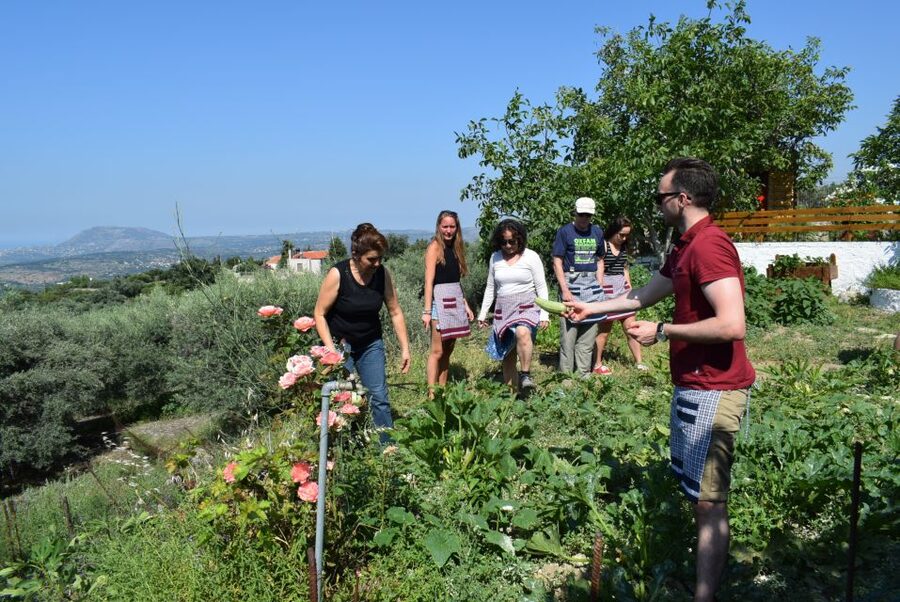
Before you cook, you’ll walk a vegetable garden and learn about the herbs and produce grown on-site. This isn’t a staged photo stop. The idea is simple: see the ingredients where they come from, then use them immediately in your cooking.
This is where the Mediterranean diet lessons start to make sense. In Crete, olive oil and herbs aren’t a “healthy lifestyle concept.” They’re the working tools of the kitchen. You’ll hear (and taste) how extra virgin olive oil changes flavor, how aromatic herbs build depth, and why freshness matters even more when recipes are simple.
Expect the garden stop to be your mental warm-up. You’ll get oriented on what you’ll likely cook, and you’ll understand why the later steps feel logical instead of random.
Practical tip: wear comfortable shoes. Even on a “gentle” garden stroll, the ground can be uneven. Sunglasses help too if you’re going in sunnier months.
From olive harvesting stories to shepherd views
After the garden, you head out on a scenic mountain walk toward a shepherd enclave. The point isn’t extreme hiking. It’s the connection: olive harvesting and shepherd traditions explain why Cretan food tastes the way it does.
This is where the guide’s storytelling earns its keep. You’ll hear the origins and cultural backdrop behind dishes, especially the role of olives and olive products over time. It also helps you appreciate the “why” behind ingredients you might otherwise treat as background flavor.
One more reason this walk is memorable: many people mention feeding farm animals along the way. The experience can include sheep or goats, depending on the day and the family’s routine. Either way, it’s a hands-on moment that makes the farm setting feel alive, not just decorative.
Bring a jacket if the day turns breezy. Mountain wind can make shade feel cooler than you expect.
Hands-on cooking: Making ntakos and tzatziki, not just tasting
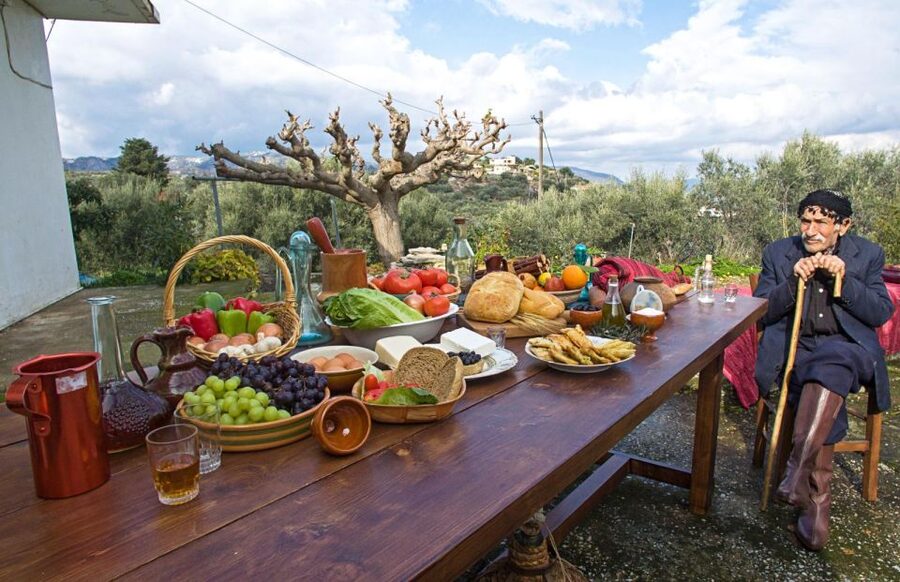
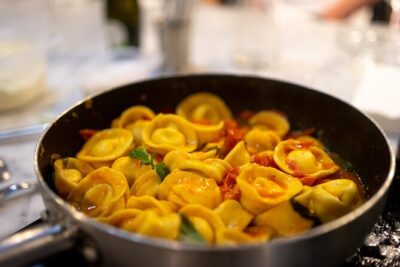
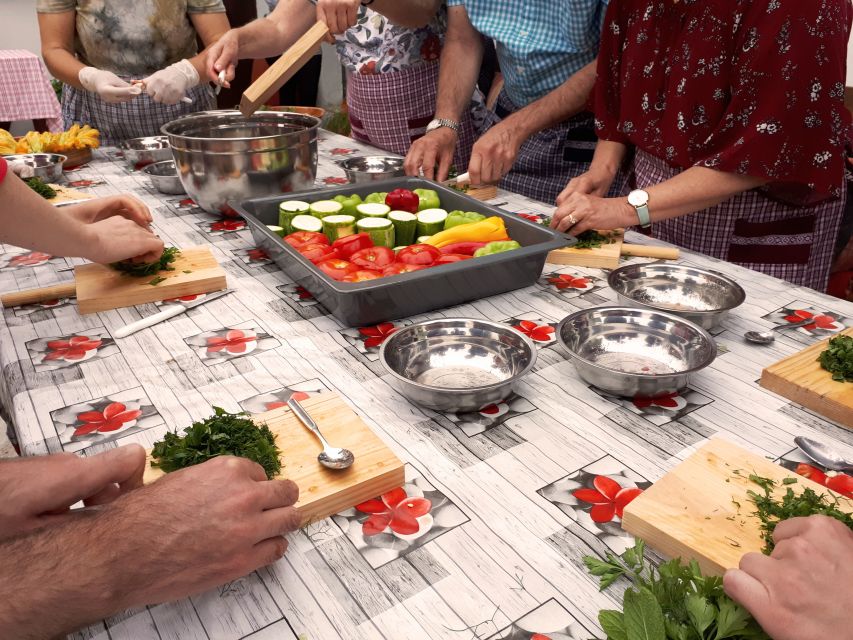
The cooking part is built around participation. You’re given an apron and utensils, and you’ll be guided while you prepare traditional dishes. The clearest anchor here: you’ll make appetizers such as ntakos and tzatziki.
Why ntakos is a highlight
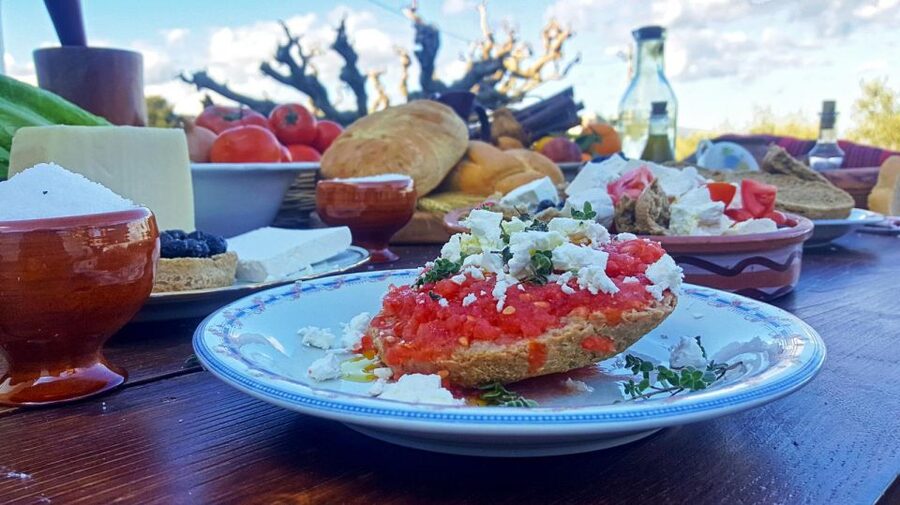
Ntakos is one of those foods that teaches you Cretan thinking: use simple components, then focus on texture and timing. Expect to assemble and work out how soaked elements should feel, and how toppings bring everything together.
Why tzatziki feels like a skill, not a snack
Tzatziki can look easy until you try making it. In a good class, you learn what “balance” means—yogurt thickness, cucumber flavor, garlic intensity, and the role of olive oil and herbs. In this setting, the instruction comes with context, because you’re cooking as part of a full meal, not as a separate demo.
A big practical benefit: you won’t just learn steps—you’ll learn how to repeat them. That matters if you want to recreate the flavor at home instead of remembering the taste only.
Cheese and wine tasting that actually supports the meal
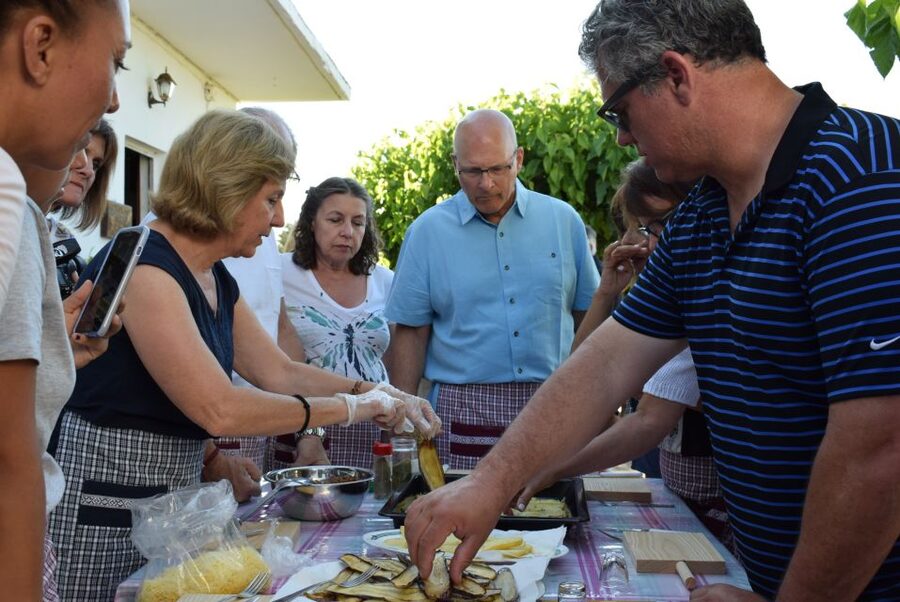
Before dinner, you’ll taste Cretan cheese and wine. This isn’t filler. It sets up the flavors you’ll cook and eat later. You’ll also get a better sense of what the region produces and why pairing feels natural.
Many people mention a friendly, relaxed pace during the tasting, with conversation that helps you understand the food stories instead of just collecting facts. If you’re the type who likes to learn while you eat, this part is a good match.
Then comes dinner—paired with regional wines. You’ll sit down as a group and enjoy the meal you helped create, often described as a warm family-style banquet rather than a formal restaurant service.
Dinner under the stars (and a slow, satisfying finish)
The dinner itself is the payoff. You’ll eat what you cooked, supported by additional Cretan dishes and regional wine. People describe menus that include slow-cooked meats (one example mentioned slow cooked pork), which fits the Cretan approach: hearty flavors balanced by olive oil, herbs, and fresh produce.
There’s also a sustainability note worth appreciating. Some people mention leftover food being handled thoughtfully rather than wasted. That’s the kind of practical care you notice more in small family-run settings.
Then the day ends with dessert—traditional jar desserts. The sweet finish is the right tempo shift after savory cooking and wine. It’s also an easy way to remember you’re not just learning technique; you’re learning a full meal rhythm.
Price and value: What $129 gets you (and what it doesn’t)
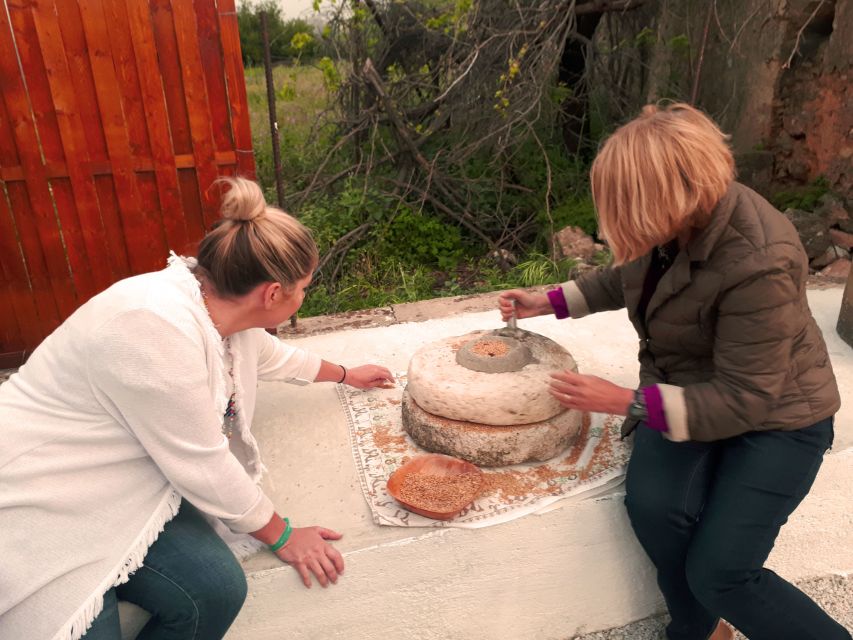
At $129 per person for around 6 hours, this isn’t a budget snack class. But it can feel like good value because so much is included:
- Pickup and drop-off in the Chania region
- Air-conditioned minivan transport
- A small group cooking class and meal
- All ingredients plus apron and cooking utensils
- Wine and food tasting
- Commemorative gifts
- Recipes and photos sent by email
When you factor those in, you’re paying for more than cooking instruction. You’re paying for access: the family farm setting, the teaching, and the meal experience that wraps everything together.
What it doesn’t give you is a quick hit. This is a proper afternoon/evening. If you only have half a day, or you hate late returns, you’ll feel that trade-off.
Who this Chania cooking class suits best
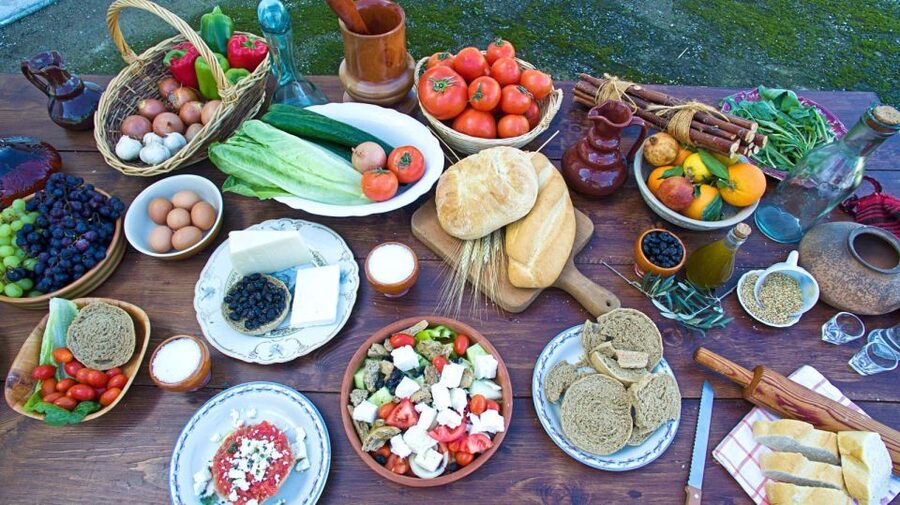
This works best if you want your food experience to include context and people, not just recipes.
You’ll probably love it if you:
- Enjoy hands-on cooking and want to leave with technique you can repeat.
- Like learning the “why” behind ingredients—especially olive oil and herbs.
- Prefer a small group social meal, including solo travelers who often feel comfortable because the group sits and eats together.
You might want to skip it if you:
- Want a strictly indoor, low-movement experience.
- Have a schedule that can’t handle a late return.
- Get overwhelmed by outdoor walking in uneven farm terrain.
Should you book? My honest take
I’d book this if you’re in the Chania area and want a memorable Cretan dinner that starts before the food hits the table. The strongest reasons are practical: you walk through the ingredient world, cook real dishes like ntakos and tzatziki, and then eat with local wine and cheese in a family setting.
Before you go, pack smart:
- Wear comfortable shoes.
- Bring sunglasses and a jacket for mountain air.
- If you’re the kind who likes a drink on hand, consider bringing a water bottle, since some people note there isn’t much water available until later.
If you’re ready for a full, flavorful day—and you don’t mind finishing late—this is one of the best ways to spend time around Chania that feels like living the culture, not just watching it.
FAQ
How long is the cooking class?
The experience lasts 6 hours.
Is pickup and drop-off included?
Yes. Pickup and drop-off are included from specific locations within the Chania region.
What language is the class taught in?
The cooking class instruction is in English.
Is it a small group?
Yes. It’s described as a small group cooking class and meal.
What food and drink are included?
You’ll have wine and food tasting, sample Cretan cheese and wine, and then enjoy a dinner that includes what you helped prepare.
What dishes will we make?
The experience includes preparing traditional Cretan dishes such as ntakos and tzatziki.
What should I bring?
Bring comfortable shoes, sunglasses, and a jacket.
Does the price include transportation?
Yes. Transportation is provided by air-conditioned minivan along with pickup and drop-off.
What happens after the class ends?
You receive recipes and photos of your experience sent by email, plus commemorative gifts.
Is there free cancellation?
Yes. You can cancel up to 24 hours in advance for a full refund.
Can I pay later?
Yes. The option includes reserve now & pay later, so you can book your spot and pay nothing today.