REVIEW · CRETE
Heraklion: Cretan private cooking lesson with lunch in Arolithos
Book on Viator →Operated by Museum of Local Art and Agricultural History · Bookable on Viator
Cooking in Crete feels more meaningful when the day starts in a real village. This private class in Arolithos Traditional Cretan Village pairs a museum-and-homes walk with hands-on cooking, so you learn by doing, not just watching. I especially like the built-in focus on classic Cretan flavors (vine leaves, tzatziki, ntakos, and cheese pies), plus lunch in a taverna with big views. One thing to plan for: private transportation isn’t included, and the start time is 12:30 pm.
You’ll move through small streets, see a museum connected to local agricultural life, then head into the taverna to cook several dishes together before eating what you make. If you have allergies or special dietary needs, you should tell the team beforehand so they can adapt the menu. It’s a great fit for couples and families who want a quieter, more local Heraklion experience than another restaurant stop.
In This Review
- Key highlights to look for
- Arolithos Traditional Cretan Village: the setting that teaches you how people lived
- Museum of Local Art and Agricultural History: see the farming side of food
- Hands-on cooking: a menu built around Cretan everyday favorites
- Starters and meze you can actually recreate at home
- Main courses: pork with wine notes and lamb with green beans
- Dessert: sour cheese pies you’ll want to practice
- Lunch in the taverna: panoramic views plus local wine
- Private and practical: who this Heraklion-area class suits best
- Price and value: what $132.32 covers in real terms
- Timing and weather: the small details that affect your day
- Should you book the Arolithos private cooking lesson with lunch?
- FAQ
- How long is the cooking lesson in Arolithos?
- What time does the tour start?
- Is this tour private?
- What’s included in the price?
- What dishes are on the sample menu?
- Can the menu be adapted for allergies or dietary needs?
- Where is the meeting point, and does it end there?
- What if I need to cancel or the weather is poor?
Key highlights to look for
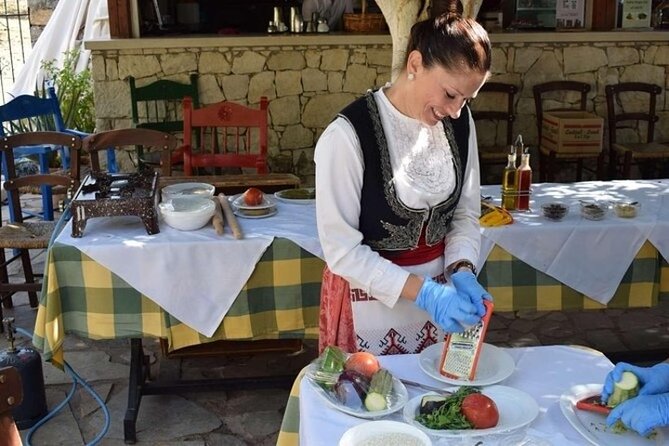
- Arolithos village walk first: small lanes, a museum, and two old houses that help set the scene before you cook
- Real hands-on menu: you’ll make multiple dishes, not just one recipe
- Taverna lunch with local wine: includes wine and mineral water as part of the meal
- Panoramic view while you eat: you’ll dine with a view over the nearby valley and toward Heraklion City
- Family-style cultural details: the day connects old objects and daily food habits
Arolithos Traditional Cretan Village: the setting that teaches you how people lived
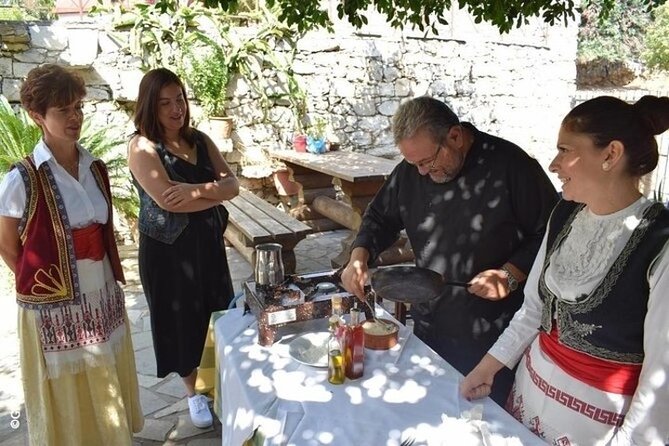
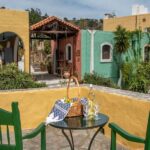
The big difference here is that the lesson doesn’t start in a kitchen. You begin at Arolithos Traditional Cretan Village, then slowly work your way through the place like you’re meeting the village before you cook with it.
Expect a walk through the little streets and a visit to the museum, where you’ll see an exhibition from a familial collection of old objects. That matters because Cretan food isn’t just recipes. It’s tied to tools, seasonal habits, and the kind of everyday practicality you can feel when you look at older homes and household items.
You’ll also visit two old houses. Think of this as learning the background atmosphere: what used to be normal, how people organized space, and why certain cooking methods and foods made sense over time. If you’re the type who likes context, this part turns dinner into a story you’ll remember.
A practical note: since this starts at 12:30 pm, plan to have your morning flexible. If your day is packed with museums and beaches in Heraklion, this one can feel like a reset—nice if you want a break, but annoying if you were hoping for a super tight schedule.
You can also read our reviews of more tours and experiences in Crete.

Museum of Local Art and Agricultural History: see the farming side of food
After the village lanes, you’ll spend time at the museum: Local Art and Agricultural History. From what’s described, the museum looks at local life through old objects and agricultural themes, which connects directly to the ingredients used in Cretan cooking.
This is a smart way to make the lesson feel less generic. You’re not simply learning how to make a dish; you’re seeing the kind of world that produced the ingredients and habits behind it. Even if your Greek is limited, you can still follow the cues just by looking at what’s displayed and how the day is framed.
In one recent experience, the overall flow (museum plus traditional homes) helped the group feel like they understood the culture first, then cooked with better appreciation. That’s the main value of this stop. It’s not a quick photo break—it’s part of the learning rhythm.
Hands-on cooking: a menu built around Cretan everyday favorites
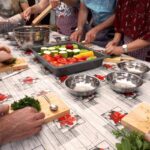
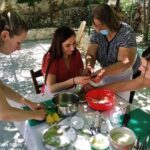
Once you’re done with the village and museum, the day shifts from looking to making. You’ll go to the taverna and prepare together several recipes that fit into the weekly rhythm of Cretan eating.
Starters and meze you can actually recreate at home
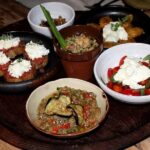
You’ll work on dishes like stuffed vine leaves and tzatziki. Stuffed vine leaves are classic Cretan comfort food—tangy, herby, and great for learning balance. Tzatziki is the clean, cooling counterpoint, with yogurt, cucumber, garlic, olive oil, salt, and vinegar. Even if you don’t cook often, these are approachable steps where you can feel your technique improving fast.
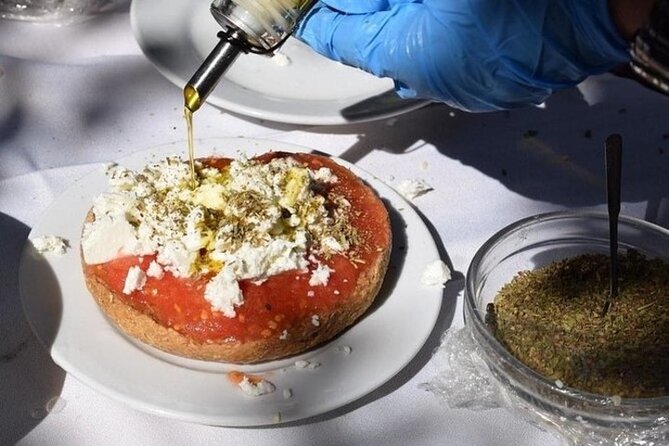
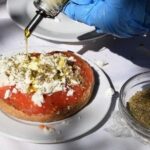
You’ll also make ntakos-related food, listed as Kritharokouloura–Ntakos. The version described includes rusk barley with tomato, olive oil, and feta cheese. It’s the kind of dish where good ingredients matter more than complicated steps, so you’ll understand how Cretans lean on simple combinations.
Another starter/meze listed is mpekri meze, with a pork preparation described as pork with onions, olive oil, pepper, and wine. This gives you practice with flavor-building beyond just herbs and salt.
Main courses: pork with wine notes and lamb with green beans
The menu includes two main directions in what’s described: pork and lamb. For the lamb main, you’ll prepare lamb in red sauce with green beans, described again as lamb with tomato sauce, wine, and green beans. The key lesson here is how tomato and wine work together to create a sauce that feels full-bodied without needing fancy tricks.
If you’re worried about whether you’ll get good results, don’t overthink it. The structure is built for group cooking with ingredients and equipment provided, so you’re participating rather than improvising in an unfamiliar kitchen.
Dessert: sour cheese pies you’ll want to practice
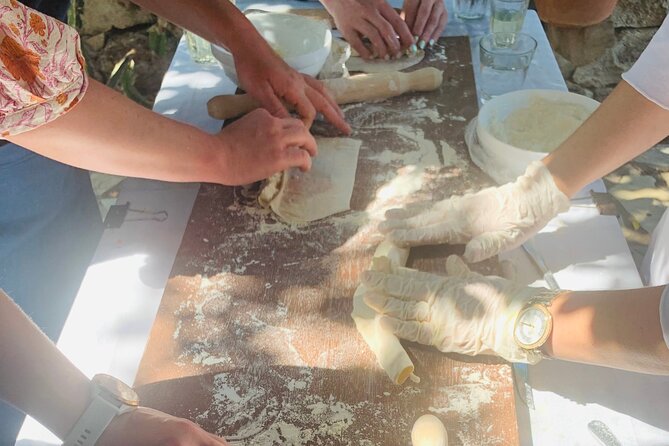
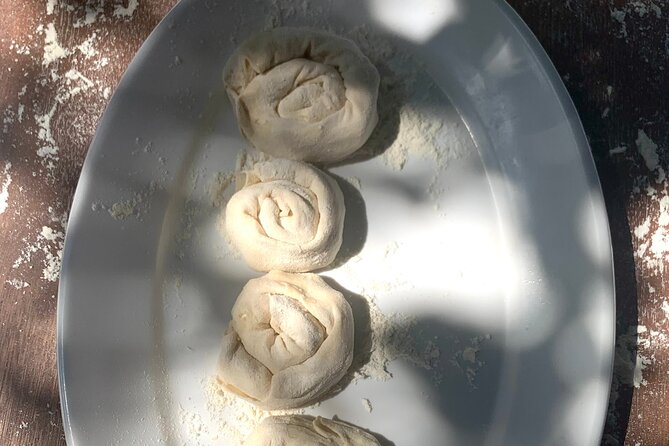
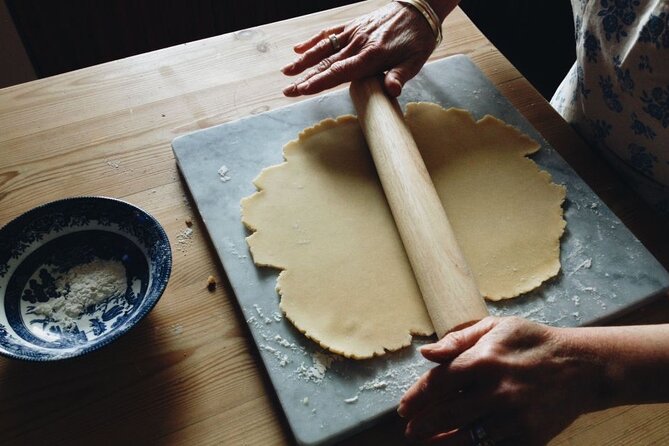
For dessert, you’ll make Sarikopites, meaning sour cheese pies. The description notes dough with cheese and honey. This is a fun ending because it’s not just a sweet bite—it’s a Cretan-style combination that feels both rustic and satisfying.
One thing I like about a menu like this: it gives you a spread of skills. You learn shaping (vine leaves), mixing (tzatziki), building flavors (meze and sauces), and then finishing (cheese pie). You’ll leave with multiple recipes to use, not just one.
Lunch in the taverna: panoramic views plus local wine
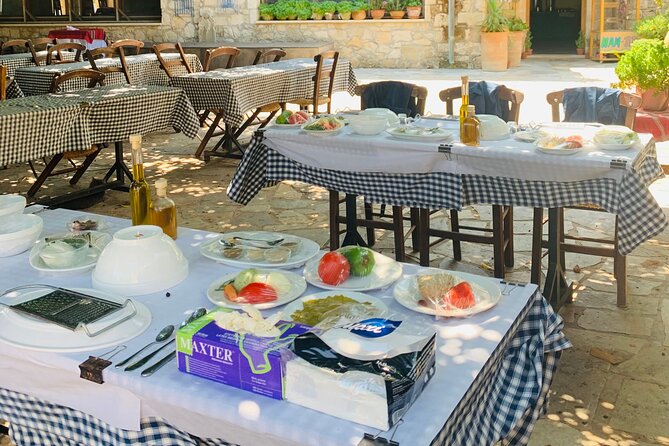
After cooking, you get to eat what you made. That sounds simple, but it’s the part that turns instruction into memory. Since all ingredients are included, you’re not spending the next hour wondering what you’re missing or trying to source obscure items.
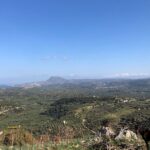
The taverna includes local wine and mineral water with lunch. You’ll also have a panoramic view over the nearest valley and Heraklion City. That’s a big quality-of-day detail. It turns lunch from a meal into a slow pause where you can enjoy the setting and talk about what you cooked.
In one family-focused experience, the group even ended up outside listening to music from a christening celebration and watching dancing nearby. You shouldn’t count on celebrations happening on your exact day, but it’s a reminder that this village setting can feel alive in a way Heraklion restaurants usually can’t match.
Private and practical: who this Heraklion-area class suits best
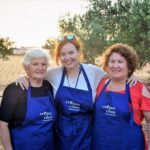
This is a private tour, meaning only your group participates. In practice, that usually makes the experience easier for families, friend groups, and couples who want questions answered without waiting for the next person.
It’s also a good option for people who like structure. You know what the day includes: village walk, museum and old houses, then a cooking session with multiple recipes, then lunch. That’s helpful if you’re organizing time around other Heraklion plans.
From the menu style, you’ll get a better experience if you enjoy classic Cretan food and Mediterranean technique—things like yogurt-based sauces, tomato-wine stews, and cheese pie baking. If you only want super modern or fusion cooking, you might find the menu traditional in a way that’s exactly the point here.
As for accessibility and services: service animals are allowed, and it’s near public transportation. Private transportation isn’t included, so if you’re staying in central Heraklion and don’t want to self-arrange the trip, you’ll want to plan that in advance.
Price and value: what $132.32 covers in real terms
At about $132.32 per person for roughly four hours, the price feels reasonable if you compare it to what you’d spend for three separate things: a guided cultural visit, a cooking workshop, and a full lunch with drinks.
What you’re paying for isn’t just the meal. It’s the guided structure and the fact that ingredients and cooking equipment are included, plus local wine and mineral water at lunch. You’re also getting a multi-dish menu, which is usually where cooking classes get more expensive if you do them in a more commercial setting.
One value note that matters: since it’s private, the per-person cost can feel like a sweet spot compared to going solo with a private guide and then separately booking a cooking lesson. The day blends culture and food without requiring you to stitch together multiple reservations.
Timing and weather: the small details that affect your day
The activity starts at 12:30 pm. That timing is great for a lunch-focused afternoon, but it means you’ll want to be at the meeting point ready to go right on time.
Weather matters here. The experience requires good weather, and if it’s canceled due to poor weather, you’ll be offered a different date or a full refund. That’s especially relevant because part of the day is a village walk around outdoor streets and old-house areas.
Also, since it ends back at the meeting point, plan your return from Arolithos Traditional Cretan Village around the same location rather than assuming you’ll be dropped back in Heraklion center.
Finally, bring a practical mindset: you’re cooking and eating on a schedule. Wear comfortable clothes, expect to get a little messy, and you’ll enjoy it more. This is not a showroom cooking demo.
Should you book the Arolithos private cooking lesson with lunch?
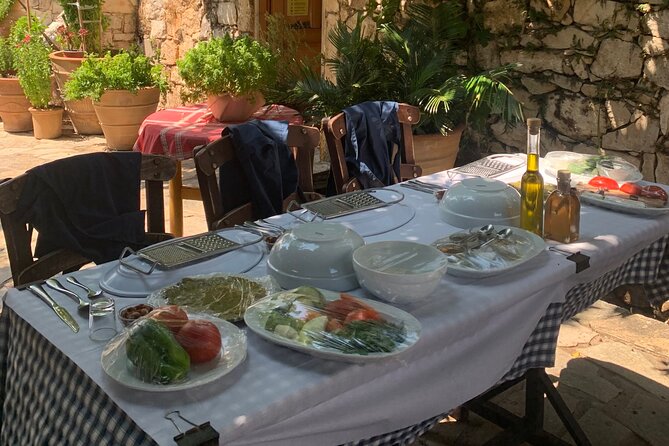
I’d book this if you want a true Cretan afternoon: village first, museum and old homes second, cooking third, then lunch with local wine and views. It’s especially strong for people who learn best by doing and who like classic Cretan dishes such as vine leaves, tzatziki, ntakos-style rusk with toppings, pork with wine notes, lamb with green beans, and cheese pies.
You might skip it if you don’t want to handle your own transport to the village or if your schedule is so tight you can’t absorb a possible weather-related reschedule. Also, if you’re only interested in tasting and not participating, you may find the hands-on cooking steps take more time than a simple meal out.
FAQ
How long is the cooking lesson in Arolithos?
The experience lasts about 4 hours.
What time does the tour start?
It starts at 12:30 pm.
Is this tour private?
Yes. It’s a private tour/activity, and only your group participates.
What’s included in the price?
The price includes the cooking materials and equipment, lunch (the dishes you prepare), local wine, and mineral water.
What dishes are on the sample menu?
The sample menu includes stuffed vine leaves, tzatziki, Kritharokouloura–Ntakos, mpekri meze (pork with onions, olive oil, pepper, and wine), lamb in red sauce with green beans, and Sarikopites (sour cheese pies with dough, cheese, and honey).
Can the menu be adapted for allergies or dietary needs?
Yes. If you have special dietary needs or allergies, you should inform the team beforehand so they can adapt the menu.
Where is the meeting point, and does it end there?
You meet at Arolithos Traditional Cretan Village (11ο χλμ Παλαιάς Εθνικής Οδού Ηρακλείου Ρεθύμνου, Iraklio 715 00, Greece). The activity ends back at the meeting point.
What if I need to cancel or the weather is poor?
You can cancel for a full refund up to 24 hours in advance. The experience requires good weather, and if it’s canceled due to poor weather, you’ll be offered a different date or a full refund. If a minimum number of travelers isn’t met, you’ll also be offered a different date/experience or a full refund.