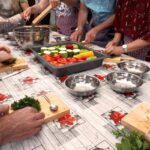
This is cooking class, Crete style. You get a hands-on Cretan farmhouse cooking lesson with a pro cook from a village tradition, using fresh local ingredients. I like that the teaching isn’t just about recipes—it also explains herbs, olive oil, and how people use them day to day.
Two things I’d highlight: first, you learn practical info about herbs and olive oil and even why they matter nutritionally. Second, you don’t just cook and leave—you eat together on a long monastery-style table with local wine, bread, Greek music, and stories. The one consideration is that the experience depends on good weather, so you may need a date change if conditions are poor.
In This Review
- Key highlights you’ll feel fast
- A Cretan cooking class at a farmhouse feels more real
- Where it starts: Vamos-area pickup and a calm 4-hour plan
- Meet Cevi: what makes the teaching style worth paying for
- The 4-hour flow: from local products to hands-on dishes
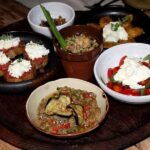
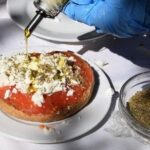
- What you’ll likely cook: Cretan classics with real ingredient logic
- Taste, wine, bread, and the monastery-style table moment
- Price and value: what $140.77 gets you (and why it’s not just “a class”)
- Who should book this and who might not love it
- Practical tips to make the day easier
- Should you book the Cretan farmhouse cooking class?
- FAQ
- How long is the Cretan Cooking Class at a Farmhouse?
- How much does this cooking class cost?
- Is the class offered in English?
- What will I eat and drink during the class?
- How big is the group?
- What happens if the weather is bad?
- Is cancellation free?
Key highlights you’ll feel fast
- Cevi and her family teach the class, with stories rooted in village life
- Herbs + olive oil lessons include how they’re used and what they provide
- Small group size (max 12 people), so the pace stays friendly
- Fresh, pure Cretan ingredients like olive oil, cheese, vegetables, meat, and wine
- Shared meal on a monastery-style table, with Greek music and local wine
A Cretan cooking class at a farmhouse feels more real
A lot of food tours stop at tasting. This one starts where food actually begins: in your hands, with local ingredients that taste like they came from the island, not a warehouse.
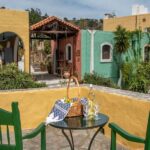
The farmhouse setting matters. It’s the kind of place where the details feel personal—like why certain herbs get used, why olive oil is treated with respect, and why “simple” is never really simple on Crete. You’re also not dealing with a big factory rhythm. The class is capped at a small group (up to 12 people), which helps you ask questions and get guidance while you cook.
There’s also a strong cultural thread to the meal afterward. You sit at a long monastery-style table and share what you made, with local wine, bread, Greek music, and nice stories. It’s not a performance. It’s more like being invited to the table.
You can also read our reviews of more tours and experiences in Crete.

Where it starts: Vamos-area pickup and a calm 4-hour plan
The meeting point is at the Vamos Village Tourist Office (Unnamed Road, Vamos 730 08, Greece), and the activity ends back at the meeting point. Expect about 4 hours total, give or take, depending on the flow of the class and meal.
This timing is a sweet spot. You get enough hours to genuinely cook and not feel rushed, but it’s short enough that it still fits into a normal Crete day. If you’re planning other stops that day—beach time, a town stroll, a museum—4 hours is manageable.
One practical note: this is described as a weather-dependent experience. If you’re visiting in shoulder season, keep flexibility in your schedule. If bad weather cancels the activity, you’ll be offered another date or a full refund.
Meet Cevi: what makes the teaching style worth paying for
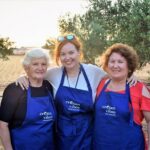
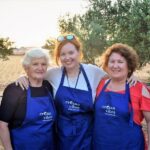
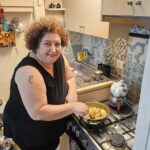
The cook leading the class, Cevi, was born and raised in a Cretan village. That matters because you’re not just learning techniques—you’re learning how a family passes recipes down and adapts them.
The reviews highlight how much people connect with Cevi and her mother and father. From the way the experience is described, they share knowledge with love and integrity, not just instructions. That vibe tends to make you better at cooking, because you understand what you’re aiming for, not only the steps.
I also like that the class doesn’t keep everything locked in the kitchen. You get information about plants and fruit trees, plus practical talk that connects food to the island’s real growing life. You even learn about goat as part of local tradition and farming context. It’s the sort of background that makes the dishes feel earned, not invented for tourists.
The 4-hour flow: from local products to hands-on dishes
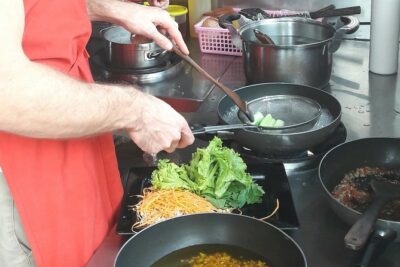
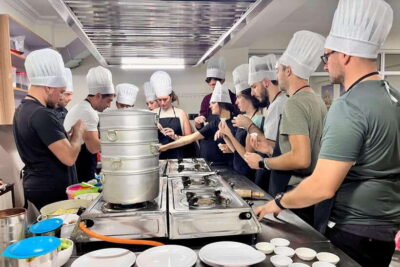
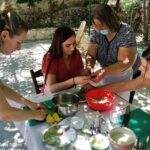
The experience is structured around doing. You cook, taste, and enjoy local recipes with guidance from the professional cook. You’re not watching someone else work while you hold a phone at arm’s length.
A typical flow looks like this:
- You start cooking together using genuine Cretan products.
- Along the way, Cevi shares info about herbs, olive oil, and ingredients—how to use them and what they bring to flavor and nutrition.
- You taste as you go and adjust based on what you’re learning.
- Then you all sit down together for the shared meal and the fun part: stories, Greek music, and local wine.
What makes that valuable is the balance. Some cooking classes only focus on technique, so the food ends up feeling abstract. Others focus on tasting and skip the “why.” Here, you’re doing both: making dishes and understanding ingredients as you work.
What you’ll likely cook: Cretan classics with real ingredient logic
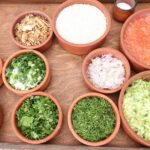
The class centers on genuine Cretan products—olive oil, vegetables, cheese, meat, wine—and emphasizes freshness and local sourcing. That’s not just a marketing line. It’s the foundation for why the dishes taste the way they do.
A sample menu includes classics such as:
- Sarikopitakia (cheese pie)
- Dakos (a Cretan salad style dish)
- Cretan salad
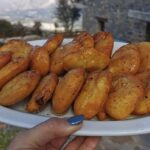
- Loukoumades (honey-soaked dough fritters)
Even if the exact dishes shift slightly, you can expect the same direction: Cretan comfort food you can recognize and recreate at home. The cheese pie is a good example of how Crete uses dairy and simple ingredients in a satisfying way. Dakos and salad bring in freshness and olive oil, which is where a lot of island flavor lives.
I also like that the class teaches ingredient usage. Olive oil gets explained not just as an accessory, but as a core product—how to use it and why it’s so important in everyday cooking. Herbs get the same treatment. When you understand flavor sources, you stop copying recipes and start cooking with intent.

Taste, wine, bread, and the monastery-style table moment
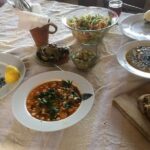
This is where the experience becomes a small celebration. After cooking, you all eat together on a long monastery-style table. Local wine and bread are part of the meal, and there’s Greek music plus stories.
That matters for two reasons:
- You get to enjoy the food you made while it’s still fresh and hot.
- You get context. When stories are included, you learn the cultural meaning behind dishes and ingredients, not only how to assemble them.
The long-table format also changes the vibe. It encourages conversation without feeling forced. In a group of up to 12 people, you’re more likely to talk with others, ask questions about what you cooked, and leave with a stronger sense of the place.
Price and value: what $140.77 gets you (and why it’s not just “a class”)
At $140.77 per person, this isn’t a bargain-basement food activity. But it also isn’t a quick tasting. You get about 4 hours, hands-on cooking, professional instruction, and a full meal on-site with wine and bread.
Here’s how I think about value for this kind of experience:
- Time: 4 hours is enough to actually learn and cook, not just sample.
- Food and ingredients: the class focuses on genuine Cretan products—olive oil, cheese, vegetables, meat, and wine—made from fresh local ingredients.
- Instruction quality: the cook shares knowledge rooted in village upbringing, plus practical explanations about herbs and nutritional value.
- The included meal experience: the shared table, Greek music, and stories are part of what you’re paying for, not an optional add-on.
If your goal is to come away with a few dishes you genuinely understand and can repeat, this price can make sense. If you only want a light snack and a quick photo, you’ll feel this is too much time and money. Think “learn-and-lunch,” not “walk-by tasting.”
Who should book this and who might not love it
This works especially well if:
- You care about Cretan cuisine and want more than a restaurant meal
- You’re the type who likes cooking, even at home
- You enjoy food tied to local ingredients, herbs, and island farming life
- You want a small group experience (up to 12 people)
It might be less ideal if:
- You’re short on time and only want quick stops
- You hate weather-dependent plans and can’t shift a schedule if conditions are poor
- You’re not interested in learning ingredient usage (olive oil and herbs are part of the lesson)
I’d also say it’s a great option for food-first couples and friends. The small-group setup and shared table make it social, but not chaotic.
Practical tips to make the day easier
You’ll enjoy this more if you treat it like a day out, not a rushed activity.
- Wear comfortable clothes and shoes you can move in. Cooking means standing and leaning.
- Bring your appetite. You cook and then eat together with wine and bread, and the dishes included are the island’s comfort-food style.
- If you’re sensitive to wine or certain ingredients, plan to ask simple questions during the meal. The class is built around real ingredients, so curiosity is welcome.
Because the experience requires good weather, I’d also pick a date where you can handle a reschedule. It’s listed as weather-dependent, and if it’s canceled due to poor weather, you’ll be offered a different date or a full refund.
Should you book the Cretan farmhouse cooking class?
I’d book this if you want a real taste of Crete that starts with cooking and ends with sitting down together. The strongest reasons are the teaching focus—Cevi and her family share village knowledge, plus lessons on herbs and olive oil—and the fact that the meal is included in a memorable setting with Greek music, wine, and stories.
I wouldn’t book it if you only want a quick bite, or if you can’t be flexible with weather. Also, because it’s limited to a small group, popular dates can fill up—so if you’re set on it, don’t wait too long.
For many people visiting Crete, this is the kind of day that leaves you with more than photos. You take home dishes, ingredient understanding, and a story you’ll actually tell later.
FAQ
How long is the Cretan Cooking Class at a Farmhouse?
It runs for about 4 hours.
How much does this cooking class cost?
The price is $140.77 per person.
Is the class offered in English?
Yes, the experience is offered in English.
What will I eat and drink during the class?
After cooking, you all eat together at a long monastery-style table. The meal includes local wine and bread, plus dishes based on Cretan recipes (the sample menu lists items like Sarikopitakia, Dakos, Cretan Salad, and Loukoumades).
How big is the group?
The class has a maximum of 12 people.
What happens if the weather is bad?
This experience requires good weather. If it’s canceled due to poor weather, you’ll be offered a different date or a full refund.
Is cancellation free?
Yes. You can cancel up to 24 hours in advance for a full refund.