REVIEW · KO LANTA
Ko Lanta: Thai Cooking Class with Market Tour and Dinner
Book on GetYourGuide →Operated by Lanta Tourist Center · Bookable on GetYourGuide
Thai cooking gets easier when you shop first. This Ko Lanta class pairs a local market tour with hands-on cooking, then adds a meal you can actually repeat at home. I like that you learn the ingredients behind Thai flavor, not just the steps.
Two things I really love: the teaching style (Chef Pak comes through as fun, helpful, and patient), and the way the class focuses on Thai building blocks like herbs, spices, and curry paste. One thing to consider is that while certificates are part of the experience, you’ll want to make sure you receive the one you expect at the end of your session.
For planning, the big win is flexibility: there’s a morning market + lunch program and separate late-afternoon/evening dinner programs on different days, plus an optional fruit and vegetable carving session that runs most days.
In This Review
- Key things to know before you go
- Why this Ko Lanta cooking class feels practical (not just showy)
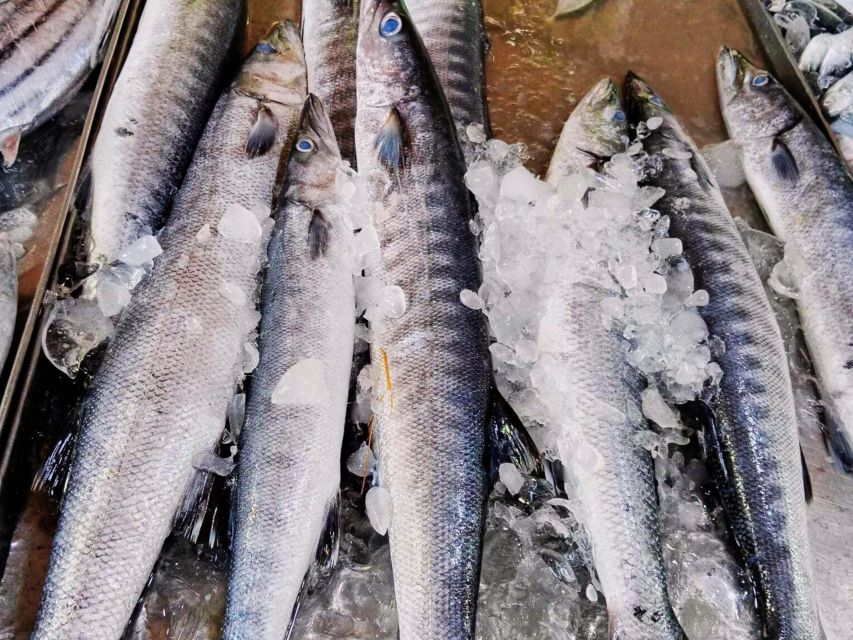
- The market tour that explains Thai herbs, not just produce
- Morning market + lunch program: what you actually cook
- The cooking class technique: herbs, curry paste, and that calm patience
- Dinner cooking program: a longer evening with curry paste focus
- Fruit and vegetable carving: making food look as good as it tastes
- What you take home: recipe book, apron, certificates, and food
- Price and value: is $80 fair for all this?
- Who should book this Ko Lanta class (and who might skip it)
- Should you book? My call for the right kind of traveler
- FAQ
- How much does the Ko Lanta Thai cooking class cost?
- What are the different program days and times?
- What dishes are included in the cooking class?
- What is included in the package?
- Can I take food home?
- What languages are offered?
- Is there a fruit and vegetable carving option?
- Do I get a certificate?
Key things to know before you go
- Market-first learning: you see produce and ingredients before you cook
- Chef Pak’s hands-on guidance: clear steps, lots of patience, even for delicate work
- Four-dish format: appetizer, soup, and two mains, using homemade curry paste
- Day-by-day variety: pad thai, curries, tom yum, and more rotate by schedule
- Take-home rewards: apron, recipe book, certificate, and food to share
- Fruit & vegetable carving: technique practice plus a certificate for the carving program
Why this Ko Lanta cooking class feels practical (not just showy)
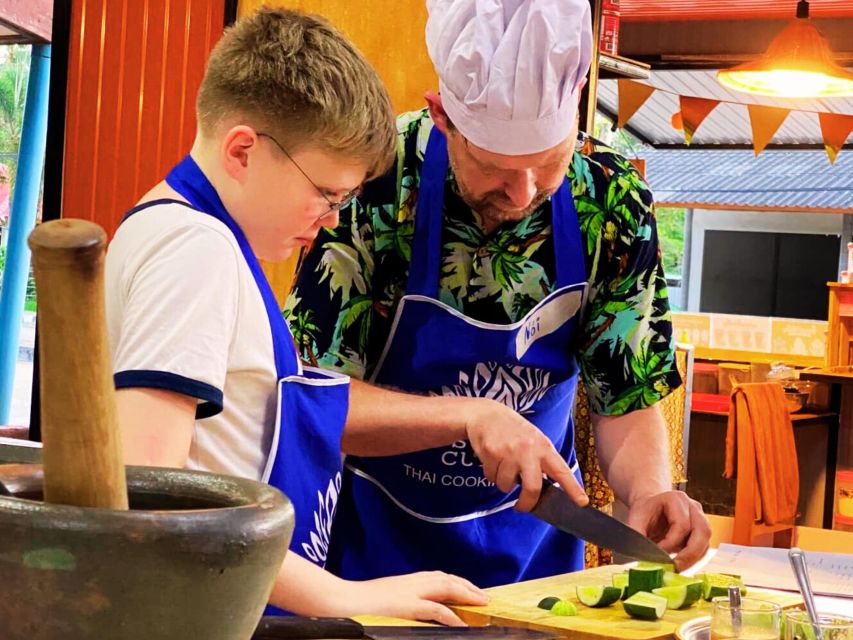
On Ko Lanta, it’s easy to find a cooking class that’s basically a performance with a bit of cooking tacked on. This one works differently. You start with how ingredients are chosen and used locally, then you move into cooking with real attention to what makes Thai food Thai.
The vibe in the kitchen matters, and that’s where Chef Pak’s reputation shows. People describe him as funny, patient, and very willing to help with the small details, including delicate technique. That’s a big deal if you’ve never made curry paste from scratch or you’re worried about cutting vegetables neatly.
The class also has a clear structure: you cook four traditional dishes, and the mains include homemade curry paste. That means you’re not just tasting Thai flavors; you’re learning how the flavor is built.
Possible downside: the experience is only as good as your energy in the kitchen. If you’re not into chopping, grinding, or taking your time, the hands-on part can feel like more work than you expected. Go in with a calm mindset and you’ll likely enjoy it more.
You can also read our reviews of more tours and experiences in Ko Lanta.
The market tour that explains Thai herbs, not just produce
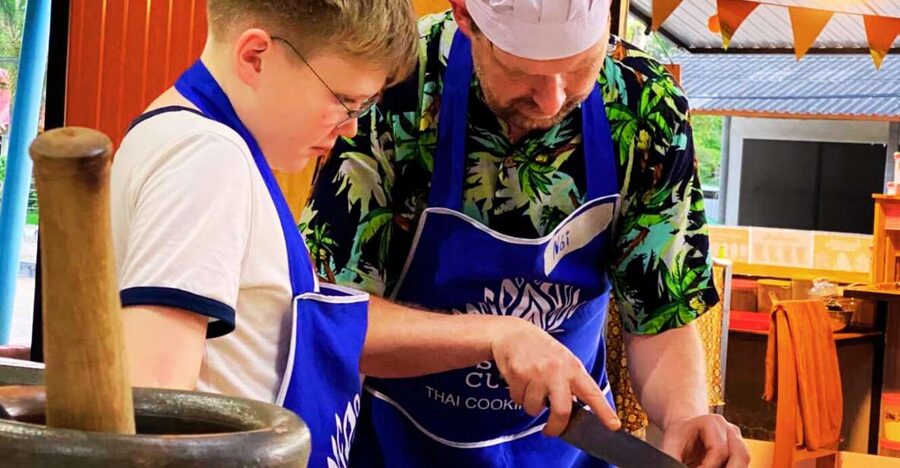
If you choose the morning program, your day begins with pickup around 08:30 and a start time of 09:00. The market tour is designed to reflect Lanta’s local food life, not just to pass around photos for 10 minutes.
What makes this part valuable is the attention to ingredients. You’ll learn about common Thai herbs and spices and how they connect to the dishes you cook later. That’s the difference between knowing the name of an ingredient and knowing why it matters.
You also get time for local market sightseeing, so it feels like a real walk through the island’s food supply chain. It’s the kind of experience that helps you later, when you’re trying to recreate a sauce at home and you realize one ingredient does something very specific.
A tip for getting the most out of the market portion: watch what you’re about to cook. If your class day includes things like tom kha or curry pastes, pay attention to the herbs and aromatics that show up in those flavors.
Morning market + lunch program: what you actually cook
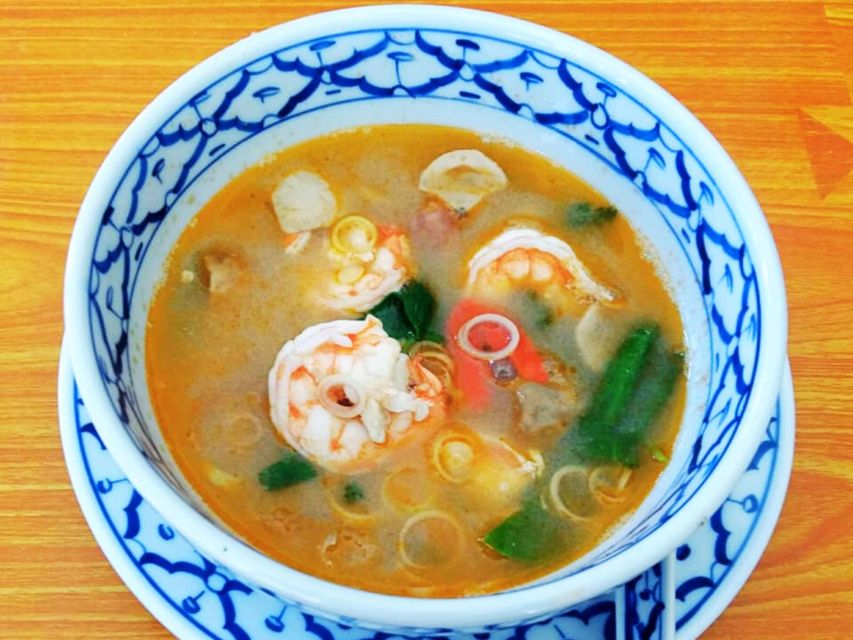
This is the most complete option if you want the full Thai arc: market → cooking practice → lunch and take-home items. It runs Monday, Wednesday, and Saturday, with a schedule of 09:00 to about 14:30.
You can expect four dishes in class:
- 1 appetizer
- 1 soup
- 2 main dishes, made with homemade curry paste
Here’s the rotation by day, so you can pick the one that matches your cravings:
Monday menu
- Pad Thai
- Goong Hom Sabi
- Tom Kha
- Homemade Pad Thai Sauce
- Khao Niew Ma Muang
Wednesday menu
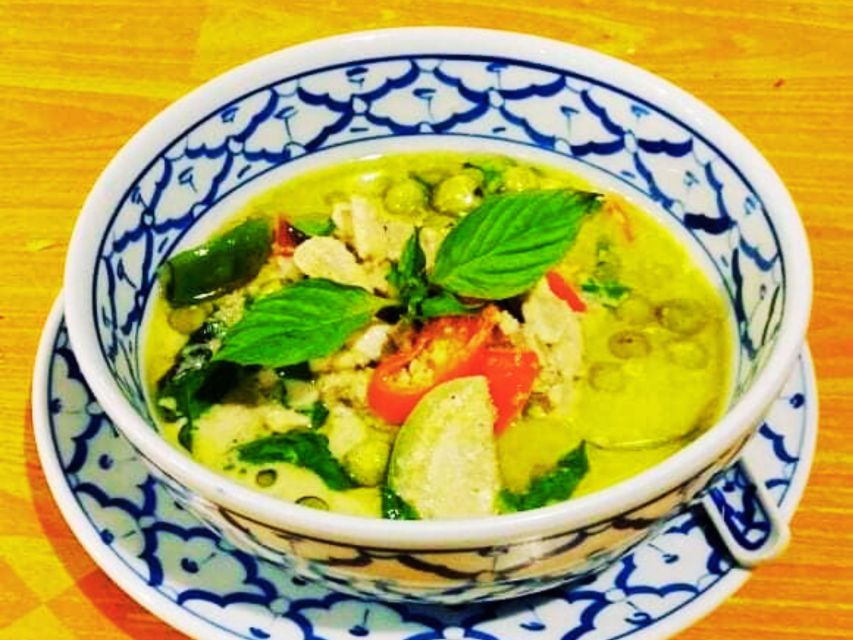
- Gaeng Kiew Wan
- Kanom Pang Na Gai
- Tom Yam Goong
- Homemade Green Curry Paste
- Tub Tim Grob
Saturday menu
- Pad Thai
- Wihok Non Rang
- Tom Jiw Gai
- Homemade Pad Thai Sauce
- Khao Niew Ma Muang
What I like about this rotation is the balance. You get:
- classic Thai favorites like Pad Thai
- coconut-forward soups like Tom Kha
- sour-spicy Tom Yam Goong
- curries that depend on correct paste flavor, not just heat
If you’re worried about learning curry paste: that homemade paste element is exactly where the lesson becomes practical. When you make it yourself, you understand why certain flavors are added together.
The cooking class technique: herbs, curry paste, and that calm patience
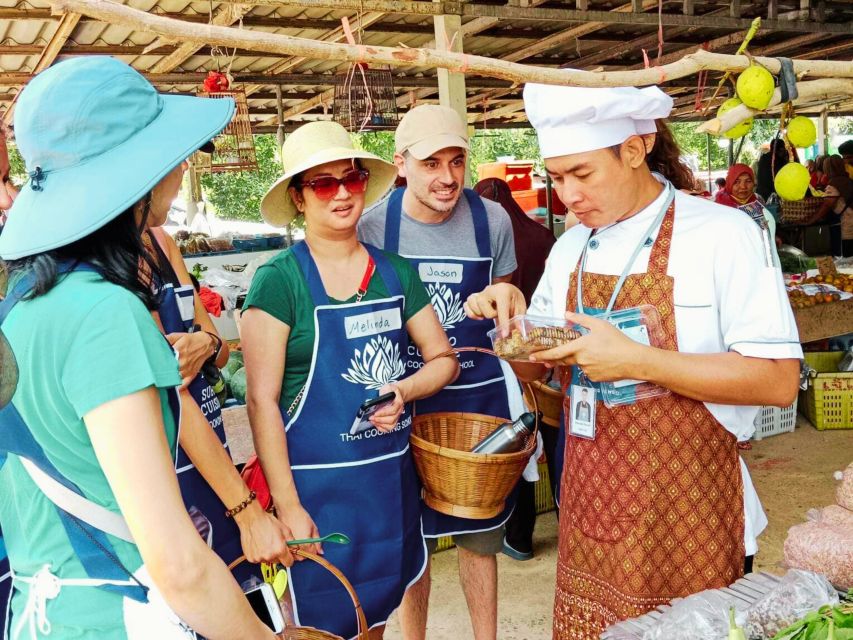
Thai cooking can feel intimidating until you learn what to control: texture, timing, and building flavor in the right order. This class spends time on those basics so you don’t feel lost once the stove starts getting busy.
You’ll also learn the ingredient logic behind Thai flavor. That means you should come away knowing which herbs or spices are core to the dish, and how to use them in a way that matches the Thai approach rather than substituting randomly and hoping it works.
One useful theme from the experience is patience. People describe the carving-style mindset applying to cooking too: slow down, do it carefully, and let the technique click. Chef Pak’s coaching style is described as supportive and detailed, which helps when you’re handling delicate items or trying to replicate a dish that relies on balance.
A practical expectation: expect to handle prep work. You’ll be cutting, mixing, and assembling while the group progresses through the cooking steps. If you prefer a more passive experience, this might feel hands-on in a way you didn’t plan for.
Dinner cooking program: a longer evening with curry paste focus
If your schedule is tighter in the morning or you prefer a slower evening pace, there’s a separate dinner program. Pickup is around 15:00, and the class runs from 16:00 to about 21:00 on Tuesday, Thursday, and Friday.
The dinner program also has four traditional dishes:
- 1 appetizer
- 1 soup
- 2 main dishes, again using homemade curry paste
A nice difference here is that the session explains the history and role of ingredients, herbs, and spices in recipes, so you get a bit more context while you cook. That can be useful if you like understanding why a flavor profile works, not just how to plate it.
Here’s what you cook on each dinner day:
Tuesday
- Homemade Panang Curry Paste
- Poh Pia Puk Tod
- Khao Pad Subparod
- Gaeng Panang
- Bue Loy Kai wan
Thursday
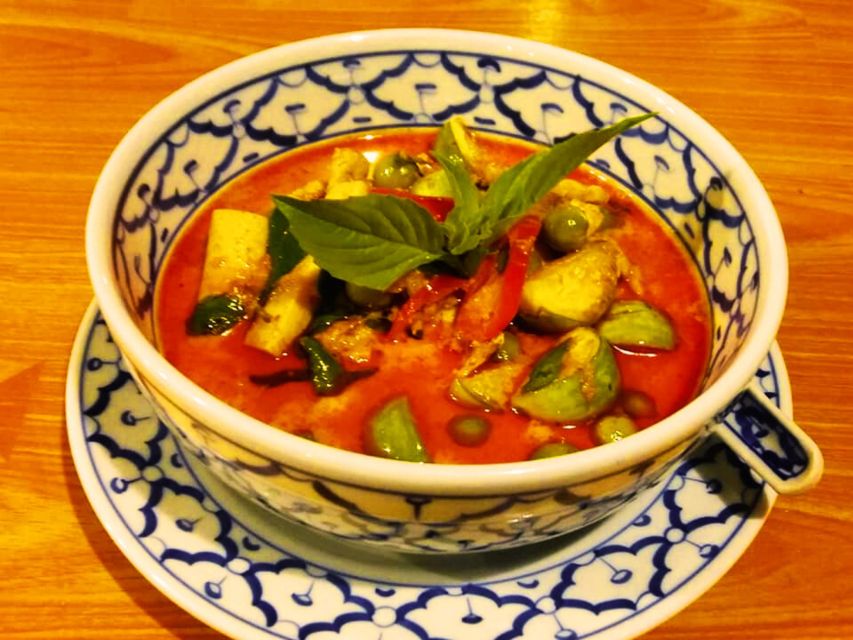
- Homemade Red Curry Paste
- Khao Pad Ga Prao Gai
- Toong Tong
- Tom Kha
- Gaeng dang
Friday
- Homemade Massaman Curry Paste
- Som Tum Thai
- Gaeng Massaman
- Tom Yum Goong
- Tub Tim Grob
This menu mix hits different Thai moods:
- Panang and Massaman bring deeper, richer curry flavors
- Gaeng and tom styles keep the meal balanced and fragrant
- Som Tum adds that crunchy, sour-spicy punch (if you like papaya salad flavors)
If you’re planning your vacation around meals, this dinner option can be a real value because you’re not just learning; you’re getting a full evening meal result. And since you’re making curry paste, you’ll likely be able to recreate the core flavor at home.

Fruit and vegetable carving: making food look as good as it tastes
This carving program runs Monday through Saturday, from 15:00 to about 18:00. It includes free coffee and tea during the session, plus instruction in using carving tools and basic techniques.
Even if you’re not great with your hands, carving is one of the most forgiving ways to learn visual technique. The goal is decoration: fruit and vegetables turned into flowers and leaves you can use to make your dishes look finished.
You’ll practice with carving equipment, learn basic carving fruit and vegetable techniques, and learn how food decoration fits into Thai presentation.
You also get a keepsake: a certificate of the carving program, plus you can take back a book with your carving work to show family and friends. If you like taking home proof of learning, this is the moment.
One consideration: carving takes patience. You’ll do better if you slow down and treat it like a skill-building workshop rather than a race.
What you take home: recipe book, apron, certificates, and food
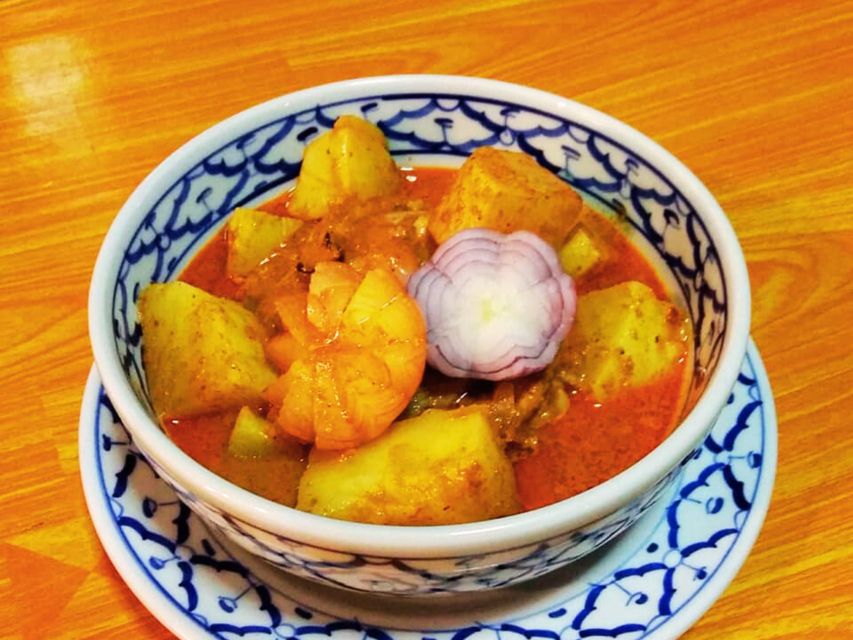
This class is built around take-home value, not just a meal you eat and forget. Included items commonly help you keep cooking after your trip.
You should receive:
- a Sukho Cuisine apron to take home
- a recipe book and pen
- a certificate of cooking after class
And if your class day includes making enough food, you can bring back food to share with friend or family. That turns the cooking lesson into something social, even after the tour ends.
For carving, you get a certificate of carving and a book to take home showing the carving work.
One small practical note: the certificate is part of the experience details, and it’s also the kind of thing people remember. If you want it as a real keepsake, it’s smart to check that you receive it before you leave for the day.
Price and value: is $80 fair for all this?
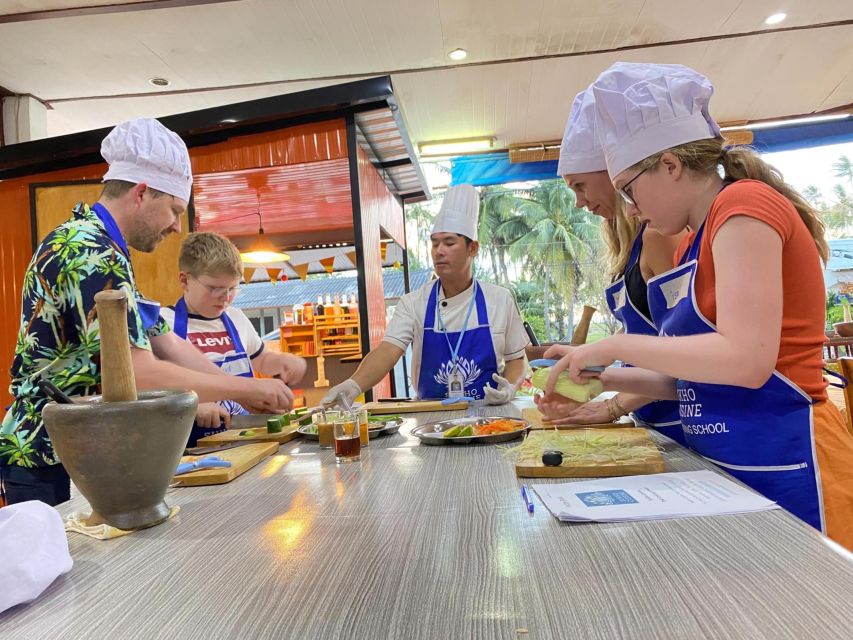
At $80 per person, this is not a throwaway activity. The value comes from the mix of parts:
- hotel pickup and drop-off
- a market tour (on select days)
- hands-on cooking with four dishes
- homemade curry paste for the mains
- take-home items (apron, recipe book, certificate)
- and the opportunity to bring home food
If you compare it to doing a cooking class with only one dish or without the market component, the added ingredient instruction is what pushes this toward good value. You’re paying for time plus the chance to learn Thai flavor building blocks in a structured way.
It’s also a value play if you want a vacation activity that pays off later. A recipe book with a pen and a curry paste lesson gives you more than a souvenir.
If you’re only interested in eating Thai food and you already have a recipe you love, it might feel pricey. But if you want to cook, this is the kind of class where the learning sticks.
Who should book this Ko Lanta class (and who might skip it)
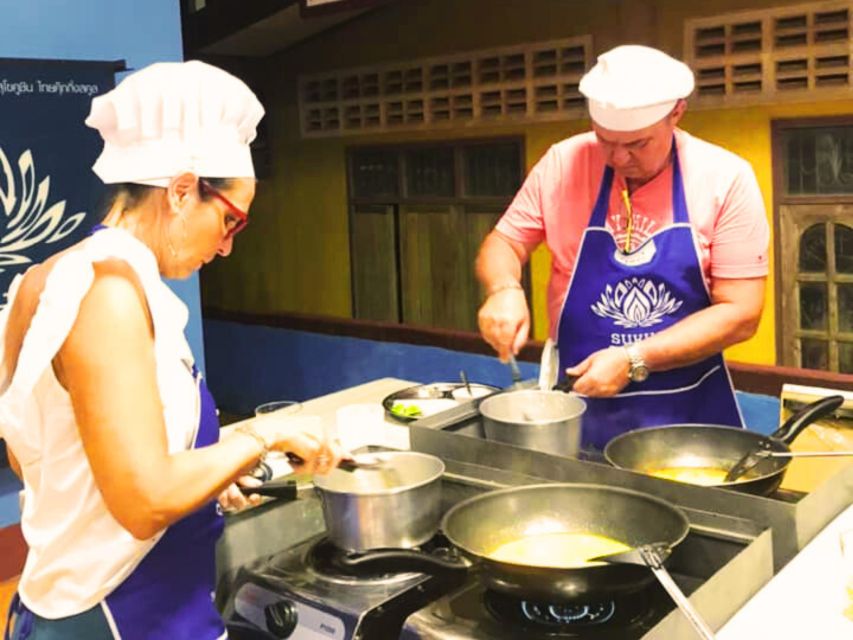
This works best if you:
- like cooking and want a Thai skill you can repeat
- want help understanding herbs and spices, not just following instructions
- prefer structured lessons with clear dish goals
- enjoy patient, friendly teaching that lets you try without panic
It may not be ideal if you:
- hate hands-on prep work
- want a quick 1-hour experience rather than a full program
- plan to rush through food learning because you have back-to-back activities
For families or groups, the take-home food and carving option can help the day feel like more than just a class. For solo travelers, the structure and teaching style can make it feel comfortable.
Should you book? My call for the right kind of traveler
Book it if you want Thai cooking that’s built on ingredients, technique, and a real day’s schedule. The market tour plus four-dish format plus homemade curry paste is a solid learning package. Add in the chance to get your own apron, recipe book, and certificates, and it becomes a meaningful activity you can remember.
Skip or reconsider if you only want to eat and you don’t care about learning. You’re paying for a hands-on experience, and that’s the whole point.
If you’re deciding between morning and dinner, pick based on the dishes you like most. Want Pad Thai and Tom Kha style flavors with a lunch finish? Morning is your match. Prefer curry-focused evening flavors and a longer session with recipe context? Dinner is the better fit.
FAQ
How much does the Ko Lanta Thai cooking class cost?
The price is $80 per person.
What are the different program days and times?
The market tour and lunch program runs on Monday, Wednesday, and Saturday, with pickup around 08:30 and class from 09:00 to about 14:30. The dinner cooking program runs on Tuesday, Thursday, and Friday, with pickup around 15:00 and class from 16:00 to 21:00. The fruit and vegetable carving program runs from 15:00 to about 18:00 on Monday through Saturday.
What dishes are included in the cooking class?
Each cooking session includes four traditional dishes: 1 appetizer, 1 soup, and 2 main dishes made with homemade curry paste. The exact menu depends on the day you attend.
What is included in the package?
Hotel pickup and drop-off are included, along with welcome drink and snacks, coffee, tea, drinking water, a Sukho Cuisine apron, a recipe book and pen, and a certificate of cooking. For the carving program, coffee and tea are also included.
Can I take food home?
Yes. After finishing the class, you can bring food back to share with friend or family.
What languages are offered?
The programs are offered in English and Thai.
Is there a fruit and vegetable carving option?
Yes. There is an art fruit and vegetable carving program that includes instruction, carving practice, and a certificate of carving, plus a book you can take back with your carving work.
Do I get a certificate?
The experience details include a certificate of cooking for the cooking class, and a certificate of carving for the carving program.
If you want, tell me which day you’re in Ko Lanta, and what Thai dishes you love most (pad thai, tom yum, curries). I’ll help you pick the best program slot.