REVIEW · KO LANTA
Cooking Experience at Lanta Thai Cookery School From Koh Lanta
Book on Viator →Operated by Oh-Hoo · Bookable on Viator
Teak-house Thai cooking beats beach days. In Ko Lanta, I love the setting: a teak house tucked in a lush rubber plantation. I also love the garden-grown herbs and spices you get to see before you start cooking. One possible drawback: you cook 4 dishes total, and the group votes on which ones, so your top choice from the menu might not make the cut.
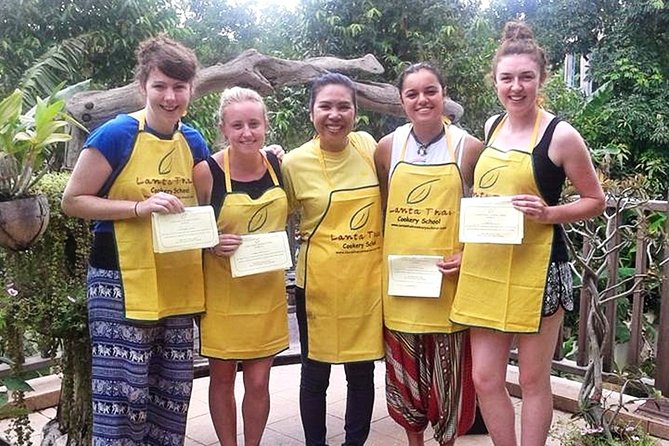
The flow is easy and low-stress, with hotel pickup at the start and free transport back after class, plus a certificate when you’re done. It’s the kind of break from sand and sun that actually gives you something useful to take home: a handful of real Thai techniques, not just a few photos.
In This Review
- Key highlights to look for
- Entering the rubber plantation kitchen (teak house style)
- Garden time: herbs, spices, and vegetables you’ll actually cook with
- The dish selection game: 4 out of 10, with real choices
- Cooking time in the open-plan kitchen: technique, not just recipes
- What you’ll make and taste at the end
- Food choices: vegetarian, vegan, and spice control
- Pickup, certificate, and value at $56.10 per person
- Class size and timing: why it feels personal
- Who this Koh Lanta class suits best
- The main tradeoffs before you book
- Should you book Lanta Thai Cookery School in Koh Lanta?
- FAQ
- How long is the cooking class on Koh Lanta?
- Is hotel pickup and drop-off included?
- How many dishes will I cook?
- How are the 4 dishes chosen?
- Can I choose vegetarian or control spice levels?
- What if someone in my group doesn’t want to cook?
- Are kids allowed?
- Is the class affected by weather or group size?
Key highlights to look for
- Garden-first ingredient education before you touch a knife or stove
- Pick 4 dishes from 10 with a group vote, plus control over meat type and spice level
- Small group, big attention (limited size, so teaching stays personal)
- Chef-led cooking in an open-plan kitchen with a friendly, funny teaching style
- Eat what you make, plus tastings of key Thai flavors like tamarind and palm sugar
Entering the rubber plantation kitchen (teak house style)
Getting to Lanta Thai Cookery School feels like a quick scene change. You’ll transfer from your Koh Lanta hotel along the main road between Saladan and Kantiang Bay, and then the plantation setting takes over. The school sits in the heart of a rubber plantation, which matters because it gives the class a calm, local rhythm. You’re not just learning recipes. You’re stepping into the kind of place where people actually grow ingredients and cook as part of everyday life.
The first thing you’ll notice is the traditionally built teak house. This isn’t a generic kitchen classroom. It feels like a real home-base, and that sets the tone for the whole session: practical, hands-on, and relaxed.
For me, the best part of this start is that it instantly separates cooking class from “tourist cooking.” You’re in the right environment to learn how Thai flavors work, because the school focuses on herbs, spices, and vegetables you can identify and understand.
You can also read our reviews of more tours and experiences in Ko Lanta.
Garden time: herbs, spices, and vegetables you’ll actually cook with
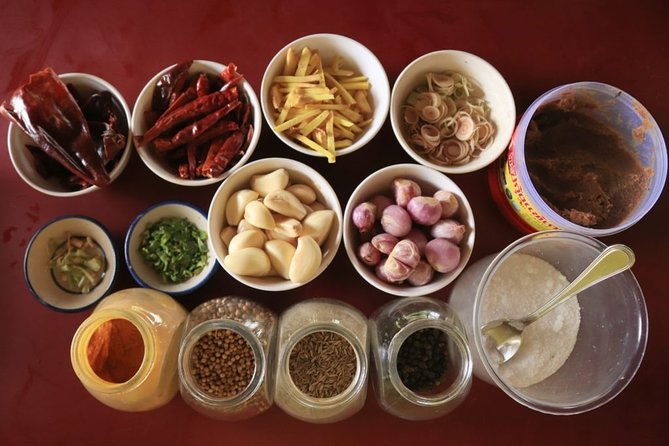
Right after you’re settled, you’ll visit the school’s garden. This is where the learning gets concrete. You don’t just hear about ingredients. You see them. Herbs, spices, and vegetables are grown on site, so it’s a straightforward way to understand what Thai cooking depends on.
You’ll use this knowledge as you plan your dishes and as the chef guides you through ingredients. Even if you’ve cooked before, I find this garden part changes how you think about Thai meals. Instead of relying on a “mystery paste” approach, you start connecting flavors to plant-based ingredients.
It also helps that the class includes tastings of key Thai ingredients like tamarind and palm sugar. That might sound small, but tasting early makes the whole cooking session make more sense. You’re not guessing. You’re training your palate to recognize sour, sweet, and savory building blocks.
The dish selection game: 4 out of 10, with real choices
Here’s how the cooking menu works, and it’s worth knowing up front.
There are 10 dishes on the course options list. The group votes on which dishes everyone will cook, and then you cook 4 dishes in total. That group vote piece is part of the fun, but it’s also the reason your plan might not match your dream menu.
The good news: you still have meaningful control. For the dishes you do cook, you can choose your preference for meat type, including chicken, beef, seafood, or vegetarian. On top of that, you can decide the spice level you want, and the class can be adjusted to vegetarian or vegan styles as needed.
Think of it like this:
- The group decides which 4 dishes you’ll focus on.
- You decide how you customize them (meat choice and spice level).
That structure keeps the class organized while still letting you eat what you want.
Cooking time in the open-plan kitchen: technique, not just recipes
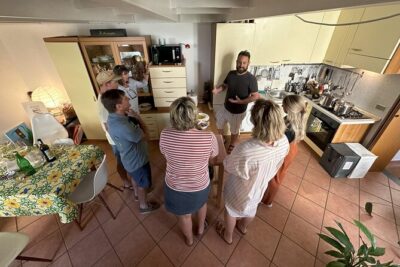
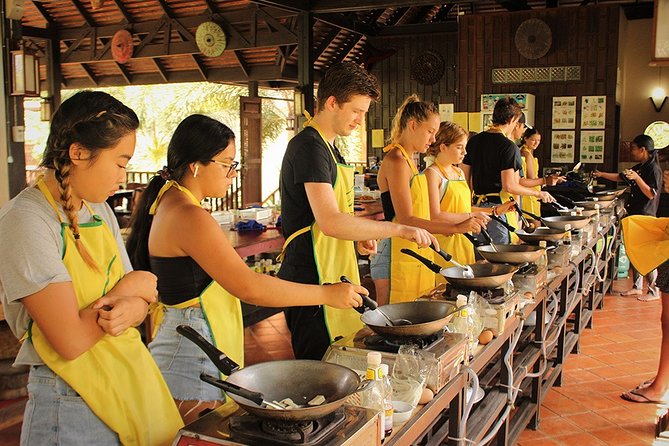
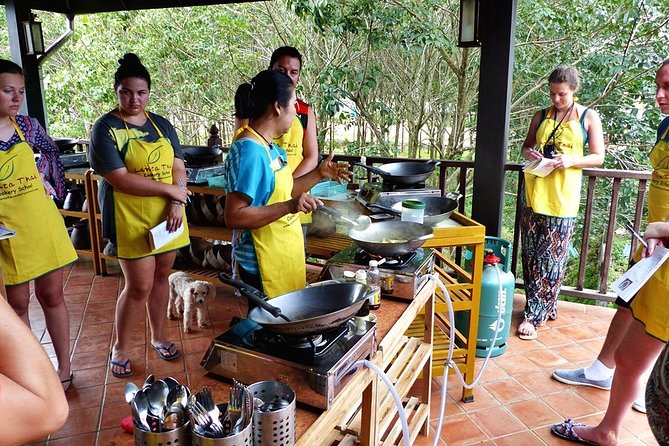
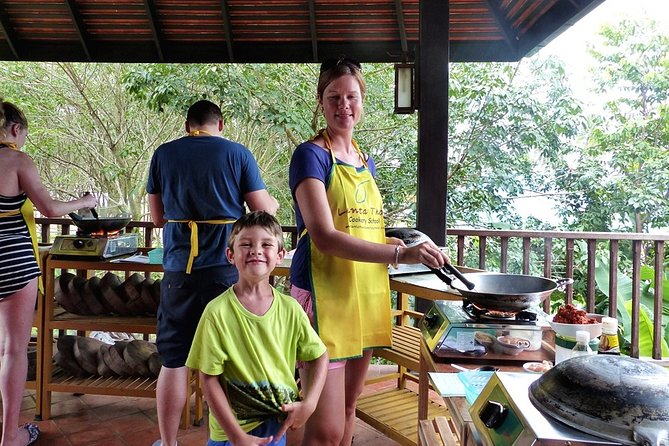
Once the dishes are selected, you’ll be walked through ingredients and then you’ll start cooking together. The kitchen is open-plan, so you’re not stuck facing a wall while one person “does the real cooking.” You’re in the action with instruction happening in real time.
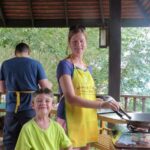
The chef teaching style is a major reason this class gets such strong marks. In particular, I like the way instructors explain each step clearly and keep things lively. One example: an instructor named Prim is specifically called out for explaining well and keeping a positive, funny vibe. Even if you don’t end up with the same instructor, the teaching approach described for the school is consistent: step-by-step guidance that makes you feel capable.
Why that matters:
- Thai cooking often depends on timing and balance, like getting sour and sweet to line up.
- If you miss one step, the whole dish can shift.
- Good instruction helps you fix mistakes fast, so you actually finish dishes you can be proud of.
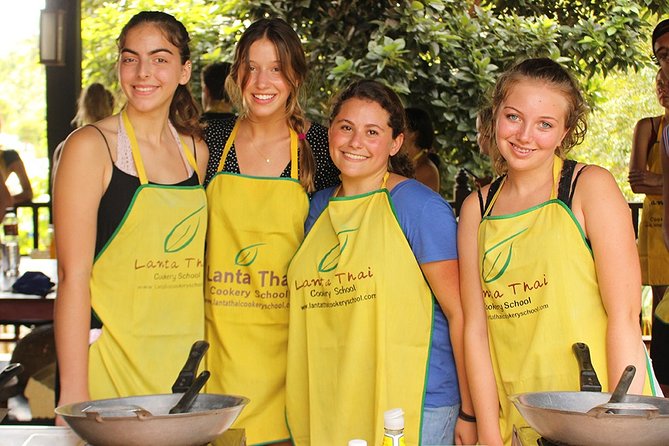
Also, because the class is limited in size (max 12 people, and the activity caps at 10 travelers), you’re less likely to feel lost. In a bigger class, you’d spend more time waiting. Here, the rhythm is closer to a small group workshop.
What you’ll make and taste at the end
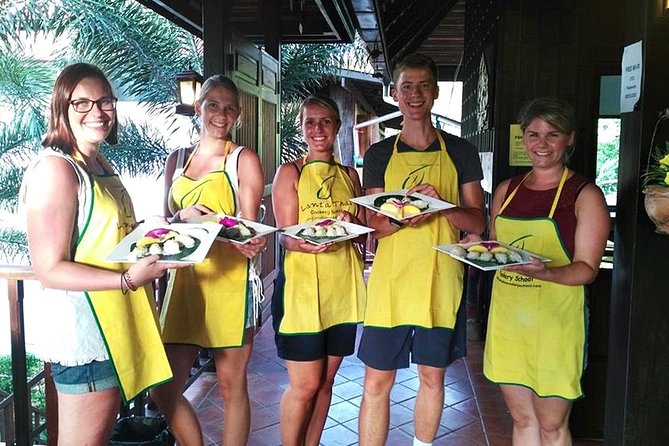
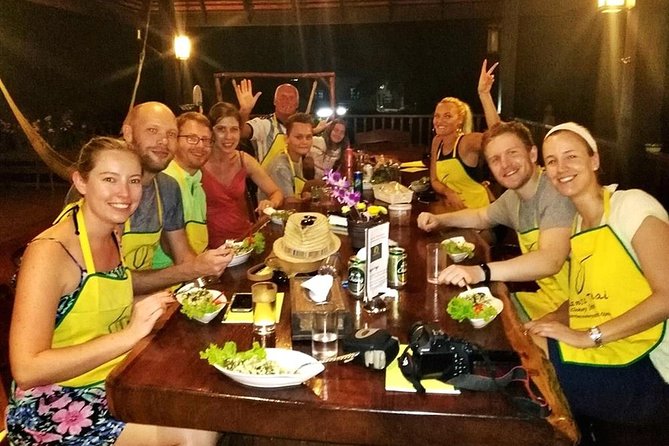
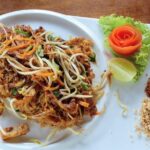
You’ll cook 4 dishes and then enjoy the meal you created. This is one of the best parts of the course because it turns cooking into a full experience instead of a checklist.
You’ll also taste ingredients during the class, including tamarind and palm sugar. Those are two ingredients that show up again and again in Thai flavor design. Tamarind brings sour depth, while palm sugar adds a rounded sweetness. When you taste them on purpose, later you’ll recognize their role while you’re cooking, not just at the final bite.
And yes, the “eat what you make” ending is satisfying, especially if you’re the kind of person who wants more than just a story. After four hours, you’ll have food on your plate and the confidence to repeat the basics at home.
Food choices: vegetarian, vegan, and spice control
One reason I’d recommend this class to a wide range of people is how flexible it is. You can choose vegetarian or vegan options, and you can set spice levels to match your comfort.
All dishes can be adjusted to suit taste, including spicy or non-spicy. That’s especially helpful in a group setting, because Thai cuisine includes plenty of heat, and not everyone wants the same level. Here, you’re not stuck with one default.
If you’re cooking for someone who avoids meat, vegetarian choice is clearly built into the class options. And if you want to avoid overly spicy food, you can dial it back rather than pushing through.
Pickup, certificate, and value at $56.10 per person
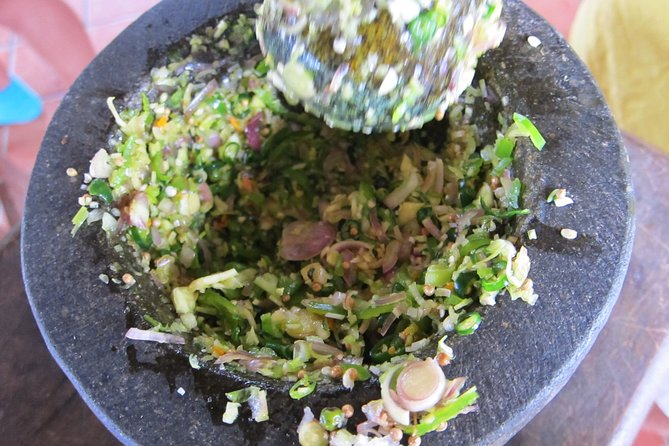
At $56.10 per person for about 4 hours, the value comes from what’s included: instruction, the ingredient-led garden portion, transportation (free to and from your hotel), and the meal you make.
Many cooking classes cost about the same but leave you with a vague result. This one is designed around doing real steps and ending with a full plate of your own cooking. When you factor in transport and a structured, chef-led session, it starts to look like a practical half-day activity rather than a snack-sized demo.
There’s also an option if someone in your group doesn’t want to cook. The person who comes along but doesn’t cook pays an extra 500 Baht per person. That includes sharing the food and transportation. If you’re traveling with a friend or partner who just wants to hang out, that arrangement can make the day work without one person sitting bored while the other cooks.
Class size and timing: why it feels personal
This experience runs about 4 hours. That’s long enough to learn and cook, but not so long that you lose the sense of momentum. You’ll move through pickup, garden time, dish selection, cooking, then a sit-down meal and wrap-up with a certificate.
The small-group format is capped (max 12 people), and the activity list also points to a max of 10 travelers. Either way, the message is the same: you should expect an experience where the chef can keep track of what’s happening at your station.
That matters most for new cooks. Thai cooking can be intimidating because it relies on balance. In a small class, you can get help before you go too far down the wrong path.
Who this Koh Lanta class suits best
I think this cooking class is ideal if you want a hands-on Thai experience without needing to be a serious foodie first.
You’ll likely enjoy it if:
- You want to cook Thai dishes in a real teaching setting, not just watch.
- You care about ingredients and want to see herbs, spices, and vegetables before using them.
- You want flexibility for vegetarian options and spice control.
- You want a half-day plan that doesn’t revolve around the beach.
It’s also a good fit for couples, small groups, and people who like guided activities where you leave with both skills and something tasty to eat.
If you’re traveling with kids, note the age rule: children aged 7–11 can choose only 2 dishes.
The main tradeoffs before you book
This class sounds like a win for most people, but it’s smart to choose with clear expectations.
First, you cook 4 dishes out of 10, and the group vote decides the dish lineup. If you’re strict about eating a particular dish, you might feel a little out of control when the vote happens.
Second, the class requires good weather. If conditions are poor, you’ll be offered a different date or a full refund. Also, the class needs a minimum number of travelers (at least 2 people). If that minimum isn’t met, you’ll be offered a different date or experience or get a refund.
Finally, communication can be smoother when you book with enough buffer time. If your schedule is tight, plan around those practical realities rather than treating this like a last-minute add-on.
Should you book Lanta Thai Cookery School in Koh Lanta?
If you want a fun Thai cooking lesson that includes real ingredient education, you should book this. The combination of the teak-house setting, the garden visit, and the hands-on cooking of 4 dishes makes it feel like more than a typical “cook-and-go” class.
I’d especially book if you like clear instruction and want to control spice level and dietary choices. The small-group vibe and the teaching style (with instructors like Prim singled out for step-by-step clarity and humor) are exactly what make the experience memorable.
Skip it only if you’re obsessed with specific dishes and can’t tolerate the group vote system, or if your plans are so fragile that a weather-based date change would wreck your schedule.
FAQ
How long is the cooking class on Koh Lanta?
It lasts about 4 hours.
Is hotel pickup and drop-off included?
Yes. Free transportation is offered to and from your hotel.
How many dishes will I cook?
You’ll cook 4 dishes out of 10 options.
How are the 4 dishes chosen?
The group votes on which dishes you cook, and those top-voted dishes become the ones you prepare.
Can I choose vegetarian or control spice levels?
Yes. Dishes can be adjusted to be vegetarian or vegan, and you can choose spicy or non-spicy to suit your taste.
What if someone in my group doesn’t want to cook?
They can join without cooking for an extra 500 Baht per person. This includes a share of the food and transportation.
Are kids allowed?
Yes. Children aged 7–11 can choose only 2 dishes.
Is the class affected by weather or group size?
Yes. It requires good weather. It also requires a minimum of 2 people to start; if the minimum isn’t met, you’ll be offered a different date/experience or a refund.