REVIEW · CHENNAI
Chennai Super Market Tour and Cooking Class with a Fun Local
Book on Viator →Operated by Traveling Spoon · Bookable on Viator
Cooking South India in a real home beats guesswork. This private Chennai Super Market Tour and Cooking Class pairs a neighborhood supermarket walk with a hands-on lesson from Sundari, so you understand what you buy and why it matters. I love the way you cook 4–5 vegetarian dishes step-by-step, and I also like that you leave with the recipes to recreate the food later.
One thing to consider: this isn’t an open-air street market stop. You’ll shop a more practical neighborhood supermarket instead, which makes the experience easier to navigate, but it does mean less chaos and fewer roadside-bargaining moments.
In This Review
- Quick highlights I’d plan around
- Starting at Adyar and settling in at Sundari’s home
- The cooking lesson: 4–5 South Indian vegetarian dishes you can actually repeat
- The Sastri Nagar supermarket walk: spices and produce with real context
- Eating your work: how the meal is served and why it matters
- Recipes you take home: what to do with them after Chennai
- Price and value: what $89 really covers in real terms
- Who this Chennai class is best for
- Should you book the Chennai Super Market Tour and Cooking Class with Sundari?
- FAQ
- How long is the Chennai Super Market Tour and Cooking Class?
- Is this a private tour or shared group?
- Where does the tour start and end?
- Do you visit an open market or a supermarket?
- What will I cook during the class?
- Does the experience include the meal you cook?
- Can I take recipes home?
- Can Sundari adjust the menu for dietary requirements or preferences?
- What happens during the supermarket visit?
- What is the cancellation policy?
Quick highlights I’d plan around
- Meet Sundari, a cook since age eight, and start in her converted in-laws’ home
- Hands-on cooking of 4–5 South Indian vegetarian dishes
- Sastri Nagar neighborhood supermarket for spices, produce, and condiments
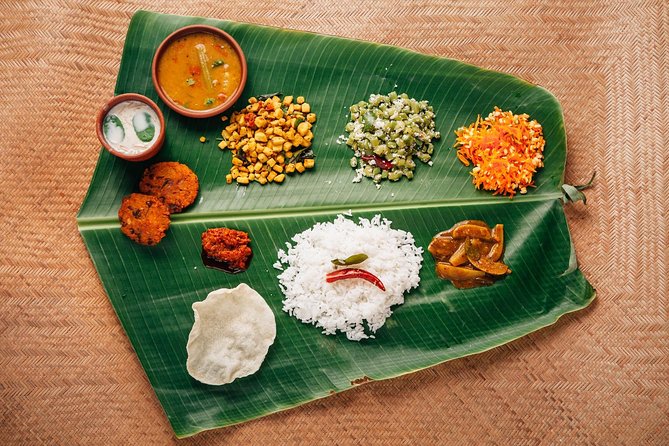
- Eat your meal locally, with hands on stainless steel plates or banana leaves
- Take home recipes and optional spice shopping to continue at your own pace
Starting at Adyar and settling in at Sundari’s home
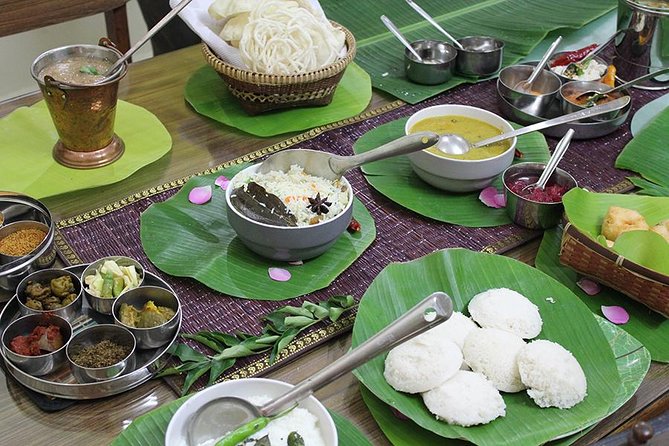
I like this class because it begins like a real visit, not a scripted demo. In Adyar, you’re welcomed by Sundari in her beautifully converted in-laws’ home. The space feels intentionally local: fruit trees around the home, plus traditional art and decor that set the mood for what you’re about to learn.
Sundari is more than just a teacher. She’s been cooking since she was eight, and you can feel how proud she is of Chennai foodways. Before you touch ingredients, she walks you through the dishes you’ll be making and what they represent in South Indian cooking. That small setup matters. If you understand the role of rasam, chutneys, dosas, and spice mixes, then cooking later stops feeling like memorizing instructions and starts feeling like flavor sense.
Timing is also important. The whole experience runs about 4 hours, so you’ll move from welcome to kitchen work to supermarket at a good pace. Expect a tight flow: you’re not waiting around, and you’re not trying to cook your way through a full meal from scratch by yourself at home.
The group is private, meaning it’s only your group with Sundari, and you can ask questions without feeling like you’re sharing your kitchen time with strangers. That also helps if you want to go slower with knife work or get clarification on ingredients.
If you’re wondering about atmosphere, plan on something warm and household-based. After cooking, you’ll eat the meal in Sundari’s home the local way. In other words, this isn’t just about watching. It’s about participating.
You can also read our reviews of more tours and experiences in Chennai.
The cooking lesson: 4–5 South Indian vegetarian dishes you can actually repeat
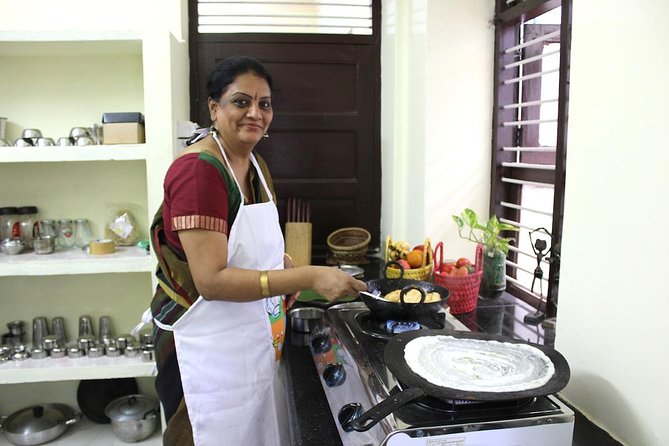
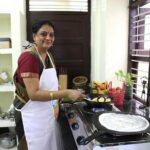
This is the heart of the experience, and it’s hands-on. In Sundari’s kitchen, you’ll prepare 4–5 flavorful South Indian vegetarian dishes. The lesson covers up to five South Indian recipes, so you’re getting variety without the stress of trying to master ten things in one afternoon.
The food focus is very Chennai and very South Indian: dishes you might make include rasam (spiced lentil soup), vegetable stew or curry, and dosas (plus other savory treats that fit the lesson plan). Even if your exact menu changes slightly based on season or what’s best to cook, the structure stays the same: you learn technique, not just recipes.
Here’s what makes the lesson practical for you. South Indian cooking relies on a few repeated building blocks—lentils, tamarind or souring ingredients (often used in rasam), spice tempering, and chutney/sambar-style flavor patterns. When you cook alongside Sundari, you see how those parts fit together. You also learn how to adjust taste while you cook, which is the difference between a recipe that reads well and one that works in your own kitchen.
You’ll also get guidance on plating and serving. After cooking, you’ll eat with your hands on stainless steel plates or fresh banana leaves. That’s not just cultural theater. It teaches you how the food is meant to be eaten—how flavors mix with rice or dosa, and how saucy components work with crisp or soft textures.
If you have a specific preference, tell Sundari ahead of time. The experience can shift toward making tiffin-style items—dosa, idli, vadas—and the accompanying chutneys and sambar. That’s a great option if you’re the type who wants breakfast-and-snack flavors rather than a single steady plate of lunch-style dishes.
The Sastri Nagar supermarket walk: spices and produce with real context
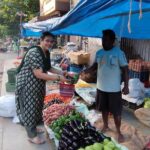
After cooking, you go shopping—but not in an open-air market. You’ll stroll to a neighborhood supermarket in Sastri Nagar, a more convenient choice than crowded roadside markets. The trade-off is clear: it’s easier to move through, and it avoids the traffic and roadside vendor chaos that can make open markets hard to navigate.
What you’ll do there is the useful part. Sundari guides you through South Indian staples—spices, fresh produce, and condiments—and explains how they show up in Chennai cooking. This is where the class becomes more than a one-time meal. You’re learning what to buy, how those ingredients are used, and what matters when you’re trying to recreate the food later.
If you’ve ever bought spices without knowing how they’re actually cooked into the dish, you’ll appreciate this stop. In a supermarket setting, it’s simpler to compare options and decide what you truly need. Sundari can also help you purchase spices you want to take home, which is a real value-add if you don’t know which blends or single spices match the dishes you just cooked.
You’ll likely notice that South Indian flavor is layered. It’s not just chili heat. It’s sourness, aroma, and balance from spices plus lentils and vegetables. When Sundari points to ingredients in the store, she’s giving you the logic your taste buds will need once you’re back in your own kitchen.
If you like practical shopping, this stop is designed for you. You’re not wandering for entertainment. You’re shopping with purpose, then returning to your kitchen plan with a cleaner shopping list in your head.
Eating your work: how the meal is served and why it matters
This experience doesn’t stop at cooking. You sit down and eat your meal with Sundari, and drinks are included. That matters because you get to taste the results in the same setting where they were made. You can ask, tweak, and learn what combinations worked best without the class ending right when the food is done.
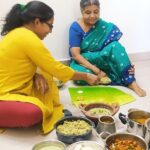
The meal may feature some of the dishes you helped prepare—often including rasam, vegetable curry or stew, dosa-style items, and other savory sides. You’ll eat in a distinctly local way: with your hands on stainless steel plates or on fresh banana leaves. It’s not just tradition for show. Eating this way encourages you to combine rice (or dosa pieces) with the right spoonfuls and sips.
What I find helpful as a foreign visitor is that banana leaf or steel plate setup changes how you portion and mix. With hands, you learn textures and consistency fast—how thick a curry should be, how thin rasam tastes at the right level, and what “correct” mixing looks like. It’s a quick feedback loop.
Also, since it’s a private experience, you’re less likely to feel rushed while eating. You’re not trying to swallow your food between group photos. This is meant to feel like a shared home meal.
If you join for dinner or a weekend session, you’ll also meet Sundari’s husband, Krishna. He’s described as a true foodie who enjoys meeting new people and adding lively conversation. Even if you’re not a big talker, it’s nice to know that the experience can grow beyond the cooking itself into actual household chat.
Recipes you take home: what to do with them after Chennai
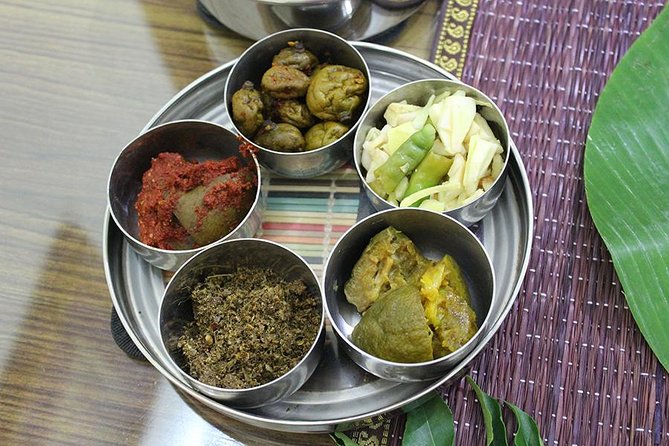
The class includes recipes to take home, and that’s one of the best parts. A lot of cooking classes give you vague notes. Here, you’re set up to recreate what you cooked rather than just remembering it as a nice meal.
The recipes matter most if you cook at all at home. If you’re only planning to eat this once, the class still feels fun. But if you’re curious about South Indian flavors, you’ll likely use the recipes as a guide for building your own spice shelf and timing your steps.
Here’s a practical way to use what you’ll learn:
- Make one dish first, then build outward to the others from the same ingredient family
- Use your supermarket purchases as the baseline for texture and spice levels
- Pay attention to how Sundari teaches balance, especially in the sour and savory elements common in Chennai cooking
Because the lesson includes a supermarket visit, you leave with a clearer picture of how to shop. That’s huge for success later. If you buy random spices without a reason, the final flavor often doesn’t match. If you buy based on what you just cooked, you get closer fast.
Also, if you told Sundari you prefer tiffin and she adjusts the menu, your recipes will align with that focus. That’s useful if you want a weekend breakfast project rather than a single lunch menu.

Price and value: what $89 really covers in real terms
At $89 per person, this can look like a “nice” splurge. But in context, the pricing makes more sense because you’re paying for multiple things at once.
You’re getting:
- A private 3-hour cooking lesson (hands-on, not passive)
- A neighborhood supermarket visit with guidance on spices and ingredients
- The full meal you helped make, served locally
- Drinks included
- Recipes you can take home
If you were to do this on your own, you’d still have costs: ingredients, spice experimentation, and the time to learn techniques that a recipe alone might not explain. Here, Sundari is doing the hard part—translating tradition into repeatable steps.
One more quiet value point: the class is designed around a convenient supermarket, not an open market that can be hard to navigate. That saves you time and energy. In a short 4-hour window, that matters.
So, the question isn’t only whether $89 is high or low. It’s whether you want more than a meal. If you want to learn, eat in a real home setting, and leave with recipes, this price is pretty reasonable for what’s included.
Who this Chennai class is best for
This works especially well if you want a South Indian food experience that’s practical, not touristy.
You’ll likely enjoy it if you:
- Want to learn South Indian vegetarian cooking basics with guidance
- Like market-to-kitchen experiences, where buying ingredients is part of the lesson
- Prefer private, question-friendly teaching over crowded group demos
- Want to eat a homemade meal and learn the right way to combine flavors
You might want to think twice if you:
- Expect an open street market with roadside vendors and heavy bargaining
- Want meat-based cooking lessons (the focus here is vegetarian)
- Have dietary needs and aren’t comfortable sharing them at booking time (you should advise specific dietary requirements when booking)
It’s also a good fit for people who love Chennai culture through food. The home setting, the cooking storytelling, and the way Sundari explains ingredients connect the experience to daily life, not just to dishes.
Should you book the Chennai Super Market Tour and Cooking Class with Sundari?
If you’re excited by the idea of cooking South Indian vegetarian dishes, shopping for the right spices with help, and eating what you make in a real home, I think you should book this.
This isn’t just a cooking class. It’s a tidy package: learn technique, shop smarter, then sit down and enjoy the results with drinks. And with a private setup, it feels personal rather than rushed.
Before you book, make sure you’re comfortable with the supermarket format (not an open market) and that you’ve shared any dietary requirements you have. If those two things fit your expectations, you’ll probably leave with both full belly and usable recipes.
FAQ
How long is the Chennai Super Market Tour and Cooking Class?
The experience runs about 4 hours.
Is this a private tour or shared group?
It’s private. Only your group participates.
Where does the tour start and end?
It starts in Adyar, Chennai, Tamil Nadu, India, and ends back at the meeting point.
Do you visit an open market or a supermarket?
You visit a neighborhood supermarket (Sastri Nagar) instead of an open market.
What will I cook during the class?
You’ll prepare 4–5 South Indian vegetarian dishes, covering up to five recipes. Dishes mentioned can include rasam, vegetable stew or curry, dosas, and other savory treats.
Does the experience include the meal you cook?
Yes. After cooking, you eat your meal with the host, and drinks are included.
Can I take recipes home?
Yes, you’ll take home the recipes.
Can Sundari adjust the menu for dietary requirements or preferences?
You should advise any specific dietary requirements at booking. Also, if you prefer to learn tiffin-style items like dosas, idlis, and vadas with chutneys and sambar, you can let Sundari know ahead of time.
What happens during the supermarket visit?
Sundari guides you through spices, fresh produce, and condiments used in South Indian cuisine, and she can help you purchase spices you want to take home.
What is the cancellation policy?
You can cancel for a full refund up to 24 hours in advance of the experience start time. Free cancellation is available, with refunds not issued if you cancel less than 24 hours before.