REVIEW · ELLA SRI LANKA
Ella: Sri Lankan Cooking Class with Neranji at Homestay
Book on GetYourGuide →Operated by Cook with Neranji · Bookable on GetYourGuide
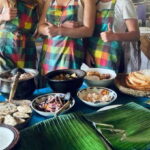
Spices take over your evening in Ella. In Neranji’s homestay kitchen, you learn Sri Lankan cooking hands-on and you leave with recipes and spice mixes to recreate the dishes at home. Using seasonal produce, the class turns curries, sambols, and rotis into a practical, flavor-by-flavor lesson.
Just be aware it is not a fit for people with food allergies, since this is a home-kitchen class built around traditional ingredients. Also, transportation to the class isn’t included, so plan how you’ll get there.
In This Review
- Key Things I’d Bet You’ll Care About
- Why Neranji’s Homestay Kitchen Feels Different in Ella
- What You Can Cook: Curries, Sambols, Roti, and Papadom
- Popular choices during the class
- Optional special dishes (need advance notice)
- The Real Schedule: From Prep to Dinner Plate
- Spice Methods You’ll Actually Remember After
- Coconut Milk, Rice Steps, and Other Kitchen Basics That Matter
- The Food at the End: You Eat What You Cook
- Price and Value: Why $19 Can Be a Big Win in Ella
- Language and Group Size: How That Affects Your Experience
- Where This Fits Best (and Who Might Skip It)
- Should You Book the Ella Cooking Class with Neranji?
- FAQ
- What is the duration of the cooking class?
- How much does the class cost?
- What’s included in the price?
- What is not included?
- How large is the group?
- What languages will the instructor use?
- Can I choose which dishes to cook?
- Are special dishes available?
- Is the class suitable for people with food allergies?
- Is there a way to cancel for a refund?
- Is pay-later available?
Key Things I’d Bet You’ll Care About
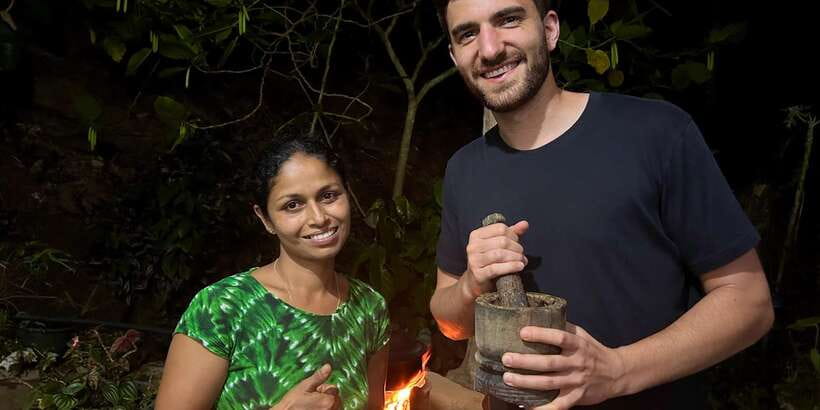
- A local homestay setup: Neranji teaches in her home kitchen in Ella, not a commercial demo space.
- Small-group hands-on cooking: up to 10 people, with real chopping, mixing, and cooking work.
- Pick-your-dishes flexibility: curries, salads, roti, papadom, and sambols, plus optional special dishes with notice.
- Take-home spices and recipes: you get both ingredients and written recipes for what you cook.
- English instruction with local context: Neranji explains in English (and Singhalese), including traditional spice methods.
Why Neranji’s Homestay Kitchen Feels Different in Ella
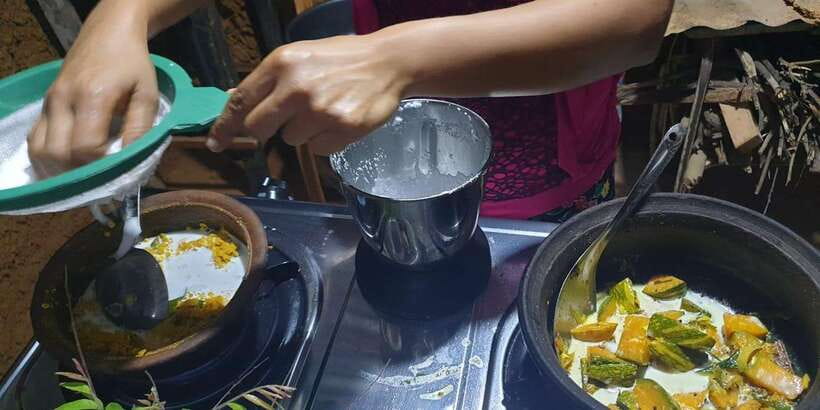
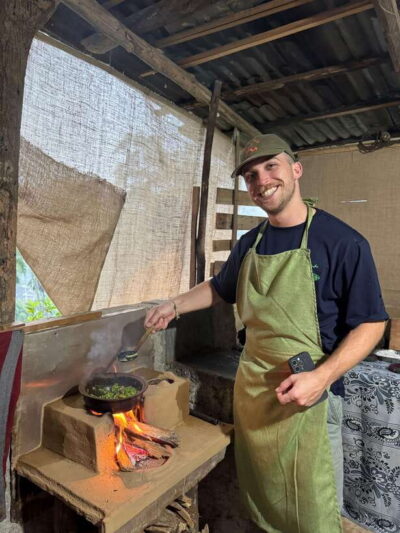
Ella is full of good restaurants. This is different because you’re not just eating Sri Lankan food, you’re making it in the place where it’s cooked day-to-day. Neranji welcomes you into her kitchen, guides you through the process, and keeps you involved while the meal comes together.
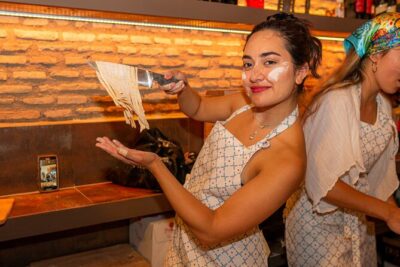
What I like most is how practical the teaching feels. You don’t sit passively. You work along with her as she shows traditional spices, techniques, and the small steps that make a curry taste balanced instead of flat. And when you finish, you eat what you cooked, which turns the whole session into one complete arc: learn → cook → taste → understand.
The main consideration: if you have any food allergies, treat this as a hard stop. The class is built around preparing traditional dishes with ingredients that aren’t described here as allergy-managed, so you’d be taking a real risk.
You can also read our reviews of more tours and experiences in Ella Sri Lanka.
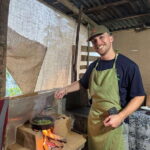
What You Can Cook: Curries, Sambols, Roti, and Papadom
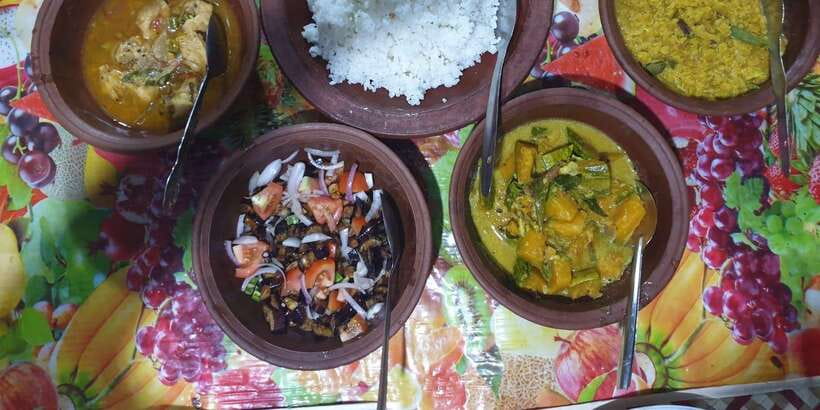
You choose from a menu of Sri Lankan favorites, and that choice matters because it shapes what you’ll be able to recreate at home. The standard lineup includes curries and sides, with options that cover lentils, vegetables, and proteins.
Popular choices during the class
You can typically pick from curries like:
- potato curry
- dhal (lentil curry)
- pumpkin curry
- beans curry
- fish curry
- chicken curry
For the fresh, crunchy side of the plate, you can choose things like:
- eggplant salad
- carrot sombol
- coconut sombol
- papadom
These aren’t just “snacks.” They teach you how Sri Lankans balance creamy, spiced elements with something bright, textured, and cooling.
Optional special dishes (need advance notice)
If you want Neranji’s special dishes, you can request them, but you must do it at least 24 hours ahead so the ingredients can be organized:
- banana flower curry
- jackfruit curry
- sweet onion curry
- mango curry
- coconut rotti
If you’re the type who likes learning one standout dish that you can’t easily recreate from memory, this is the place to do it. Just remember the advance notice rule.
The Real Schedule: From Prep to Dinner Plate
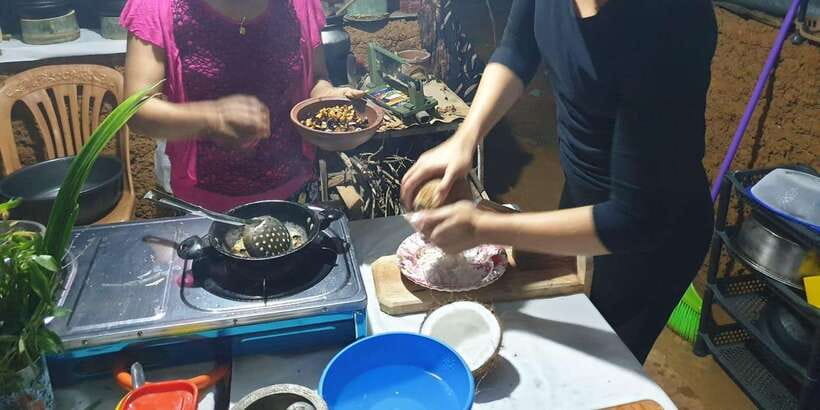
The class runs about 2 to 3 hours, and the flow is built to end with a full meal. Expect the time to be a mix of explanation and hands-on cooking, then a sit-down eating moment where you enjoy the results.
Here’s what that usually looks like in practice:
- You start in Neranji’s kitchen, where she sets up the ingredient basics.
- You take part in prepping components (chopping and cooking steps are part of the experience).
- You learn about Sri Lankan spices and how they work together in curries and sides.
- You finish by eating everything you prepared, so the class ends as dinner, not just a cooking demo.
That last part is important for value. You’re not paying for instruction alone—you get a meal that reflects what you cooked.
Spice Methods You’ll Actually Remember After
Sri Lankan cooking is all about spices, but the lesson isn’t just “use more seasoning.” Neranji’s approach focuses on how to work with herbs and spices as ingredients—what they do when combined, and how the cooking process changes them.
From what you’ll be taught, you should walk away with a few core takeaways:
- how traditional spices are used in Sri Lankan curries
- how coconut-based elements are created (including coconut milk from scratch)
- how different dishes rely on different balancing moves
You’ll also learn local ingredients in a practical way—what they are, where they fit on the plate, and how they shape flavor.
If you’re worried about recreating Sri Lankan cooking at home with limited ingredients, you’ll likely find the discussion helpful because the class includes practical notes on spice use and ingredient swaps in a way that helps you cook later rather than just take photos during class.
Coconut Milk, Rice Steps, and Other Kitchen Basics That Matter
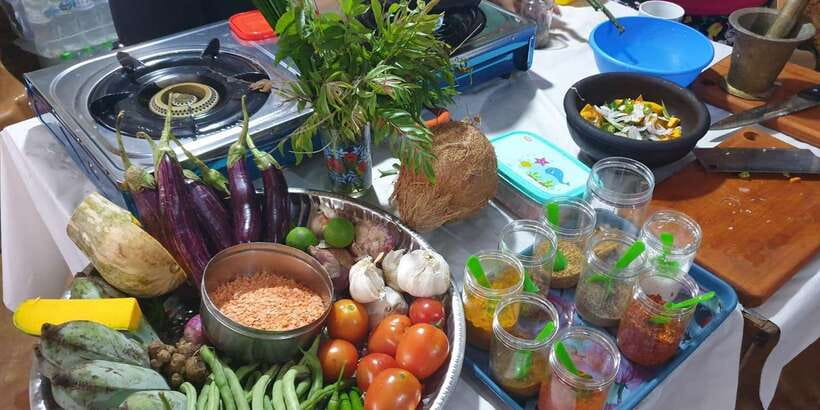
Several past participants highlighted the kind of small kitchen steps Neranji emphasizes. This isn’t only about the final curry. It’s also about the groundwork that makes the whole dish taste right.
A few examples from the teaching style you can expect to hear about:
- making coconut milk from scratch
- traditional prep steps like cleaning rice
- cooking methods that use both older techniques and straightforward explanations
Those details are the difference between cooking something that tastes like a guess versus something that tastes like Sri Lanka. When you learn the foundational steps, you’re not stuck translating a recipe word-for-word. You can adapt and still get the same outcome.
The Food at the End: You Eat What You Cook
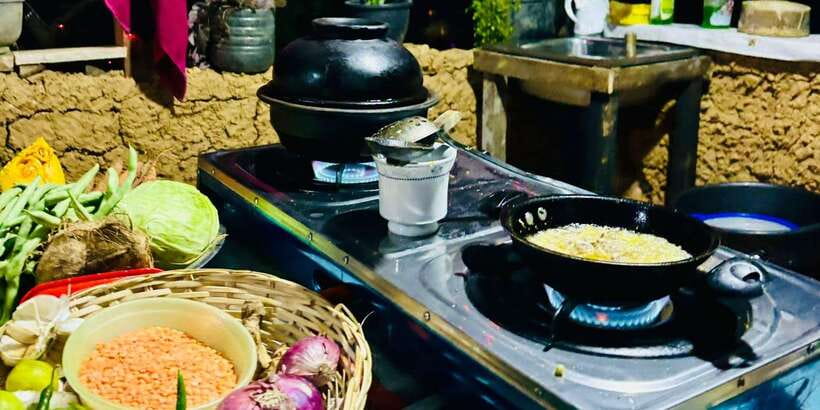
The class ends the way it should: you sit down and eat the meal you made. That part is consistently described as a big payoff, and it makes sense. When you taste your own cooking right after learning it, you can connect cause and effect instantly.
Expect the meal to include a mix from your selections—curries, sambols or salads, papadom, and roti depending on what you chose. If you picked multiple dishes, you’ll likely experience the full Sri Lankan spread: creamy or spiced curry flavors alongside fresh and crunchy sides, plus something made from grain like roti.
This is also where the homestay atmosphere adds something intangible. It’s relaxed, you get to chat, and the food becomes the shared centerpiece.
Price and Value: Why $19 Can Be a Big Win in Ella
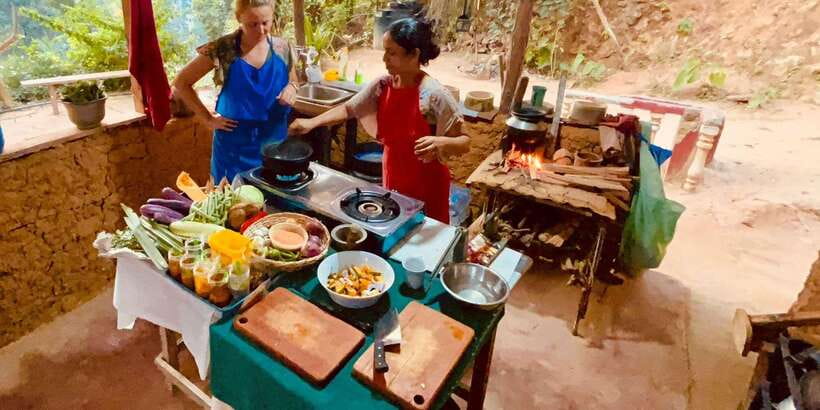
At $19 per person, this is priced like an activity, not a luxury food tour. And for that money, you’re not only paying for instruction—you’re paying for:
- a traditional Sri Lankan cooking class
- preparation of multiple dishes
- special spices and ingredients you can take home
- recipes for all dishes prepared during the class
That take-home element is key for value. Many cooking classes teach techniques but leave you with nothing usable at home. Here, the promise is that you leave with spices/ingredients plus recipes, which makes it a real souvenir you can cook with later.
Two more value boosters:
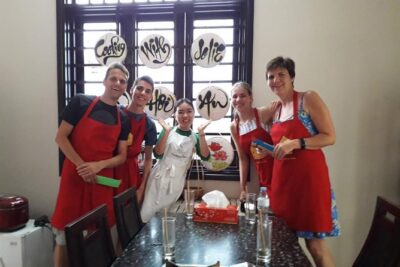
- the group is small (limited to 10), so you’re more likely to get hands-on help
- the class is in Ella with a local chef, so it feels tied to place, not generic
The only cost you should plan for is getting to the meeting point, since transportation isn’t included.
Language and Group Size: How That Affects Your Experience
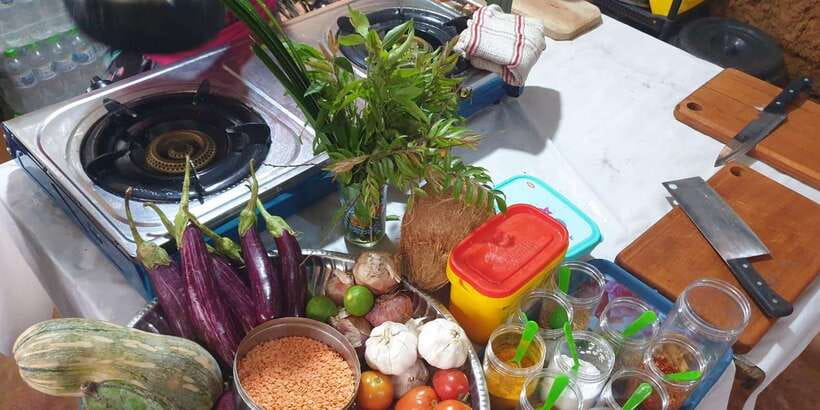
You’ll be taught by Neranji in English, with Singhalese also used as needed. In a cooking class, language matters because you need to understand timing and technique while your hands are moving.
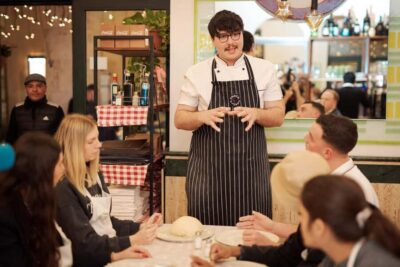
Small-group size also helps. With a limited number of participants, it’s easier for the instructor to check what you’re doing and explain the next step without turning the class into a lecture.
If you’re coming with a friend, you’ll still benefit from the group energy. And if you’re traveling solo, the meal shared at the end gives you a natural social moment without being forced.
Where This Fits Best (and Who Might Skip It)
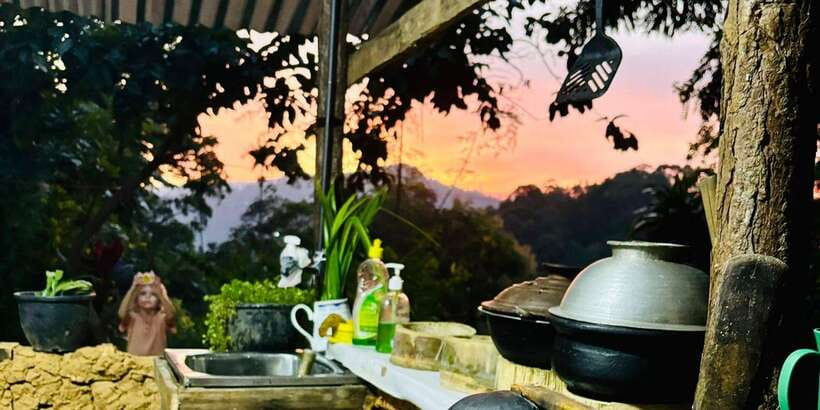
This is a great fit if:
- you want a real hands-on introduction to Sri Lankan flavors
- you like learning spices and techniques you can use at home
- you want to eat a full meal that you helped prepare
It might not be your best choice if:
- you have food allergies or strict dietary needs you need the kitchen to manage (the class is not described as allergy-friendly)
- you only want a quick taste of local food rather than learning how it’s made
It’s also ideal for people staying in or near Ella who want one memorable evening that combines culture, cooking, and dinner in the same stop.
Should You Book the Ella Cooking Class with Neranji?
Yes, I’d book it if you want more than another meal. For the price, you get a full teaching-and-eating experience, plus the practical stuff: spices/ingredients and recipes you can cook with later. Neranji’s style is hands-on and centered on traditional methods, and the results land on your plate, right away.
If you have allergies, skip for safety and look for an option that clearly manages your needs. And if you rely on others for transport, make sure you’ve sorted getting to the meeting point since transportation isn’t included.
If you’re in Ella and you like cooking, this is the kind of experience that actually sticks.
FAQ
What is the duration of the cooking class?
The class lasts about 2 to 3 hours.
How much does the class cost?
It costs $19 per person.
What’s included in the price?
You get the traditional Sri Lankan cooking class, preparation of various dishes, special spices and ingredients to take home, and recipes for all dishes prepared.
What is not included?
Transportation to and from the cooking class location is not included.
How large is the group?
It’s a small group limited to 10 participants.
What languages will the instructor use?
The instructor teaches in English and Singhalese.
Can I choose which dishes to cook?
Yes. You can choose from curries, salads, roti, papadom, and sambols.
Are special dishes available?
Yes, options like banana flower curry, jackfruit curry, sweet onion curry, mango curry, and coconut rotti are available if you request them at least 24 hours in advance.
Is the class suitable for people with food allergies?
No. It is not suitable for people with food allergies.
Is there a way to cancel for a refund?
You can cancel up to 24 hours in advance for a full refund.
Is pay-later available?
Yes. You can reserve now and pay later, which means you pay nothing today.