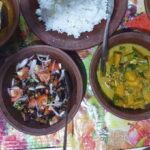
REVIEW · ELLA SRI LANKA
Ella Sri Lanka : Mom’s Kitchen Cooking class
Book on GetYourGuide →Operated by Ella : Mom's kitchen cooking class ( flavours of tradition ) · Bookable on GetYourGuide
Ella is famous for views, but this class gives you something better: real food skills. In Mom’s Kitchen Cooking Class (Flavors of Tradition), I love the small group setup and the way Kamala and Irosha teach you how simple Sri Lankan dishes come alive with the right spice timing. The one thing to consider is that it’s a hands-on session, so if you want to watch only, you may feel slightly rushed.
This is a 2-hour, family-run cooking lesson in the Eastern Province area of Sri Lanka, focused on fresh ingredients and practical methods you can repeat at home. You’ll cook multiple dishes, share the meal afterward, and leave with recipes (often sent directly after the class).
In This Review
- Key highlights worth planning for
- A small-group Sri Lanka cooking class where you work, taste, and learn fast
- Meet Kamala and Irosha: clear teaching in a true family kitchen
- Outdoor kitchen setup: fire, fresh prep, and practical food handling
- What you’ll cook in the 2 hours: curries plus the sides that define Sri Lankan meals
- Curries: learning how the same spices create different flavors
- Coconut sambol: the hands-on “finish” that makes the meal taste complete
- Papadam: a crisp side that’s simple but satisfying
- How it feels while you cook
- The communal meal: sit together, taste your work, and get the real takeaway
- Recipes to take home: the part that makes this more than a fun afternoon
- Price and value: why $20 feels fair for what you get
- Who should book this cooking class in Ella (and who might skip it)
- Should you book Mom’s Kitchen Cooking Class in Ella?
- FAQ
- FAQ
- What is the duration of Ella Mom’s Kitchen Cooking Class (Flavors of Tradition)?
- How much does the cooking class cost?
- How many people are in the group?
- What’s included in the ticket price?
- What dishes will I cook?
- Is there a meal at the end?
- Who teaches the class?
- Are recipes included for use at home?
- Can they handle dietary requests?
- What’s the cancellation policy?
- Can I book and pay later?
Key highlights worth planning for
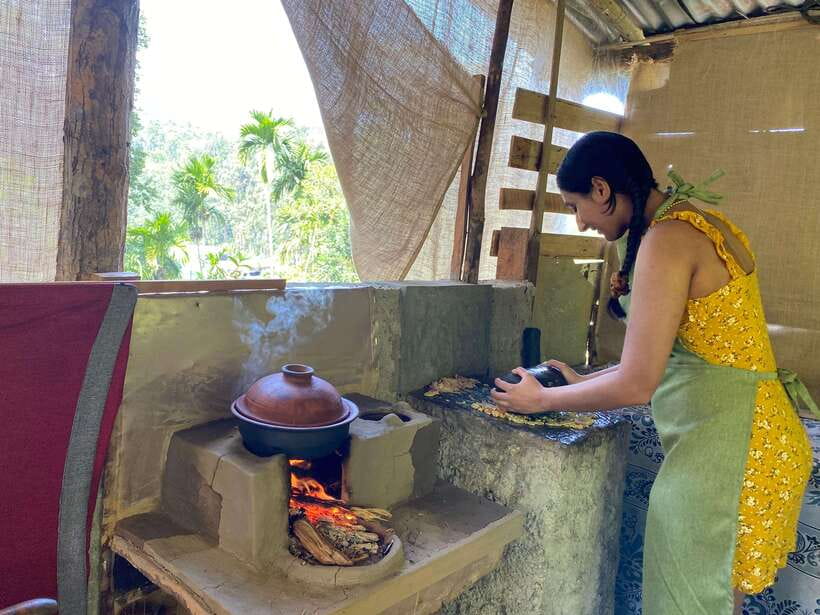
- Mom-and-daughter teaching team: Kamala and Irosha run the session with warm, clear English explanations.
- Outdoor kitchen feel: you cook in a home setting with a view, often using fire and traditional tools.
- Hands-on from start to finish: chopping, peeling, grinding spices, aromatizing oil, frying, mixing, and seasoning.
- Spice logic that makes sense: you learn how a few key spices create several different curries.
- Coconut sambal + papadam are common: classic Sri Lankan sides show up in many menus.
- Recipes you can actually use: you get the dishes’ recipes to recreate later, including via WhatsApp for some sessions.
A small-group Sri Lanka cooking class where you work, taste, and learn fast
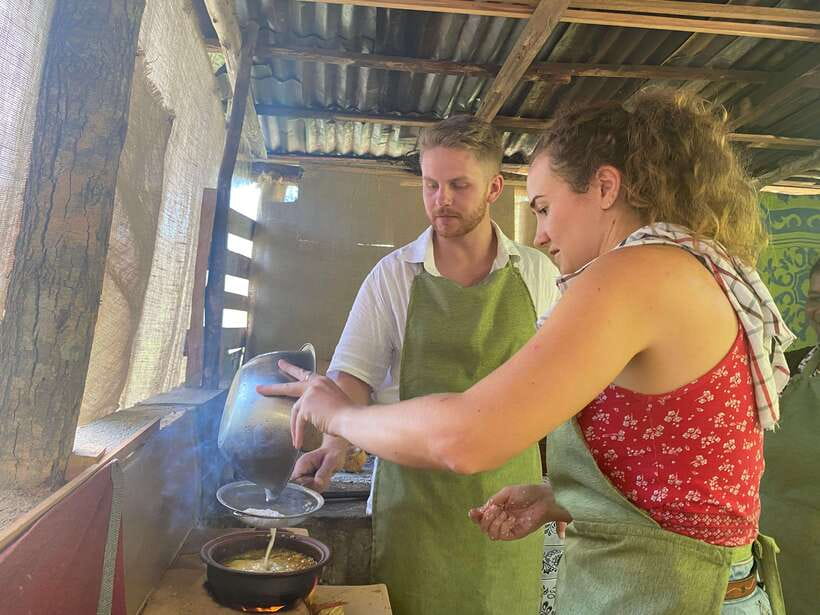
At $20 per person for a 2-hour class with a meal included, this is priced like a fun afternoon rather than a big production. And that matters, because you’re not paying for a stage show. You’re paying for food prep coaching: how to handle ingredients, how to build flavor, and how to keep the process moving.
You’ll be in a group capped at 6 participants. That’s a big deal. It means Kamala and Irosha can guide you while you’re doing the chopping, grinding, and stirring, not just while you’re listening. Many people come to Ella for scenery. I like that this experience swaps scenery-for-skills: you leave knowing what to do when you’re standing in your own kitchen again.
The pace is quick, but the instructions are step-by-step. People consistently mention how friendly the hosts are and how the class stays collaborative, even when everyone is cutting, frying, and seasoning at the same time. Expect the atmosphere to feel homely, not formal.
You can also read our reviews of more tours and experiences in Ella Sri Lanka.
Meet Kamala and Irosha: clear teaching in a true family kitchen
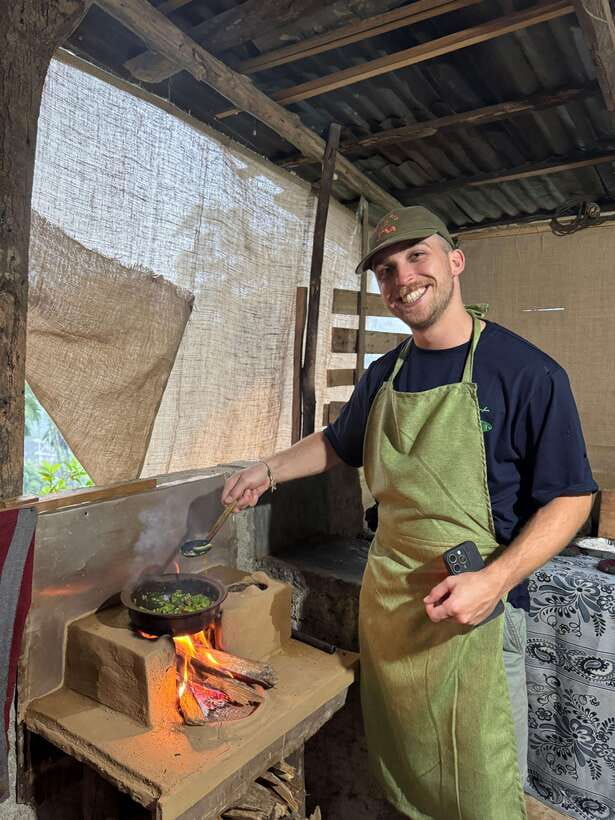
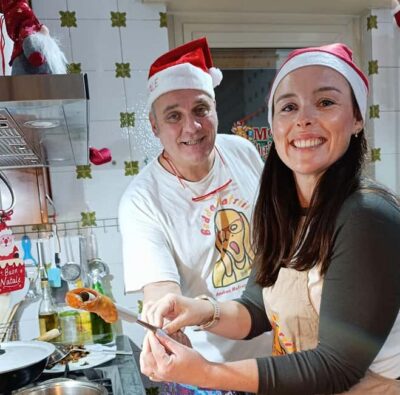
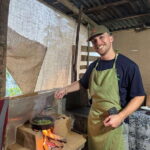
What makes this class different is who teaches it. Kamala and Irosha aren’t “guides” in the tour-bus sense. They’re a mother-and-daughter cooking team, and their comfort with sharing cooking knowledge shows in how they explain each step.
You’ll start with a welcome and an orientation to what you’ll do during the session. Then you’ll typically get a short look around: how their kitchen works, what tools they use, and which ingredients matter for the day’s menu. Several cooking-method moments come up repeatedly in this experience: grinding spices, cooking on fire and gas, and using traditional prep tools (including stone-style techniques in some sessions).
I like that the explanations aren’t “mystery spices.” They focus on process. You learn what’s supposed to happen in the pan, what changes when the oil is ready, and how to season without guessing. If you’ve tried Sri Lankan food before and wondered why it tastes so distinct, this class helps you translate that flavor into a repeatable routine.
Outdoor kitchen setup: fire, fresh prep, and practical food handling
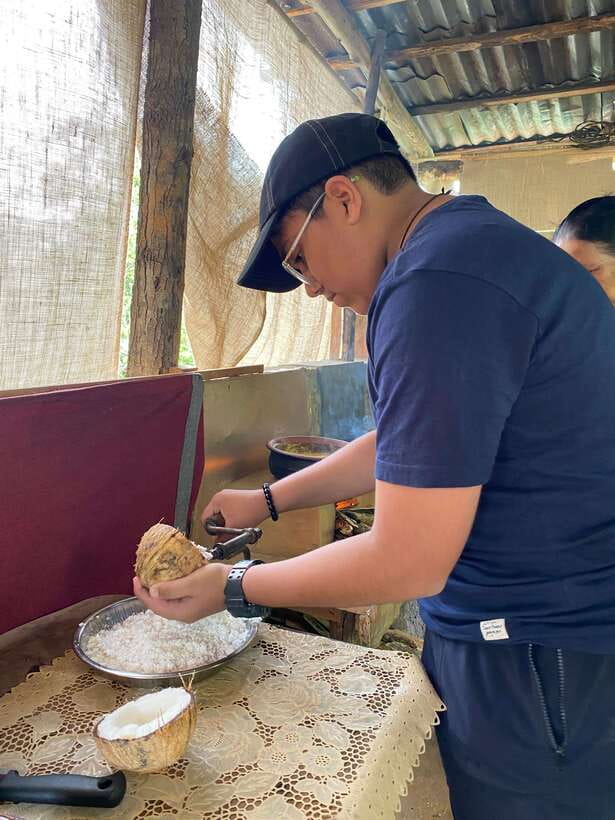
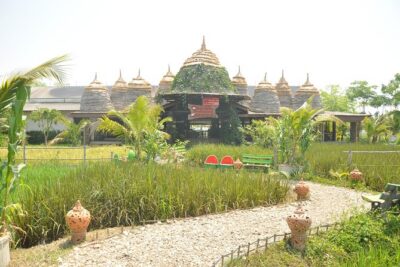
The cooking happens in a home outdoor kitchen space, often described as being in a more natural, scenic setting with a view of Ella. That’s not just nice scenery. It changes your relationship with cooking. You smell spices right as they hit hot oil. You hear the sizzle. You see the ingredients go from raw to sauce instead of watching it happen off to the side.
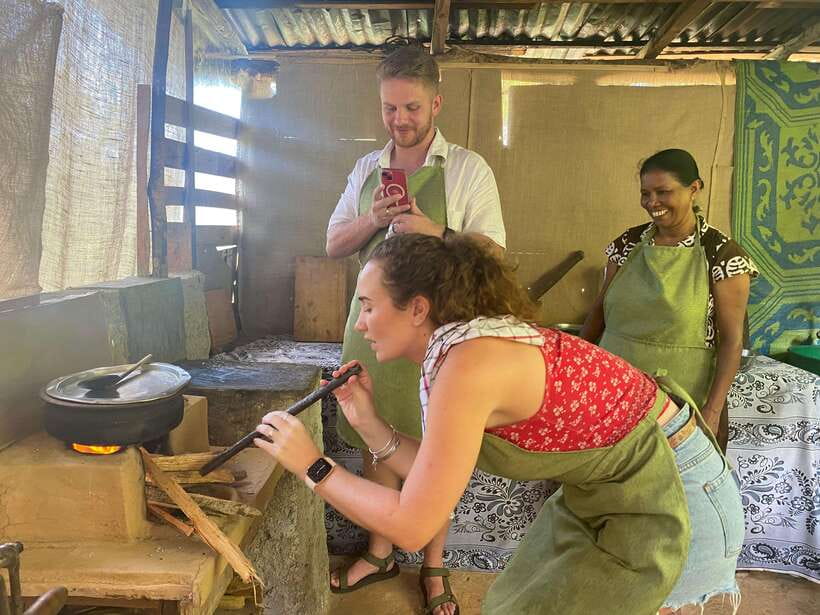
In many sessions, you cook on a woodfire stove or fire setup, and you may also use gas depending on what’s being prepared. Either way, you’ll get hands-on with the real mechanics: aromatizing oil, frying spices, stirring curries, and adjusting seasoning.
Food safety is taken seriously here. Multiple people mention impeccable food handling standards and a clean cooking area. That’s important because in cooking classes you’re often eating what you made moments later. This one feels organized enough that you can relax and enjoy the meal rather than worry about the basics.
What you’ll cook in the 2 hours: curries plus the sides that define Sri Lankan meals
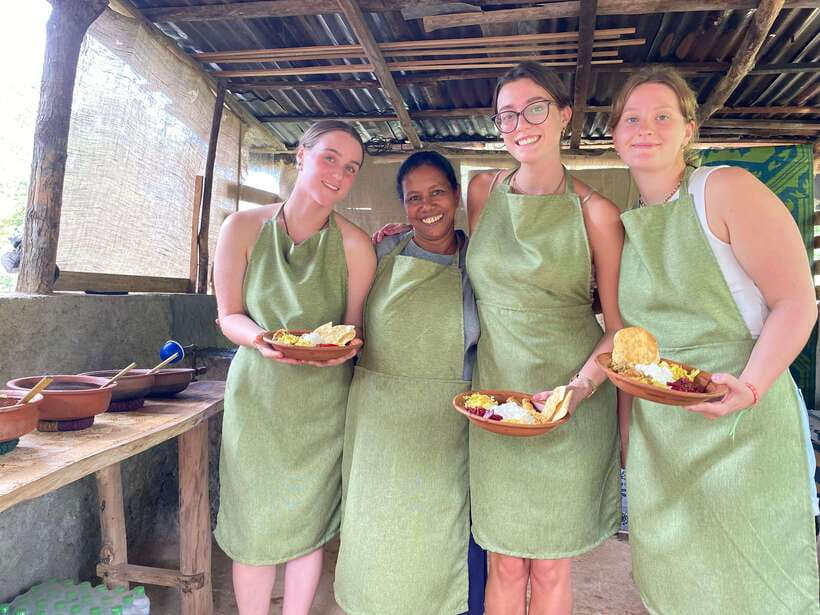
The class format is “multiple courses,” but the menu focus is clearly Sri Lankan home-style curries and sides. In different sessions, you can expect to prepare several curries—often in the 4 to 5 range—and classic accompaniments such as coconut sambol and papadam.
Here’s the practical way to think about it:
Curries: learning how the same spices create different flavors
A recurring theme is that you use a limited set of spices across dishes, then apply them with different technique and ingredient combinations to get different results. That’s why people come away saying they can recreate it at home.
You might work on:
- chicken curry or chicken rice-and-curry style dishes
- vegetable curries like mango curry, beetroot curry, and bean curry
- rice and other Sri Lankan staples served with the curries
What you’re learning isn’t just one recipe. You’re learning the logic of curry building:
- grinding and prepping spice blends
- aromatizing spices in hot coconut oil or oil
- combining ingredients and balancing seasoning
Coconut sambol: the hands-on “finish” that makes the meal taste complete
Coconut sambol comes up again and again. It’s one of those dishes that doesn’t just taste good; it teaches you how Sri Lankan flavor lands on the tongue—fresh, spicy, and bright.
You can expect some combination of grating fresh coconut and mixing it with spiced ingredients under the hosts’ guidance. It’s a quick win for flavor, and it’s also one of the easiest things to repeat later because you can measure and adjust at home.
Papadam: a crisp side that’s simple but satisfying
Papadam appears in many menus. You’ll see how it fits into the overall meal: crispy texture against rich curry sauce. It also adds variety when you’re making several curries back-to-back.
How it feels while you cook
This class doesn’t separate you into “helper” roles. You’ll usually take part in most of the steps: chopping, peeling, washing ingredients, cracking or grating coconut, mixing spice blends, frying, and seasoning. Several people note how everyone had to pitch in, which makes the whole session feel like a shared project.
If you enjoy cooking and don’t mind getting your hands involved, you’ll love it. If you’re the kind of person who wants a calm, seated tasting-only class, you may find it too active.
The communal meal: sit together, taste your work, and get the real takeaway
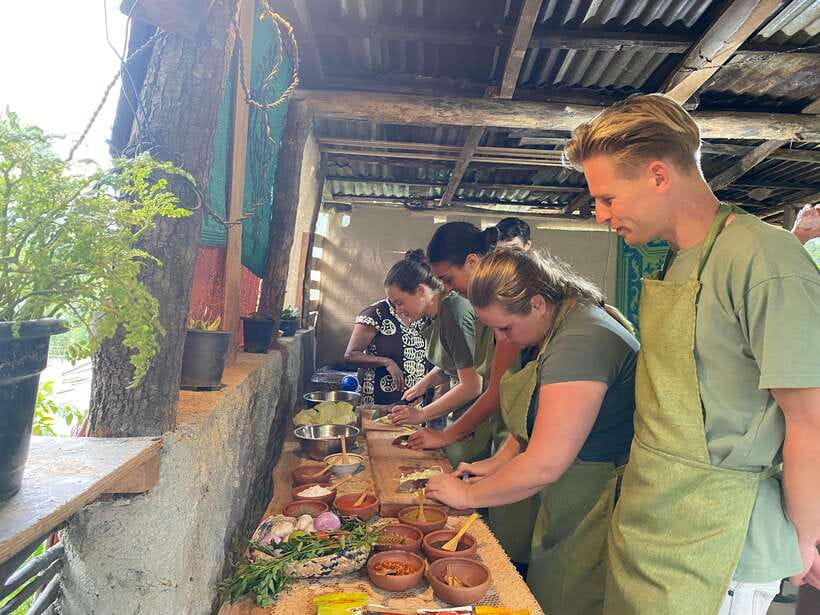
After the cooking, you eat what you made. This is a communal meal in a home setting, often with a nice outdoor view. The point isn’t just to reward your effort. It’s to help you connect technique to flavor.
When you taste the curries and sides, you can instantly tell what you did right (and what you’d tweak next time). That’s the learning moment. A lot of cooking classes teach you steps. This one also helps you taste what those steps actually create.
People repeatedly describe the end result as some of the best food they had in Sri Lanka. That likely comes from two things:
- you’re cooking with fresh, locally sourced ingredients
- you’re cooking with guidance that keeps technique from going sideways
You’ll also see why the hosts care about explanation. Several sessions include recipe handover so you can continue the cooking at home.
Recipes to take home: the part that makes this more than a fun afternoon
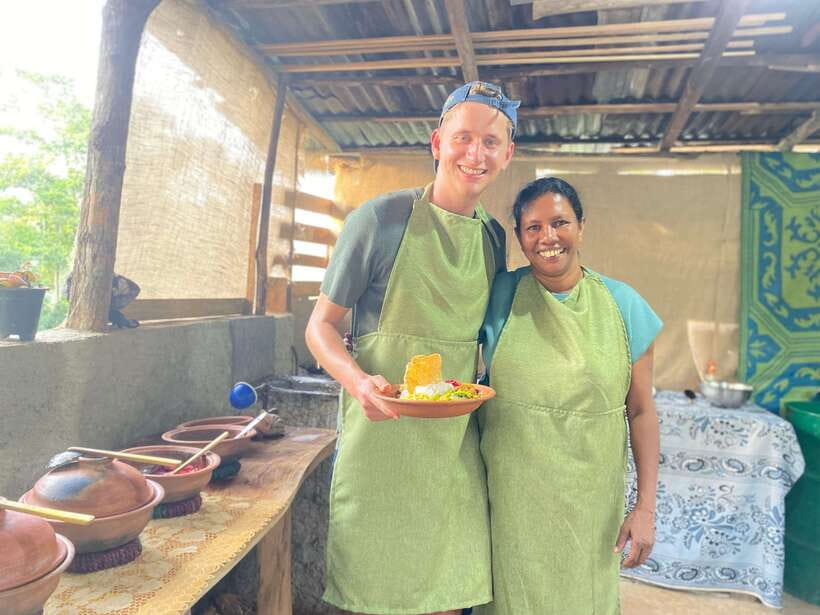
A common highlight is that you leave with recipes. Some people get the recipes in print. Others receive the recipes via WhatsApp after the class. Either way, the key is that the notes help you recreate what you cooked, not just what you tasted.
I like that the class structure often uses overlapping spice foundations across dishes. That makes your “practice” easier. If you buy one set of spices and learn the timing once, you can repeat more than one curry style at home.
Practical tip: if you want to recreate the flavors quickly, focus on the spice prep and oil aromatizing step first. That’s where many people say the magic happens.
Price and value: why $20 feels fair for what you get
Let’s talk value in plain terms.
You pay $20 for:
- a 2-hour hands-on cooking class
- locally sourced ingredients
- a meal you eat together
- small-group coaching (up to 6 people)
- take-home recipes
In Ella, a lot of food experiences charge more for less. Here you’re paying for coaching time and ingredient work. It’s not just a tasting event. It’s a skill workshop with a satisfying result at the end.
And because it’s in a home setting with a family-run team, it tends to feel personal. People mention that even with small numbers—sometimes solo bookings or small parties—the hosts still run the class as a real lesson, not a rushed “tour-style” version.
Who should book this cooking class in Ella (and who might skip it)
This is a strong match for you if:
- you want a genuine Sri Lankan cooking experience focused on rice and curry style meals
- you like hands-on cooking and don’t mind working together
- you want something practical to repeat later, not just a one-time meal
- you value small group teaching and clear step explanations from real cooks
You might reconsider if:
- you want a mostly passive activity where you observe only
- you prefer restaurant-style service (fast, hands-off dining) rather than prep and participation
- you’re short on time and need a very flexible schedule (the class is 2 hours and runs as a cooking session)
Good news: it can work even if you’re traveling with family. One guest described bringing a child and having a positive, friendly experience, so the environment seems relaxed and welcoming.
Should you book Mom’s Kitchen Cooking Class in Ella?
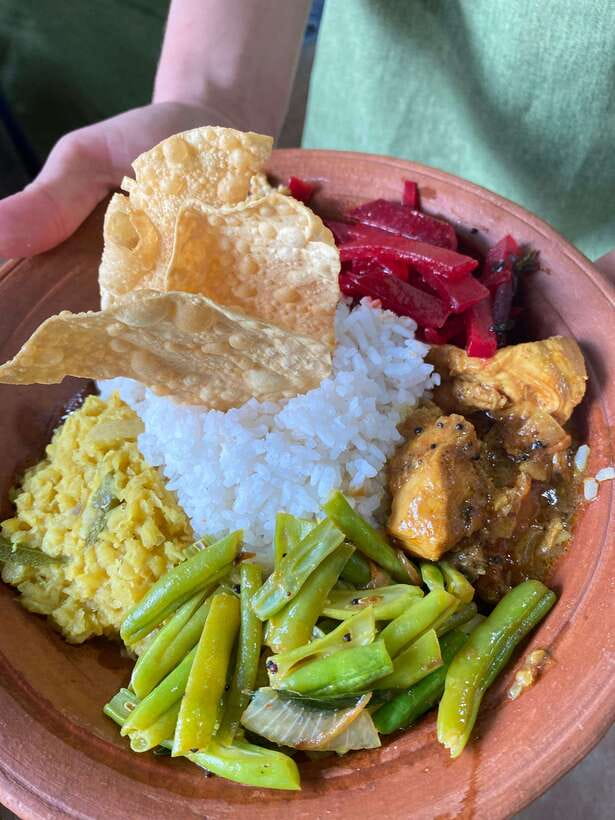
Yes, if your goal is to learn how to cook Sri Lankan dishes you’ll actually make again. This class gives you the whole package: hands-on prep, guidance from Kamala and Irosha, cooking with traditional methods like spice grinding and fire-based cooking in many sessions, and a meal at the end that proves the technique works.
If you’re the type who likes food as a way to understand a place, book it early in your Ella days. Then you can eat, cook, and come back to your own kitchen with confidence.
FAQ
FAQ
What is the duration of Ella Mom’s Kitchen Cooking Class (Flavors of Tradition)?
The class runs for 2 hours.
How much does the cooking class cost?
The price is listed as $20 per person.
How many people are in the group?
It’s a small group experience limited to 6 participants.
What’s included in the ticket price?
You get the cooking class, locally sourced ingredients, and the meal you prepare.
What dishes will I cook?
The class focuses on traditional Sri Lankan cooking with multiple courses. Based on what’s been prepared in different sessions, you can expect curries and often include sides like coconut sambol and papadam.
Is there a meal at the end?
Yes. The class culminates in a communal meal where you sit together and eat what you cooked.
Who teaches the class?
It’s taught by the family team at Mom’s Kitchen. The instructors mentioned include Kamala and Irosha.
Are recipes included for use at home?
Yes. You’re provided with recipes to take home, and some guests report receiving them via WhatsApp after the class.
Can they handle dietary requests?
Guests mention that the hosts were accommodating to dietary requests.
What’s the cancellation policy?
Free cancellation is available up to 24 hours in advance for a full refund.
Can I book and pay later?
Yes, you can reserve now & pay later to keep travel plans flexible.