REVIEW · ELLA SRI LANKA
Private cooking class – Personalized classic menu
Book on GetYourGuide →Operated by Sweetvalley Cooking School · Bookable on GetYourGuide
Cooking Sri Lanka in a real home kitchen. This private class from Sweetvalley Cooking School builds a menu around you, then teaches you both traditional methods and how to get the same results in a modern kitchen. I love that the lesson starts with the practical core of Sri Lankan flavor—curry paste—and connects it to culture and why dishes taste the way they do.
The other big win is the people part: hosts Upali and Sithara make the session feel welcoming and personal, not like a show. You also end up cooking a lot—often around 10 to 11 dishes in a 3-hour block—so you’re not just watching and sampling. The only drawback to plan for is that this is hands-on cooking time; if you want a slow, passive tasting, the pace can feel busy.
In This Review
- Key things worth looking forward to
- Sweetvalley Cooking School: private class in Eastern Province, with pickup
- Personalized classic menu: you steer the cooking
- Curry paste: the flavor engine you’ll understand (not just copy)
- What actually happens in the 3 hours (and how it stays manageable)
- The dish variety: from string hoppers to roti and sambal
- Traditional methods + modern kitchen tips: why this matters for cooking at home
- The hosts: warm hospitality with real teaching focus
- Price and value: what $42 buys in a private 3-hour class
- Who this class suits best (and who might want something else)
- Should you book Sweetvalley Cooking School?
- FAQ
- How long is the private cooking class?
- What is included in the price?
- Is the class taught in English?
- Can the menu be adjusted for dietary restrictions?
- Is this a private group experience?
- Can I request vegetarian or specific dishes?
- Is the activity wheelchair accessible?
Key things worth looking forward to
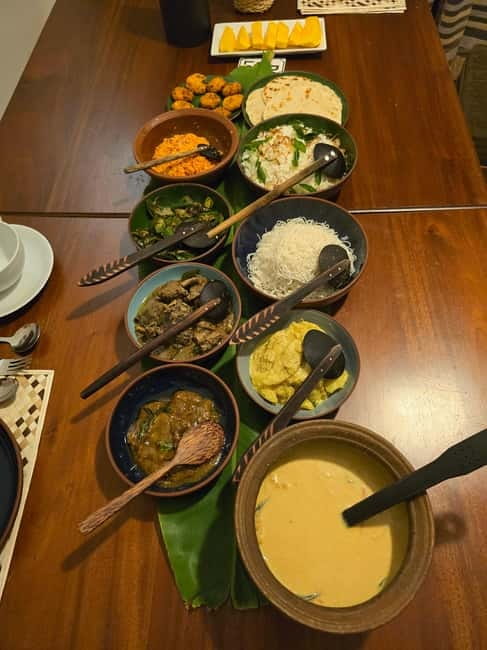
- Curry paste from scratch, with traditional spice methods and a clear sense of how aroma and color happen
- A menu shaped to your preferences, with options for vegan and gluten-free meals
- Real home-kitchen hospitality from Upali and Sithara, with conversation that adds context
- A lot of food you actually make, often broken into two rounds within 3 hours
- Classic dishes with modern techniques, so you can recreate them back home
Sweetvalley Cooking School: private class in Eastern Province, with pickup
This experience takes place in Sri Lanka’s Eastern Province, and it’s a smart pick if you’re staying around Ella and want something more personal than a group tour. Instead of meeting in a busier, tourist-centered space, you’ll be welcomed into the kitchen setup where the teaching happens—hands, smells, and all.
Practical bonus: hotel pickup and drop-off are included. Your driver will call the mobile number you provide when they arrive, so you’re not playing guessing games with street corners and timing. And because it’s a private group, you can move at a pace that fits you rather than getting rushed to match the schedule of strangers.
One more practical note: the class is listed as wheelchair accessible, which matters for people who want to cook without having to negotiate awkward steps or cramped spaces.
You can also read our reviews of more tours and experiences in Ella Sri Lanka.
Personalized classic menu: you steer the cooking
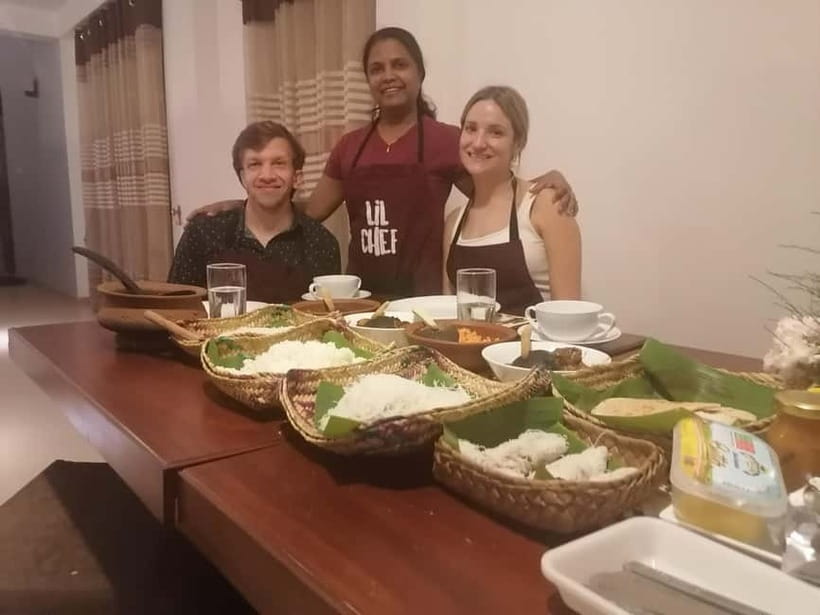
The whole point of this private cooking school is that your menu is tailored. Before you go, you can discuss your preferences and dietary restrictions, and the lesson can be arranged around how much time you want to spend and how quickly you’re comfortable learning.
This matters because Sri Lankan cooking isn’t just about following one recipe. Once you understand the structure—spice paste, base flavors, balancing heat and tang—you can swap ingredients with confidence. Here, you get that structure plus the specific dishes you want.
You can also request menus that match your needs. Vegan and gluten-free options are offered, and vegetarian requests can be accommodated. In one session, the menu was adjusted smoothly for a vegan in the group, and in another, a vegetarian menu request was handled well—so you don’t have to worry that your dietary preference will be treated like an afterthought.
If you’re the type who likes to say, I want to learn that one dish I keep craving in Sri Lanka, this is where it fits. Specific favorites mentioned include things like cashew curry, along with dishes such as curries, roti, sambal, and string hoppers.
Curry paste: the flavor engine you’ll understand (not just copy)
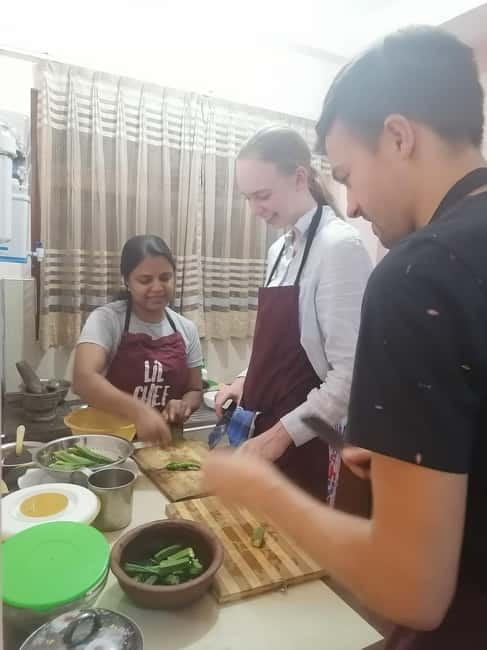
If you want one reason Sri Lankan food tastes so distinctive, curry paste is usually the answer. This class treats curry paste as the source of the signature color, taste, and aroma—then shows you how to make it.
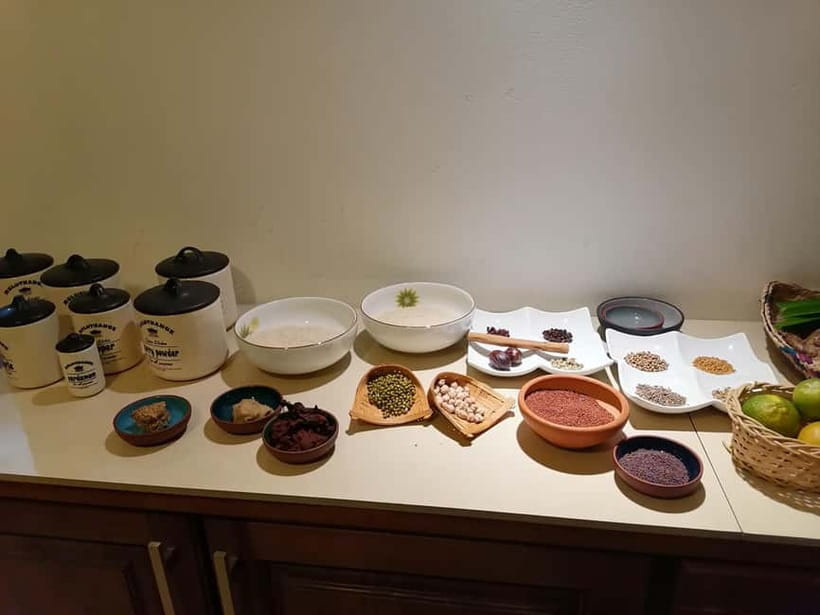
You’ll prepare curry paste using a wide selection of spices, following traditional methods. That traditional part is important: it’s not just about which spices get used, but how you handle them so the flavors bloom and work together. You’ll learn the process as something you can repeat, not a mysterious step that happens off-camera.
And then the class does something helpful: it connects tradition to a modern kitchen. You’ll be taught tips for making the same kinds of results at home with the tools you likely have. That’s the difference between a cooking class that gives you a recipe card and one that gives you real capability.
What actually happens in the 3 hours (and how it stays manageable)
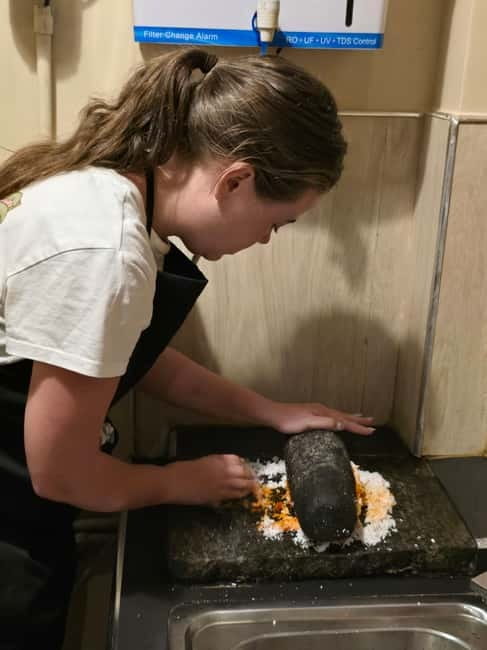
A 3-hour session can sound short until you realize this class is designed to fit a full plate of learning into that time. The rhythm matters.
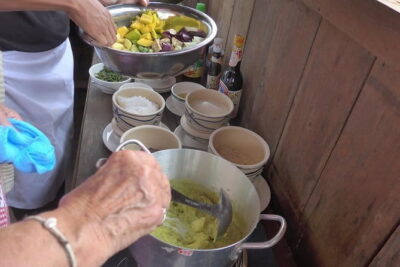
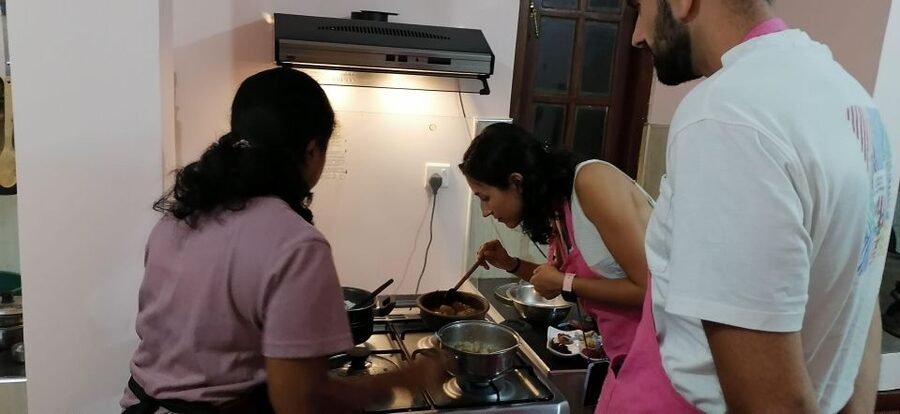
In a typical start, you begin with something like a natural tea, then you don’t waste time: you put on aprons and move straight into the kitchen work. From there, you’ll tackle a classic set of dishes. In practice, sessions commonly include around 10 or 11 dishes, and they’re broken into two rounds so the kitchen doesn’t turn into chaos.
Here’s how it feels from a learning perspective:
- Round one: focus on a few foundational components—things that build flavor and texture, plus early starters or sides
- Round two: more finished dishes, including curries and staple items like roti, sambal, and other snacks or desserts depending on the menu you agree on
You’ll also get the culture side while you cook: Sri Lankan culinary traditions are explained alongside what you’re doing. That means you understand not only what to do, but why the dish is built that way.
One thing to keep in mind: you’ll be cooking. So show up ready to taste, adjust, and get your hands involved. It’s not a sit-down demo where you only watch.
The dish variety: from string hoppers to roti and sambal
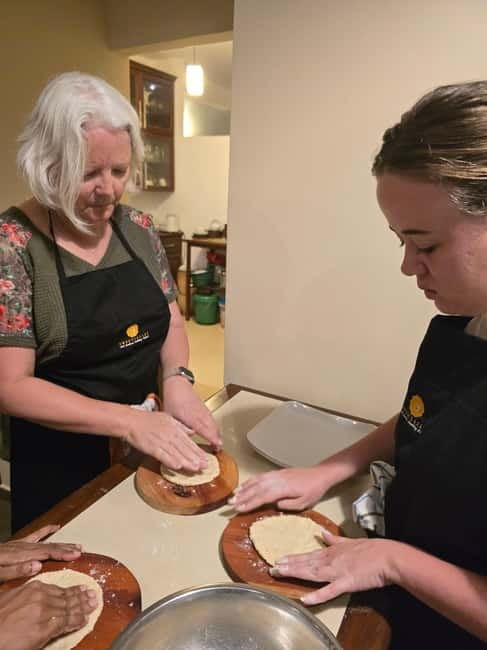
One of the most praised parts of this class is the sheer range of what you learn in one evening. Dishes mentioned include fresh string hoppers, curries, roti, sambal, and other classic Sri Lankan items.
Even when dishes sound familiar from Sri Lankan menus back home, the technique is where you gain skill. Sri Lankan cooking depends on balance: spice heat, acidity, salt, sweetness, and the way curry paste interacts with aromatics and fats. When you’re actively making the components, you start to notice how texture changes as you cook—how something thickens, how flavors flatten if you rush, how sambal can shift fast once the spice hits.
If you’re vegan or vegetarian, the class can still deliver a broad menu. That matters because it’s easy for some cooking experiences to just swap one ingredient and call it a day. Here, the menu adjustment is described as working well, including when someone in the group had vegan needs.
Traditional methods + modern kitchen tips: why this matters for cooking at home
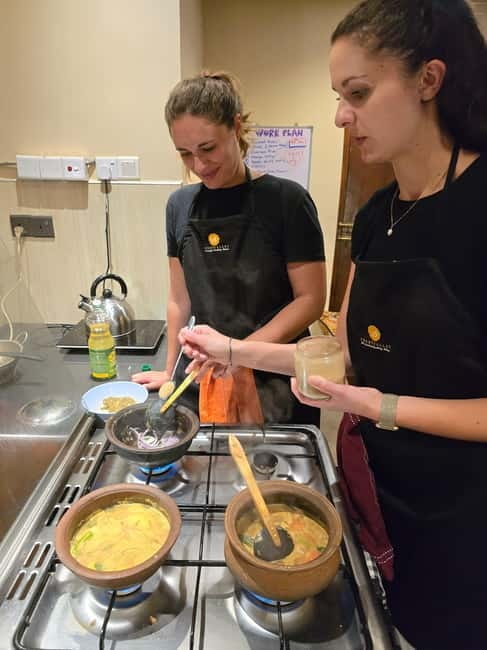
This class doesn’t treat a modern kitchen like an obstacle. It treats it like a translation challenge.
Sri Lankan techniques are taught alongside practical tips for recreating them with everyday equipment. That’s especially valuable if you live outside Sri Lanka and can’t easily source everything the same way. You’ll learn how to cook the dishes, not just what order to mix things in.
This is also where you get clarity on methods: how to prepare spices for maximum flavor impact, how to build curry base and adjust seasoning, and how to handle items like roti or sambal where technique affects the end result.
And because the instruction is in English, you can ask follow-up questions in plain terms. That might sound obvious, but in cooking classes, good communication is what turns notes into muscle memory.
The hosts: warm hospitality with real teaching focus
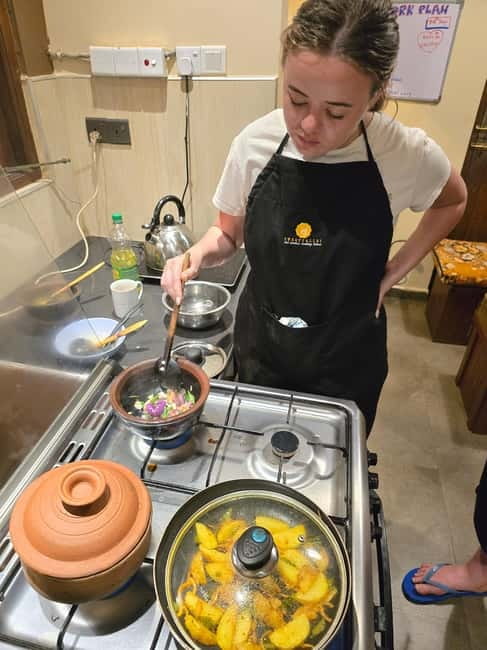
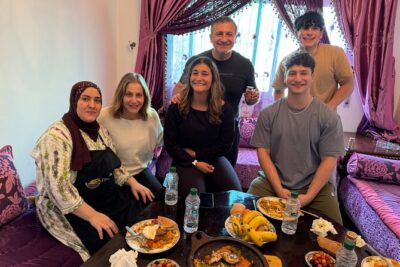
The standout element across the experiences is the welcome. Upali and Sithara are described as humble, well-spoken, and genuinely focused on making you feel at home. That kind of hospitality isn’t just polite—it changes how you learn.
When people answer questions patiently and explain the why behind steps, you retain more. And when the session includes conversation about lives, travels, food, and culture, it turns a cooking lesson into a memorable evening instead of a checklist.
There’s also an emotional pacing benefit. If you’re nervous about cooking or unsure about spices, a relaxed environment helps you experiment instead of freezing. You’ll still work hard—but you’ll feel supported while doing it.
Price and value: what $42 buys in a private 3-hour class
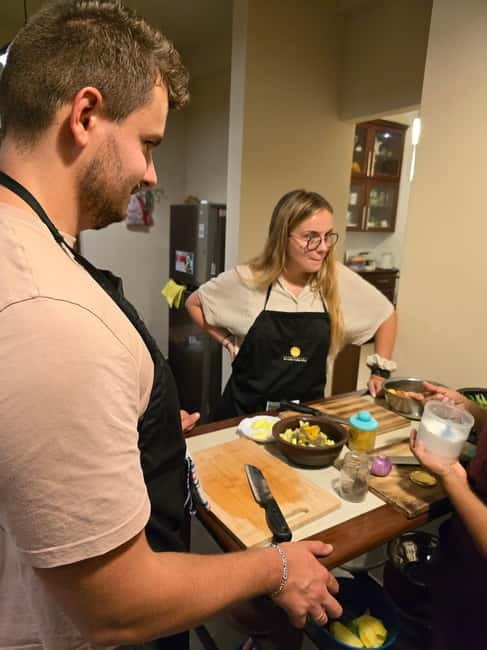
At $42 per person for about 3 hours, this is priced in a way that makes sense for a private, hands-on experience that includes multiple dishes and practical instruction. The value equation gets better because a few key items are included:
- Hotel pickup and drop-off (you’re not spending time or money getting there and back)
- Private group format (you’re not sharing the instructor time with a larger crowd)
- English instruction
- A lesson that typically produces a full spread: starters, main dishes, snacks, and dessert categories depending on your menu setup
If you compare it to paying for a casual dinner plus a cooking class add-on, the math can surprise you—in a good way. You’re paying for instruction and the opportunity to actually cook, not just taste.
This is especially good value for couples and small groups, where private teaching time is usually the expensive part of any cooking class.
Who this class suits best (and who might want something else)
This experience is a strong fit if:
- You love food and want to learn Sri Lankan cooking at the skill level you can use later
- You want a class tailored to dietary restrictions (vegan and gluten-free options are offered)
- You’re traveling with a partner or small group and prefer a personal setting
- You want cultural context while cooking, not just recipes
It may feel less ideal if:
- You don’t enjoy cooking and prefer a low-effort activity
- You prefer a slow, minimal-course tasting pace (this class is active and covers a lot of dishes in a short window)
If you fall into the middle—curious but a little nervous—this is still a good choice. The teaching approach and warm hosts are built for people who want to learn, not just people who already cook confidently.
Should you book Sweetvalley Cooking School?
Yes, if you want a hands-on, private evening where the focus is both flavor and technique. The combination of curry paste training, a menu that can fit your needs, and the personal teaching style from Upali and Sithara is exactly what makes this worth your time.
Book it with confidence if:
- You’re staying in Eastern Province and want an authentic cooking experience that’s not generic
- You want to leave with skills you can actually use at home
- You like learning through doing, tasting, and adjusting
Skip it only if you’d rather watch than cook. This one works best when you’re ready to roll up your sleeves and cook.
FAQ
How long is the private cooking class?
The class lasts 3 hours.
What is included in the price?
Hotel pickup and drop-off are included.
Is the class taught in English?
Yes, the instructor speaks English.
Can the menu be adjusted for dietary restrictions?
Yes. The session can be pre-discussed and tailored to dietary restrictions and meal preferences, including authentic vegan and gluten-free meals.
Is this a private group experience?
Yes. It’s listed as a private group.
Can I request vegetarian or specific dishes?
You can discuss preferences beforehand, and the experience can be arranged to be more informative and enjoyable based on your preferences. Vegetarian menus and specific dish requests are supported based on what’s discussed in advance.
Is the activity wheelchair accessible?
Yes, it’s listed as wheelchair accessible.