REVIEW · ELLA SRI LANKA
Ella: Traditional Sri Lankan Cooking Class
Book on GetYourGuide →Operated by Ranjani · Bookable on GetYourGuide
There’s something special about cooking where locals eat. In Ella, this Traditional Sri Lankan Cooking Class puts you in an open-air kitchen with fresh ingredients and step-by-step help, then rewards you with the banana-leaf meal you cooked yourself. You’ll learn how to make classic dishes like hoppers, rice and curry, string hoppers, and honey roti, plus the spice work behind them.
I really like that the class stays hands-on even though it’s a shared kitchen setup. The only downside to think about: it’s not a do-everything-at-your-own-station experience, so if you want total solo control in the cooking, you may feel a bit more crowded.
In This Review
- Key things that make this class worth your time
- Inside Ella’s open-air kitchen, where the day starts with ingredients
- What you’ll cook: hoppers, curry, string hoppers, and honey roti
- The shared-workstation style: how you still get hands-on
- Banana leaves, portions, and the meal you’ll remember
- Spice education that actually helps you cook at home
- Price and value: what $19 buys you in Ella
- Timing, meeting point, and how long to plan
- Who should book this cooking class, and who might not
- Should you book Ella’s Traditional Sri Lankan Cooking Class?
- FAQ
- Where do I check in for the class?
- How long is Ella’s Traditional Sri Lankan Cooking Class?
- What time do classes usually run?
- What dishes will I learn to cook?
- What is the meal served on?
- What’s included in the price?
- Are recipes provided after the class?
- What languages are used during instruction?
- Is transportation included?
- What is the group size?
Key things that make this class worth your time
- Open-air kitchen setup keeps the cooking airy and lets you see the greenery while you work
- Hands-on meal-making for a small group, so you’re not just watching
- Banana-leaf serving style gives the meal a true local feel
- Real spice education including how ingredients are used and why they matter
- Take-home recipes via WhatsApp so the effort doesn’t vanish after the class
Inside Ella’s open-air kitchen, where the day starts with ingredients
Ella is known for tea, hikes, and cool evenings. This class is a nice change of pace because it’s not a performance. It’s cooking, in a working kitchen, with real ingredients you can actually recognize.
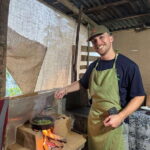
You’ll be greeted and then brought into an open-air space that makes a difference in the heat and smell. Ventilation helps, especially when curries are simmering and sambol is being mixed. You also get that practical bonus: you can see what’s happening and smell the spices as they come alive.
A bunch of the reviews mention a warm welcome before you cook, like a cup of tea and biscuits. Even if you’ve eaten already, it’s a good reset. It gets you into the rhythm of the class instead of walking in mid-sizzle.
Most importantly, the focus is on learning the building blocks. You start with fresh ingredients, and then you move into cooking techniques step by step. That matters because Sri Lankan cooking is more than following a recipe card. It’s balancing heat, salt, sour, and aroma using herbs, spices, coconut, and starches.
If you’ve been eating Sri Lankan food already and wondering what’s actually going on in the flavors, this format answers that question fast.
You can also read our reviews of more tours and experiences in Ella Sri Lanka.
What you’ll cook: hoppers, curry, string hoppers, and honey roti
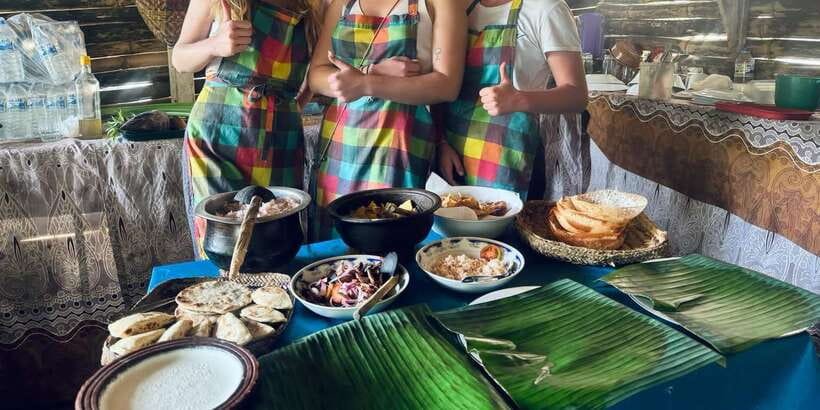
The menu can vary a bit by session, but you can expect classic Sri Lankan staples. The big names listed for the class include hoppers, rice and curry, string hoppers, and honey roti. Those dishes cover a wide range of textures and cooking methods, so you leave with more than one trick.
Here are the kinds of dishes and components you’ll likely handle during your time:
- Hoppers, the bowl-shaped pancakes that go from batter to airy and lacy
- Rice and curry, where you learn how curry isn’t just sauce—it’s a system of aromatics and spice levels
- String hoppers, which are built around a starchy base and a light, tangy curry partner
- Honey roti, where sweet and aromatic flavors show up in a very Sri Lankan way
- Curry dishes like dal curry and meat curry (some sessions include chicken curry)
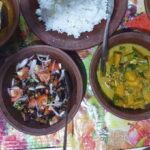
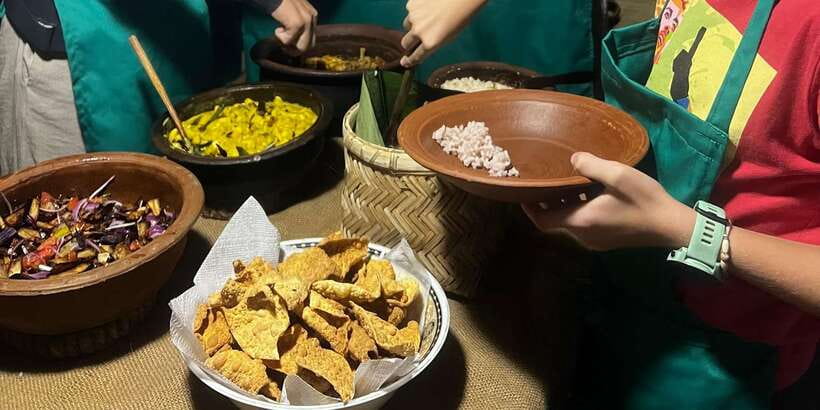
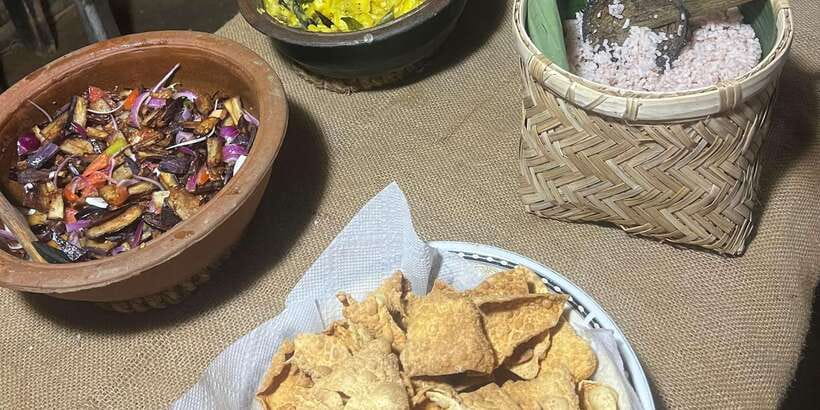
- Coconut sambol, which is a must for anyone who loves bold, punchy flavor
- Papadam, usually served as a crunchy companion
Some reviews also mention learning techniques like making coconut milk and preparing sambola. Even if you’re not in charge of every step, you’ll see the logic behind it: coconut adds body and softness, while chili and aromatics carry the heat and depth.
One thing to know: you may not pick the menu for your class. That’s not bad. It just means you should go in expecting learning and tasting, not customization.
The shared-workstation style: how you still get hands-on
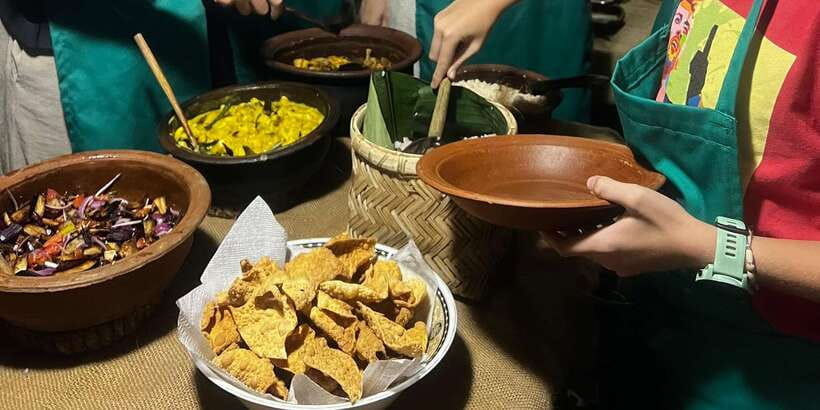
This class is designed for small groups—limited to 8 participants. In practice, some sessions can feel busy if multiple people are working near the cooking area, so plan to stay flexible and patient.
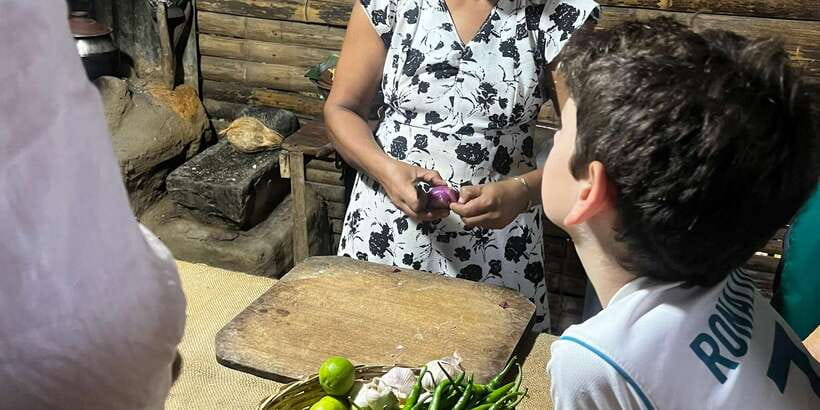
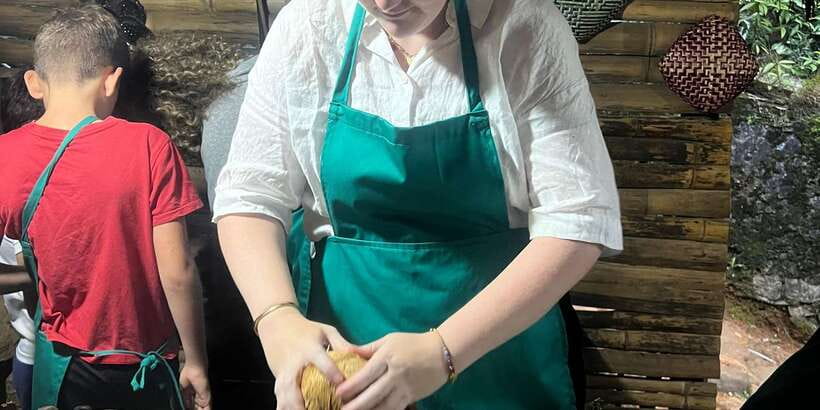
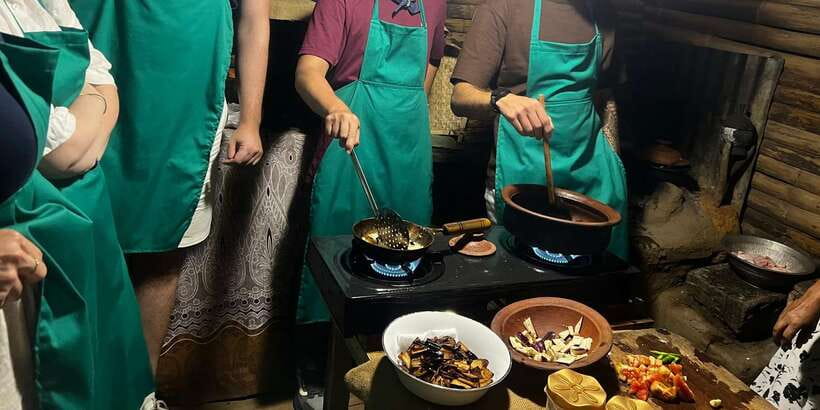
A key point from the feedback is the teaching style. The host cooks at one main workstation and demonstrates more complicated techniques while you assist with tasks like chopping, mixing, seasoning, or preparing components. That means your job changes during the class, and you’ll get turns.
If you love cooking where everyone contributes, you’ll enjoy this. One review specifically pointed out that it’s not a private workstation class. You’re part of the cooking flow, and the instructor keeps it moving so nobody gets stuck doing the same job for two hours.
Also, this kitchen uses older, traditional equipment. That can be a bonus if you enjoy seeing how techniques look without modern shortcuts. It slows things down just enough that you understand what the process is doing—especially with spice grinding, coconut prep, and batter work.
If you’re the type who wants your own pan and your own bowl the whole time, this might feel different than some Western cooking classes. But if your goal is learning how Sri Lankan cooking really works, it’s a strong match.
Banana leaves, portions, and the meal you’ll remember
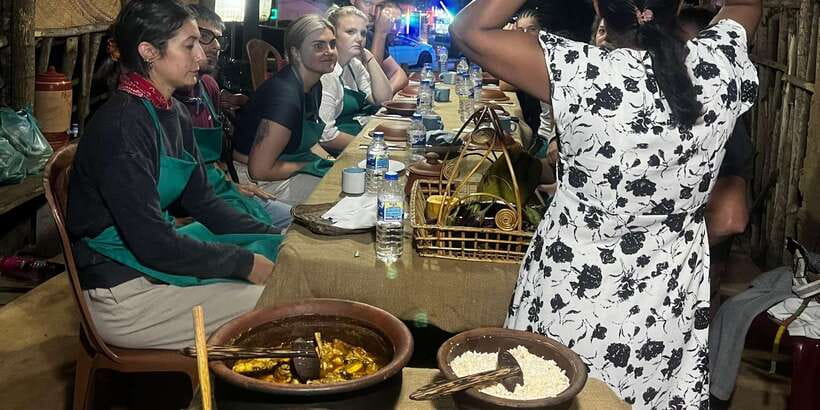
This is not a snack class. You end by eating a meal you helped make, served the banana-leaf way. That serving style isn’t just for photos. It changes the vibe: the meal feels local, casual, and communal, which fits the class.
A lot of the reviews rave about the food—some call it the best meal they had while in Sri Lanka. Whether or not it becomes your personal best, the consistency is clear: people leave full, happy, and surprised by how much they ate.
One detail I appreciate for practical reasons: the class includes bottled water. When you’re cooking spicy food and tasting along the way, hydration matters.
Portions also seem generous. Several reviews mention there was enough food that people had extra or felt like they got more than they expected from a 2-hour lesson. For $19, that’s the kind of value that makes the class feel fair, not overpriced.
And it’s not just about eating curry. You’re tasting multiple components—starchy bases like hopper or roti, plus curries, sambol, and crunchy sides. That mix gives you a full picture of what a Sri Lankan meal looks like on a real plate.
Spice education that actually helps you cook at home
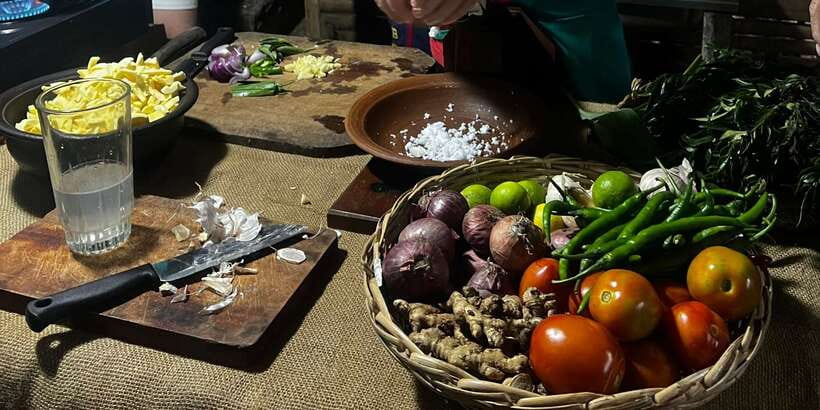
One reason this class gets such high marks is the ingredient talk. The instructor explains ingredients and often connects spices to health benefits and traditional uses. You’ll hear about why certain herbs and spices are used, not just what to add.
In the reviews, the host is consistently described as warm, friendly, and passionate, with clear explanations. People also mention how thorough the step-by-step guidance is—especially around techniques like curry building and rice cooking.
If you want a class that helps you reproduce flavors later, this spice education is the bridge. Sri Lankan cooking relies on how spices bloom in oil, how sour and heat are balanced, and how coconut softens intensity. When you understand those relationships, you can adjust at home even when ingredients differ.
A few examples from the feedback:
- Learning how spices are used and what benefits they’re linked to
- Seeing traditional methods for making coconut milk and sambol
- Getting advice that helps with spice proportions and cooking methods, not only recipes
You also get a meal at the end, so the cooking lesson and the tasting lesson happen together. That makes it easier to remember what worked and what you liked most.
Price and value: what $19 buys you in Ella
At $19 per person for a roughly 2-hour class, you’re paying for more than instruction. You’re paying for fresh ingredients, a full meal, bottled water, and the time of the instructor.
The biggest value drivers here are simple:
- You eat what you cook, so you’re not paying for learning that ends with nothing satisfying
- The class is small (up to 8), so you’re more likely to get help and feedback than in a bigger crowd
- You get recipes sent digitally after class, which turns your cooking night into a take-home skill
Also, the class targets traditional dishes that are often the most confusing to recreate without guidance. Hoppers and string hoppers are not hard once you know the rhythm, but they’re hard if you don’t know what you’re aiming for. Same with curry technique—if your spices don’t bloom properly or your coconut balance is off, it won’t taste right.
So yes, $19 sounds low for a cooking class with a meal. In this case, it works because the pricing matches what you receive: food, process, and practical take-home instructions.
Timing, meeting point, and how long to plan
Classes are typically at 11:00 AM and 5:00 PM. The provider can be flexible on time if you contact them in advance, which matters because Ella schedules can get thrown off by weather and daylight.
The stated duration is 2 hours. One caution from feedback: sometimes it can run closer to 2.5 hours, especially if you’re coordinating with a car or pickup. If your day is tight, give yourself buffer time.
For the meeting point, you check in with staff at the Chamathka Cooking Class. Since transportation isn’t included, you’ll want to arrange your own way there and back.
If you’re combining this with tea days and hikes, think of the cooking class as your anchor evening or midday plan. It’s indoors-adjacent but open-air, and it finishes with a meal that can easily replace dinner plans.
Who should book this cooking class, and who might not

This experience is a strong fit if you want:
- A hands-on Sri Lankan cooking night with a real meal at the end
- Traditional dishes like hoppers and curry that you can try again later
- Ingredient explanations, including spice uses and health-related notes
- A small group atmosphere where you can talk with the instructor and other participants
It’s also great if you’re the kind of traveler who likes to go home with something useful, not just memories. The recipes are sent digitally after class, through WhatsApp, so you’ll have something to reference when you cook later.
I’d reconsider if:
- You’re expecting a private, personal workstation where you do everything alone
- You want strict menu selection (you may not choose what you cook)
- You dislike shared kitchens and don’t like cooking in a group flow
Should you book Ella’s Traditional Sri Lankan Cooking Class?
Yes, you should book it if your priority is learning authentic Sri Lankan cooking in a way that feels practical. The combination of fresh ingredients, step-by-step help, banana-leaf dining, and WhatsApp recipes makes it a standout value.
If you’re on the fence, here’s the decision shortcut I’d use: if you’ve ever tasted Sri Lankan curry and wished you knew exactly how it gets that flavor, this class gives you the missing link. And because you eat what you cook, you leave happy, not just educated.
FAQ
Where do I check in for the class?
You check in with staff at the Chamathka Cooking Class.
How long is Ella’s Traditional Sri Lankan Cooking Class?
The class lasts about 2 hours.
What time do classes usually run?
Classes normally take place at 11:00 AM and 5:00 PM, and the provider can be flexible with time if you contact them in advance.
What dishes will I learn to cook?
You can expect traditional Sri Lankan dishes such as hoppers, rice and curry, string hoppers, and honey roti. Some sessions may include additional items like dal curry, coconut sambol, and papadam.
What is the meal served on?
The meal is served on banana leaves.
What’s included in the price?
Included: the instructor, fresh ingredients, the cooking class, the meal, and bottled water.
Are recipes provided after the class?
Yes. Recipes are sent digitally through WhatsApp.
What languages are used during instruction?
The instructor teaches in English and Singhalese.
Is transportation included?
No. Transportation to the meeting point is not included.
What is the group size?
The group is small, limited to 8 participants.