REVIEW · BEIJING
Flavors of Beijing: Eat Like A Real Chinese
Book on Viator →Operated by Urban Passer · Bookable on Viator
Dumplings begin with a market walk. I love Chef Chao’s patient, English-speaking teaching and the hands-on local market ingredient shopping. You’ll also eat what you cook at a family table inside a hutong home. One drawback: there’s no hotel pickup, so you’ll want to plan how you’ll reach the meeting point near Jiu Gu Lou Da Jie.
This is one of those experiences where the food feels personal because you pick the ingredients yourself, learn the why behind the flavors, and then sit down for a full meal.
In This Review
- Key things you’ll notice right away
- A Half-Day in Beijing: Markets, Condiments, and a Hutong Table
- Meeting at Jiu Gu Lou Da Jie and Walking Past City Landmarks
- Market Shopping: Choosing Ingredients Like You Actually Mean It
- Condiments First: The Flavor Logic Behind Chinese Cooking
- Woks and Cleavers: What You’ll Cook (Dim Sum or Main Dishes)
- Eating at a Family Table: The Part That Makes It Worth It
- Vegetarian Day and Meat-Free Options: How the Menu Works
- Price and Value: Is $99 Actually a Deal?
- Logistics That Can Trip You Up: No Pickup, Address Details, and Kitchen Heat
- Who Should Book This Cooking-and-Market Class?
- Should You Book This Cooking Class?
- FAQ
- What time does the experience start?
- How long is the tour?
- Where do I meet for the tour?
- Is hotel pickup included?
- What food is included?
- Are there vegetarian options?
- Is beer or other drinks included?
- How big is the group?
- What is the cancellation window?
- Should You Book This Cooking-and-Market Class?
Key things you’ll notice right away
- Small group of up to 12 people, so the pace stays human and questions actually get answered
- Market shopping is part of the lesson, not a quick photo stop
- Condiments class first, then wok and cleaver technique
- Menu changes daily, with at least one vegetarian dish and a meat-free day on the selected schedule
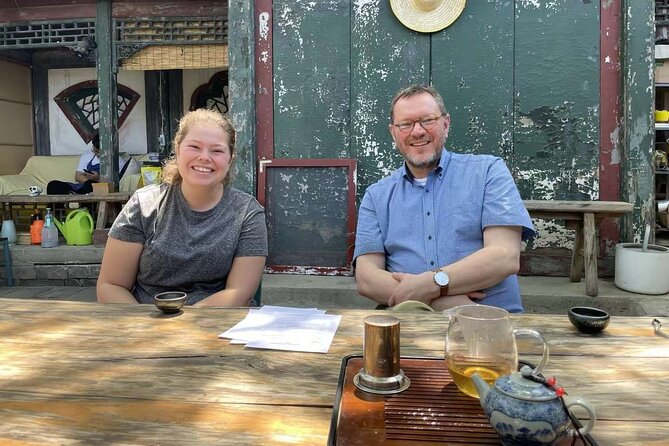
- Eat in a hutong home, so it feels local, not staged
- You learn what to buy and why, and you may get takeaway recipe notes
A Half-Day in Beijing: Markets, Condiments, and a Hutong Table
This tour is built around one simple idea: Chinese cooking makes more sense when you understand the ingredients first. You start with a walk through a local market where the guide shows you what to look for, what it’s used for, and how seasonings fit into everyday dishes. Then you move to a family home where you cook, learn technique, and finally eat together.
What I like about this format is that it’s not just about eating. You’re doing the work—shopping, prepping, cooking—and you get a proper meal at the end. The whole experience is designed to help you connect flavors to ingredients, including condiments and sauces.
Also, the group size matters. With a max of 12, you get more hands-on time and more back-and-forth with the guide and chef. That’s where the experience stops feeling like a lecture and starts feeling like a skill you can reuse.
You can also read our reviews of more tours and experiences in Beijing.
Meeting at Jiu Gu Lou Da Jie and Walking Past City Landmarks
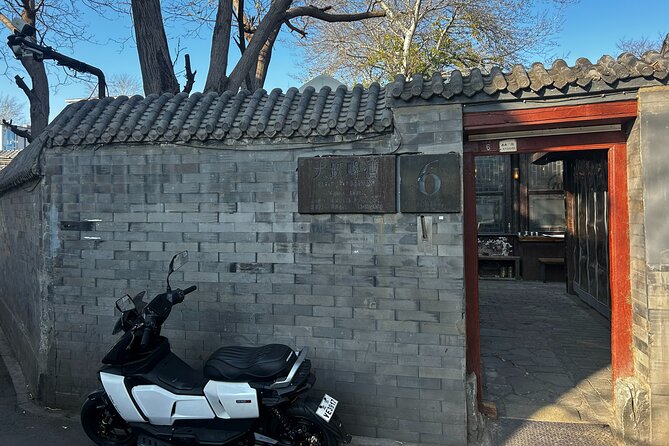
You meet at 12:00 pm at the Jiu Gu Lou Da Jie area in Xicheng District, with a start point listed near subway access. The end of the activity is back at the same meeting point, so you’re not stranded across town when you’re hungry.
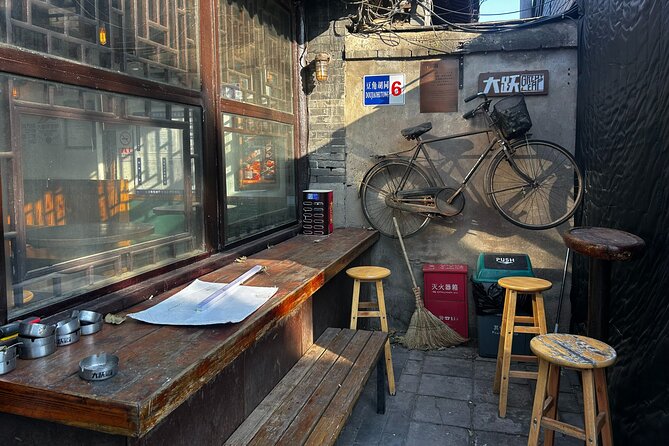
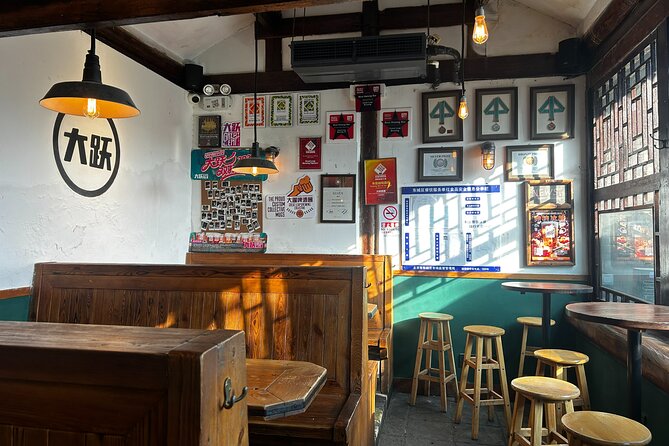
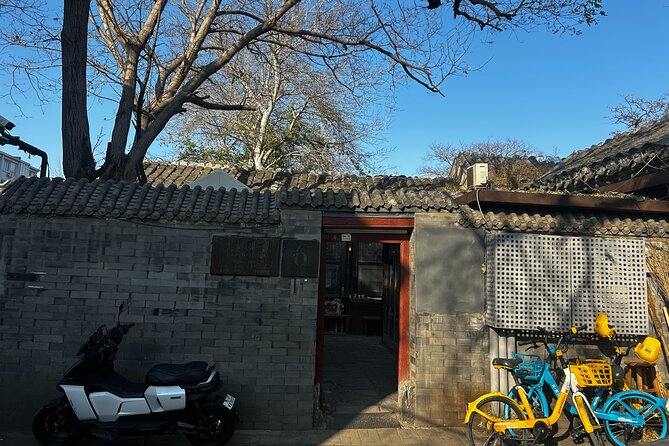
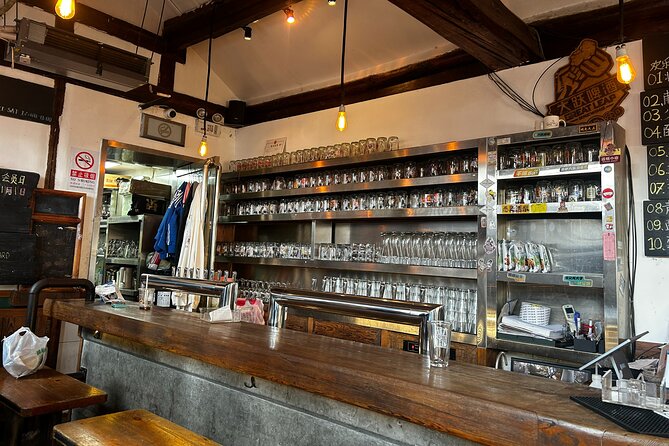
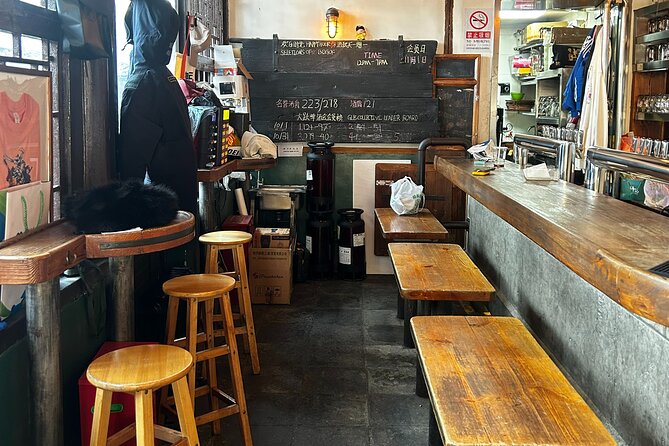
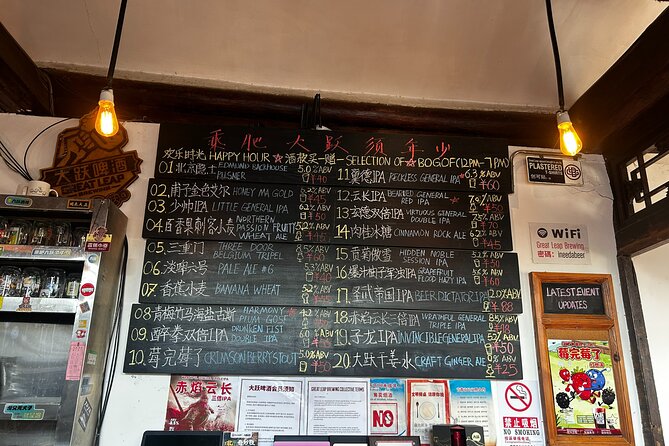
During the walk, the itinerary includes stops such as the Bell and Drum Towers area, Yandai Xie Street, Yinding Bridge, Great Leap Brewing Original #6, and Songzhu Temple & Zhizhu Temple. You’re not signing up for a museum tour here. Think of these as landmark waypoints while you move through the city on foot.
One practical note: there’s no hotel pickup and drop-off. If your hotel is far, factor in transit time before you start cooking. The whole day runs on momentum—once the market portion starts, you’ll be walking, choosing ingredients, and transitioning to cooking.
Market Shopping: Choosing Ingredients Like You Actually Mean It
The market time is the heart of the morning. You walk among stalls bursting with produce and ingredient options, then select what you’ll cook later. Ingredients are included, and the guide helps you understand what you’re buying and how it contributes to the final dishes.
You’ll also get insight into Chinese cooking ingredients, including how different produce and seasonings show up across styles. If you’re used to shopping by brand or package, this part is a reality check—in a good way. You start seeing cooking as a chain: ingredient quality, then the condiment or sauce, then the technique.
This is also where you learn what to ask for and how to spot the good stuff. Reviews highlight the market walk as especially memorable, with the guide pointing out many items and explaining what they taste like and how they’re used.
If you want a small snack during the walk, you’re likely to have opportunities to buy extra items nearby, but the core ingredient set for the class is already covered.
Condiments First: The Flavor Logic Behind Chinese Cooking
Before you touch the stove, you get a condiments class. This matters because Chinese dishes often taste like sauces and seasonings working in layers, not one single spice blend.
In practice, you’ll learn how seasonings work together, and you’ll see how the same ingredients can end up in different dishes depending on sauce style and cooking method. You also get hands-on familiarity with woks and cleavers, so you’re not just mixing ingredients—you’re learning tools and technique.
This is one place where the teaching style really shows. Multiple experiences mention Chef Chao taking his time and explaining spices and ingredients clearly. That patience helps if you’re a first-timer with Chinese cooking tools or if your knife skills are more “dinner prep” than “proper cleaver work.”
Woks and Cleavers: What You’ll Cook (Dim Sum or Main Dishes)
The menu is described as changing daily, and the cooking focus depends on the day. One day may lean toward dim sum—small steamed dumplings—while another day focuses on hearty main dishes.
Possible dim sum dishes include:
- Barbecued pork buns
- Stir-fried noodles
- Sesame rolls
Possible main dishes include:
- Steamer ginger fish
- Sweet and sour pork
- Stir-fried chili beef
You’ll also learn the basic prep you need to follow along: cutting, portioning, cooking sequence, and how to combine flavors correctly. If dim sum is on the menu, expect a more technique-heavy session. Crimping, filling, and cooking timing can be trickier than people assume, and that’s part of the education.
And yes, you’ll be cooking in a warm, active kitchen. One review specifically called out that the kitchen can run hot in August, which is believable when you’re working near the stove. Wear breathable clothes and don’t plan on looking picture-perfect while you’re learning.
Eating at a Family Table: The Part That Makes It Worth It
After cooking, you sit down and eat what you made. The class ends with a meal served in the family setting, with time to chat with your guide and group.
This is where the value clicks. You’re not tasting a bite here and there—you’re getting a real feast that reflects what you just learned. The experience is designed so you can enjoy the results of your work right away, instead of leaving the kitchen with only photos.
Also, because you’re eating in a hutong home, the atmosphere feels normal and lived-in. You get a sense of how a meal day feels from the inside, not from a restaurant stage.
Vegetarian Day and Meat-Free Options: How the Menu Works
There’s a clear vegetarian element built in. The program notes:
- one vegetarian day on the selected schedule, where you can prepare an entirely meat-free menu
- at least one vegetarian dish each day
If you eat vegetarian, you should be in good shape. If you have stricter needs, you’ll want to mention them when booking or when you meet the guide, since the day’s menu changes.
One experience specifically mentioned that the chef accommodated vegan needs and explained everything clearly. That’s a strong sign that dietary restrictions can be handled, but it still makes sense to communicate your preferences early so you get the right dish lineup.
Price and Value: Is $99 Actually a Deal?
At $99 per person, this can feel like solid value because it bundles several expensive things together:
- a professional English-speaking guide
- a market tour where the ingredients are included
- a condiments class and hands-on cooking instruction
- equipment and ingredient coverage
- food tasting and the meal you cook
For a cooking class, the ingredients and the time with a teacher are usually what drive the cost up. Here, you’re also paying for the market walk and for learning the “why” behind flavor choices. The small group size (max 12) also helps keep the instruction more personal than you’d get in a large class.
One small watch-out is time. The summary lists 3 hours (approx.), but the experience description talks about a half-day cooking class and references a longer teaching session. The safest approach: plan your afternoon like you’ll still be in class for most of the time block. You’ll have a lot going on.
Logistics That Can Trip You Up: No Pickup, Address Details, and Kitchen Heat
Three practical points I think you should plan for:
- No hotel pickup
You’ll get best results if you can reach the meeting point comfortably by subway or taxi. The start is listed near public transportation.
- Pay close attention to the address
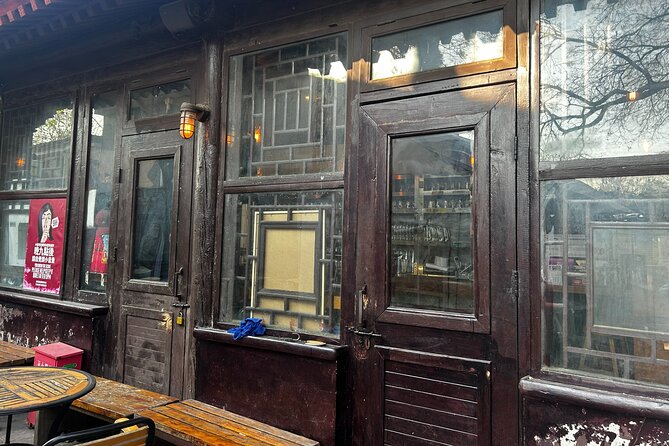
One reviewer noted there wasn’t an obvious outside sign at the cooking location and advised watching the numbered address details. So before you arrive, zoom in on the exact pin in your maps app and compare it to the listed address.
- It can get hot while cooking
A review mentioned the kitchen was pretty hot in August. If you’re traveling in summer, wear light clothing, tie back long hair, and expect real cooking conditions—not a cool demo.
Also, keep in mind this is a walking experience. It’s not extreme hiking, but you’ll move between the meeting point, market area, and the home cooking space.
Who Should Book This Cooking-and-Market Class?
Book it if you:
- want to learn technique, not just order dishes
- enjoy markets and want help figuring out what to buy
- like small-group instruction and hands-on cooking
- want a local hutong home meal, not a restaurant kitchen
Skip it if you:
- hate walking or prefer a fully seated tour
- don’t want to handle cooking tools like woks and cleavers
- have very tight timing and can’t spare a big chunk of the afternoon
If you’re a first-time visitor to Beijing, this is a strong way to get your bearings through food culture while still seeing a few landmark areas on the walk. If you’re returning, it’s a chance to learn cooking you can actually recreate.
Should You Book This Cooking Class?
If you care about the connection between ingredients, condiments, and technique, this is an easy yes. Chef Chao’s teaching style comes through in the details, and the market-to-kitchen flow gives you more than a meal—you get a method.
I’d book it particularly if you want something practical and repeatable. The combination of market shopping, condiments instruction, and then eating the results makes the $99 feel more like a skill investment than a one-off activity.
If you’re on the fence, choose this when you can handle walking and you’re ready to cook. Bring curiosity, show up a little early to find the address, and get ready to use that cleaver.
FAQ
What time does the experience start?
It starts at 12:00 pm, and it ends back at the meeting point.
How long is the tour?
The duration is listed as about 3 hours, while the class experience is described as a longer half-day cooking session. Plan on spending a good chunk of your afternoon on this.
Where do I meet for the tour?
You meet at the start location listed near Jiu Gu Lou Da Jie in Xi Cheng Qu, Beijing, with a nearby public transportation reference.
Is hotel pickup included?
No, hotel pickup and drop-off are not included.
What food is included?
Food tasting is included, and you also cook and eat the dishes you prepare. Ingredients and equipment for the class are included.
Are there vegetarian options?
Yes. There is a vegetarian day on the selected schedule, and at least one vegetarian dish is prepared each day.
Is beer or other drinks included?
No. Beer or drinks at Great Leap Brewery are not included.
How big is the group?
The maximum group size is 12 travelers.
What is the cancellation window?
You can cancel for a full refund up to 24 hours before the experience start time.
Should You Book This Cooking-and-Market Class?
If you want Beijing through food you can recreate, book it. You’re paying for the full chain: ingredient shopping, a condiments lesson, active cooking, and then the meal right after. Just plan for a no-pickup start, watch the address carefully when you arrive, and dress for a real kitchen.