REVIEW · CHENGDU
Half-Day Sichuan Cooking Class Experience in Chengdu
Book on Viator →Operated by Samtour of Chengdu OTC Travel · Bookable on Viator
Four hours, a wok, and Sichuan magic. This half-day cooking class in Chengdu is built around spices and technique, then turning that into real food you eat right there. Expect a local chef-guided lesson on bold, mouth-numbing Sichuan flavors, topped off with a shared dinner and recipe cards you can use later.
What I like most is the hands-on format. You’re not just watching; you’re cooking dishes like Kung Pao chicken, sweet and sour pork, fish-flavored eggplant, and soft steamed dumplings, with time to ask questions as you go. The second big win is the take-home recipes in English, which makes it much easier to repeat the dishes back home instead of guessing from memory.
One consideration: language and depth of explanation can vary by session. Even when you have English support, the cooking itself is the main event, and you might find you get less background talk about flavor theory than you expected. Also, the class may run in a small, simple kitchen setting rather than a big, polished studio.
In This Review
- Key things to know before you go
- Why This Half-Day Sichuan Class Works So Well in Chengdu
- 4:00 pm Pickup to the Kitchen: How the Timing Feels
- Chef Hat On: Learning Sichuan Spices and Cooking Technique
- The Hands-On Menu: Four Dishes You’ll Actually Make
- Kung Pao chicken
- Sweet and sour pork
- Fish-flavored eggplant (Sichuan style)
- Soft steamed dumplings
- Optional: request a dish not on the menu
- The Feast: Eating What You Cook and Making It Social
- Where You Cook Can Be Simple: What That Means for Your Experience
- Price and Value: Is $83.99 a Good Deal?
- Who This Class Suits Best (and Who Might Prefer Another Format)
- Quick Practical Tips to Get More Out of It
- Should You Book This Half-Day Sichuan Cooking Class in Chengdu?
- FAQ
- What time does the half-day Sichuan cooking class start in Chengdu?
- How long is the experience?
- Is hotel pickup and drop-off included?
- How large is the group?
- What will I eat during the class?
- Can I request a dish that is not on the menu?
- What is the cancellation policy?
Key things to know before you go
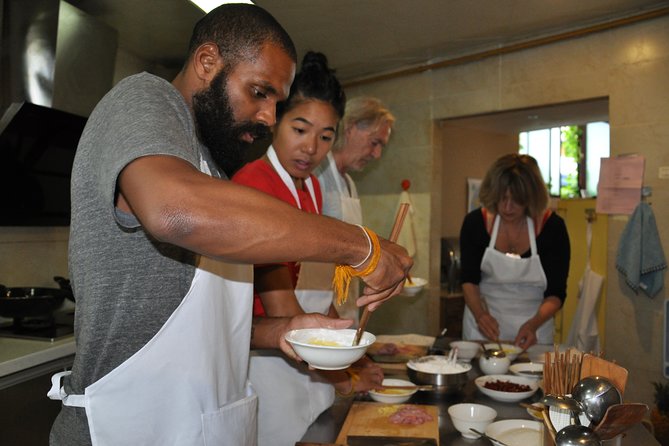
- Small group size (max 5 travelers) keeps the class personal and hands-on
- Hotel pickup and drop-off removes the hardest part of planning in Chengdu
- Four classic Sichuan dishes plus you eating what you make, not just tasting
- Sichuan spice focus teaches practical techniques behind numbing heat and deep flavor
- Optional dish request is sometimes possible if you ask in advance (not guaranteed)
- Where you cook can vary from cooking school-style kitchens to simpler working kitchens
Why This Half-Day Sichuan Class Works So Well in Chengdu
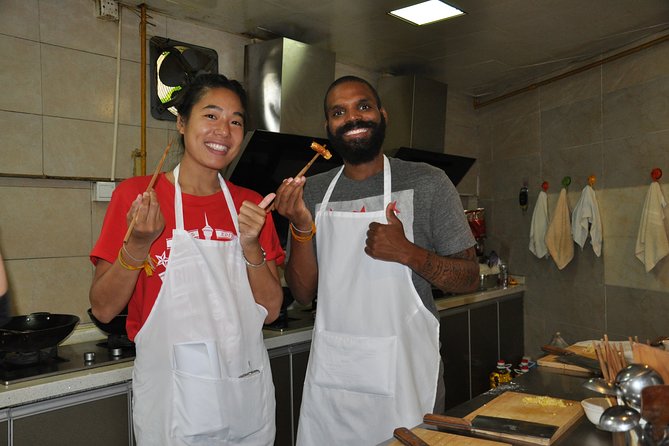
Sichuan cooking is all about contrast: heat and cool, fragrant and sharp, savory and a little sweet. This class fits that idea because it teaches you how the flavors are put together, then gives you a structured path to cook the results yourself. You also get a full evening meal included, so you don’t have to plan dinner after the class.
Chengdu is a great base for learning Sichuan food because the cuisine is practical and everyday-feeling, not just fancy restaurant performance. A cooking class here helps you understand why the dishes taste the way they do, and it gives you a menu of repeatable staples: Kung Pao chicken, dumplings, eggplant in a Sichuan-style sauce, and that sweet-sour profile that shows up again and again.
You can also read our reviews of more tours and experiences in Chengdu.
4:00 pm Pickup to the Kitchen: How the Timing Feels
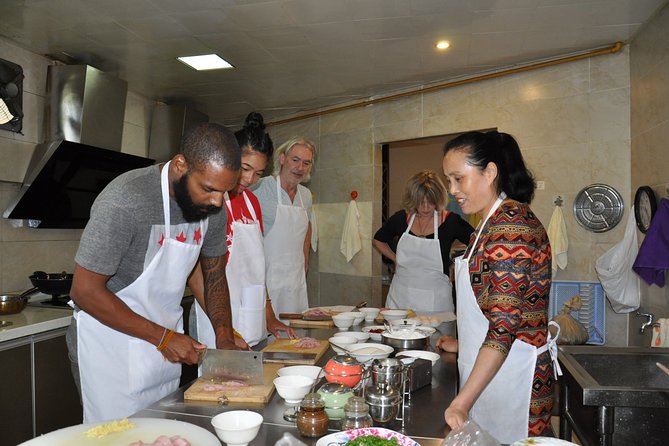
The class starts at 4:00 pm, with hotel pickup and return included. That late-afternoon timing is convenient: you’re not fighting a morning rush, and you’re usually hungry enough by class time to enjoy cooking and eating without feeling rushed.
Because the course duration depends on number of participants, your session can feel slightly different in pacing. With a maximum of 5 travelers, you should expect a more efficient, less crowded flow than big group classes. If you like to ask questions while you cook, smaller groups make that easier.
One practical tip: wear clothes you’re comfortable moving around in. Even if the kitchen is clean, you’ll be working at a cooking station where heat, steam, and splatter are part of the deal.
Chef Hat On: Learning Sichuan Spices and Cooking Technique
The core lesson is Sichuan spices and cooking technique, explained by a local chef. The goal is not just to memorize a recipe name, but to understand the moving parts: how spices and aromatics come together, how heat is used, and how each dish’s flavor balance is built.
Sichuan flavor is often described in one word as spicy, but what you’ll actually notice during the lesson is more nuanced. You’ll be working with ingredients and sauce components that create that distinctive numb-and-hot sensation, plus savory depth that lingers after the bite. The class is structured so you learn these techniques while actively cooking, which tends to stick better than listening to a lecture.
Also, the style here leans practical. Some sessions include more verbal explanation than others, and the English level can differ depending on the chef and the team in the kitchen. If you like hands-on guidance more than long ingredient lectures, this format usually fits well.
The Hands-On Menu: Four Dishes You’ll Actually Make
This is a true “cook four dishes” class. You’ll prepare and then eat what you make, which is the easiest way to learn because you can adjust as you cook and taste immediately.
Kung Pao chicken
Kung Pao chicken is the signature Sichuan dish most people associate with the region. In class form, it becomes a lesson in how to balance savory sauce, heat, and aromatics while keeping the chicken tender. It also teaches you how dishes are built in steps rather than one long cook.
Sweet and sour pork
Sweet and sour sounds simple, but in practice it’s a careful balance. You’ll see how acidity and sweetness meet in a sauce that coats the pork without turning flat. This dish is a good example of Sichuan food doing more than just spicy heat.
Fish-flavored eggplant (Sichuan style)
Eggplant is one of the best Sichuan teaching ingredients because it drinks in sauce flavor. The fish-flavored name can confuse people, but the real takeaway is how the sauce’s fragrance and depth create a “main flavor” without needing fish in the dish.
Soft steamed dumplings
Dumplings are where you get tactile learning. Many classes include rolling or shaping, and you’ll be able to practice closely guided technique. If folding dumplings feels intimidating, you’ll likely discover that a step-by-step demo followed by your turn makes it manageable.
Optional: request a dish not on the menu
You can request to cook a different Sichuan dish in the Special Requirements box when booking. The chef will try to accommodate, but it cannot be guaranteed. If you’re set on a specific favorite, this is still worth asking early, because smaller group sessions make substitutions easier to manage.
The Feast: Eating What You Cook and Making It Social
After the cooking, you finish your dishes with the final touches and sit down to devour your meal. That part matters more than it sounds. In many classes, you cook and then leave. Here, the sit-down dinner is built in, which gives you time to taste, compare portions, and get feedback from the chef and guide.
You’ll also be sharing the meal with your fellow food lovers in a relaxed environment at the school or kitchen setup. With a max of 5 travelers, the social side stays friendly rather than chaotic. It’s also a good moment to ask practical questions like how spicy you can make it at home, or what to swap if you can’t find a specific Sichuan ingredient.
In some sessions, you may get additional context like learning about ingredients through a quick market look. If that happens, it’s a nice bonus because it ties the cooking back to where ingredients come from and how locals think about quality.
Where You Cook Can Be Simple: What That Means for Your Experience
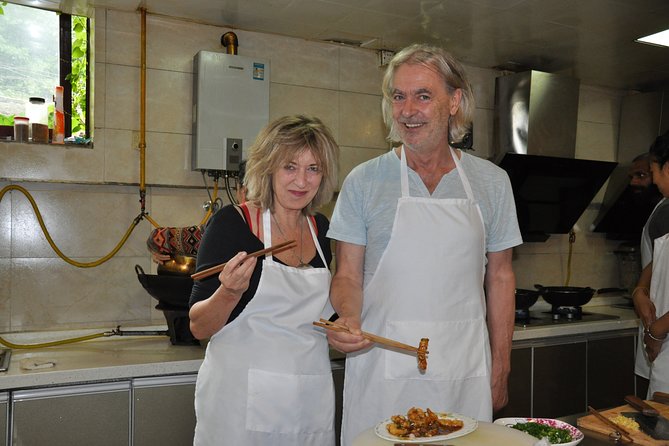
One thing I’d flag: this class is described as an established cooking school, but in practice the kitchen setting can vary. Some days it can feel like a working hostel cafe or a small, simple kitchen. That’s not automatically a negative. Small kitchens often mean less walking and more time actually cooking.
The main thing to watch is how much structure and explanation you want. Some sessions focus more on procedure than theory. If you want lots of background on why each flavor combination works, you might find you get shorter answers and quicker coaching instead. If you prefer to learn by doing, the setup usually works great.
Also, English support can range from the chef having strong English to the team using helpers. Even when English is limited, cooking is universal—you can follow steps, observe how things should look, and ask questions during active moments.
Price and Value: Is $83.99 a Good Deal?
At $83.99 per person for about 4 hours, this class isn’t the cheapest activity in Chengdu. But it’s also not priced like a high-end restaurant dining event. The value comes from what’s bundled in:
- Dinner is included, so you’re not adding another meal cost.
- Hotel pickup and drop-off are included, which can save time and local transport hassle.
- Small group size (max 5 travelers) makes the class feel more personal and hands-on.
- Four dishes means you’re cooking a real range, not just one or two.
- Recipe cards help you reproduce the dishes later.
If you’re the kind of traveler who likes learning skills you’ll use again, the take-home recipes make the price easier to justify. If you only want a quick food tour with minimal cooking, you may feel it’s pricier than needed. But if you want both a meal and a skill set, it’s a solid half-day plan.
Who This Class Suits Best (and Who Might Prefer Another Format)
This class is best for people who want structured, guided cooking without the stress of doing it alone. If you’re traveling with teens or a partner who enjoys experimenting, the small group format makes it easier for everyone to participate at the right pace.
It also fits well if you care about Sichuan flavors specifically—spice, aromatics, and that distinctive profile you taste in Chengdu classics. And if you want to cook at least one Sichuan dish at home with confidence, this class gives you a clear starting point: you’ll return with recipes and experience.
On the other hand, if you expect a long lecture-style breakdown of ingredient science, you might want to look for a class with heavier theory. This one is built around cooking.
Quick Practical Tips to Get More Out of It
- Come hungry but don’t show up expecting a snack-only experience. Dinner is included, and you’ll be eating what you make.
- If you have a Sichuan dish you want to cook, request it in advance through the Special Requirements box. It’s not guaranteed, but the chef will try.
- Ask questions while you’re actively cooking. Timing is everything in a kitchen.
- If you’re sensitive to spice, tell the guide or chef early. You can usually control how you handle heat when sauces and seasonings are adjusted.
- Bring basic curiosity. Sichuan cooking often uses ingredients you don’t find everywhere, so learning the approach is half the value.
Should You Book This Half-Day Sichuan Cooking Class in Chengdu?
Book it if you want a hands-on Sichuan cooking skill in a small group, with hotel pickup and an included dinner. The price feels more justified because you’re cooking multiple dishes, eating the results, and taking home English recipe cards you can actually use.
Skip it or think twice if you mainly want a deep, lecture-heavy explanation of flavor theory, or if you’re worried about variable English depth in the kitchen. This is a cooking class first, and the best outcome comes from participating and tasting along the way.
If you’re in Chengdu for a short visit and you want one activity that gives both a meal and a repeatable takeaway, this half-day Sichuan class is one of the more practical options.
FAQ
What time does the half-day Sichuan cooking class start in Chengdu?
The class starts at 4:00 pm.
How long is the experience?
It runs for about 4 hours, and the exact duration depends on the number of participants.
Is hotel pickup and drop-off included?
Yes. Hotel pickup and drop-off are included.
How large is the group?
The class has a maximum of 5 travelers.
What will I eat during the class?
You’ll have dinner included, and you’ll enjoy the dishes you prepare.
Can I request a dish that is not on the menu?
You can request a different Sichuan dish in the Special Requirements box at booking. It cannot be guaranteed, but the chef will try to accommodate your request.
What is the cancellation policy?
You can cancel for free. To receive a full refund, you must cancel at least 24 hours before the experience’s start time. Cancellations made less than 24 hours before the start time are not refunded.