REVIEW · OSAKA
Sushi Making Osaka! Popular Sushi Class in Japan!
Book on Viator →Operated by Sushi Making Tokyo | Cooking Class in Japan · Bookable on Viator
Sushi gets real when you make it. In Osaka’s Higashishinsaibashi area, you get step-by-step sushi lessons in English and leave with the satisfaction of eating your own nigiri and maki. The main catch to plan for: the meeting spot can be a little tricky to locate without good map directions.
What I like most is the class flow: a short history and sushi know-how at the start, then hands-on rolling and shaping, and finally a sit-down meal while you enjoy what you made. It runs about 90 minutes and caps at 10 travelers, so you’re not stuck watching someone else cook.
One more practical note: if you need a special dietary option (gluten-free, vegan/vegetarian, halal, or limited allergies), you’ll want to set it up at reservation time. The operator says they can’t respond on the day, and they don’t accept custom ingredient lists.
In This Review
- Key Points You’ll Care About
- Why This Osaka Sushi Class Feels Like a Real Workshop
- The 90-Minute Rhythm: History, Then Nigiri and Maki
- Nigiri Sushi: The Classic You’ll Understand Fast
- Maki Sushi Rolls: Rolling Without Panic
- What You’ll Actually Eat (And Why It’s Worth the Price)
- Dietary Options: How to Get the Right Menu Without Stress
- Osaka Location: Higashishinsaibashi Base, Central City Convenience
- Small Group Size: Why Max 10 Travelers Matters
- Price and Value at $35.75: What You’re Really Paying For
- Extra Osaka Tip: If You Ask, You Might Get a Food Recommendation
- Who Should Book This Class in Osaka (And Who Might Skip It)
- Should You Book Sushi Making Osaka?
- FAQ
- Where does the sushi class start and end?
- How long is the class?
- Is hotel pickup included?
- How many people are in the class?
- What sushi styles will I learn?
- Are there dietary options for gluten-free, vegan, halal, or allergies?
- Can I request specific ingredients beyond the menu options?
- What is the cancellation policy?
Key Points You’ll Care About
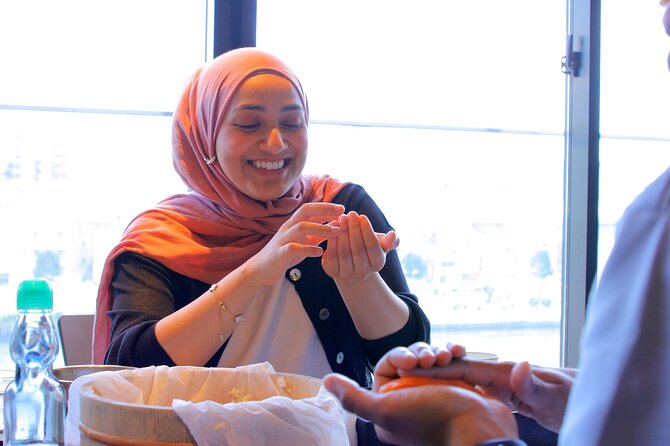
- Small-group attention: Maximum of 10 people, with clear English instruction.
- Ninety minutes that actually includes eating: History first, then you make, then you eat the sushi you shaped.
- Two core styles: Nigiri (the classic foundation) and maki (roll sushi).
- Dietary options exist: Standard gluten-free, vegan/vegetarian, halal, plus specific allergy categories with limits.
- Modern, hands-on setup: Reviews call out a clean, comfortable space and a pace that works for beginners.
- Location in central Osaka: After class, you can turn it into a food and sights walk around the tourist core.
Why This Osaka Sushi Class Feels Like a Real Workshop
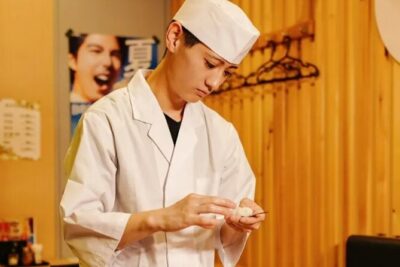
This isn’t a rushed “watch and eat” situation. The whole experience is built around making sushi yourself. You’ll learn the basics of Japanese sushi culture, but the real point is practical: you shape the sushi, you handle the rice and toppings, and you eat the results.
That matters in Japan. Sushi culture is often treated like a museum. Here, it’s treated like a skill you can practice. And because the class is capped at 10 travelers, staff can help when your fingers do that classic beginner thing—gripping too hard or overthinking the rice.
The teaching style also shows up in the details. English instruction is part of the package, and the pace is described as easy to follow. In past sessions, instructors such as Takara and Hayato have been mentioned as friendly, patient, and encouraging with step-by-step guidance.
You can also read our reviews of more tours and experiences in Osaka.

The 90-Minute Rhythm: History, Then Nigiri and Maki
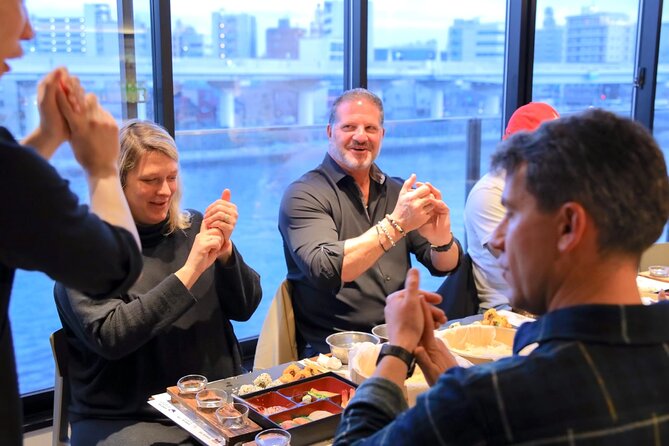
The schedule is about 1 hour 30 minutes (approx.). You can think of it as two halves plus dinner.
First half: learn and make
You start with a short introduction to sushi—where it comes from, how it became a Japanese food icon, and what different sushi styles are trying to accomplish. Then you get to work. The class is designed so you’re making sushi early, not just listening until the end.
Second half: make as you like, then eat
After the initial teaching, you continue making sushi and then finish by eating what you’ve made. Multiple people note there’s enough food for a satisfying meal. That’s a big deal for value, because you’re not paying just to try a bite—you’re taking home a plate’s worth of your own handiwork.
One nice extra is that the class includes engaging bits—light trivia or small games have shown up in accounts of the experience. It’s not “school.” It’s more like a fun way to remember what you’re learning.
Nigiri Sushi: The Classic You’ll Understand Fast
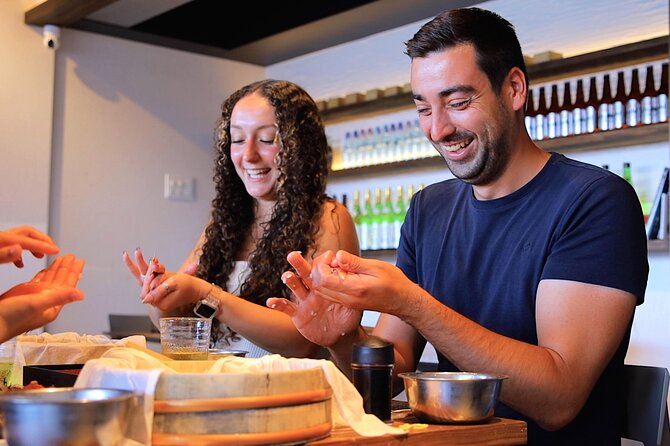
Nigiri is the simplest concept to explain and the hardest to perfect, which is why it’s a great first lesson. You’ll learn the standard, recognizable style: rice topped with something tasty.
Even if you’ve never shaped anything like this before, the class structure is meant to lower the intimidation factor. You get ingredients provided, you get clear instruction, and you get a chance to make more than one piece. Reviews highlight fresh ingredients and a pace that helps beginners catch on quickly.
The big takeaway for you: nigiri is about balance. Rice texture, firmness, and topping placement matter. When you make it yourself, you instantly get why Japanese chefs treat this style with care.
Maki Sushi Rolls: Rolling Without Panic
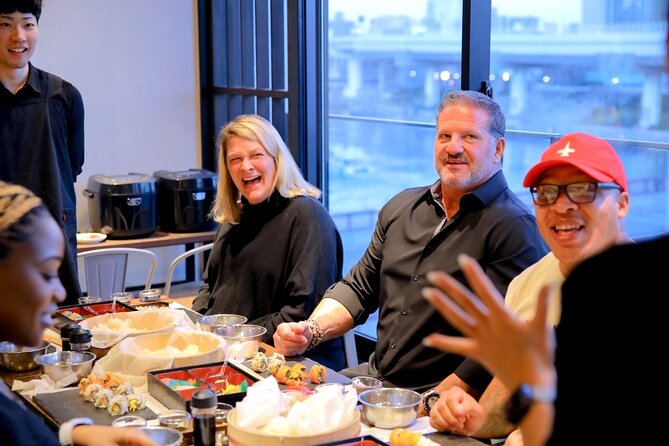
Maki (roll sushi) is the other key skill you’ll learn. Roll sushi is popular worldwide, but in Japan the details still matter: the rice layer, the filling choice, and how you roll so the pieces hold together.
In this class, you learn maki as a hands-on process, not a vague concept. You’ll be working with the tools and ingredients on-site, so you don’t need any special equipment.
A common beginner worry is ending up with a lopsided roll or too much filling. The class format helps here because you’re not doing it once. You make, adjust, and keep going. The goal isn’t perfection that looks like a TV sushi master. The goal is competence you can take home.
What You’ll Actually Eat (And Why It’s Worth the Price)
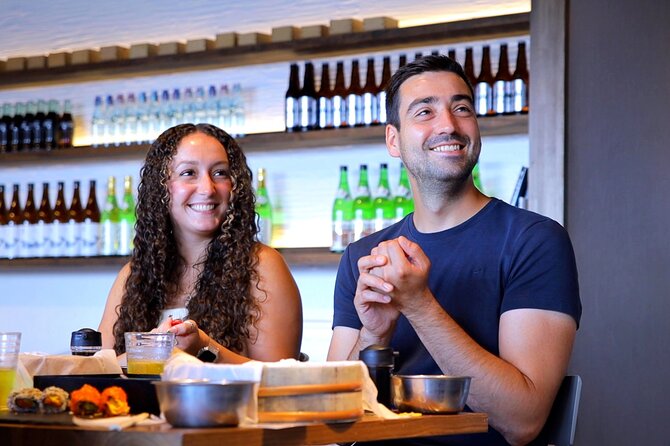
This class includes ingredients of the cooking class and meal. That means the “payoff” isn’t just the learning. You end up with the sushi you made, and there’s enough of it that people describe leaving full.
At $35.75 per person, that’s the value logic:
- You’re paying for an English-led lesson plus ingredients.
- You’re eating your own meal instead of buying lunch afterward.
- You’re getting a small-group experience, which usually costs more than large tours.
Could you get cheaper sushi in Osaka? Sure. But if you want the experience plus the meal, this is one of those deals where the price stops feeling random and starts feeling fair.
Just come hungry. Even with a light appetite, you’ll be glad you did.



Dietary Options: How to Get the Right Menu Without Stress
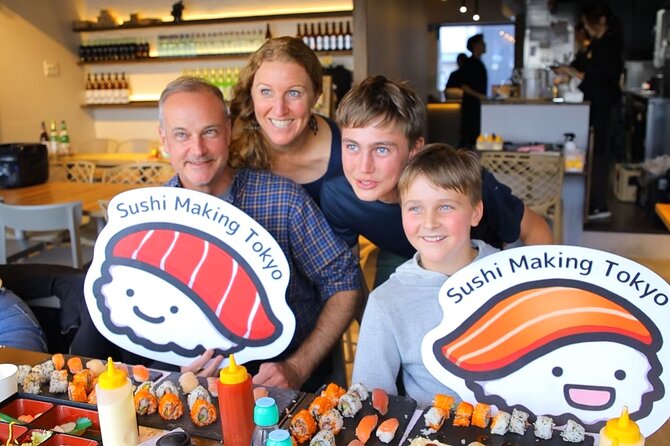
This operator lists multiple menu options, which is rare for small cooking classes:
- Standard (Gluten-free)
- Vegan / vegetarian
- Halal
- Allergy option with a specific note: not used meat, nuts, fruits, or dairy
Two important rules:
- If you need a change, contact when you reserve. The operator says they can’t respond on the day.
- They do not accept detailed ingredient specifications.
So for you, the practical plan is simple: choose the category that matches your needs exactly. If your dietary needs are very specific, this class may not be the right fit because they won’t customize beyond what they offer.
Osaka Location: Higashishinsaibashi Base, Central City Convenience

The meeting point is Sushi Making Osaka, 1-chōme-16-20 Higashishinsaibashi, Chuo Ward, Osaka (542-0083). It’s in central Osaka near public transportation, and the class ends back at the meeting spot.
This location is helpful because Osaka sightseeing is easy to stack. After class, you can keep wandering—shopping streets, food spots, and classic Osaka vibe areas are all within reach.
One practical drawback: some people mention the location can be a bit hard to find. That doesn’t mean it’s impossible. It just means you should:
- use your map app with the full address
- arrive a few minutes early
- plan to confirm the exact entrance once you’re in the right block
If you’re the type who likes to “arrive late and rely on luck,” this is one class where you’ll want a better approach.
Small Group Size: Why Max 10 Travelers Matters
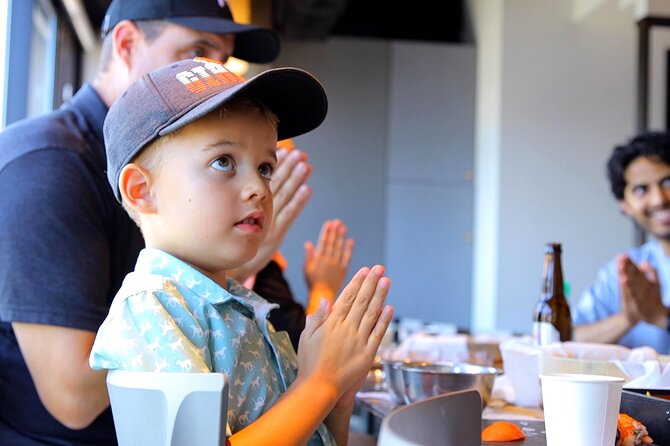
A lot of classes claim personalization. This one has a hard limit: maximum of 10 travelers. That’s not a marketing slogan; it changes the experience.
With fewer people:
- instruction is clearer
- staff can check your technique
- you spend less time waiting for your turn
- you can ask questions without feeling rushed
That’s also why reviews often mention that the atmosphere feels comfortable and the teaching pace works for beginners. When you’re learning knife-less sushi steps, the small details matter, and small groups make it easier to fix mistakes early.
Price and Value at $35.75: What You’re Really Paying For
You’re paying for four things:
- English speaking instruction
- Guided sushi-making for two styles (nigiri and maki)
- Ingredients (you’re not bringing anything extra)
- A meal made from what you create
At this price point, the value comes from the meal being included. If you were to buy sushi at a restaurant that also matches this “quality of ingredients” feel, you’d likely spend more than the class cost—especially once you add a drink or two.
Also, for many visitors, this is one of the few activities in Osaka where you leave with both skills and food. That combination makes it feel like more than a single “thing to do.”
Extra Osaka Tip: If You Ask, You Might Get a Food Recommendation
One charming detail from past participants: after class, the staff offered guidance on where to eat Osaka’s famous okonomiyaki. A recommendation for a spot called Hanahana was mentioned as a hit.
That’s not guaranteed, of course, but it’s a good strategy for you. If you want to eat like a local, ask what they suggest nearby. You’ll often get a better answer than what you find in a generic list.
Who Should Book This Class in Osaka (And Who Might Skip It)
This class is a strong fit if you:
- love sushi and want to learn how the styles differ
- want an activity that’s fun even if you’re a beginner
- prefer smaller groups with clear instruction
- want a class that ends with food you made yourself
It’s also a good choice if you’re traveling with mixed ages. Past accounts mention families, including a teenager and grandparents, doing well because staff were patient and the teaching pace stayed manageable.
You might skip it if:
- you need complex, highly specific ingredient customizations beyond the listed menu categories (the operator says they don’t accept ingredient specifications)
- you strongly need hotel pickup (there is none)
- you hate the idea of a structured class format and would rather wander and eat on your own
Should You Book Sushi Making Osaka?
If your goal is to do something hands-on in Osaka that’s both cultural and practical, I think yes, you should book. The combination of English instruction, two sushi styles, small group size, and a meal included makes it feel like a complete experience rather than a quick demo.
Just go in with the right expectations: you’re learning the essentials, not becoming a lifelong sushi chef overnight. And if you have dietary needs, pick the right category at reservation time so the day of the class stays smooth.
If you’re trying to choose between “another food stop” and “a skill you can repeat later,” this is one of the better bets.
FAQ
Where does the sushi class start and end?
The activity starts at Sushi Making Osaka, 1-chōme-16-20 Higashishinsaibashi, Chuo Ward, Osaka (542-0083). It ends back at the meeting point.
How long is the class?
The class runs about 1 hour 30 minutes (approximately). The schedule is described as about 90 minutes.
Is hotel pickup included?
No. Hotel pickup and drop-off are not included.
How many people are in the class?
The class has a maximum of 10 travelers.
What sushi styles will I learn?
You can learn to make two types of sushi: nigiri sushi and maki sushi (roll sushi).
Are there dietary options for gluten-free, vegan, halal, or allergies?
Yes. The operator lists Standard (gluten-free), Vegan/vegetarian, Halal, and an Allergy option with specific limitations. You should contact about changes when you make your reservation.
Can I request specific ingredients beyond the menu options?
No. The operator says they do not accept ingredient specifications.
What is the cancellation policy?
You can cancel for free up to 24 hours in advance of the experience start time for a full refund. Changes made less than 24 hours before the start time are not accepted.