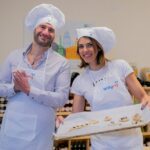
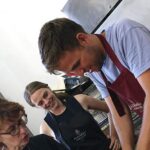
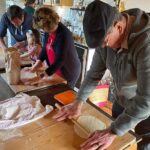
Fresh pasta in a seaside garden is a great Sicily detour. This is a hands-on lesson with Teresa where you make real pasta shapes the traditional way, then eat what you cook in her home setting near Syracuse. You’ll also learn what’s in the local market and how Sicilians think about simple ingredients and family recipes.
What I like most is the level of hands-on teaching. You’re involved in every step, so it’s not a watch-and-guess class. Second, I love that the meal has options built in—Teresa uses local, seasonal flours and can prepare meat, fish, or vegetarian sauces depending on what you need.
One thing to consider: the flour used contains gluten, so this isn’t a fit if you’re avoiding gluten.
In This Review
- Key highlights
- Why this fresh pasta garden class feels so Sicilian
- Where you start in Arenella (and how the setting helps)
- The “2 hours of lessons” rhythm: what you actually do
- Four pasta forms and the real joy of doing it yourself
- Sauces: meat, fish, or vegetarian (and how to choose)
- Drinks, coffee, and the pace (it’s not a rushed show)
- Getting to and from Ortigia: timing tips that save stress
- Price and value: what $132.53 buys you
- Who should book (and who might look elsewhere)
- Extras you can ask about: Ortigia stays and home-base convenience
- Should you book this fresh pasta garden lesson?
- FAQ
- What will I make during the pasta lesson?
- How long is the cooking experience?
- Do they offer the class in English?
- How big is the group?
- Where do I meet for the lesson?
- Is parking included?
- What drinks are included?
- Is transport available from Ortigia?
- Are there any dietary limitations I should know about?
- Is there an age requirement for children?
Key highlights
- Small group of up to 8 for real attention, not a crowded demo
- Four fresh pasta forms made with traditional methods
- Local, seasonal ingredients with meat, fish, or vegetarian sauces
- Drinks included: local wine, mineral water, and coffee
- Take-home notes: a list of local sauces for pasta or bruschetta
- Garden setting near Arenella and Syracuse with easy parking
Why this fresh pasta garden class feels so Sicilian
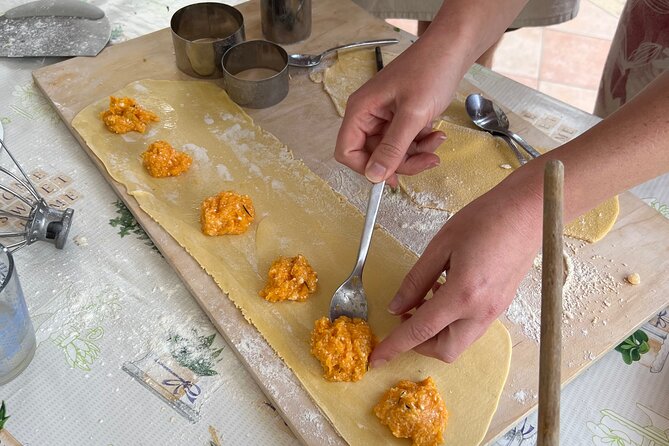
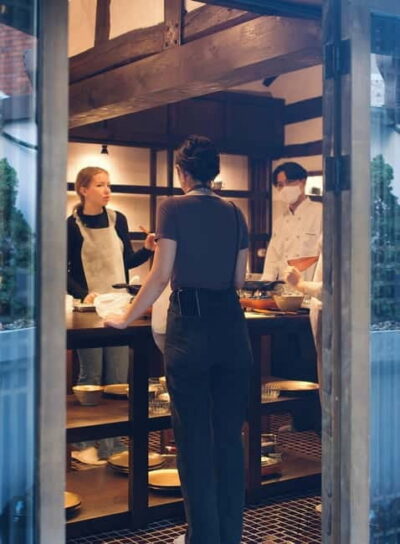
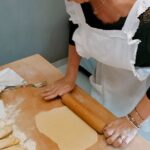
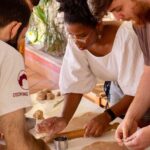
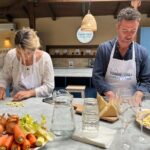
This isn’t a sterile cooking school kitchen. You’re in a home setting with a garden backdrop, and that changes the whole vibe. The lesson is built around simple actions—mix, knead, shape, rest, cook—done at a human pace with a teacher who wants you to succeed.
The best part for you is the combination of craft and food culture. You’re not only learning how to make pasta; you’re learning why Sicilians build flavor the way they do: local flours, seasonal ingredients, and sauces that match what’s available. That means you’ll go home with a method you can repeat, not just a one-off recipe.
And yes, your hands will get floury. That’s part of the deal. It’s messy in the fun way, and it’s usually the moment people stop worrying about doing it perfectly and start enjoying it.
You can also read our reviews of more tours and experiences in Sicily.
Where you start in Arenella (and how the setting helps)
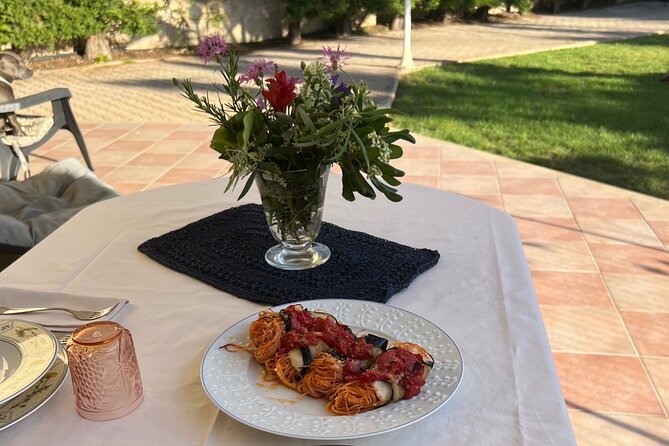
The class starts at Via Isole delle Molucche, 8t, 96100 Arenella SR. If you’re staying around Ortigia, this is a practical add-on rather than a full-day expedition—Arenella is close enough that you can pair this with an afternoon plan in Syracuse.
Parking is a real help here. You’ll have guarded parking, plus the option to park along the street or inside the villa driveway. If you’re renting a car, this reduces the stress that often comes with cooking classes that are hard to reach.
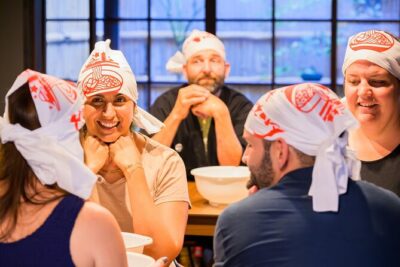
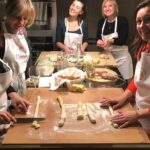
The group size is capped at eight travelers, which matters more than you might think. With a small group, Teresa can correct your technique when it counts—how much flour to use, how the dough should feel, and how thick to roll it before shaping.
The “2 hours of lessons” rhythm: what you actually do
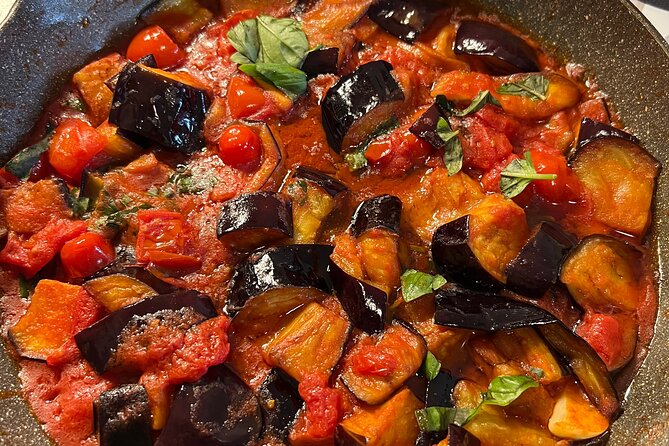
The experience runs about 2 hours 30 minutes total. The active teaching is described as two hours of lessons, which usually means you’ll spend that time creating the pasta and sauces step-by-step rather than sprinting through a checklist.
Here’s the flow you can expect:
- You’ll begin with dough work—using local, seasonal flours.
- Then you’ll shape four forms of fresh local pasta using traditional methods.
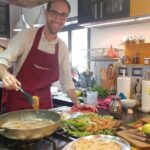
- At the same time (or in sequence, depending on the pace of your group), you’ll prepare sauces in the Sicilian style—meat, fish, or vegetarian.
- You’ll finish with tasting and eating what you made, with drinks included.
This format is valuable for you because pasta is all about timing and touch. The class gives you enough time to learn the feel of the dough and the logic behind each step. And since you’re involved in every step, you’ll remember how each stage changes the final texture.
Also, Teresa can adapt recipes to your needs. That doesn’t mean she can magically change everything, but it does mean you should be comfortable sharing dietary requirements early.
Four pasta forms and the real joy of doing it yourself
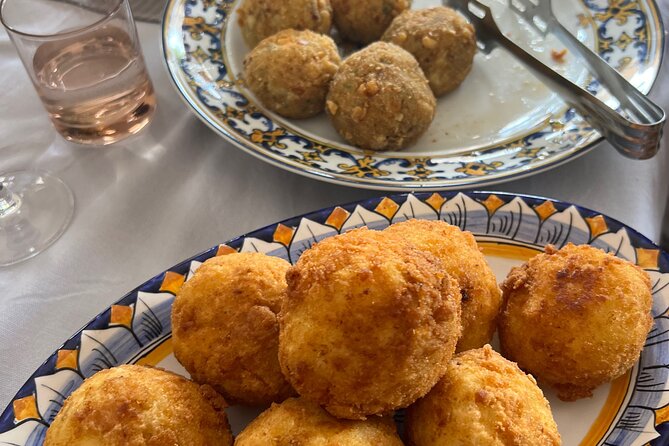
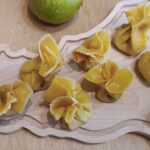
The headline of this lesson is the four pasta forms. That’s a great choice if you want variety without bouncing between multiple classes. Instead of making one pasta shape and leaving, you’ll create a small pasta “collection” by the end.
You’ll use traditional methods and local ingredients, which keeps the flavor grounded. Even if you’re a beginner, the structure helps: once you learn the basics of dough and shaping, you can apply that knowledge to the next pasta type.
What this teaches you—beyond the recipes—is muscle memory. Pasta-making is one of those skills where a few good corrections are worth more than reading a dozen guides. Teresa’s instruction style is practical and organized, and the English offering makes it easier to follow each step without guessing.
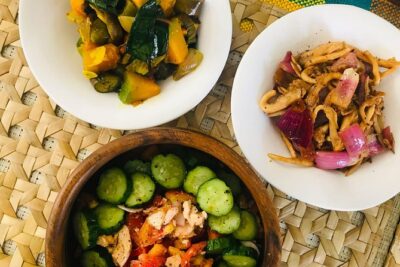
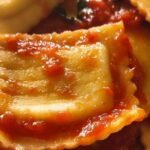
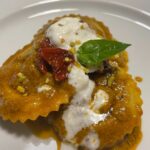
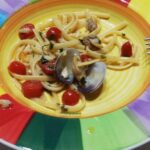
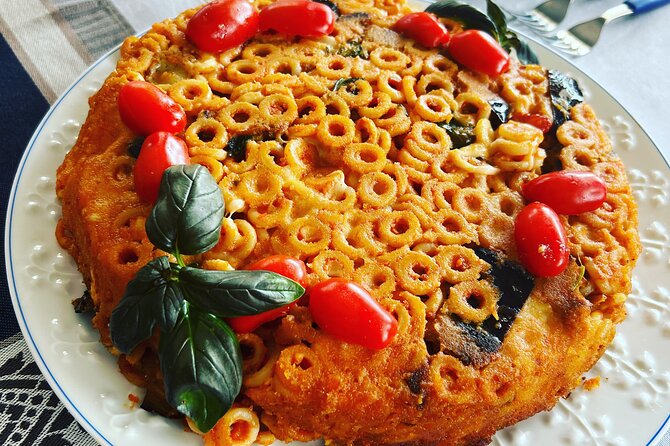
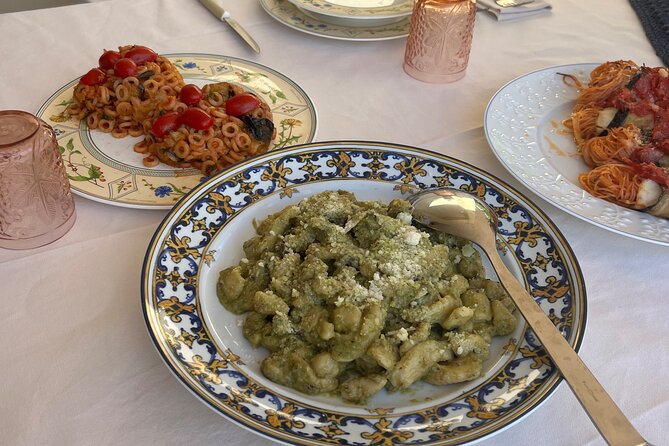
In one menu, the class included cavatelli with tuna sauce and another version with datterino tomato, plus other Sicilian pasta forms. In other sessions, the pasta variety can include items like oven-baked Sicilian rings with meat sauce. The consistent thread is the same: you’ll make fresh pasta from scratch and learn the logic behind each pairing.
Sauces: meat, fish, or vegetarian (and how to choose)
You won’t just roll dough and hope for the best. The sauces are part of the lesson, and that’s where Sicilian cooking gets practical fast.
The class is designed around meat, fish, and vegetarian sauces, so you can match the menu to your preferences. This matters if you’re traveling as a couple or group with mixed diets. It also means you’ll learn how sauce choice affects pasta texture and flavor balance.
A few helpful things to know before you go:
- Tell Teresa your preferences and any restrictions up front, especially for allergies.
- Expect seasonal ingredients to show up, since the class uses local and seasonal flours and ingredients.
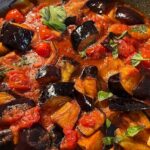
- If you’re vegetarian, you’ll still get the point of Sicilian flavor: herbs, tomatoes, and the kind of slow-building taste that doesn’t rely on heavy shortcuts.
One nice extra: you receive a gift list of local sauces for pasta or bruschetta. That’s a smart take-home because it helps you keep cooking after you return home. It turns your class into something that keeps paying off.
Drinks, coffee, and the pace (it’s not a rushed show)
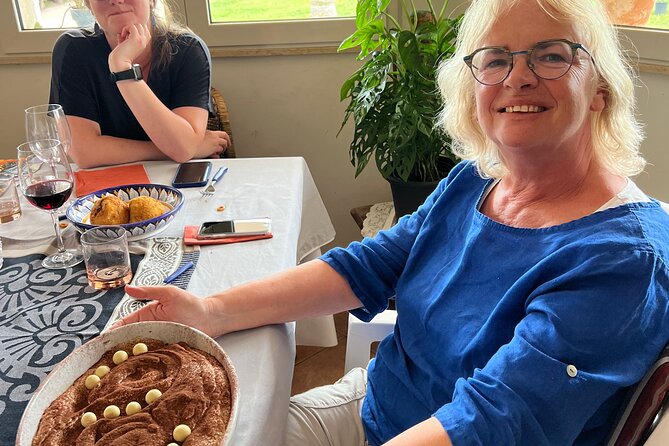
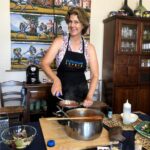
Food classes can be either exhausting or relaxed. This one tends to feel like the second option because you’re working in a home kitchen rhythm, not sprinting through stations.
Local wine, mineral water, and coffee are included, which means you don’t have to plan around purchases during the meal. It also makes the tasting portion feel like an actual lunch or small dinner, not a quick bite before you leave.
From the way Teresa runs the lesson, it’s clear she aims for both professionalism and warmth. The instruction is organized, and the overall setup includes time to ask questions. You’ll also notice she keeps things clean and runs the class like she expects you to enjoy yourself.
One more practical angle: the experience can involve a lot of food. Even if you’re not the type to eat big portions, you’ll likely leave satisfied, and you may have leftovers. That’s not a guarantee, but it’s consistent with the way menus are built.
Getting to and from Ortigia: timing tips that save stress
If you’re basing yourself in Ortigia, you’ll probably love how easy this feels. The class is set in the Arenella seaside area, about 15 minutes from Ortigia, and it’s designed as a do-able side trip rather than a complicated excursion.
You have a few options:
- Private transport is available for €20 per person, paid in cash on the spot.
- Teresa can also arrange taxi service in some cases, which is helpful if you’re staying in Ortigia and don’t want to worry about driving after dinner.
- If you’re driving yourself, the guarded parking and villa driveway options keep things simple.
For planning your day, do this when you’re not trying to cram three other big activities. You’ll use energy kneading and shaping dough, and you’ll want time to enjoy the meal you make.
Price and value: what $132.53 buys you
At $132.53 per person for about 2.5 hours, you’re paying for several things that add up quickly:
- A small group size (maximum of eight), which means instruction isn’t diluted.
- Multiple pasta types—four different fresh forms—plus sauces in more than one style.
- Local ingredients plus drinks (local wine, mineral water, coffee).
- Take-home sauce notes to keep the experience useful after your trip.
If you compare the cost to what you’d spend just buying ingredients and eating out, this still works because you’re also buying time with a teacher. The real value is that you’ll leave able to reproduce a method, not just tasting something once.
Also, there’s a last-minute option described as a special price for a public class shared with other guests. If you’re flexible and your schedule is loose, it can be a way to reduce the price while still getting the same core experience.
Who should book (and who might look elsewhere)
This is a great fit if you want real food skills and you like learning by doing. It’s also excellent if you’re traveling with family, as long as kids meet the minimum age—children must be at least eight years old.
Book it if:
- You want fresh pasta skills with traditional methods.
- You care about local and seasonal ingredients.
- Your group has mixed preferences (meat, fish, vegetarian), and you want everyone fed.
You might want a different plan if:
- You need a gluten-free experience (the flours contain gluten).
- You’re looking for something strictly hands-off. This one is active.
Extras you can ask about: Ortigia stays and home-base convenience
One of the underrated aspects of this setup is that Teresa has two renovated accommodations in Ortigia, and she can share information if you ask. That’s not part of the cooking lesson itself, but it can be a smart connection if you’re still deciding where to sleep.
If you’re planning to explore Syracuse and Ortigia, staying in the right base matters. A location that reduces travel time makes it easier to add experiences like this one without feeling rushed.
Should you book this fresh pasta garden lesson?
Yes—if you want a hands-on Sicilian food experience near Ortigia. The small group size, the four fresh pasta forms, and the fact that you prepare the sauces (not just watch) make it feel like real value, not a tourist performance.
Book it particularly if you’re the type who likes to bring something home that isn’t just photos. The take-home sauce list helps you keep the connection to Sicily alive when you cook again.
One last check: if anyone in your party needs gluten-free food, plan ahead. The lesson uses gluten-containing flours, and that will shape what’s possible.
If you want a practical, enjoyable afternoon where you make real pasta and eat like a local, this is an easy yes.
FAQ
What will I make during the pasta lesson?
You’ll prepare four forms of fresh local pasta using traditional methods, and you’ll also make sauces that can be meat, fish, or vegetarian. Teresa can adapt recipes to your needs.
How long is the cooking experience?
The experience lasts about 2 hours 30 minutes.
Do they offer the class in English?
Yes, the lesson is offered in English.
How big is the group?
The class has a maximum of 8 travelers.
Where do I meet for the lesson?
The meeting point is Via Isole delle Molucche, 8t, 96100 Arenella SR, Italy, and the activity ends back at the same point.
Is parking included?
Yes. There is guarded parking, and you can also park along the street or inside the villa driveway.
What drinks are included?
You get local wine, mineral water, and coffee.
Is transport available from Ortigia?
Private transport is available for €20 per person, paid in cash on the spot.
Are there any dietary limitations I should know about?
The flours used contain gluten, so it’s not suitable for gluten-free diets. Teresa can adapt recipes to your needs, so share details when booking.
Is there an age requirement for children?
Yes. Children must be at least eight years old to attend.