REVIEW · CHENNAI
Private South Indian Tamil Cooking Class in Chennai with Srividya
Book on Viator →Operated by Traveling Spoon · Bookable on Viator
Spice lessons in a real Chennai home. This private, 3-hour Tamil cooking class with Srividya has you cooking 2–3 dishes from scratch and then sharing a home family-table meal. I especially love the recipe conversation and cooking hacks that explain the why behind each spice and technique.
One thing to think about: even though you will help cook, the flow can feel like a guided lesson more than nonstop hands-on for every step, depending on the dish and how your class session runs.
In This Review
- Key Highlights You Should Know Before You Go
- Entering Srividya’s T Nagar Kitchen
- The 3-Hour Flow: How the Class Usually Unfolds
- What You’ll Cook: Tamil Favorites in Real South Indian Style
- Spices, Tempering, and the Small Decisions That Make the Food Work
- The Banana Leaf Meal: Eating What You Cook
- Price and Value: Is $46 a Good Deal?
- Lunch vs Dinner Timing: Choosing the Right Slot
- Logistics That Matter (and the Ones That Don’t)
- Who This Cooking Class Suits Best
- Should You Book Srividya’s Tamil Cooking Class in Chennai?
- FAQ
- How long is the South Indian Tamil cooking class in Chennai?
- What dishes will I learn to make?
- Is the class vegetarian?
- What does the price include?
- Is hotel pickup or drop-off included?
- Where do I meet the host?
- Do I need a printed ticket?
- What if I need to cancel?
Key Highlights You Should Know Before You Go
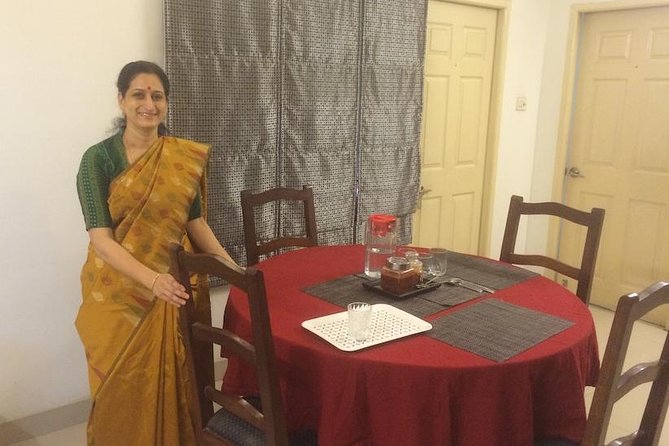
- A private in-home kitchen experience in Chennai, for just your group
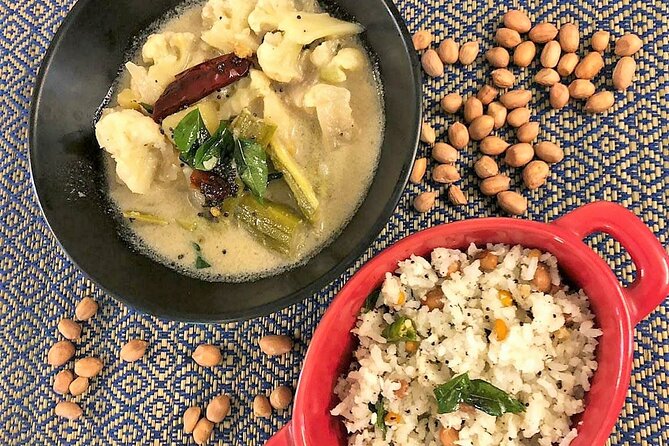
- Cook 2–3 South Indian Tamil dishes from scratch, like dosas, idlis, curries, and rice
- Spice-and-technique focus using ingredients such as mustard seeds, coconut, and black pepper
- Lunch or dinner ends at the family table, with dishes you prepared together
- Seasonal dishes and homemade mango pickle often show up on the menu
- You can ask for dietary needs when booking, and the host works with requests
Entering Srividya’s T Nagar Kitchen
This is the kind of experience that feels like Chennai, not like a set. You meet at Arcus – Appaswamy Real Estates Ltd in T. Nagar (Giri Road), then the activity ends back at the same meeting spot. That structure matters: you’re not rushed through a long pickup chain, and you get a calmer window to meet your host and settle in.
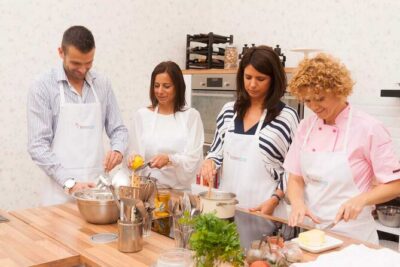
The class is private, which is a big deal for a cooking lesson. In a small group (or just your party), you can ask questions as they come up—why a tempering step matters, how to adjust spice, what to do if a batter is too thick, or how South Indian flavors behave when they cool. And because it’s in a family home kitchen, you’re learning in the context where these meals get cooked for real.
Srividya’s home setup also creates an atmosphere for conversation. In the tone people describe, you’re not stuck watching quietly. You’re there to learn recipes, yes—but also to talk through traditions and cooking approaches. If you like learning how people actually cook at home, not just following steps, this format tends to land well.
Practical note: there’s no hotel pickup or drop-off. It’s near public transportation, so you should be able to reach it without too much stress, but you will be responsible for getting there.
You can also read our reviews of more tours and experiences in Chennai.
The 3-Hour Flow: How the Class Usually Unfolds
The schedule runs for about 3 hours, and you can choose a start time that ends in lunch or dinner. That choice affects the pace of your day more than you might expect. A lunch-ending class can feel like a perfect reset—then you have the afternoon free. A dinner-ending class can also be a win because you won’t need to figure out dinner afterward. In both cases, you’re eating what you made, so the timing isn’t just about learning; it’s also about food rhythm.
Here’s the basic rhythm you can expect:
- Arrive and settle in
You’ll meet Srividya at the meeting point, then move to the home kitchen area. Some guests note a warm greeting with drinks like lime juice, which helps you feel at ease right away.
- Cook with guidance, step by step
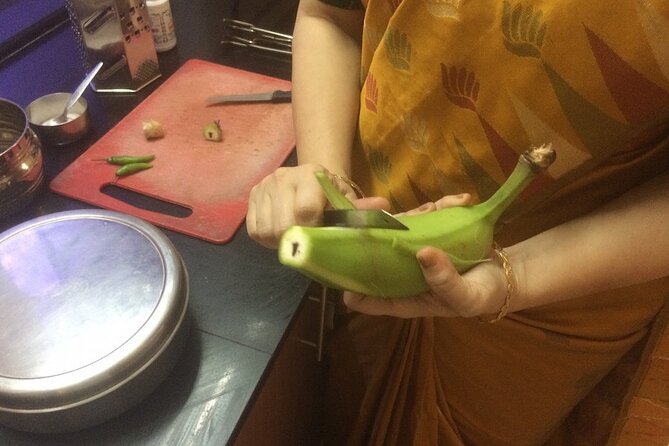
The lesson focuses on making 2–3 South Indian Tamil dishes from scratch. You’ll learn what goes where, and why the order matters—especially with spice tempering and texture-heavy items.
- Taste during and after cooking
After cooking, you sit down at the dining table and enjoy the meal. It’s not just tasting random bites; the goal is a full plate that represents the variety of South Indian comfort food.
- Eat together like it’s normal
The experience is designed so you share the meal with Srividya and her family. That social part is not a side quest. It’s part of why the class feels authentic.
If you’re the type who likes to watch first, then do later, you’ll probably be comfortable here. If you want to stir and chop nonstop, plan to communicate that early—there can be a mix of instruction and hands-on work depending on the dish.
What You’ll Cook: Tamil Favorites in Real South Indian Style
The class centers on cooking 2–3 dishes. The most common options listed include dosa, idli, and curries (and sometimes other Tamil staples). Even when the exact menu varies by the season, you can expect the lesson to cover the core flavor-building blocks of South Indian Tamil cooking.
Some of the dishes you can expect to taste (and in many cases prepare) include:
- Vegetable curries
Think coconut-forward sauces, warming spices, and bold tempering flavors. These are the backbone of many South Indian meals.
- Dosas
Thin, crispy South Indian crepes. Dosa is as much about batter consistency and heat control as it is about ingredients.
- Idli
Fluffy, savory rice cakes. Idli is a texture lesson—steam, timing, and batter balance matter.
- Kozhukattai
South Indian dumplings made with different flour bases. This is one of those dishes that feels very local even if you’ve never tried it before.
- Tamarind rice or curd rice
Rice dishes that show you how South Indian meals can be both tangy and comforting.
- Homemade mango pickle
This kind of condiment is often the flavor shortcut you didn’t know you needed. Mango pickle shows up as a defining side because it keeps meals bright and not one-note.
- Fish curry (possible, depending on the menu)
The description includes fish curry among the seasonal dishes you can taste. If you’re vegetarian or have dietary restrictions, tell Srividya ahead of time so the menu matches your needs.
The other detail I like: the meal highlights different South Indian cooking styles, including Mudaliar and Tamilian Brahmin cooking. That matters because South Indian cuisine isn’t one single flavor. You learn how families approach spices, textures, and what foods belong at the table.
Also, spice types get named clearly in the class format. You’ll work with ingredients such as mustard seeds, coconut, and black pepper. For a home cook, this is gold. These aren’t abstract flavors. They’re ingredients you can recognize and recreate later.
Spices, Tempering, and the Small Decisions That Make the Food Work
South Indian Tamil cooking has a few “secret powers,” and the class focuses on them in a practical way. When you cook, you don’t just learn the final dish—you learn the decisions that create it.
Here are the kinds of lessons that tend to stick:
Spice tempering and timing
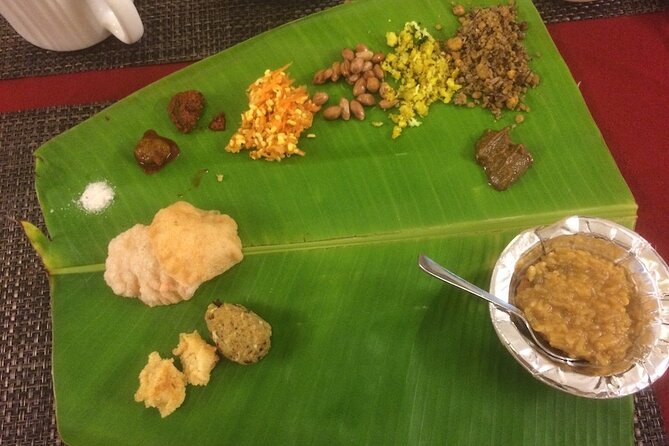
Mustard seeds, spices, and aromatics are often used in quick stages. The difference between cooked and scorched can be huge. In a home-kitchen lesson, you get a feel for how fast oil heats up and when to add what.
Coconut as a flavor engine
Coconut shows up as more than garnish. It helps round off spice and adds a creamy body in curries and chutney-style flavors.
Pepper heat with balance
Black pepper can go from sharp to comforting depending on how it’s used. Cooking instruction helps you learn where pepper fits into a broader sauce or curry.
Texture management
Dosa and idli teach you that “batter” isn’t one thing. It’s thickness, spreadability, and steam or heat behavior. If you’re the kind of person who always wonders why homemade dosas aren’t crisp enough or why idli turns out dense, this is the kind of class that can help you get unstuck.
And the host conversation is part of the teaching. Guests mention discussions around traditions and recipe hacks, plus lots of questions answered patiently. That’s not fluff. In cooking, small technique adjustments are everything, and talking through them makes you confident enough to try again at home.
The Banana Leaf Meal: Eating What You Cook
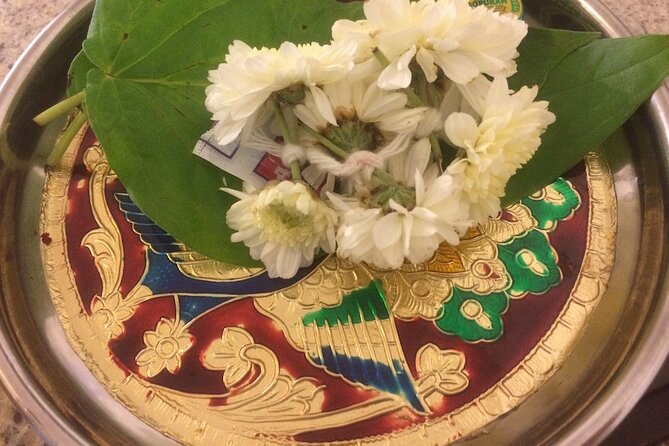
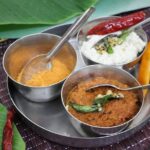
After the cooking lesson, you eat with Srividya at her dining table. In many home meals, it’s normal to serve food in a way that feels casual but deliberate. Here, some guests specifically note that the meal is served on a banana leaf, which is exactly the kind of detail that makes it feel like a real kitchen, not a restaurant performance.
This is also where the class becomes more than just a workshop. You get to compare what you made during the lesson with what it tastes like as a full plate: curry plus rice plus something crispy or fluffy. That combo is where South Indian meals often shine—flavors talk to each other instead of competing.
One of the best parts is that you’re not eating alone. You share the meal with Srividya and her family, which turns the lesson into a cultural exchange. You’ll likely swap questions about food habits, ingredients, and what you’re used to eating back home. That social side is what makes the evening feel personal.
Dietary fit note: the experience asks you to advise dietary requirements at booking, and you should do that early. If you have vegetarian needs, allergies, or other restrictions, this is your best chance to make sure the menu and prep match your situation.
Price and Value: Is $46 a Good Deal?
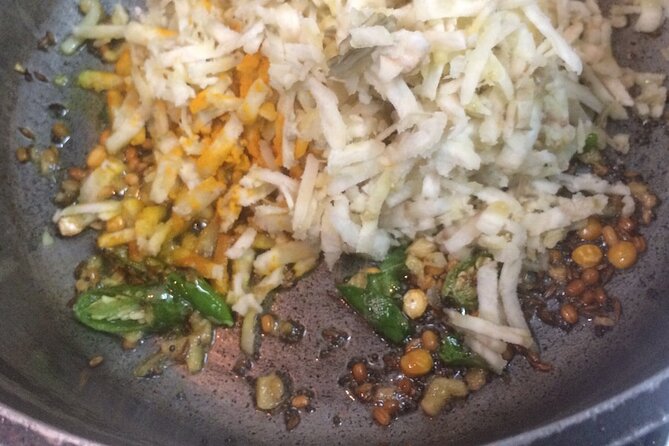
At $46 per person for a roughly 3-hour private cooking class with a home meal, the value mostly comes from three things:
- You get private instruction, not a crowded demo.
- You eat what you make, at the family table, which makes the lesson feel complete.
- You learn a living food system, not just a single recipe. The focus on spices, textures, and South Indian cooking approaches helps the knowledge travel to your own kitchen.
Is it “cheap”? No. But it’s also not one of those experiences where you pay for a quick tasting and leave hungry. You’re paying for time, teaching, and a full meal—plus the fact that it’s in someone’s home.
Also, it’s typically booked about 38 days in advance on average. That’s a sign to plan ahead if you have a tight Chennai schedule or you want a specific lunch-ending or dinner-ending time.
Check whether group discounts apply if you’re traveling with friends or family. Even though the tour is private for your group, discounts can change the per-person value.
Lunch vs Dinner Timing: Choosing the Right Slot
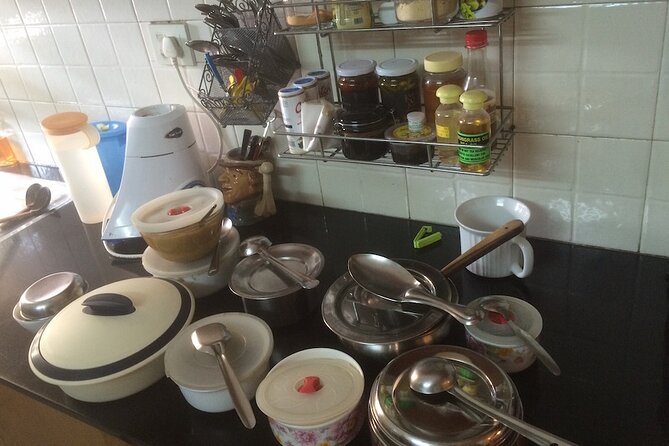
Your choice is simple: pick a time that ends in lunch or dinner. Here’s how to think about it:
- Lunch-ending class
Great if you want to start your day with something structured and then use the rest of the afternoon for your own exploring.
- Dinner-ending class
Great if you want a built-in meal plan. You won’t need to hunt for dinner afterward, which can save time and energy.
Because the cooking class is about 3 hours, slot timing affects your energy level. If you’re arriving from a long day of sightseeing, dinner might feel more comfortable. If you’re fresh in the morning, lunch can set you up for a relaxed afternoon.
Logistics That Matter (and the Ones That Don’t)
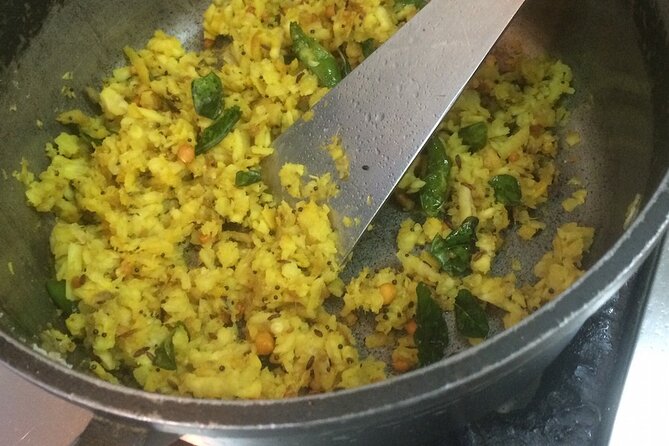
Here’s the practical stuff that will help you have a smooth experience:
- Meeting point: Arcus – Appaswamy Real Estates Ltd, New No 21, 9, Giri Rd, Satyamurthy Nagar, T. Nagar, Chennai, Tamil Nadu 600017, India
- No pickup/drop-off: you’ll get yourself there
- Near public transport: so plan to use transit or a short ride-share walk-in route
- Mobile ticket: you’ll have a ticket on your phone
- Dietary requirements: advise them at booking
If you’re a careful eater, tell Srividya exactly what you need. The description includes a mix of dishes you can taste, including curries, dosas, idli, rice options, mango pickle, and possibly fish curry. That’s not a problem as long as your needs are clear early.
One more thing: if you really want a very hands-on role—stirring, pouring, shaping, and doing most steps yourself—ask about the level of participation when you book. Some people find the lesson more guided than fully do-every-step. You can still have a great time, but it’s best to align expectations upfront.
Who This Cooking Class Suits Best
This is ideal if you fit one or more of these boxes:
- You like food that has a strong regional identity, not generic Indian cooking
- You want to learn how to make dishes, especially spice-based curries and texture foods like dosa and idli
- You enjoy conversation and cultural exchange, not just a silent cooking session
- You want a private home experience in Chennai that ends with a real meal
- You’re traveling as a couple or small group and want better attention than a big group class
If you’re only in Chennai for a short time and you don’t want to spend energy hunting down lunch plans, this also works well. You’ll be fed, and you’ll come away with a clear idea of what South Indian Tamil cooking feels like.
Should You Book Srividya’s Tamil Cooking Class in Chennai?
Book it if you want a private, home-kitchen experience that teaches you South Indian Tamil dishes in a way you can actually use later. The best part is the combination of cooking instruction plus a shared family meal, with a focus on spices and technique, not just a quick tasting.
Skip or think twice if you’re expecting a fully hands-on “do everything yourself” class in every step. You may still cook and help a lot, but the format can feel like a guided lesson rather than total control of every stage.
If you go, do one smart thing: share your dietary needs at booking and ask about participation level if that matters to you. Then bring an open mind, a hungry stomach, and curiosity for why South Indians season and cook the way they do.
FAQ
How long is the South Indian Tamil cooking class in Chennai?
It runs for about 3 hours.
What dishes will I learn to make?
You’ll learn to prepare 2–3 South Indian Tamil dishes from scratch. Options mentioned include curries, dosas, idli, kozhukattai, and rice dishes like tamarind rice or curd rice.
Is the class vegetarian?
The overview says you prepare vegetarian dishes such as curry, dosas, or idli, but the description also says you can expect to taste seasonal dishes that may include fish curry. Tell your dietary needs when booking.
What does the price include?
The included items are the private cooking lesson with your host Srividya and the homecooked South Indian meal.
Is hotel pickup or drop-off included?
No. You’ll meet at the listed meeting point and the activity ends back there.
Where do I meet the host?
The class starts at Arcus – Appaswamy Real Estates Ltd, New No 21, 9, Giri Rd, Satyamurthy Nagar, T. Nagar, Chennai, Tamil Nadu 600017, India.
Do I need a printed ticket?
No. A mobile ticket is included, and confirmation is received at booking time.
What if I need to cancel?
Cancellation is free, and you can cancel up to 24 hours in advance for a full refund.