REVIEW · HO CHI MINH CITY
Full-Day Farming & Cooking class at Agricultural Village
Book on GetYourGuide →Operated by Westen Asian Travel Service Company · Bookable on GetYourGuide
A farm meal starts before breakfast. In Cu Chi, you get a real look at how Vietnamese families grow food and then turn it into a sit-down lunch. I especially loved the hands-on picking in the garden and the way the cooking class uses what’s fresh, not what’s convenient. One thing to consider: this is a full-day outing, so double-check your schedule and what dishes you’re assigned if you want maximum time at the stove.
The best part is how the day moves from fields to food with almost no disconnect. You’ll see cattle in the fields, walk through growing areas for mushrooms, fruits, and herbs, and then cook using ingredients you gathered yourself. The other highlight for me was learning practical, healthy Vietnamese cooking techniques from a professional chef, not just watching a demo. The only drawback I’d flag is group flow: if the group is split or timed differently, ask early so you’re not left with fewer dishes than you expected.
You’re not paying just for lunch. At $70 per person you’re buying the transport, the guided farm experience, the cooking instruction, and the meal that includes your own handiwork plus a surprise dessert. If that sounds like your kind of day, you’ll likely come away with ideas you can use at home.
In This Review
- Key things I’d focus on before you go
- Cu Chi Farm Life: What This 35-Kilometer Trip Really Gives You
- Morning in the Fields: Cows, Crops, and Mushroom Growing Lessons
- Picking Your Ingredients With a Bamboo Basket (Yes, You’ll Use One)
- The Cooking Class: Turning Fresh Produce Into Healthy Vietnamese Dishes
- Lunch, Surprise Dessert, and Your Take-Home Certificate
- Price and Value: Is $70 a Good Deal Here?
- Who This Cu Chi Class Suits Best (and Who Might Skip It)
- What to Bring (So the Day Feels Easy, Not Annoying)
- Should You Book This Farming & Cooking Day in Cu Chi?
- FAQ
- What’s included in the full-day farming and cooking class?
- How much does the class cost?
- Where does it take place?
- How long is the experience?
- Do I need to bring anything?
- Are pets allowed?
- What languages are the guides?
- Is this suitable for people with mobility needs?
- If I have dietary restrictions, what should I do?
Key things I’d focus on before you go
- Cu Chi is close to Ho Chi Minh City: about 35 kilometers, so it’s a doable day trip without feeling like a marathon bus ride.
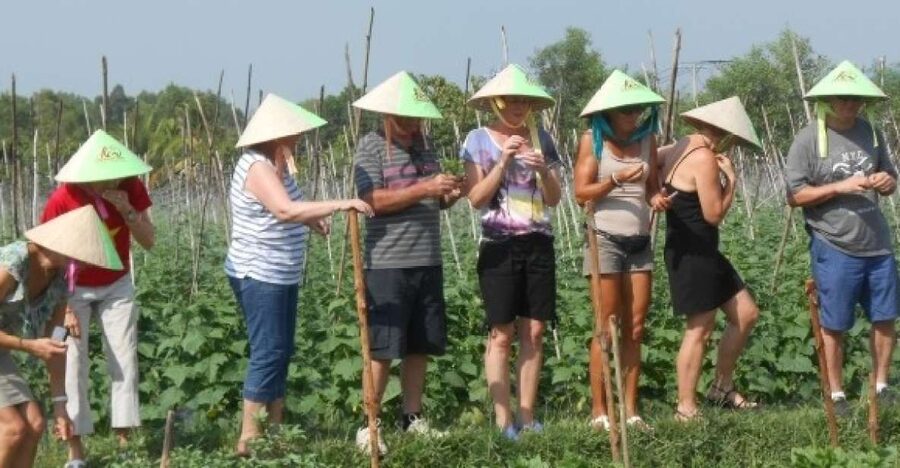
- You pick ingredients in the garden with a bamboo basket and scissors, then use them right in class.
- Mushrooms and herbs are part of the education, including how mushrooms are cultivated and why herbs matter for health.
- Small group size (max 15) makes it easier to ask questions during the cooking.
- You leave with take-home value: a certificate, recipes, and souvenirs, not just photos.
Cu Chi Farm Life: What This 35-Kilometer Trip Really Gives You
Cu Chi is famous for agriculture, and the day starts by getting you out of the city mindset. Even though you’re only around 35 kilometers from Ho Chi Minh City, the change feels big once you’re in the rural farming area. Think open fields, working farms, and food that’s clearly grown by people who rely on seasons and repetition.
This is also a smart format if you want more than a generic tourist meal. A lot of cooking classes in Vietnam focus on technique with imported ingredients or pre-planned menus. Here, the whole point is that you learn Vietnamese cuisine through the work behind it: feeding livestock, walking crop areas, and seeing what’s actually growing.
You’ll also appreciate the pacing. It’s an early-day start, then a full morning and midday built around farm tasks and cooking. That matters because you’re more likely to remember the details when your brain isn’t running on late-morning fog.
You can also read our reviews of more tours and experiences in Ho Chi Minh City.

Morning in the Fields: Cows, Crops, and Mushroom Growing Lessons
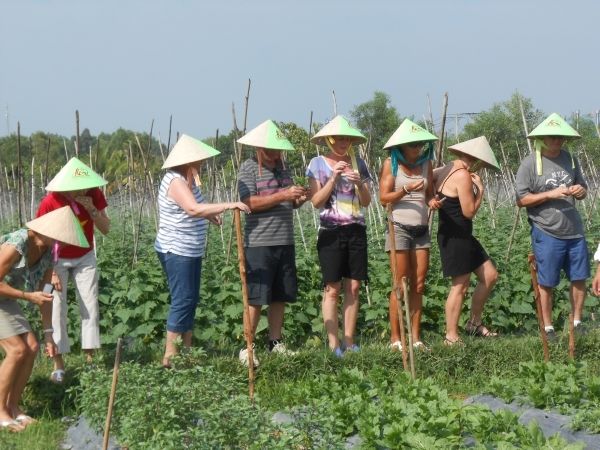
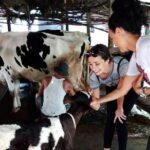
Your morning revolves around agriculture in action. Cu Chi is known for cattle, and you’ll see herds wandering through fields rather than being confined in a single spot. That visual alone helps you understand why farming here looks the way it does and why local routines shape everything from plant choices to timing.
Next comes the part that food lovers tend to enjoy most: the growing areas. You’ll see where vegetables are cultivated and where other categories like mushrooms, fruits, and herbs come from. This isn’t just a quick glance. The guide explains the cultivation ideas, including mushroom cultivation methods, and you’ll encounter unusual fruits you might not recognize.
The herbs stop is especially useful. Instead of treating herbs as garnish, you get a practical explanation of how herbs support health and how you can incorporate them into everyday dishes. Even if you don’t cook often at home, you’ll probably leave with a more confident approach to using herbs in sauces, soups, or vegetable-focused plates.
One practical note: this is outdoor work and walking. Wear comfortable shoes because you’ll be moving around farm areas, likely on uneven ground at times. Bring sunglasses if you’re sensitive to glare, and don’t forget your camera if you want to capture the garden scenes.
Picking Your Ingredients With a Bamboo Basket (Yes, You’ll Use One)
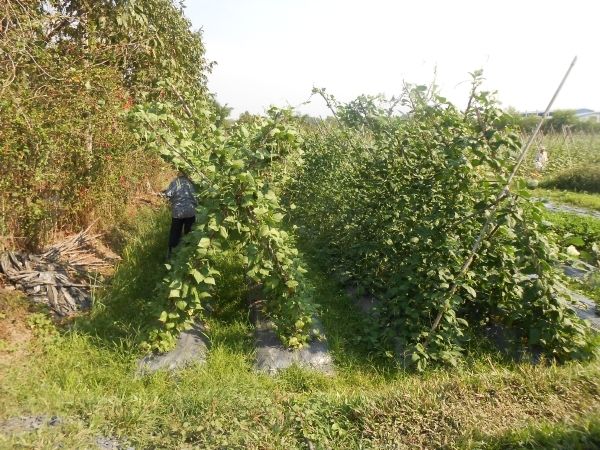
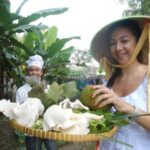
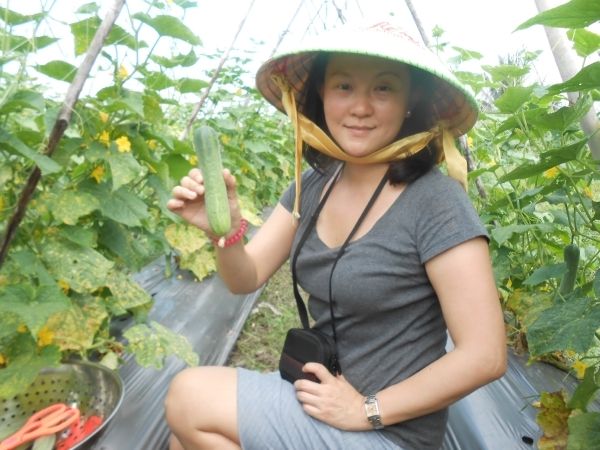
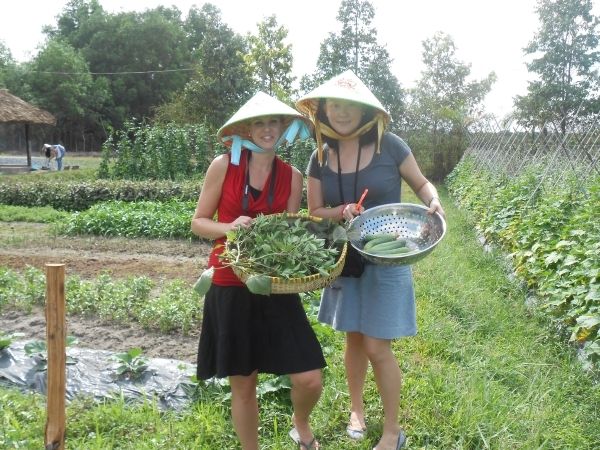
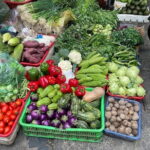
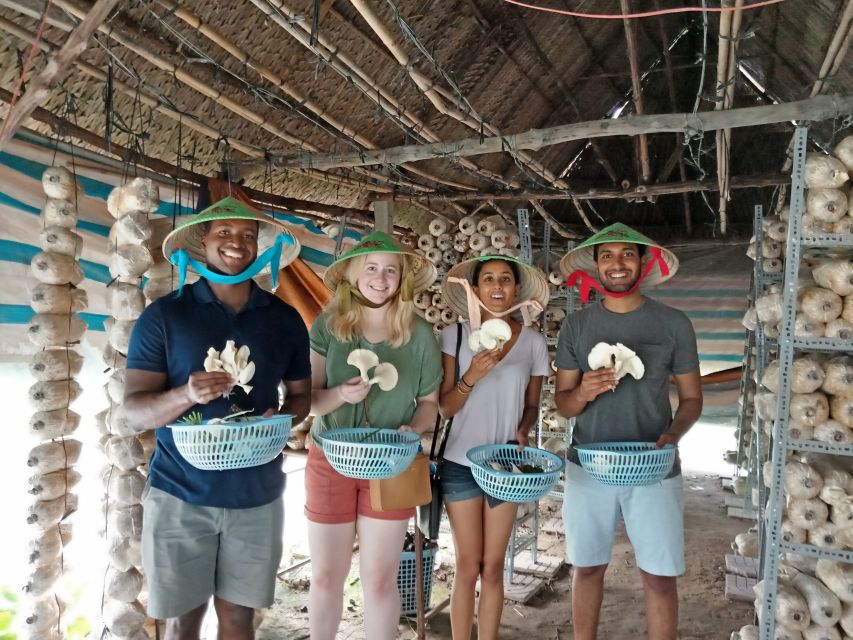
After you get oriented to the farm, you’ll put on a traditional Vietnamese hat, grab a bamboo basket, and start picking. You’ll use scissors as part of the ingredient harvesting process, so it’s not just a stroll with a snack at the end. You’ll choose vegetables, mushrooms, fruits, and herbs based on what your cooking class will use.
This part matters more than it sounds. When you pick the ingredients yourself, you naturally pay attention to how they look and how they smell. That makes the cooking step click. You’re not just chopping random produce; you’re recreating what you saw growing, using the same kind of fresh items farmers bring to their tables.
You’ll also learn quickly that “organic” here isn’t marketing talk. The ingredients come from the garden areas you toured, and you’ll be working with produce that fits the reality of the day’s harvest. That freshness is why the class meal tastes so satisfying afterward.
If you have insect concerns, plan ahead. The operator asks you to bring insect repellent if you need it, and that’s a good call for any outdoor farm setting.
The Cooking Class: Turning Fresh Produce Into Healthy Vietnamese Dishes
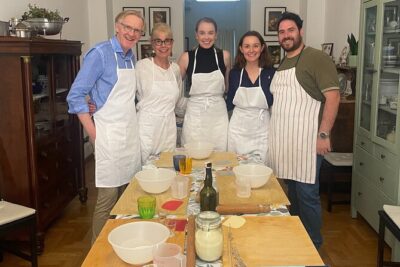
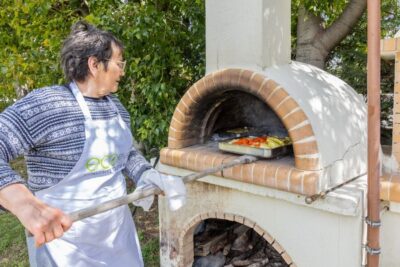
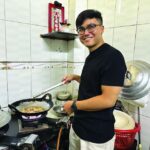
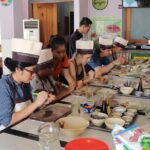
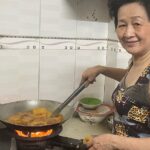
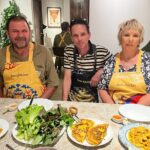
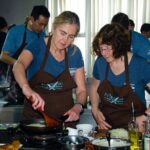
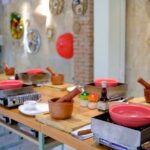
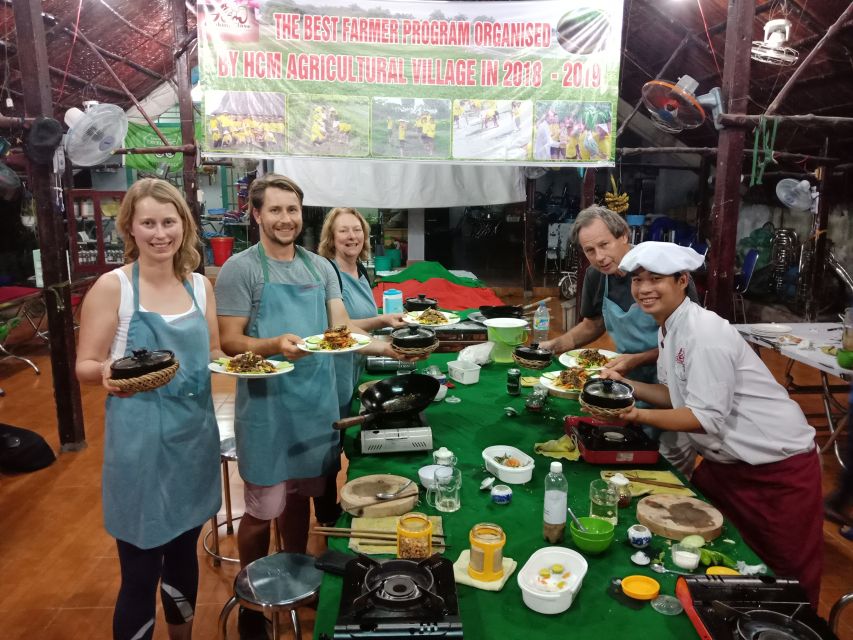
Once the ingredient picking is done, you’ll head to the restaurant area where the cooking happens. The cooking class is guided by a professional chef, and you’ll learn regional techniques as you prepare Vietnamese dishes. The class is built around “learn by doing,” so you’re not just watching someone else cook while you take notes.
What you can expect is a workflow that starts with ingredients you collected and then moves into cooking basics and refinement. The focus is on healthy dishes, so you’ll get tips for balancing flavors without relying only on heavy sauces or complicated steps. Expect to learn how to handle vegetables and herbs in a way that keeps them tasting bright rather than tired.
You’ll also get to work with mushrooms and herbs in a more meaningful way than most cooking classes. Since you already saw the mushroom growing approach earlier, the cooking feels like it has a story. That makes the class more memorable.
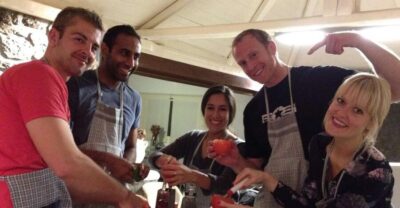
Because it’s a small group (up to 15 participants), you should have decent access to questions. That’s important for a hands-on class, especially if you want to understand what each step is doing and not just follow motions.
After cooking, you eat what you made. That simple fact is a big advantage. You can taste results immediately, which is how you learn the “why” behind the tips.
Lunch, Surprise Dessert, and Your Take-Home Certificate
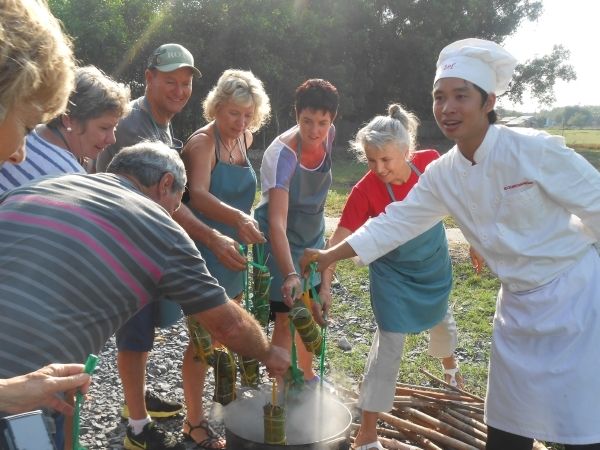
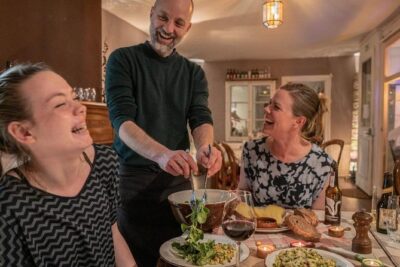
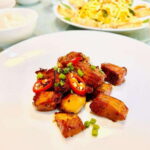
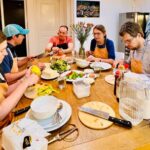
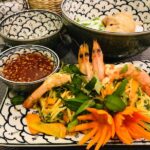
Lunch is served in a way that feels earned. You sit down to the dishes you prepared, plus iced tea is included to keep you comfortable after active morning time. It’s not a buffet line that makes everything blur together. You’re tasting specific dishes connected to specific steps.
Then there’s the surprise dessert. It may sound small, but the surprise element keeps the meal fun, and it’s also a reminder that Vietnamese cooking doesn’t stop at savory plates. If you’re the type who likes to end your meal with something sweet and lighter than heavy Western desserts, you’ll probably enjoy it.
You’ll also receive a certificate, recipes, and souvenirs. That take-home piece is practical. Recipes help you repeat a dish later, and the certificate gives you a clear “proof of learning” for photos or bragging rights. Souvenirs are included too, so you’re not scrambling for a last-minute shop stop.
A detail that sounds minor but helps: napkins are included. It’s the little comfort that makes a hands-on meal feel smoother.
Price and Value: Is $70 a Good Deal Here?
At $70 per person, you’re paying for more than a cooking demo. You’re getting:
- transportation from Ho Chi Minh City via hotel pickup
- a live guide who leads both farm and cooking parts (Vietnamese and English)
- a cooking class plus the activities tied to ingredient harvesting
- lunch of the dishes you helped prepare, including iced tea and dessert
- certificate, recipes, and souvenirs
That value is strongest if you care about the full sequence: farm → picking → cooking → eating. If your main goal is just to learn a couple recipes and you don’t care where ingredients come from, you might find cheaper classes. But if you want the context and the ingredient freshness to be part of the experience, the price starts to make sense.
Also consider your time cost. This is a structured full-day outing with transport included. If you tried to piece it together independently, you’d likely spend time coordinating rides and entry details anyway.
One more value check: the class is limited to 15 participants. Smaller groups usually mean better guidance, which matters when you’re cooking with herbs and fresh vegetables and need real feedback.
Who This Cu Chi Class Suits Best (and Who Might Skip It)
This experience is best for you if you:
- enjoy food that comes with context, not just a final plate
- like hands-on learning, including chopping and seasoning
- want to understand Vietnamese cuisine through ingredients like mushrooms and herbs
- enjoy small-group experiences where you can ask questions
It’s also a great fit for couples, solo travelers, and friends who like active mornings and don’t mind getting a little sun.
You might think twice if you:
- have a very tight schedule and can’t commit to a full day
- need very specific dietary arrangements, since you’ll need to notify special food requirements in advance
- prefer fully sedentary experiences
One practical caution based on real-world situations: if your group ends up timed differently, you could miss part of the cooking session. If you’re counting on a certain number of dishes, ask the provider up front how the schedule and dish rotation works so you get what you paid for.
What to Bring (So the Day Feels Easy, Not Annoying)
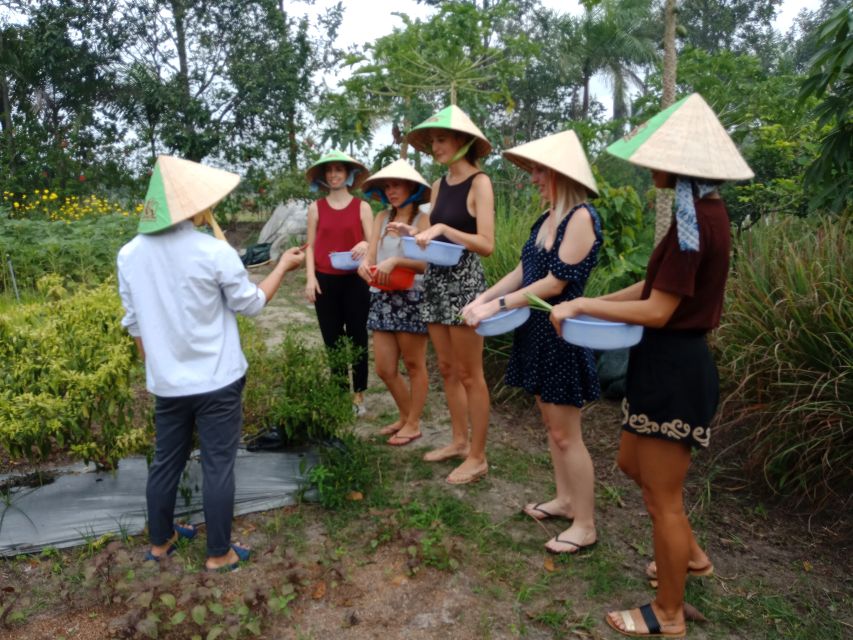
Bring comfortable shoes first. You’ll be on the ground during farm activities and ingredient picking. Add sunglasses for glare, and pack a camera if you want to capture the garden scenes and cooking moments.
Don’t forget:
- insect repellent if you’re prone to bites
- a clear note about special food requirements when you book
Also remember the basic rule: pets are not allowed.
If you want photos, keep your camera ready, but don’t turn the day into a constant filming session. The best photos are the ones you take while still paying attention to what the guide is explaining.
Should You Book This Farming & Cooking Day in Cu Chi?
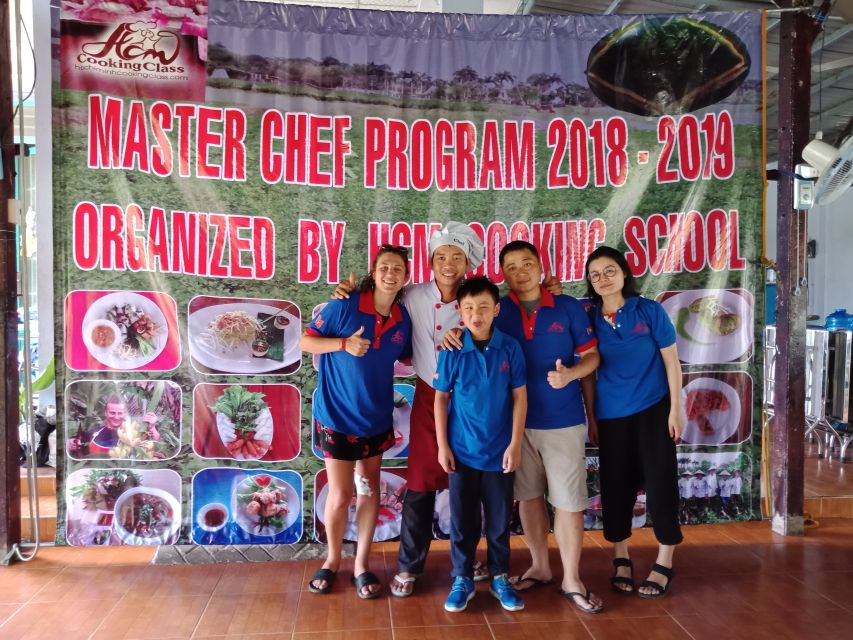
I’d book it if you want a food-focused day trip that actually connects agriculture to what ends up on your plate. The combination of cattle-and-crops farm time, ingredient picking with a bamboo basket, and a chef-led cooking class is the kind of structure that makes the learning stick.
Skip it only if you’re chasing a quick, low-effort activity. This day works because you do things, walk around, harvest ingredients, and then cook. That’s also why it’s satisfying.
If you do book, one smart move is to confirm the timing for your start and the length of your cooking session before you go. That way, you’ll avoid the annoying scenario where someone’s day ends up shorter than expected.
FAQ
What’s included in the full-day farming and cooking class?
You get round-trip transportation with hotel pickup in Ho Chi Minh City, a live guide, the cooking class, farm activities, iced tea, napkin, and lunch (including what you prepare).
How much does the class cost?
The price is $70 per person.
Where does it take place?
It takes place at the HCM Agricultural Villages in Cu Chi.
How long is the experience?
It’s a full-day activity. The exact starting time can vary, so you should check availability for the day’s start.
Do I need to bring anything?
Bring comfortable shoes, sunglasses, and a camera. You should also bring insect repellent if you need it.
Are pets allowed?
No, pets are not allowed.
What languages are the guides?
The live tour guide provides Vietnamese and English.
Is this suitable for people with mobility needs?
Yes, it’s listed as wheelchair accessible.
If I have dietary restrictions, what should I do?
Let the operator know about any special food requirements so they can plan accordingly.