REVIEW · CHIANG MAI
Chiang Mai: Half Day Morning Cooking Class with Market Tour
Book on GetYourGuide →Operated by Yummy Tasty Thai Cooking Class · Bookable on GetYourGuide
A market-to-kitchen half day that’s actually hands-on. You start with a guided stop at Kad Kom Market, then cook at your own station and learn how Thai herbs and seasonings work together. I especially like the chance to make curry paste the traditional way, and I also like that you get a menu choice so the food fits your tastes.
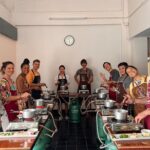
You’ll cook 5 dishes with step-by-step coaching, plus you’ll leave with a PDF recipe book you can use at home. A solid perk for many people is the small group size (max 10), which makes it easier to ask questions when you’re chopping and tasting.
One thing to consider: the cooking area is open-air with no AC, so it can feel warm or humid depending on the day.
In This Review
- Key things that make this cooking class worth it
- Market Tour First: Why Kad Kom Sets You Up to Cook Better
- Pickup and Drop-Off Rules: Simple, but Know the 3 km Limit
- Arriving at Yummy Tasty Thai Cooking School: Your Station, Snacks, and No AC
- Shopping Like a Cook: How Market Ingredients Translate Into Real Flavor
- Make Curry Paste the Thai Way: The Skill That Changes Everything
- Cooking 5 Dishes: Step-by-Step Coaching, Not Confusing Chaos
- Tasting, Taking Food Home, and Using the PDF Recipe Book
- Price and Value: Why $35 Can Be Fair for What You Get
- Who Should Book This Class (and Who Might Not)
- Practical Tips to Make the Most of Your 4 Hours
- Should You Book This Chiang Mai Cooking Class?
- FAQ
- How long is the Chiang Mai half-day cooking class?
- How many dishes will I cook?
- Can I choose my menu and cooking station?
- Do I make curry paste during the class?
- Is pickup from my hotel included?
- What if my hotel is farther than 3 km or in the Nimman area?
- What language are the instructors?
- How big is the group?
- Will I receive a recipe book?
- Is the kitchen air-conditioned?
- Is alcohol allowed?
Key things that make this cooking class worth it
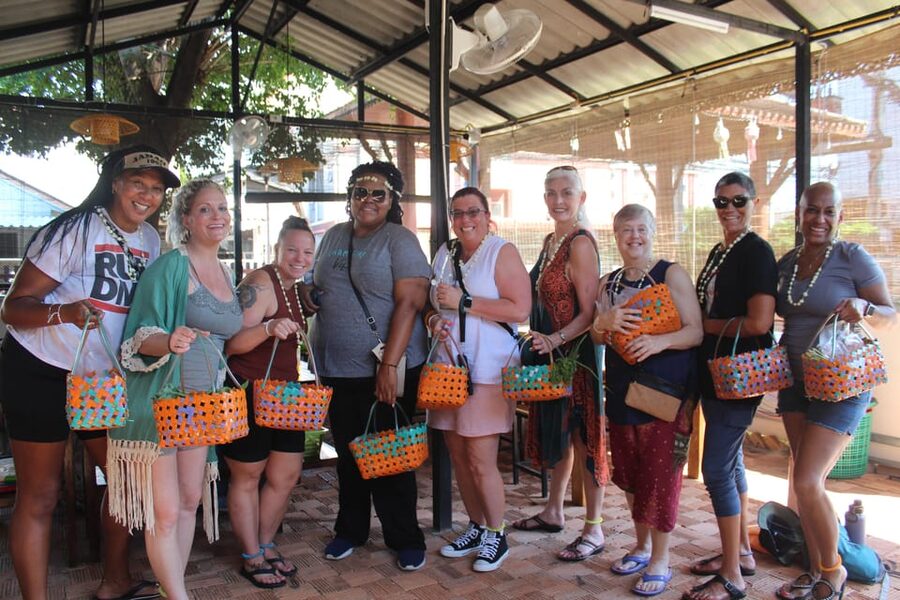
- Your own menu and cooking station so you’re not stuck with a one-size-fits-all setup
- Kad Kom Market shopping that focuses on the ingredients you’ll actually cook
- Thai curry paste from scratch (not just “add this jar”)
- Open-air kitchen reality so you’ll want to dress for heat
- Step-by-step instruction in English with substitutions you can use later
- PDF recipes to take home, so the learning doesn’t stop when you leave
Market Tour First: Why Kad Kom Sets You Up to Cook Better
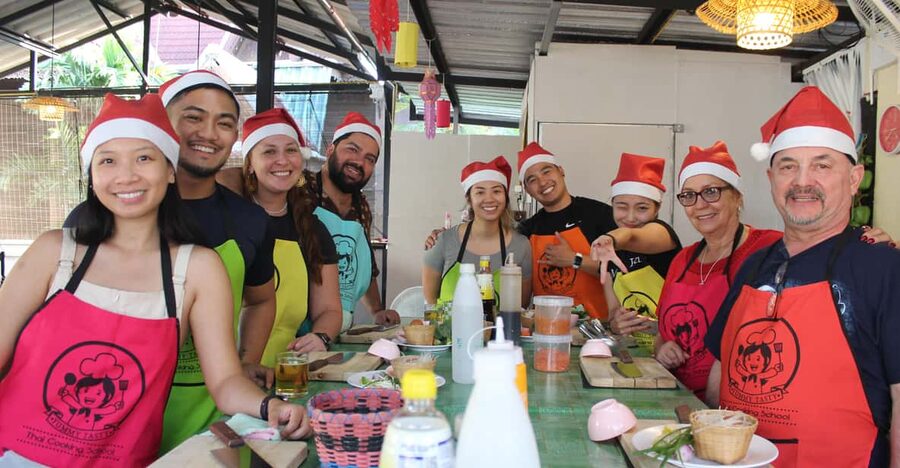
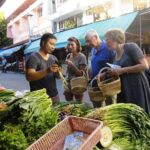
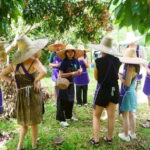
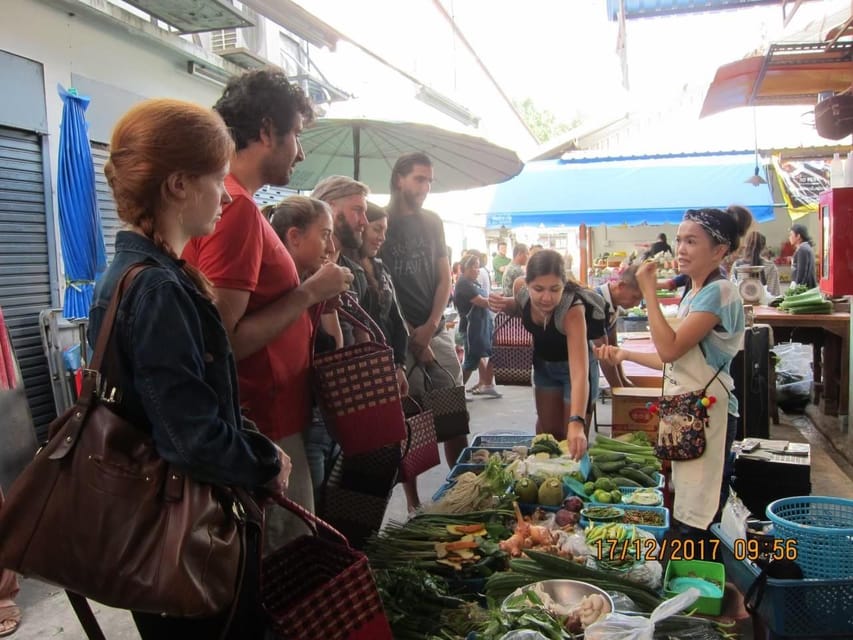
This experience works because it starts with ingredients, not instructions. Before you touch a stove, you’re guided through a local market and spend time looking at fresh vegetables, herbs, and seasonings that show up in Thai cooking. You’re not just buying stuff. You’re learning what things look like when they’re fresh, and what flavors they bring.
I like that the market time isn’t vague. You’re there to shop for what you’ll use in class, so when you later smell the curry paste or taste a sauce, it makes sense right away. That’s also why this feels more useful than a cooking class that starts with a pre-made ingredient list.
Expect plenty of tasting energy and real talk about cooking basics. You’ll get a feel for what’s common in Thai flavor profiles—sweet, salty, sour, and heat—and how herbs and seasonings work as building blocks.
You can also read our reviews of more tours and experiences in Chiang Mai.
Pickup and Drop-Off Rules: Simple, but Know the 3 km Limit
Pickup is included, but only within 3 km from Kad Kom Market. If you’re close, you’ll get collected from your hotel and returned there at the end.
If your hotel is farther than that—or it’s in the Nimman area—you’ll need to meet at Kad Kom Market instead. That’s not a dealbreaker, but it matters for planning. You’ll want to be ready for a short walk or a quick ride to the market.
Timing-wise, it’s a 4-hour half day. That makes it a good choice when you want something memorable without eating your whole morning or afternoon.
Arriving at Yummy Tasty Thai Cooking School: Your Station, Snacks, and No AC
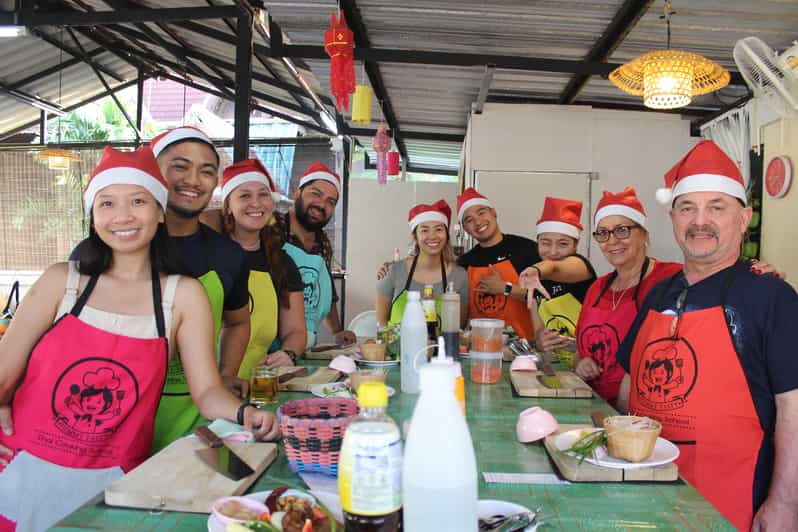
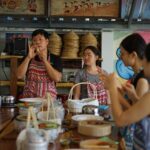
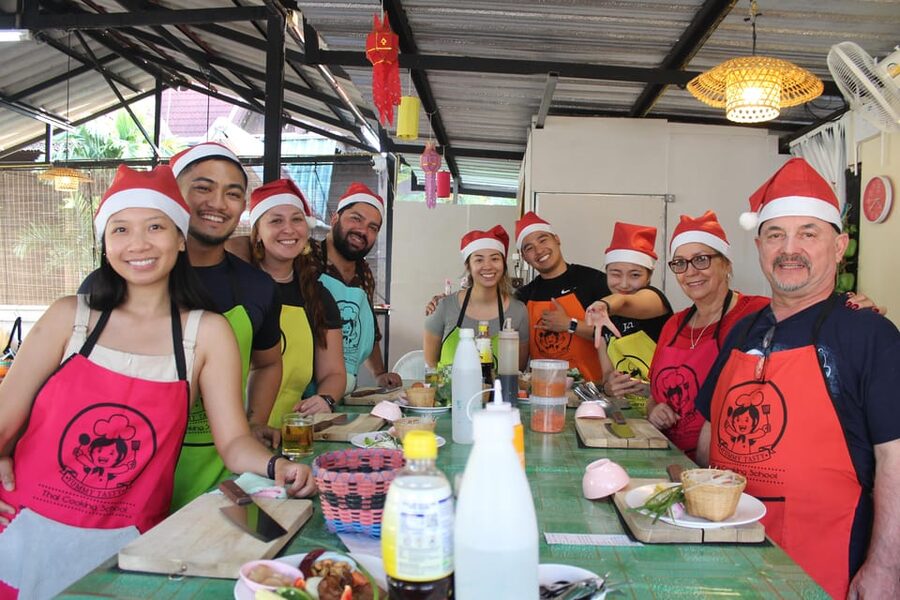
When you settle into the school, you’ll get welcome snacks, fruit, and drinking water. This is a small thing, but it helps a lot. Market time plus chopping can work up an appetite, and being hydrated matters in Chiang Mai.
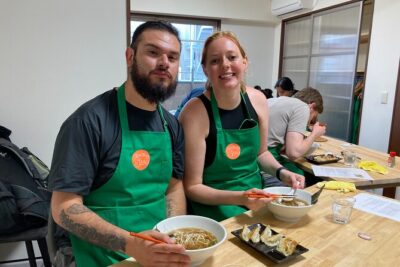
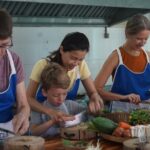
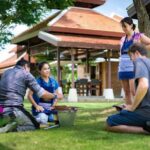
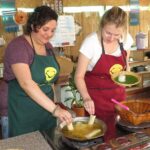
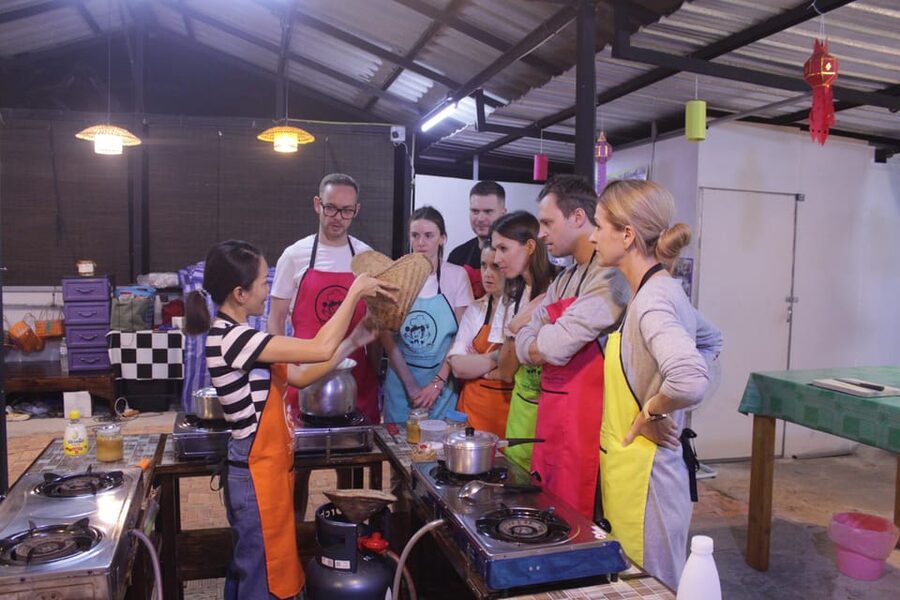
Then comes the main setup: your own individual cooking station. Instead of cramming around shared pans, you’ll cook at your place. That makes the class feel more personal and lets you control your pace—especially when you’re learning knife skills and spice grinding for the curry paste.
Here’s the honest consideration: it’s an open-air kitchen with no AC. If you’re heat-sensitive, you might feel it more than you expect. Wear breathable clothes, and plan to slow down if you need a breather. On the upside, being outside often makes the vibe less formal and more relaxed.
Shopping Like a Cook: How Market Ingredients Translate Into Real Flavor
The market stop is where you start thinking like a Thai cook, not just like a tourist. You’ll explore fresh vegetables, herbs, and seasonings, and you’ll learn what’s used and why. This matters because Thai cooking is often about balance—fresh herbs plus bold seasoning plus careful amounts of heat.
What I like about this kind of market experience is that it trains your eye. You’ll see ingredients in context—how they look in bunches, how they’re sold, and how fresh they should be. Later, when you try to replicate a recipe at home, you’ll have a mental picture of what the ingredient should resemble.
You should also expect the class to talk about substitution. While you’re cooking, you’ll hear what you can swap when you don’t have a specific Thai herb or seasoning back home. That makes the recipes more practical.
Make Curry Paste the Thai Way: The Skill That Changes Everything
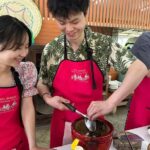
The curry paste is the headline skill. You’ll make it yourself using a traditional Thai approach, guided step-by-step. This is where many classes fall short because they rely on bottled paste. Here, you’re building the flavor base from scratch.
As you work, you’ll learn the difference in Thai herbs and seasonings—and how they behave when combined. That’s a big deal. Curry paste isn’t just “spicy.” It’s aromatic, savory, sometimes slightly sweet, and it sets the mood for the whole dish.
A good practical note: making curry paste takes time and attention. You’ll likely feel a little wrist work and a bit of mess (that’s normal). The upside is you’ll understand the texture and intensity you’re aiming for. When you taste your finished dish later, you’ll know what you did right—and what you can adjust next time.

Cooking 5 Dishes: Step-by-Step Coaching, Not Confusing Chaos
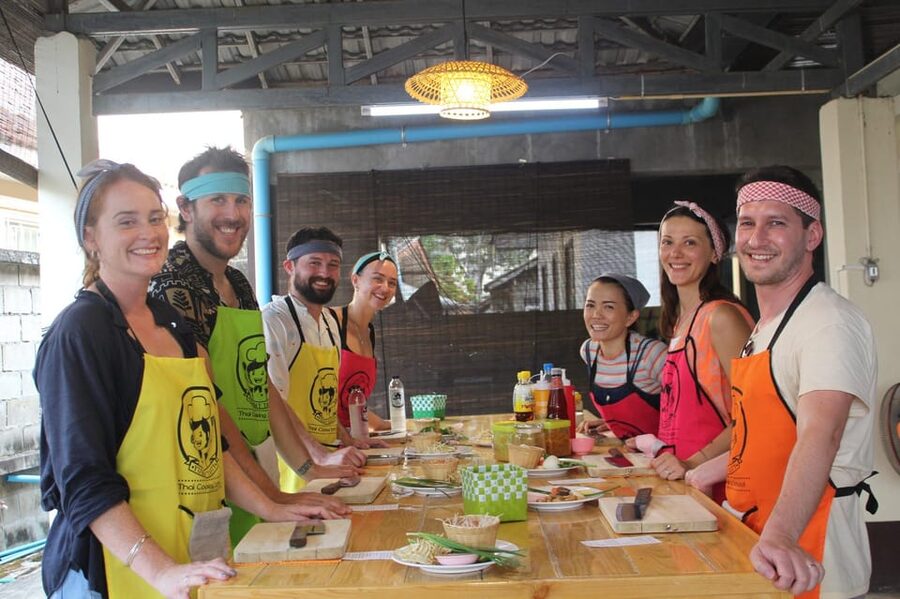
You’ll cook 5 dishes during the class, and the instructors guide you step-by-step through the process. This is the part you’ll remember when you’re trying to recreate Thai food later. Not because you memorized every step, but because you learned how to troubleshoot.
The teaching focuses on techniques and seasoning. Thai recipes often rely on small adjustments—what looks like “just a pinch” in someone’s kitchen can decide whether your dish tastes flat or balanced. With individual stations and step-by-step direction, you get a chance to correct early instead of pushing through and hoping.
I also like that you’ll hear about substitutions for cooking at home. If a certain ingredient isn’t easy to find, it’s more helpful to know what role it plays than to get a complicated list you can’t source.
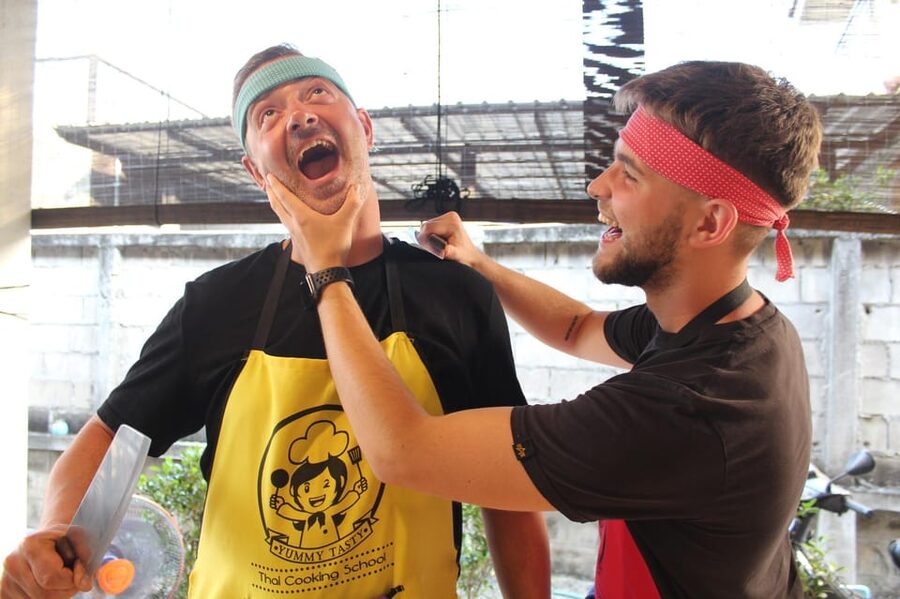
And in the background, you’ll likely get some humor and personality from your guide. In past groups, Sky has been highlighted for a fun hosting style and patient instruction, which makes the kitchen feel friendly instead of intimidating.
Tasting, Taking Food Home, and Using the PDF Recipe Book
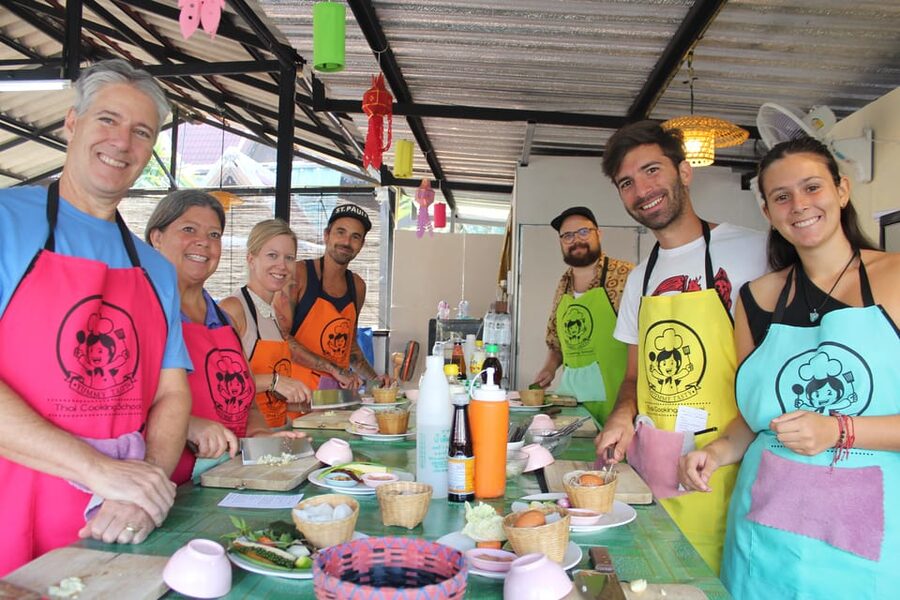
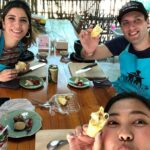
After cooking, you’ll taste the dishes you made. That’s where the experience clicks. When your paste hits the pan and the flavors come together, you’ll see the difference between ingredients you bought and flavors you understand.
You may also be offered the chance to take extra food with you, since the meal can be plenty. That’s a nice way to turn a half day into more value for your trip—especially if you want lunch or dinner for later without hunting for food.
Then there’s the PDF recipe book. It’s not just a souvenir. It’s your practical tool for cooking again. Since you’re learning multiple dishes in a few hours, the recap matters. Having the PDF helps you remember which components go together and how the steps flow.
Price and Value: Why $35 Can Be Fair for What You Get
At $35 per person for a 4-hour morning class, the value mainly comes from three things.
First: you’re not just watching. You’re cooking at your own station and making curry paste from scratch. That’s labor and teaching time, not a “demo plus leftovers” setup.
Second: you get real market learning. The shopping component adds context and helps you understand ingredients, not just recipes. That’s where many cooking classes feel lightweight.
Third: you leave with tools for home cooking—a PDF recipe and knowledge about substitutions. That helps you translate the experience into something you’ll actually use, not just eat once.
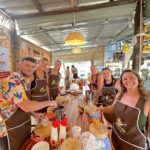
Small group size (up to 10) is another value booster. More attention per person usually means fewer cooking mistakes and more comfort asking questions.
Who Should Book This Class (and Who Might Not)
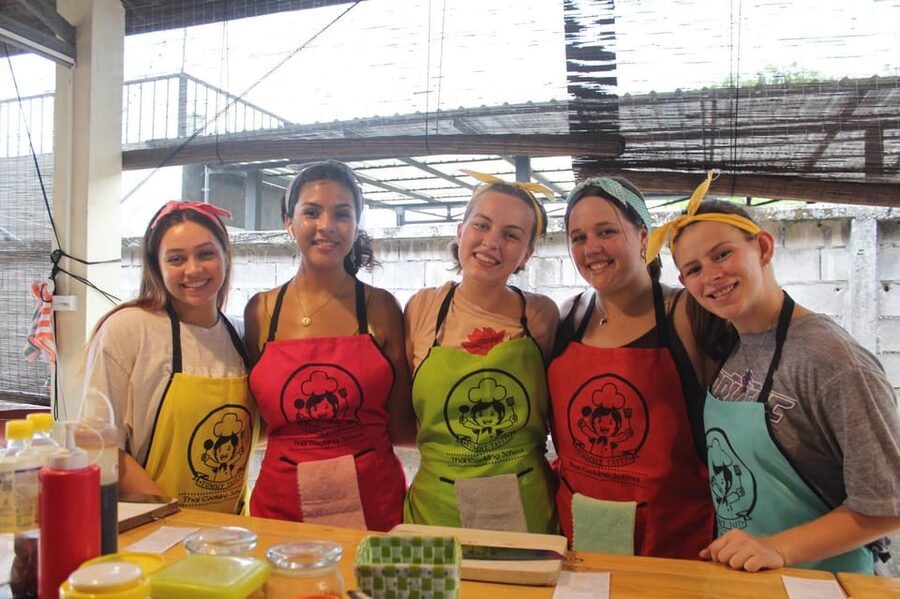
This is a great fit if you want a hands-on Thai cooking experience without committing to a full day. It’s also ideal if you like food learning that’s practical. You’ll gain ingredient knowledge and method, not only a list of dishes.
You’ll probably enjoy it most if you’re comfortable with an active morning plan: pickup, market walk, cooking, tasting, and back to your hotel. It’s paced for learning but still packed into half a day.
Who might skip it? The experience has clear limits. It’s not suitable for children under 5, and babies under 1 aren’t accepted. It’s also not suitable for people over 95 years or for anyone dealing with altitude sickness. Alcohol and drugs are also not allowed.
Finally, if you hate heat, plan carefully because the kitchen is open-air with no AC.
Practical Tips to Make the Most of Your 4 Hours
To get the smoothest experience, plan your morning like a mini workshop.
- Wear breathable clothes and closed-toe shoes that can handle kitchen heat and water splash risk.
- Bring a light layer if you get cold after sweating in the sun, since the market and cooking areas can change feel quickly.
- Keep your phone charged. The class gives you a recipe PDF, but photos can help you remember chopping shapes and textures.
- Ask questions early. If you’re unsure about seasoning amounts or what a substitute should taste like, better to clarify while you’re still cooking.
Also, if you’re picky about spice, you can often adjust in many Thai dishes, but you’ll want to communicate your preferences during the class. That’s part of the benefit of having individual stations and step-by-step guidance.
Should You Book This Chiang Mai Cooking Class?
Yes—if you want a practical, flavorful skill you can take home. This class stands out because it combines market shopping, curry paste from scratch, and 5 cooked dishes with real guidance at your station. The PDF recipe book and the substitution talk make it more than a one-time meal.
Skip it if you’re sensitive to heat and don’t want an open-air kitchen environment with no AC. Also, if you’re traveling with a very young child, you’ll run into the age limits.
If your schedule is short and you’d like one food-focused morning that feels both fun and useful, this one makes a strong case for your time—and your dinner later when you try the recipes again.
FAQ
How long is the Chiang Mai half-day cooking class?
The class lasts about 4 hours.
How many dishes will I cook?
You’ll cook 5 dishes.
Can I choose my menu and cooking station?
Yes. You can choose an individual menu and you’ll cook at your individual cooking station.
Do I make curry paste during the class?
Yes. You’ll make your own curry paste using the traditional Thai way.
Is pickup from my hotel included?
Pickup and drop-off are included if your hotel is within 3 km of Kad Kom Market.
What if my hotel is farther than 3 km or in the Nimman area?
If your hotel is outside the pick-up range, you’ll need to meet at Kad Kom Market.
What language are the instructors?
The class is taught in English.
How big is the group?
The group is small, limited to 10 participants.
Will I receive a recipe book?
Yes. You get a PDF recipe book to recreate the dishes later.
Is the kitchen air-conditioned?
No. It’s an open-air kitchen with no AC.
Is alcohol allowed?
No. Alcohol and drugs are not allowed during the experience.