REVIEW · GENOA
Genova Cooking Class with Tasting
Book on GetYourGuide →Operated by Do Eat Better Experience · Bookable on GetYourGuide
Pesto gets personal in Genoa. In about 3.5 hours, you cook classic Ligurian dishes with local pros, then taste what you made in a small, friendly setting.
What I like most is the hands-on focus: I love learning the small pesto Genovese details, and I really enjoyed working the dough for focaccia yourself.
One drawback to plan for: the class is not suitable for wheelchair users, and you’ll want comfortable shoes for standing at your station.
In This Review
- Key things to know before you go
- Genoa’s cooking class starts at Columbus’ doorstep
- The 3.5-hour rhythm: a small restaurant, real instruction, real tasting
- Recipe focus: the class teaches pesto, focaccia, canestrelli, and one more
- Perfect pesto Genovese: it’s the tiny details that matter
- How to get the most out of the pesto step
- Focaccia with stracchino: two thin layers, one big payoff
- What to watch for during focaccia prep
- Canestrelli from Torriglia: handmade biscuits with a sense of place
- The tasting moment: why eating what you made changes everything
- Who this class is best for (and who should think twice)
- Practical details that genuinely affect your day
- Adding this to your Genoa itinerary: a smart way to “spend” the city
- Should you book this Genoa cooking class?
- FAQ
- Where is the meeting point?
- What time and how long is the class?
- How big is the group?
- What languages will the guide speak?
- What recipes will we learn and taste?
- Is the cooking class wheelchair accessible?
- What should I bring?
- Can I bring pets or luggage?
- What if I have food allergies?
- Is cancellation possible if my plans change?
Key things to know before you go
- Small group setup (max 10): more coaching, less waiting.
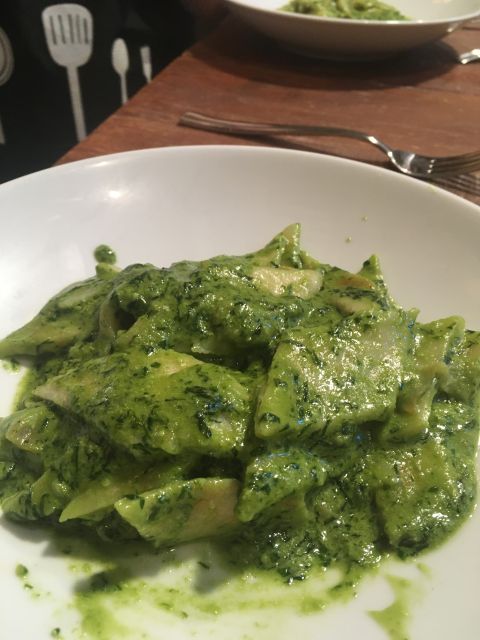
- Pesto Genovese made your way: fresh basil and pine nuts, with guidance on the right texture.
- Focaccia with stracchino: you shape two very thin layers and build the cheese filling.
- Canestrelli from Torriglia: handmade biscuits from the hills behind Genoa.
- You taste as you go: four recipes, sampled together right after preparation.
- English and Italian guide support: live explanations during cooking and tasting.
Genoa’s cooking class starts at Columbus’ doorstep
The meeting point is right by Christopher Columbus’ House on Via di Porta Soprana. It’s easy to find if you’re already exploring the Genoa historic center, and the location helps you get your bearings fast. I like that the start is anchored to something recognizable, instead of a vague “near here” instruction.
The practical bit matters, too: come with comfortable shoes. You’ll be on your feet while you cook, and the session is active enough that flip-flops won’t do you favors. Also note the rules: no pets and no luggage or large bags. If you’re traveling light, you’re set. If you’re carrying extra stuff, plan to stash it before class.
One more useful detail: this is a live guide experience with English and Italian, so you won’t be left guessing what step comes next or why one ingredient choice matters.
You can also read our reviews of more tours and experiences in Genoa.
The 3.5-hour rhythm: a small restaurant, real instruction, real tasting
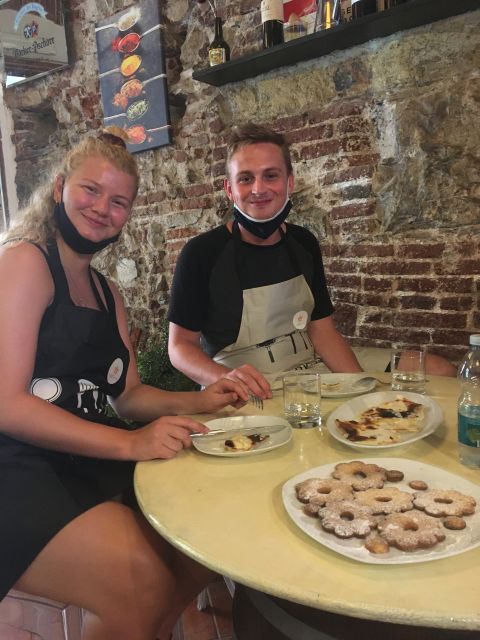
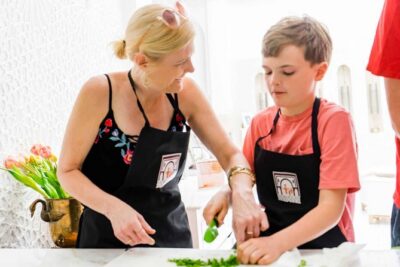
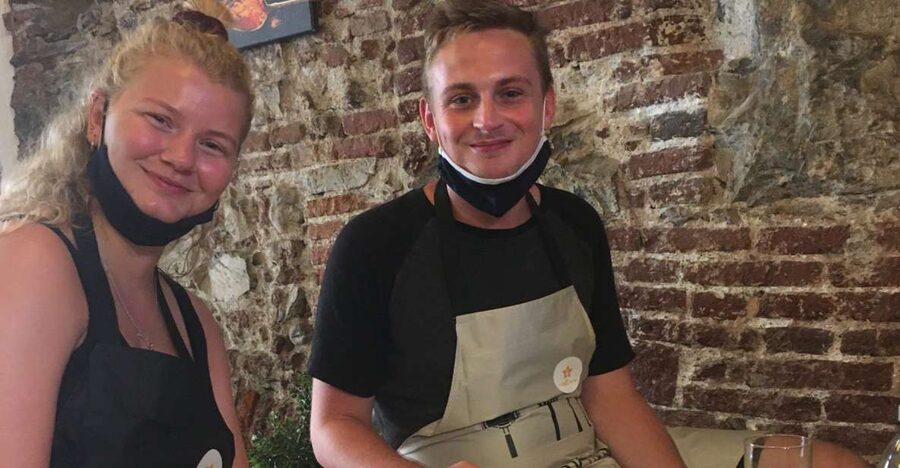
This class is built around a simple idea: cook together, then taste together. With a small group limited to 10 participants, you can actually ask questions while things are in motion. It’s not a demo where you watch and hope your turn comes before everything cools down.
You’ll work with local professionals who guide you through traditional recipes from Genoa and Liguria. The tone in the room tends to be relaxed and playful, which helps when a dough ball refuses to cooperate. In at least one recent group, the chefs included Veronica, Bernardo, and Marco, and the vibe was clearly about making the details feel approachable, not stressful.
In other words: you’re not just eating Genoa. You’re learning how the food gets made.
Recipe focus: the class teaches pesto, focaccia, canestrelli, and one more
The session is organized around four traditional recipes that you learn and then taste with fellow “chefs” in the group. The class materials clearly name three of them:
- pesto (the classic basil sauce closely associated with Genoa)
- focaccia filled with stracchino
- canestrelli, handmade biscuits from Torriglia
The fourth recipe is part of the same lesson-and-tasting flow. Even without the name spelled out here, the key point is that the day is structured so you’re not waiting around for hours. You’ll have enough momentum to stay engaged through the whole 3.5 hours.
If you’re coming hungry, good. If you’re coming with a strong coffee and a snack already, also fine. The session is designed as a cooking experience first, but the tasting component is a major part of why it’s worth your time.
Perfect pesto Genovese: it’s the tiny details that matter
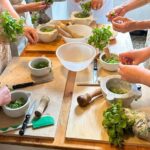
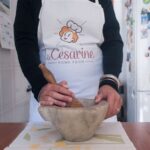
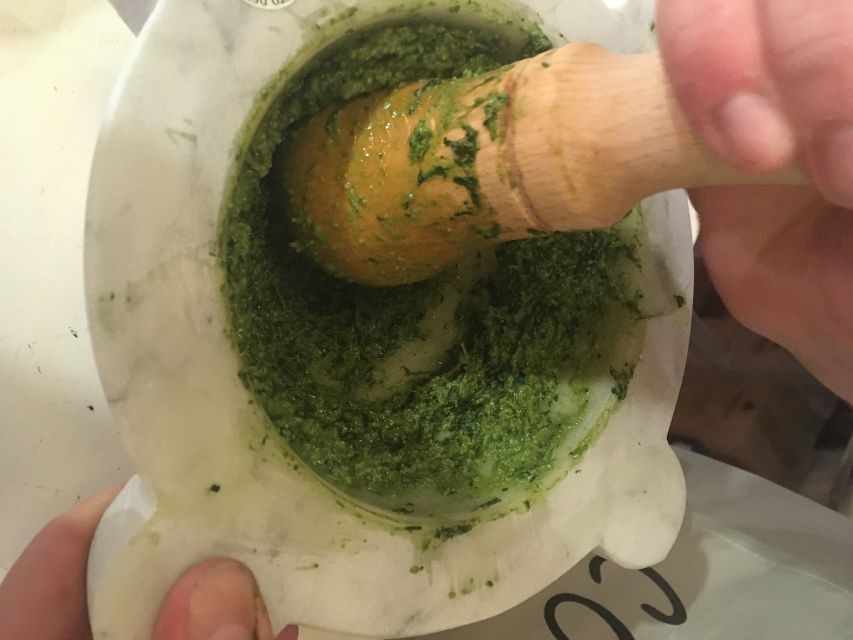
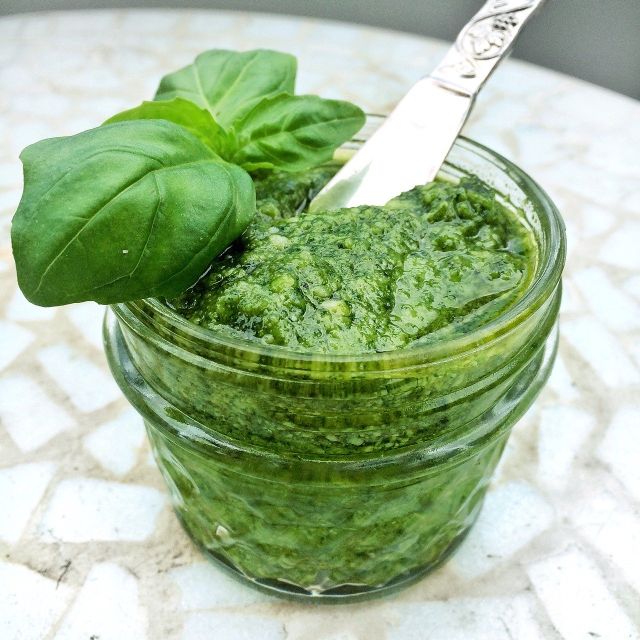
Pesto is the headline here for good reason. You’ll learn how to make the perfect pesto sauce, and the class connects the style to the classic basil sauce that was born in Genoa. You’ll use a traditional combination of ingredients—specifically fresh basil and pine nuts—and you’ll prepare the authentic recipe made with those local ingredients.
Here’s what I think makes this pesto portion valuable: pesto can sound simple when you read a recipe. But the taste comes from choices you can actually control while cooking. The instruction focuses on the kinds of small adjustments that separate bland from memorable. In one recent class, the chefs emphasized exactly that idea of how much the little things count for a great Genoese pesto.
You’re also in the right mindset for pesto because you’re doing it with guidance, not just copying steps from a screen. You can ask questions while the ingredients are right there in front of you, and you can correct as you go.
When you taste what you made, the lesson sticks. It becomes less about a sauce you ordered once and more about a sauce you can understand.
How to get the most out of the pesto step
- Watch how the ingredient textures change as you work.
- Taste during the process if the guide encourages it.
- Don’t rush. Pesto rewards patience more than speed.
Focaccia with stracchino: two thin layers, one big payoff
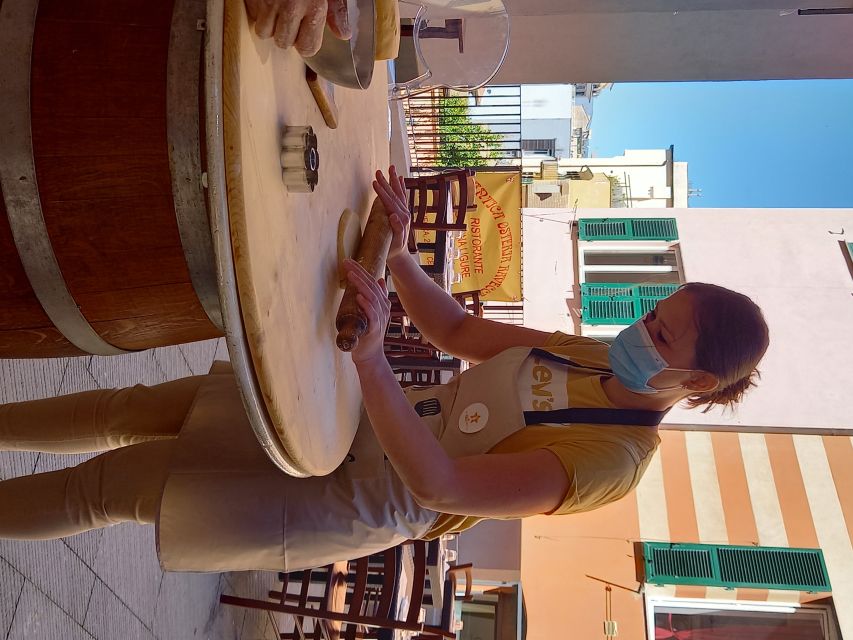
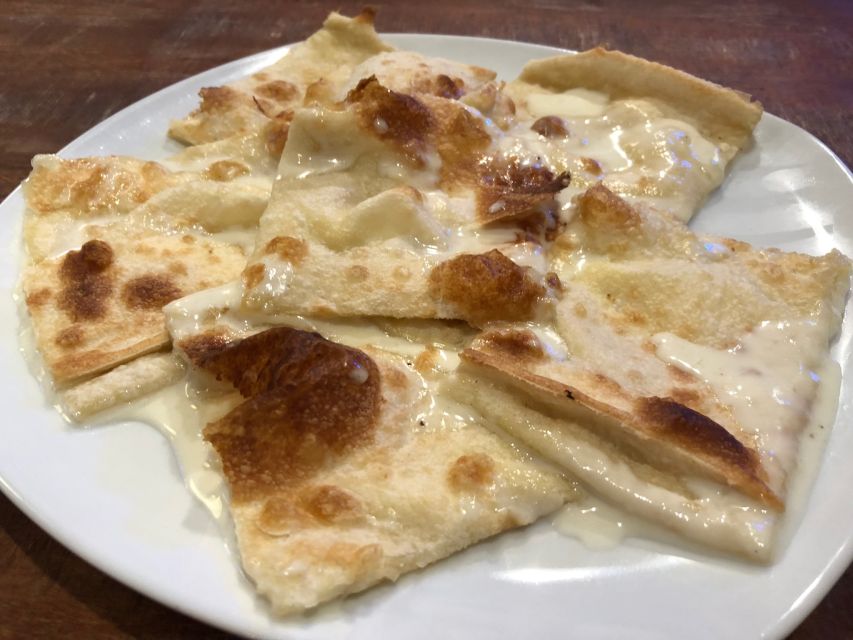
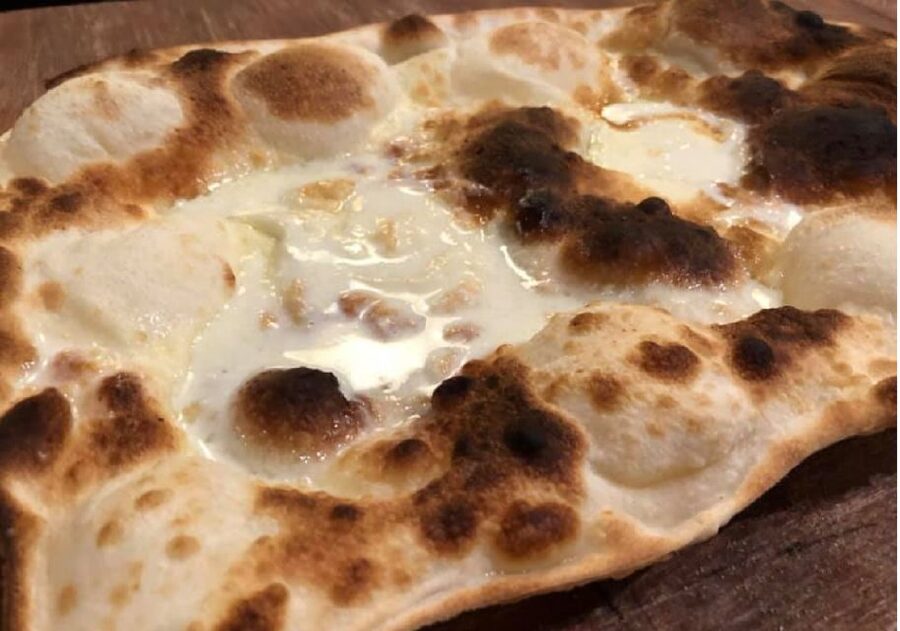
Next up is focaccia, and the format is straightforward but satisfying. You’ll taste and prepare focaccia with cheese, specifically made with stracchino.
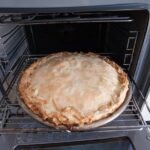
The class focuses on a clever construction: two very thin layers of dough with stracchino filling between them. That detail is worth paying attention to because thin layers affect everything—how it folds, how it bakes, and how the cheese comes through.
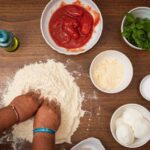
This is also one of the steps where hands-on cooking does the heavy lifting. Focaccia dough is something you can’t fully understand from a written recipe. In real life, dough is about feel. And in a small group, you get coaching while you’re learning that feel.
Once your focaccia is assembled, the timing of the lesson helps you transition naturally into tasting. The class doesn’t just hand you bread and move on. You’ll learn the structure and then eat it while the experience is still fresh in your mind.
What to watch for during focaccia prep
- Aim for thin, even dough layers so the layers behave as expected.
- Treat the filling like a quiet ingredient, not the main actor. The dough still matters.
Canestrelli from Torriglia: handmade biscuits with a sense of place
Then you get to canestrelli, which are handmade biscuits from Torriglia, a small village in the hills behind Genoa. This is a nice curveball from the basil-and-bread rhythm of the earlier steps. Biscuits feel different under your hands, and the shaping part is where you get that “I made this” satisfaction.
Canestrelli are also a reminder that Ligurian food isn’t only about pesto and bread. This class nudges you to see the broader local patterns—especially the way small places around Genoa contribute their own signature foods.
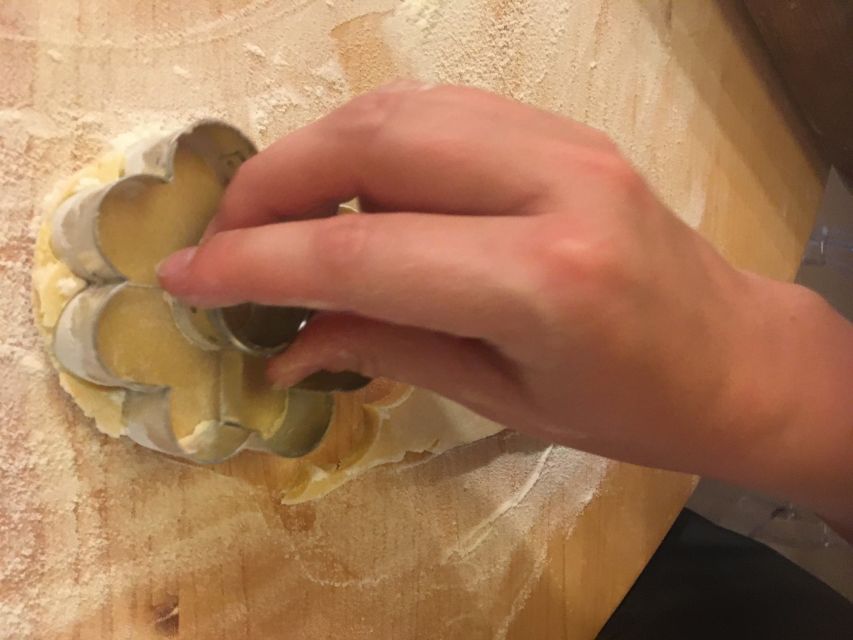
In the cooking room, you’ll be guided through making them by hand. That means you’re not just measuring and hoping. You’re shaping. You’re forming. And you’re seeing how the final look connects to the taste.
When you get to the tasting, it’s a different kind of experience than pesto or focaccia. These are biscuits—meant to be eaten slowly, not in big bites. If you’re paying attention, you’ll notice how the shape and thickness influence the texture.
The tasting moment: why eating what you made changes everything
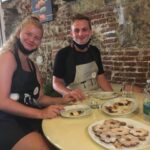
A lot of food tours feed you at the end. This one feeds you while you learn. The recipes are prepared and then tasted together straight with fellow participants, so your brain makes the link immediately between action and result.
That matters because cooking classes can be frustrating if you only learn in theory. Here, the class timing supports learning. You’ll see the ingredients become a sauce. You’ll build dough layers. You’ll form biscuits. Then you’ll taste them while the steps are still mentally fresh.
It also helps you understand Ligurian flavors in a more personal way. Pesto isn’t a generic green sauce anymore. It’s basil and pine nuts handled in a specific way. Focaccia isn’t “a sandwich bread.” It’s thin dough and stracchino in a particular structure. Canestrelli aren’t just cookies. They’re a Torriglia tradition made by hand.
Who this class is best for (and who should think twice)
This is a great fit if you:
- enjoy hands-on cooking instead of watching only
- want traditional Genoa and Liguria food in one focused session
- like small group experiences where you can ask questions
- want a practical way to connect with Genoa beyond sightseeing
It may be less ideal if you:
- need wheelchair accessibility (this activity is not suitable for wheelchair users)
- plan to bring large bags or luggage (you can’t)
- have food allergies and didn’t plan ahead—make sure you inform the local partner about any allergies of any kind before you arrive
Practical details that genuinely affect your day
Time: 3.5 hours is long enough to feel productive, but short enough to fit into a travel schedule without wrecking the rest of your day.
Group size: with up to 10 participants, you should feel like more than a spectator.
Language: the guide is live in English and Italian, so you can follow steps even if your Italian is basic.
What to bring: comfortable shoes. That’s the big one.
No large items: no luggage or large bags, and no pets.
Also, if you like planning with flexibility, the booking terms are built for it: free cancellation up to 24 hours in advance and a reserve-now, pay-later option. Those are the kind of policies that can save you if your schedule shifts.
Adding this to your Genoa itinerary: a smart way to “spend” the city
I like pairing cooking classes with Genoa sightseeing in a simple way. Do the class early or mid-day, then use the food you learned as a lens for the rest of your trip. When you walk through the streets later, you’ll recognize why certain flavors show up again and again.
Even if you’re only in Genoa for a short stay, this class gives you something many food stops can’t: a clear understanding of the steps behind the dishes. That turns your later meals into more than just eating. You’ll taste with context.
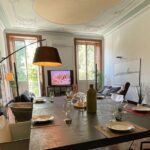
And because the session happens in a small local restaurant setting, it feels like you’re joining a local routine, not doing a production-line experience.
Should you book this Genoa cooking class?
If you want a hands-on Genoa food experience, I’d book it. The combination of small group size, guided instruction, and the fact that you learn four traditional recipes and taste them in the same session makes it a strong value for time. You leave with more than a full stomach—you leave with skills and flavor memory.
I’d hold off if mobility is a concern, or if you need to travel with large bags. Otherwise, this is the kind of class that turns Genoa from a place on a map into a set of tastes you actually understand.
If you’re choosing between just eating Genoa and learning Genoa, pick learning.
FAQ
Where is the meeting point?
Meet in front of Christopher Columbus’ House on Via di Porta Soprana (Genoa).
What time and how long is the class?
The experience lasts 3.5 hours. Starting times depend on availability.
How big is the group?
It’s a small group limited to 10 participants.
What languages will the guide speak?
The live guide offers English and Italian.
What recipes will we learn and taste?
You will learn four traditional recipes from Genoa and Liguria. The class includes pesto sauce, focaccia with stracchino, and canestrelli biscuits from Torriglia.
Is the cooking class wheelchair accessible?
No, it is not suitable for wheelchair users.
What should I bring?
Wear comfortable shoes.
Can I bring pets or luggage?
Pets are not allowed. Luggage or large bags are not allowed.
What if I have food allergies?
Inform the local partner of any food allergies of any kind.
Is cancellation possible if my plans change?
Yes, you can cancel up to 24 hours in advance for a full refund, and there is also a reserve-now, pay-later option.