REVIEW · PALERMO
Palermo: Half-Day Cooking Class & Market Tour
Book on GetYourGuide →Operated by Siciliandays · Bookable on GetYourGuide
Cooking in Palermo feels like a family visit. In four hours, you meet chef Patrizia, shop the Capo area for seasonal ingredients, and learn to make Sicilian dishes the local way. I love the market-first approach because it turns ingredients into stories you can taste, not just items on a menu.
I also love how hands-on the class feels while still being relaxed: you cook multiple courses in a real home kitchen, with patient guidance. One possible drawback is that it is not suitable for people with mobility impairments, so you’ll want to be comfortable moving around the market and working in the kitchen area.
In This Review
- Key things to know before you go
- Capo Market Shopping Makes the Cooking Click
- Meeting Patrizia at Porta Carini (and Why the Small Group Matters)
- The 4-Course Sicilian Cooking You’ll Actually Make
- Starter first, so you get moving fast
- Primo pasta: learn the Sicilian mindset for sauce and texture
- Second course: fish or meat, with a clear hands-on workflow
- Caponata: the vegetable course that tastes like a whole meal
- Sicilian cake: often a classic you can’t forget
- How Patrizia Teaches: Casual Participation, Real Guidance
- Lunch and Wine Pairings: Eating Is Part of the Lesson
- Timing, Comfort, and Dietary Needs You Can Plan For
- Price and Value: Why This Costs More Than a Normal Tour
- Who Should Book This Cooking and Market Class?
- Should You Book Palermo Half-Day Cooking Class & Market Tour?
- FAQ
- What time does the tour start?
- Where do I meet the group?
- Where does the tour end?
- How big is the group?
- What dishes are included in the cooking class?
- Is there a vegetarian or gluten-free menu?
- What languages are offered?
- What is included in the price?
- Is drop-off included?
- Is cancellation free?
Key things to know before you go
- Small group (up to 8): more attention from Patrizia and less waiting around
- Capo Market meeting at Porta Carini: easy to orient yourself before the cooking starts
- 4-course Sicilian lunch: starter, pasta (primo), second (fish or meat), caponata, and a Sicilian cake
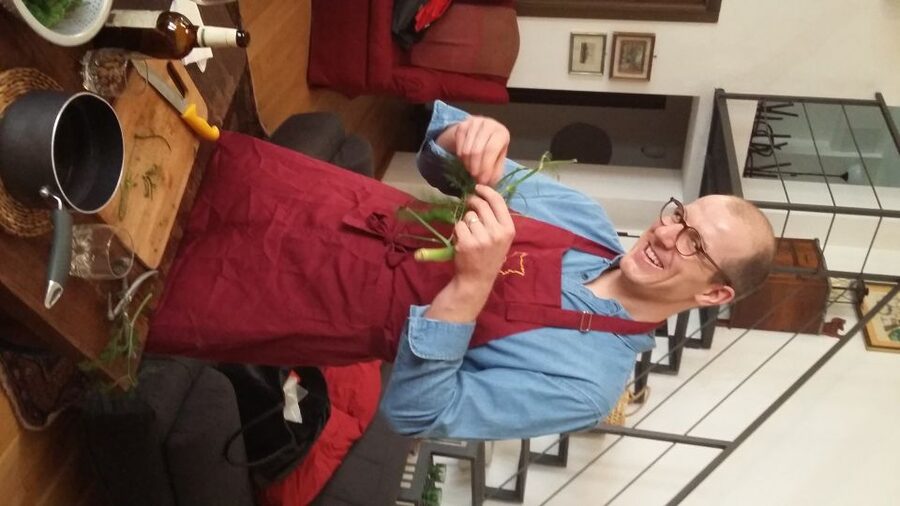
- Chef-led ingredient shopping: you select what goes into your meal, then cook it right away
- Wine pairings with lunch: Sicilian wines chosen to go with your courses
- Vegetarian and gluten-free options available: ask in advance so the menu fits you
Capo Market Shopping Makes the Cooking Click
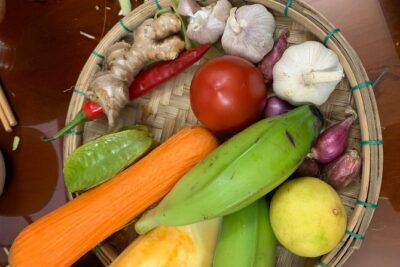
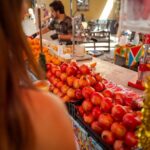
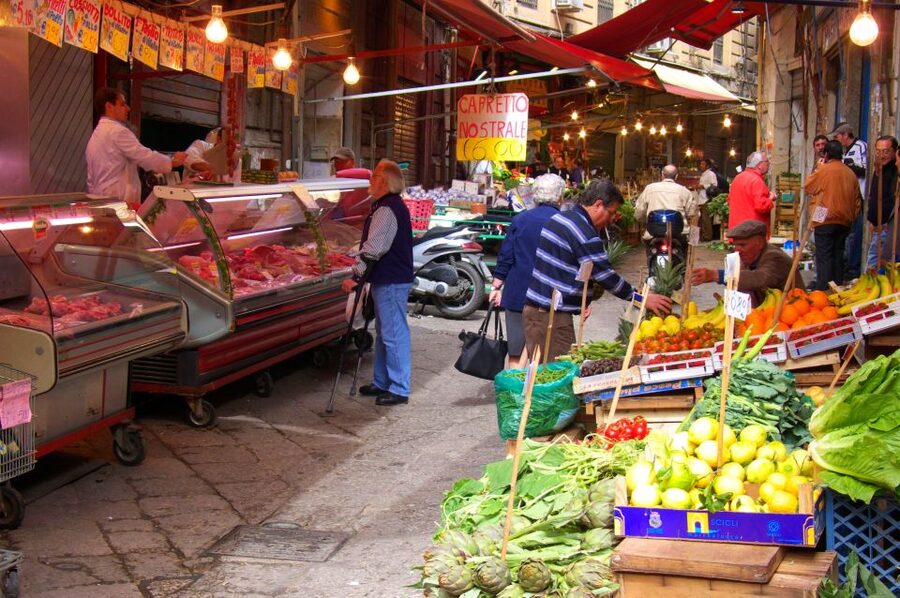
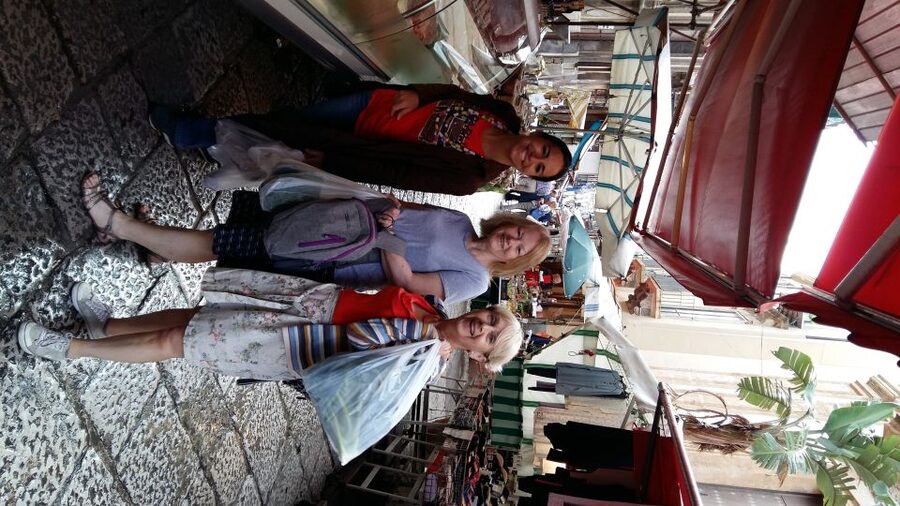
This isn’t a cooking class where ingredients appear neatly pre-measured. You start at Porta Carini, the entrance gate to the Capo Market, then head out with the chef toward Market Vucciria or Capo. The point is simple: you learn what to buy in Palermo, and why those seasonal choices matter.
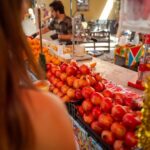
You’ll pick fresh products for the meal, and you’ll also get context about local food habits—what people buy, what they snack on, and how daily ingredients become classic recipes. In practice, that makes your cooking faster and more confident, because you’re not guessing. When you handle an ingredient you just chose at the market, it’s harder to mess up later.
One more smart piece: the shopping route isn’t just about food. On the way back from the market toward the apartment, you take in views of ancient and Baroque Palermo. So you get the market energy up close, then you end with a sense of place.
You can also read our reviews of more tours and experiences in Palermo.
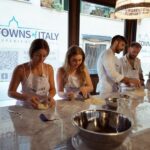
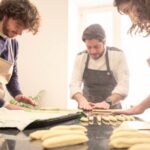
Meeting Patrizia at Porta Carini (and Why the Small Group Matters)
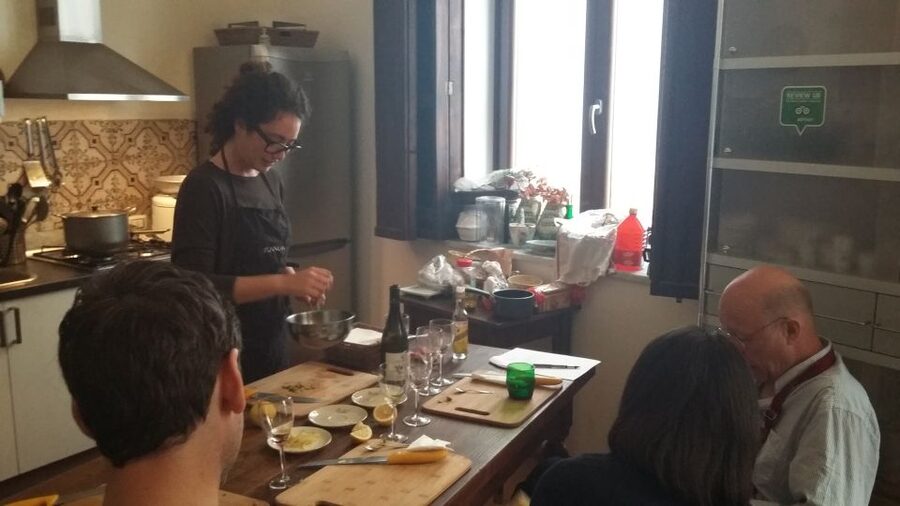
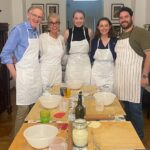
The experience is built around a close-knit group size—no more than 8 people. That matters. In a big class, you can end up waiting while someone else gets help. Here, your chef can watch your technique, answer questions as they come up, and keep the pace comfortable.
You’ll have a live guide/chef experience in English, Italian, or French. Many meals like this are designed for a specific language, but this one scales by having multiple languages available, which helps if your group includes mixed comfort levels.
After the market, you return to an apartment in the heart of Palermo to cook and eat. You’ll finish back at the meeting point, so you’re not left figuring out transportation at the end of a full meal.
If you want a quieter setup, the operator notes that you can request a private cooking class for smaller groups, with different starting times. That’s a good fit if you’re celebrating something or you prefer a slower pace with more one-on-one attention.
The 4-Course Sicilian Cooking You’ll Actually Make
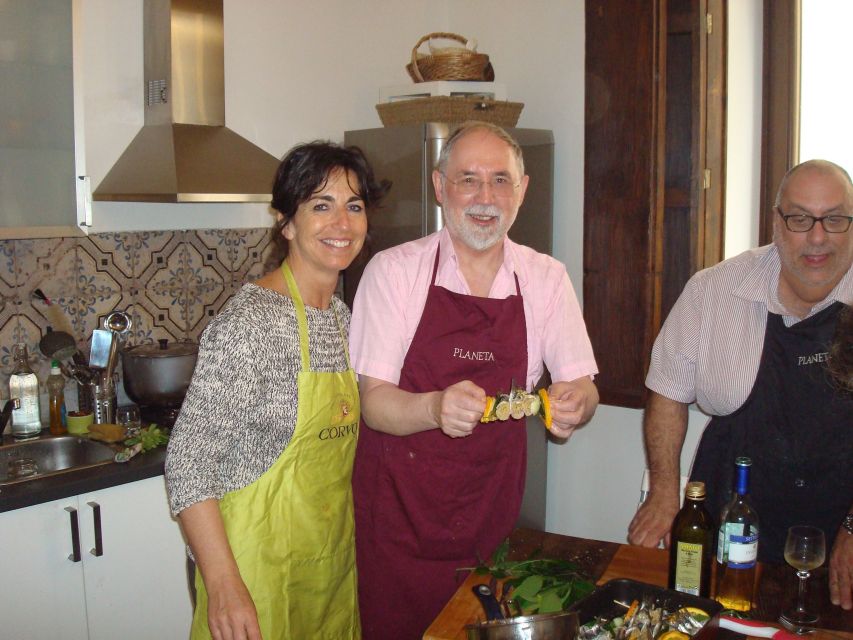
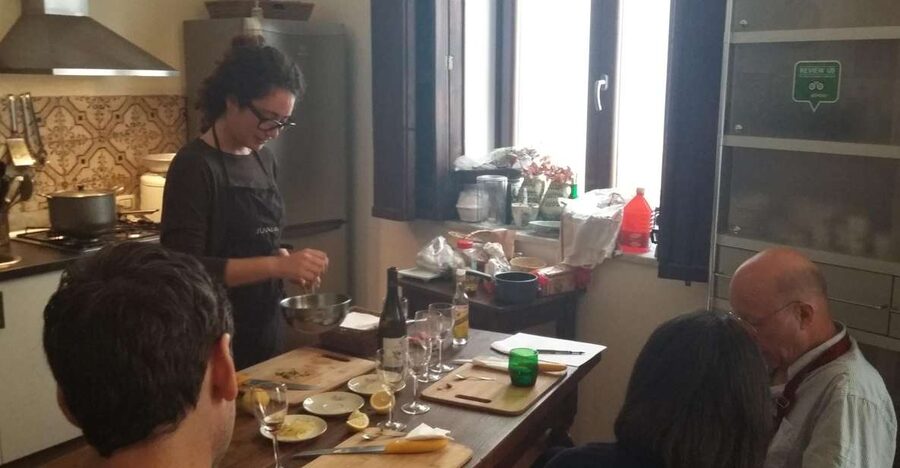
The cooking part runs like a guided meal with you in the driver’s seat. You’ll prepare a sequence of courses in the traditional style: starter, primo (pasta), second (fish or meat), caponata, and a typical Sicilian cake.
Here’s what that means in real life:
Starter first, so you get moving fast
You’ll start with a course that sets the flavors. This is the warm-up that teaches you how the chef thinks—seasoning approach, timing, and how Sicilian cooking balances bold taste without being complicated.
Primo pasta: learn the Sicilian mindset for sauce and texture
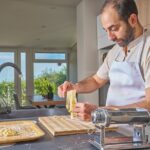
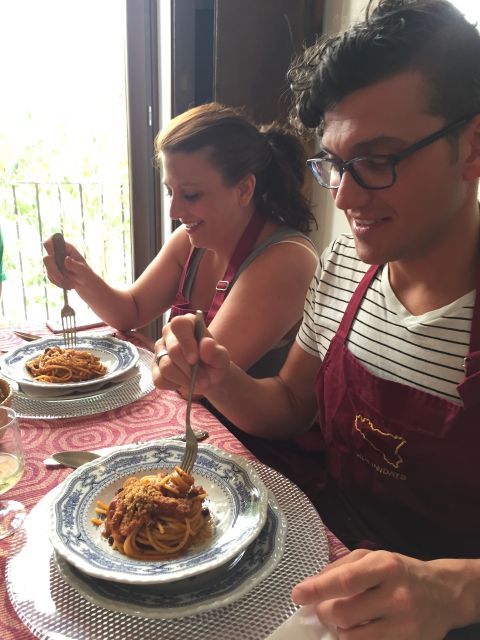
For the pasta course, you’ll work through classic technique for combining ingredients into a satisfying dish. In some sessions, the pasta has included things like red pesto, which gives you a great example of how Sicily uses local produce and straightforward methods to build big flavor.
Second course: fish or meat, with a clear hands-on workflow
The second course includes fish or meat, depending on what’s planned for your class. If you’re curious, watch how the chef handles doneness and prep basics—this is usually where you get the most practical skill you’ll reuse later at home.
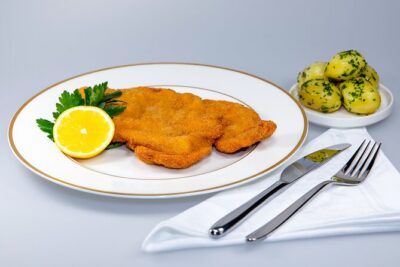
In at least one instance, the second course has included breaded chicken, so don’t be surprised if breading and frying technique is part of your day’s learning.
Caponata: the vegetable course that tastes like a whole meal
Caponata is the signature here, and the ingredients are specific: eggplants, celery, green olives, and capers. It’s a vegetable stew-salad style dish, and that flavor mix is pure Sicily—salty from olives and capers, earthy from eggplant, and brightened through the way it’s cooked and seasoned.
This course is worth paying attention to, because caponata is also a great template. Even if you never make the exact same version later, you learn how to build sweet-sour complexity using Sicilian staples.
Sicilian cake: often a classic you can’t forget
You’ll finish with a typical Sicilian cake. Some classes have included cannoli with handmade filling, which is a perfect example of the kind of end-of-meal payoff you get here: something special, something local, and something you can say you made with your own hands.
If you’re the kind of person who wants to bring something home, this is the course that makes it easiest to remember the whole experience.
How Patrizia Teaches: Casual Participation, Real Guidance
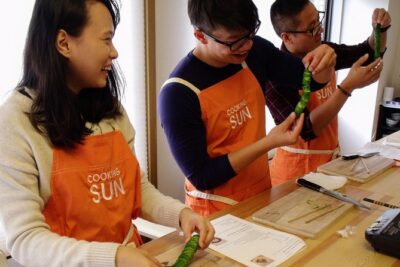
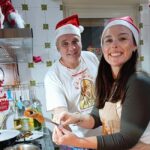
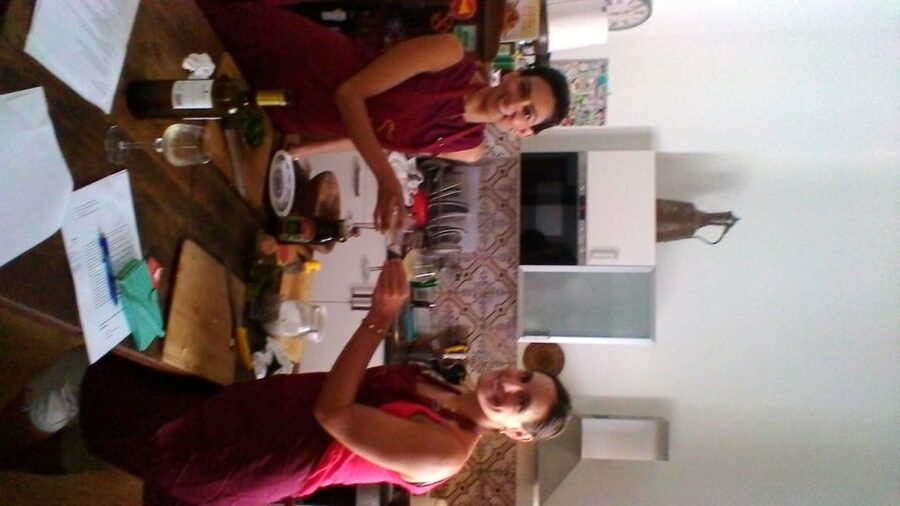
The vibe is not stiff. The cooking is guided, but it’s also casual and flexible. In many people’s reports, Patrizia’s approach is patient and welcoming, which helps if you’re a beginner or if you just don’t want to feel rushed.
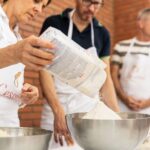
You can usually choose your level of involvement. Some people like to cook actively. Others prefer to watch closely, then jump in when a step needs hands. Either way, you’ll get explanations—not just instructions—so you understand what you’re doing.
A big part of the class is the back-and-forth between market and kitchen. If you learned what an ingredient should look like when you buy it, you’ll notice the same cues while cooking. That’s how this feels different from a ticketed meal where you never touch the process.
In the kitchen, you’ll likely see familiar Italian pantry ingredients used in a Sicilian way—olive oil, cheese, olives—plus small tasting moments that keep your energy up while you cook.
Lunch and Wine Pairings: Eating Is Part of the Lesson
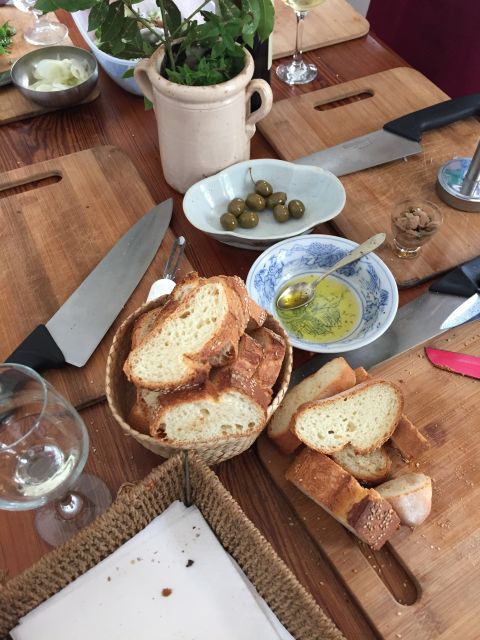
You don’t just cook and leave. You sit down for lunch and actually eat what you made.
Wine is included, and it’s Sicilian wine tasting paired to your courses. The selection is described as having a wide range, and the idea is pairing—not just pouring wine for the sake of it. That pairing element turns the meal into a true food experience, because you learn how flavor changes with the drink.
In some sessions, the host has offered house-made limoncello as well. Even if your specific menu varies, the point is clear: this is a table experience, not a quick snack-and-run.
And yes, the lunch is filling. You’re getting four courses plus tastings, so plan your day around this. Treat it like your main meal.
Timing, Comfort, and Dietary Needs You Can Plan For
Duration is 4 hours, so it’s a half-day that fits nicely into a Palermo itinerary. You’ll start at Porta Carini and return there at the end.
What to bring is practical: comfortable shoes. You’ll be on your feet enough that comfortable footwear pays off. Also, no smoking is allowed during the activity.
If you eat in a specific way, the operator says vegetarian and gluten-free menus are available. That’s a big deal for cooking classes, because many assume you’ll just pick around the edges. Here, you can likely expect your menu to be adapted.
One more note for your planning: the experience is not suitable for people with mobility impairments. If that’s relevant for you, it’s worth skipping this one and looking for a different food tour format that requires less movement.
Price and Value: Why This Costs More Than a Normal Tour
At $203.91 per person for a 4-hour experience, this isn’t a cheap activity. But it also isn’t just a guide walking you past stalls.
You’re paying for several things stacked together:
- Chef-led shopping at a major Palermo market area
- Ingredients used for the meal
- Instruction through multiple courses (not just one recipe)
- Lunch that you cook and eat
- Wine tasting with pairing chosen to match your food
When you break it down, the value is in the combination. Many food tours give you samples. Many cooking classes put you in a kitchen. This one connects both—so you learn ingredients first, then techniques, then flavor pairing at the table.
Also, the small group size helps justify the cost. With up to 8 people, you’re not competing for attention while the chef runs around the kitchen.
Who Should Book This Cooking and Market Class?
This class is a strong match if you want more than a meal. You want a Sicily you can taste and repeat later, and you like learning how dishes actually come together.
You’ll likely enjoy it if:
- You love Italian food and want hands-on cooking
- You want a food experience with cultural context while in Palermo
- You’re comfortable cooking a bit, even if you’re not experienced
- You travel as a couple, small group, or even as family (the class style is friendly to different comfort levels)
You might want to skip it if:
- You have mobility limitations that would make market movement and kitchen work hard
- You prefer pure sightseeing with minimal participation
- You don’t want food-and-wine pairings included in your afternoon
Should You Book Palermo Half-Day Cooking Class & Market Tour?
If you’re in Palermo and you want one experience that connects market shopping, cooking technique, and Sicilian wine at lunch, I’d book this.
The market start at Porta Carini plus the chef-led ingredient picking is the key. It makes the rest of the class feel logical, not random. And because the group stays small with Patrizia guiding the process (often with help from Giuliana), you get an experience that feels personal rather than factory-style.
Just be honest about the physical side: comfortable shoes are required, and it’s not set up for mobility impairments. If that’s fine for you, this is one of the best ways to spend a half day in Palermo that ends with full bellies and skills you can use later.
FAQ
What time does the tour start?
The activity runs for 4 hours, and starting times vary by availability.
Where do I meet the group?
Meet by Porta Carini, the entrance gate to the Capo Market.
Where does the tour end?
The activity ends back at the meeting point (the same area near Porta Carini).
How big is the group?
The group is limited to no more than 8 people.
What dishes are included in the cooking class?
You cook 4 courses: a starter, a primo (pasta), a second course that includes fish or meat, caponata, and a typical Sicilian cake.
Is there a vegetarian or gluten-free menu?
Yes. Vegetarian and gluten-free menus are available.
What languages are offered?
Live guide languages include English, Italian, and French.
What is included in the price?
Included items are ingredients, lunch, and Sicilian wine tasting (with a wide selection available).
Is drop-off included?
Drop-off is not included, but it is available upon request.
Is cancellation free?
Yes. You can cancel up to 24 hours in advance for a full refund.